

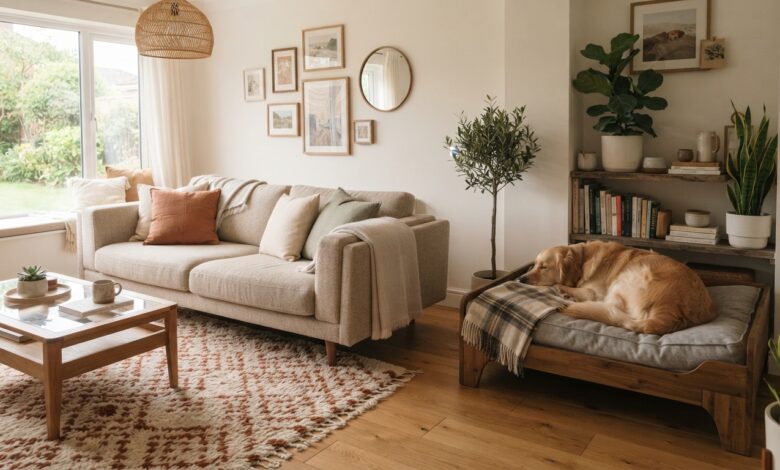
Living with pets doesn’t mean choosing between a stylish home and a functional one. With the right fabric choices, smart storage, and a few design compromises, a pet-friendly home can look just as considered as one without a dog hair-shedding, couch-scratching, food-bowl-tipping companion in it. Here’s how to decorate around your pets instead of against them. This guide covers pet-friendly home decor step by step, with practical tips and product picks.
As an Amazon Associate I earn from qualifying purchases. Some links in this post are affiliate links, at no extra cost to you.
1. Choose Performance Fabrics Over Delicate Ones
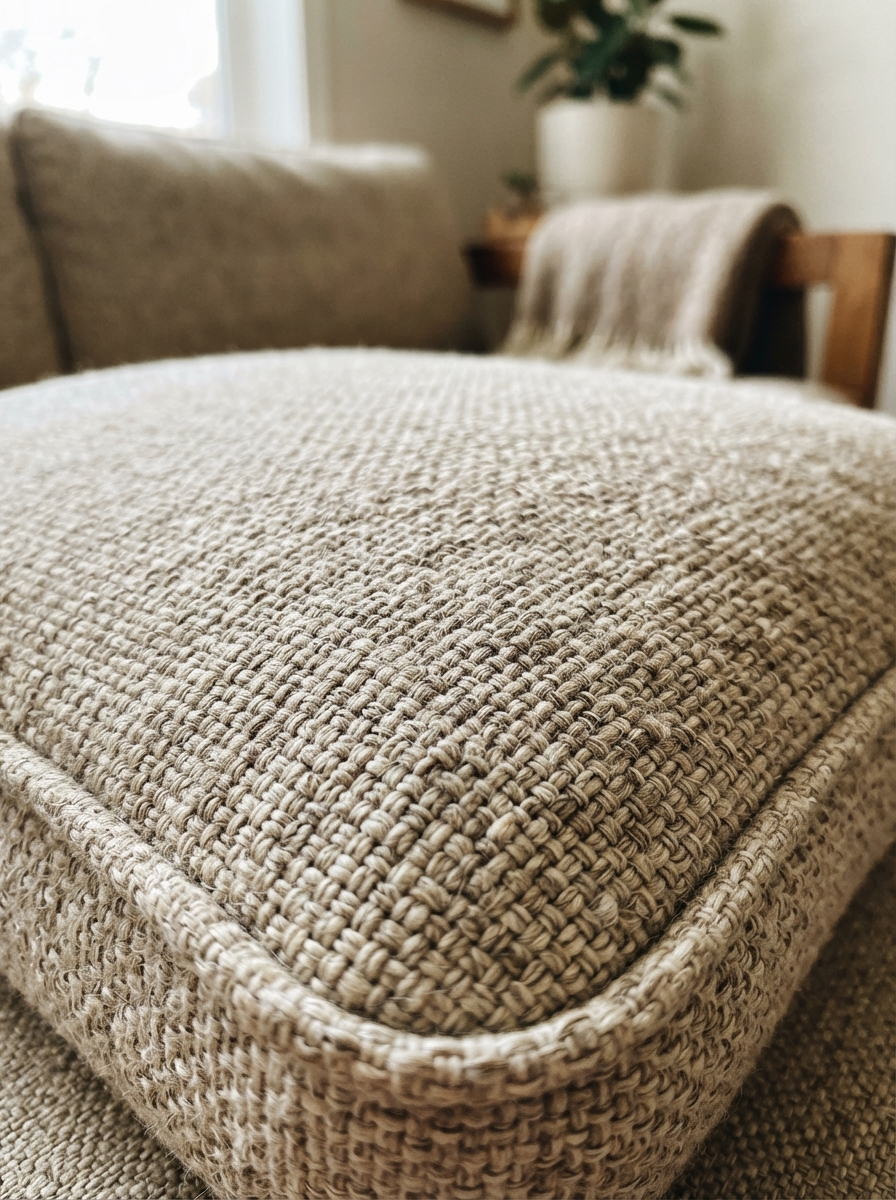
Performance fabrics — originally developed for outdoor furniture — now come in upholstery-grade options that resist stains, scratches, and odor while looking identical to traditional linen or velvet. Look for labels indicating a fabric is pet-friendly, stain-resistant, or outdoor-rated when shopping for a sofa or accent chair. Avoid delicate silks, loosely woven linens, and light-colored suede, all of which show claw snags and stains far faster than a tightly woven performance fabric.
2. Pick Patterns and Colors That Hide Hair
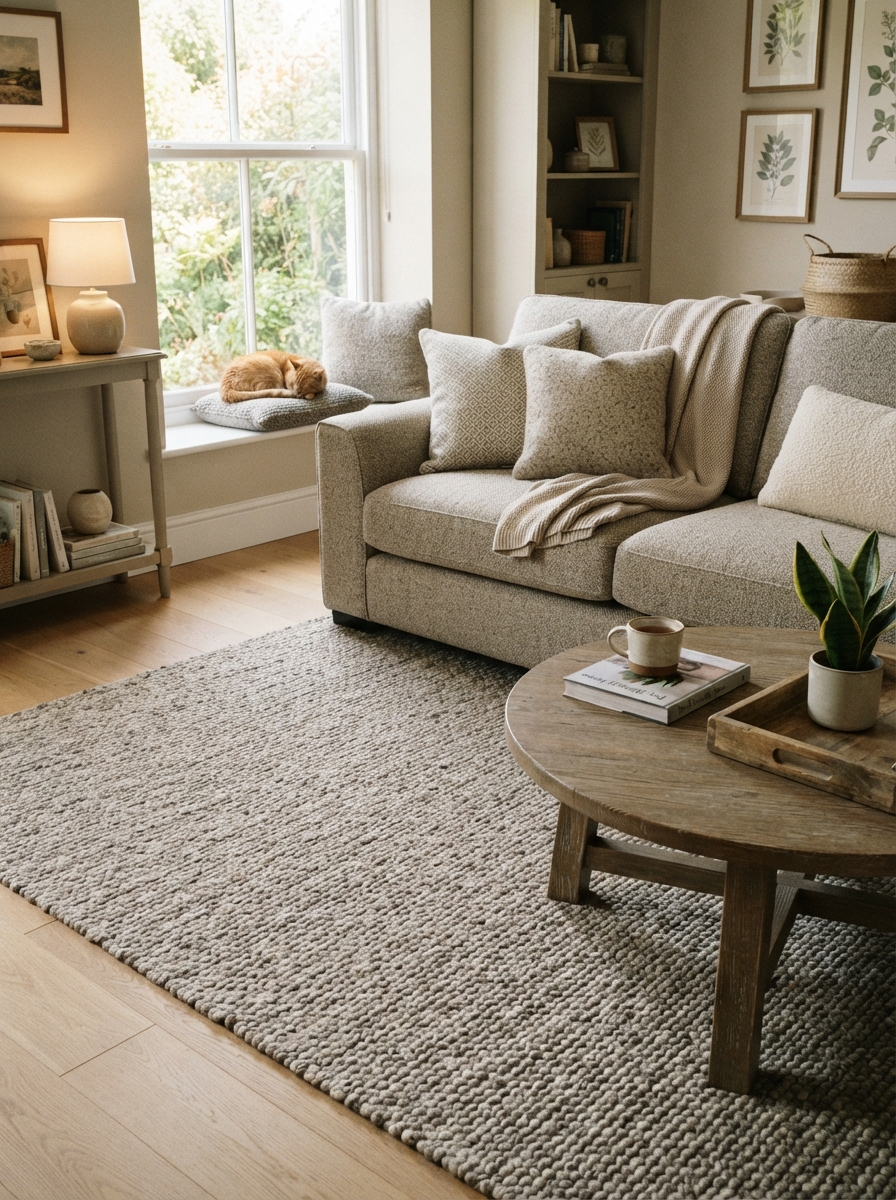
A rug or sofa in a color close to your pet’s fur shows considerably less shedding between cleanings than a strongly contrasting color choice. Busy patterns and textured weaves also camouflage hair better than solid, smooth fabrics. If you have multiple pets with different coat colors, a medium-toned neutral (warm gray, greige, camel) tends to hide the most across the board.
3. Elevate Pet Furniture to Match Your Decor
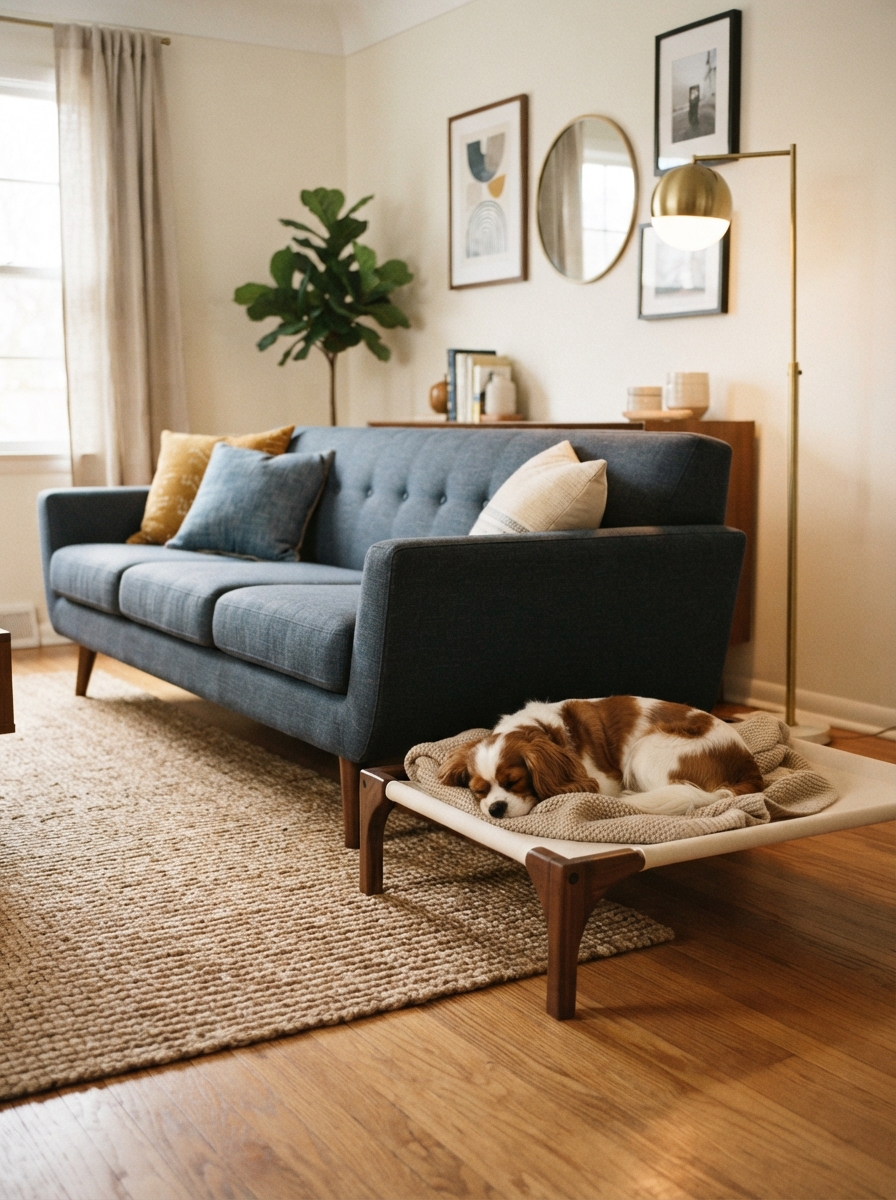
Pet beds, feeding stations, and litter boxes don’t have to look like they came from a big-box pet store. A woven basket bed, a wood-framed feeding stand, or a covered litter box built to resemble a side table all blend into a room’s existing style instead of announcing themselves as pet gear. Buying these pieces in the same finish family as your existing furniture (wood tone, metal finish, fabric color) makes the biggest visual difference for the least effort.
4. Build in Hidden Storage for Pet Supplies
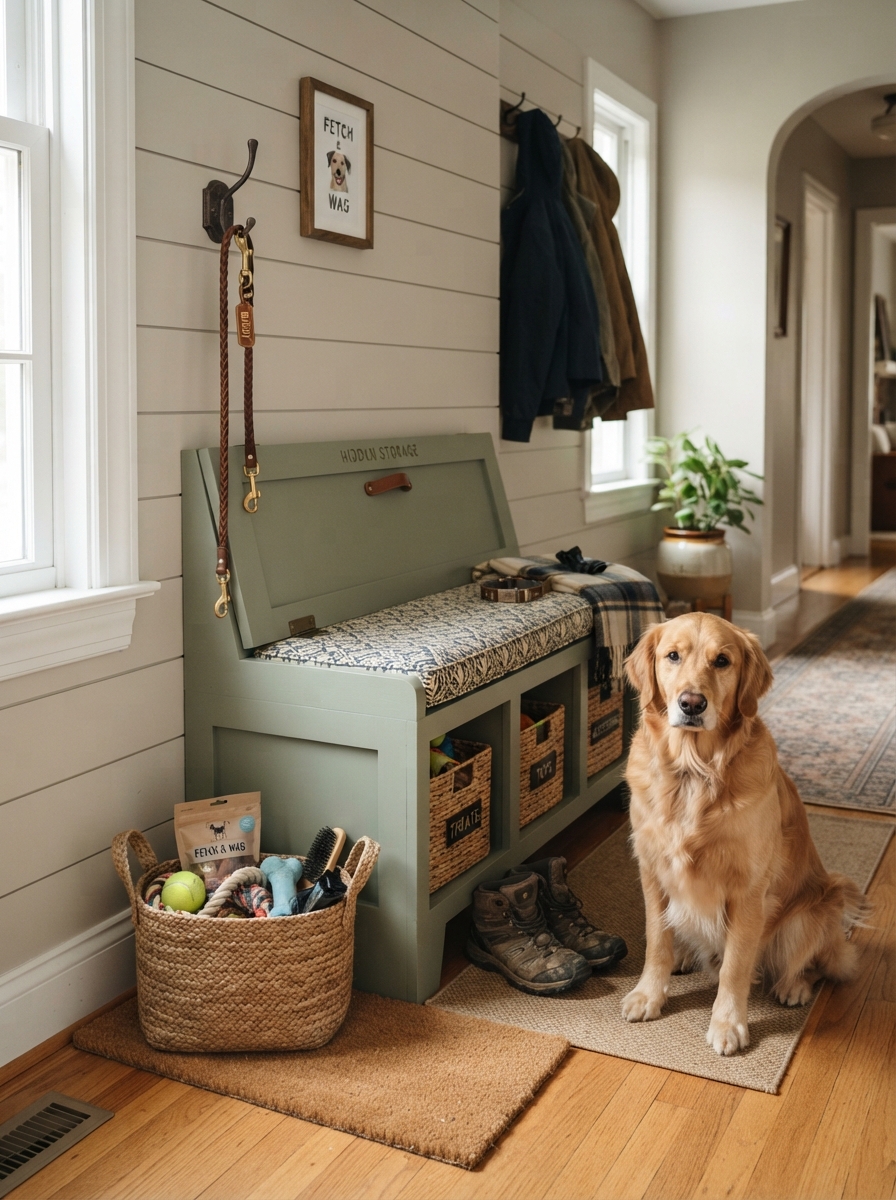
A bench with a lift-top seat near the entry stores leashes, poop bags, and outdoor gear out of sight but within easy reach for walks. A dedicated cabinet or pull-out drawer in the kitchen or laundry room for food, treats, and grooming supplies keeps counters clear of bags and containers. Baskets on open shelving work well for toys, since they’re quick to toss items into at the end of the day without needing a perfect system.
5. Protect Floors Strategically
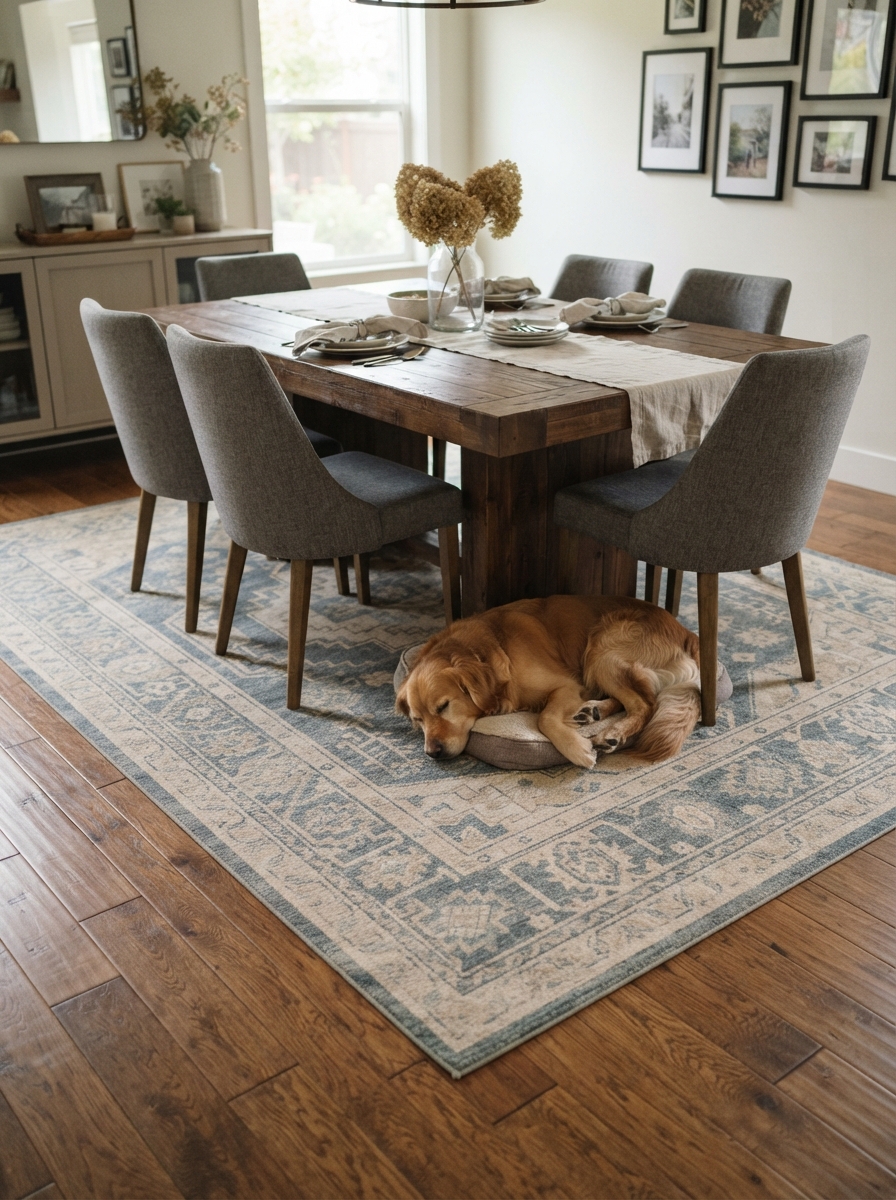
Area rugs in high-traffic zones protect hardwood from scratches and provide grip for pets navigating slick surfaces, particularly for older dogs or those prone to slipping. Choose a low-pile, tightly woven rug rather than a shag or loop-pile style, which snags claws and traps hair more easily. In feeding areas, a washable mat under bowls catches spilled water and food before it reaches the floor underneath.
6. Create a Dedicated Pet Zone
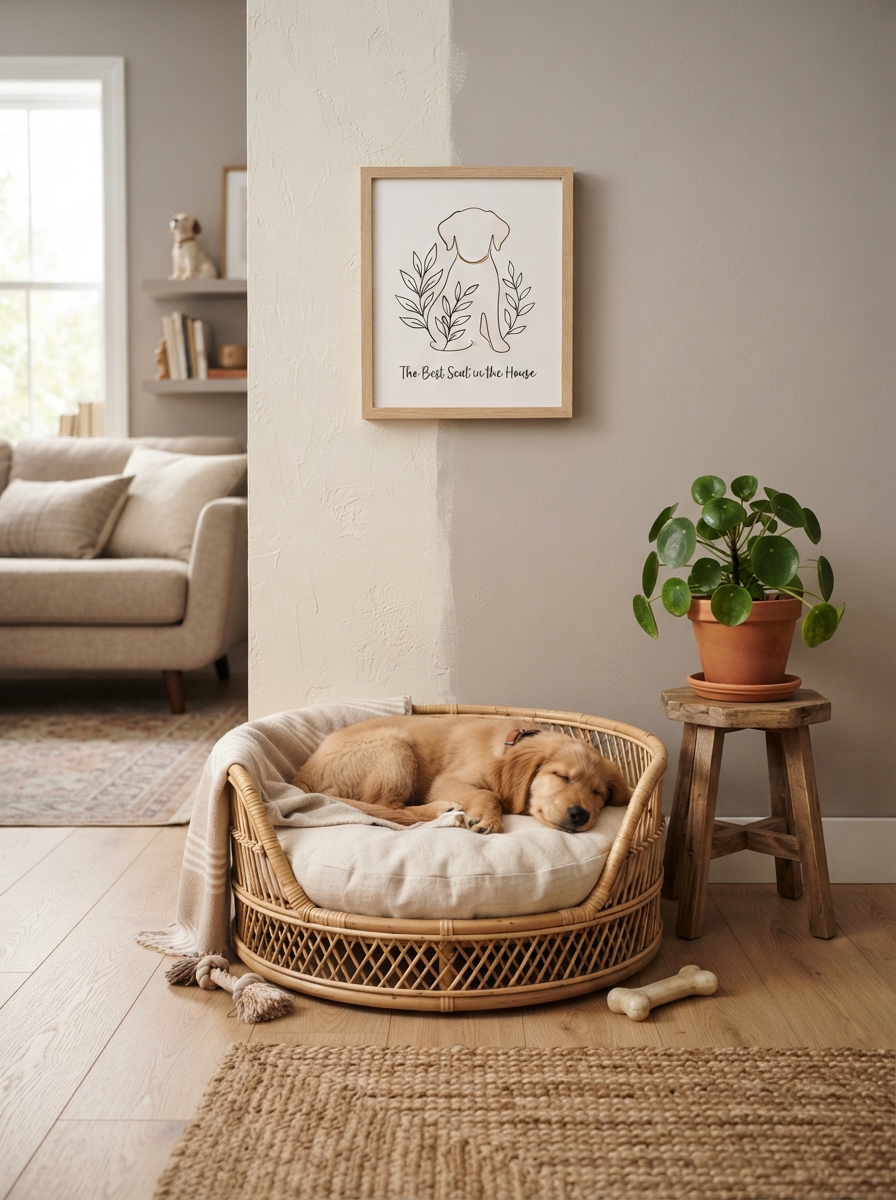
A designated corner for a bed, toys, and food — rather than scattering pet items throughout the house — keeps the rest of your decor free of gear while giving your pet a consistent, comfortable spot they recognize as their own. This zone can be styled just as intentionally as any other corner of the room, with a basket, a plant, and a piece of art above it tying it into the surrounding decor.
7. Choose Durable Window Treatments
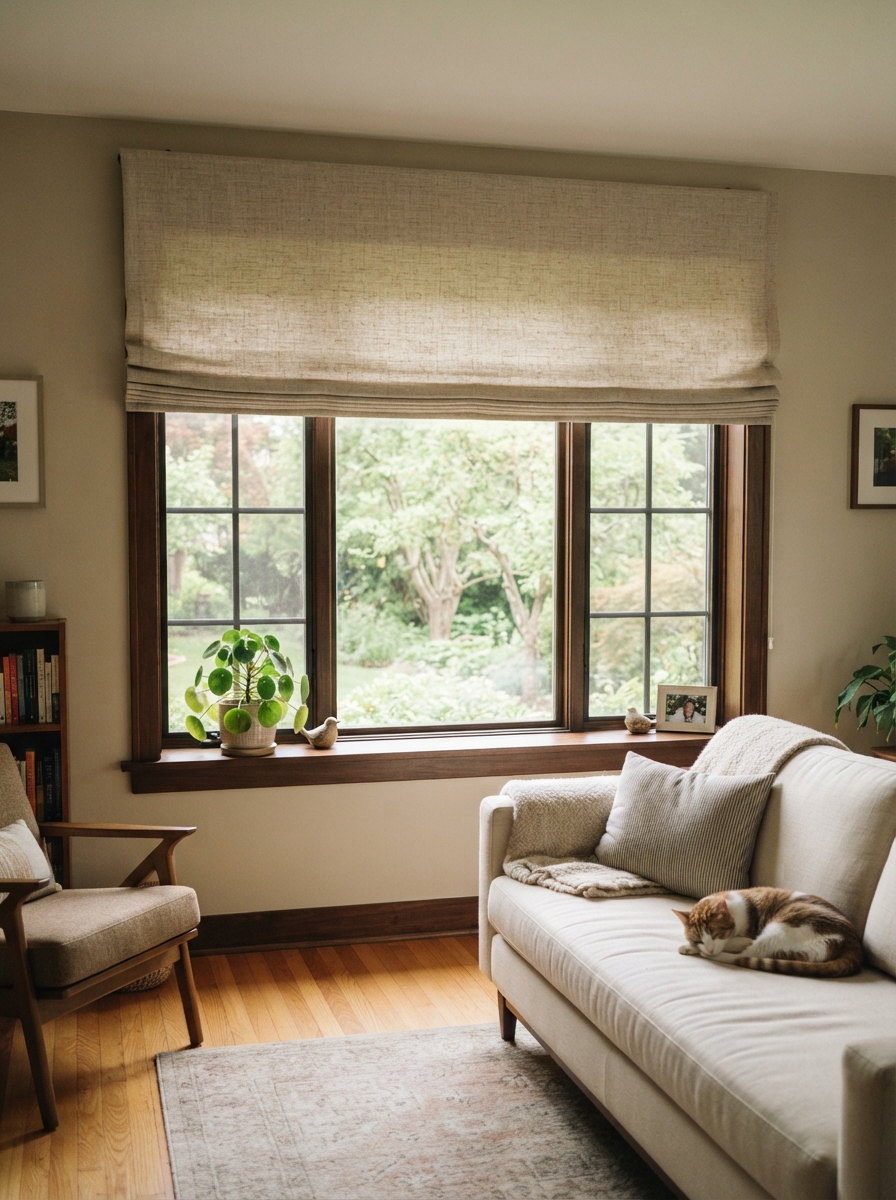
Cats in particular tend to climb, scratch, and lounge on curtains, so a durable fabric hung slightly higher than a cat can easily reach reduces damage. Roman shades or blinds mounted out of paw’s reach are a more pet-proof alternative to floor-length drapery in rooms where a cat has access to the windowsill.
Pet-Friendly Decor by Room
Living Room
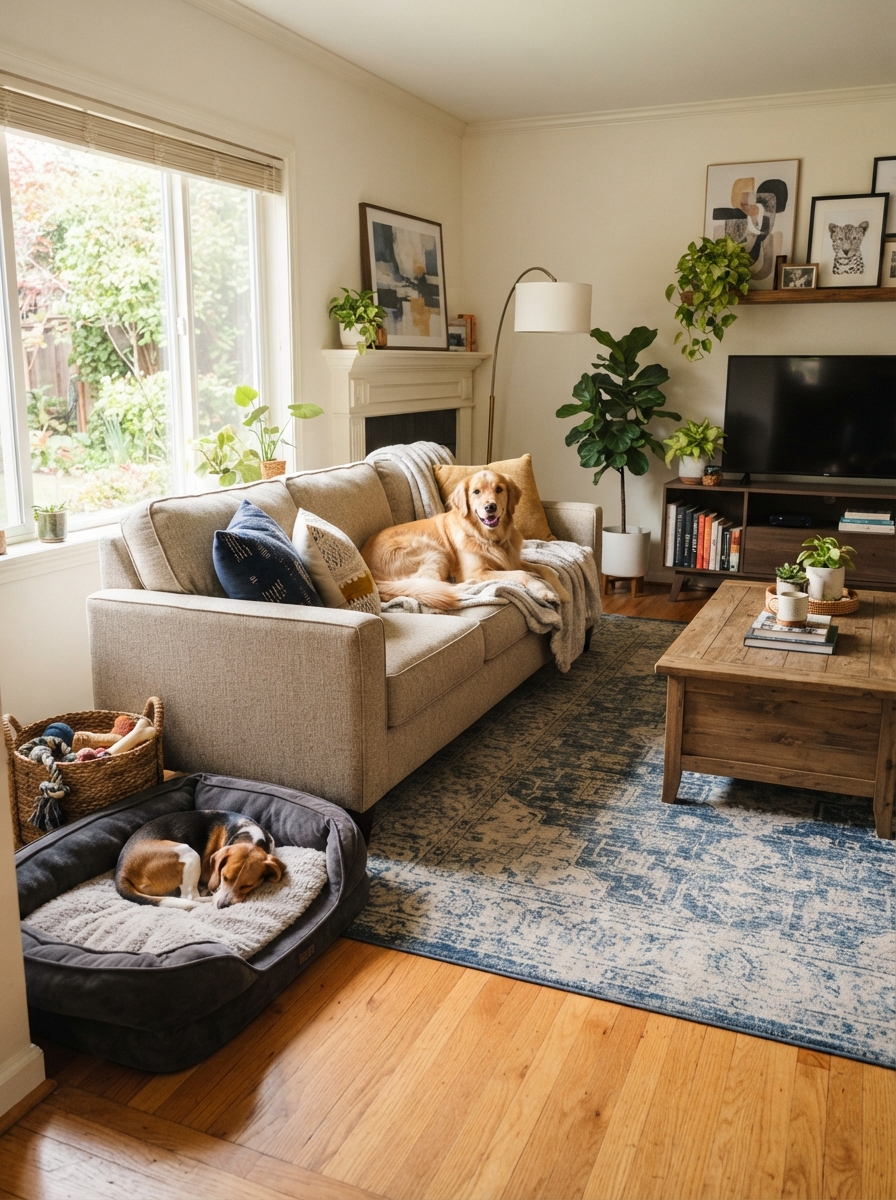
Performance fabric on the sofa, a durable low-pile rug, and a stylish pet bed tucked into a corner cover the highest-traffic pet zone in most homes. Keep breakable decor on higher shelves if you have a cat prone to jumping.
Kitchen
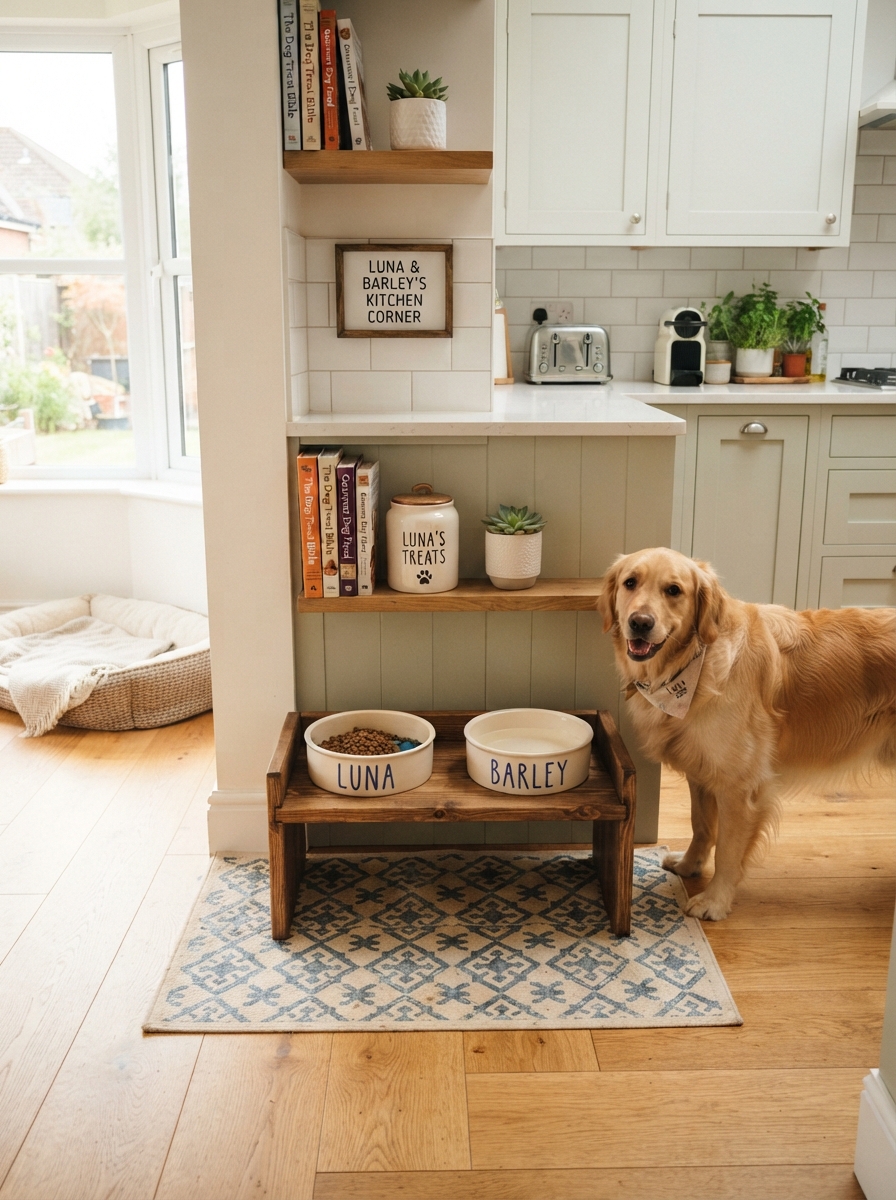
A built-in or furniture-style feeding station keeps bowls from sliding around the floor, and a washable mat underneath catches spills. A pull-out drawer near the pantry is an easy spot to store food bags out of sight.
Entryway
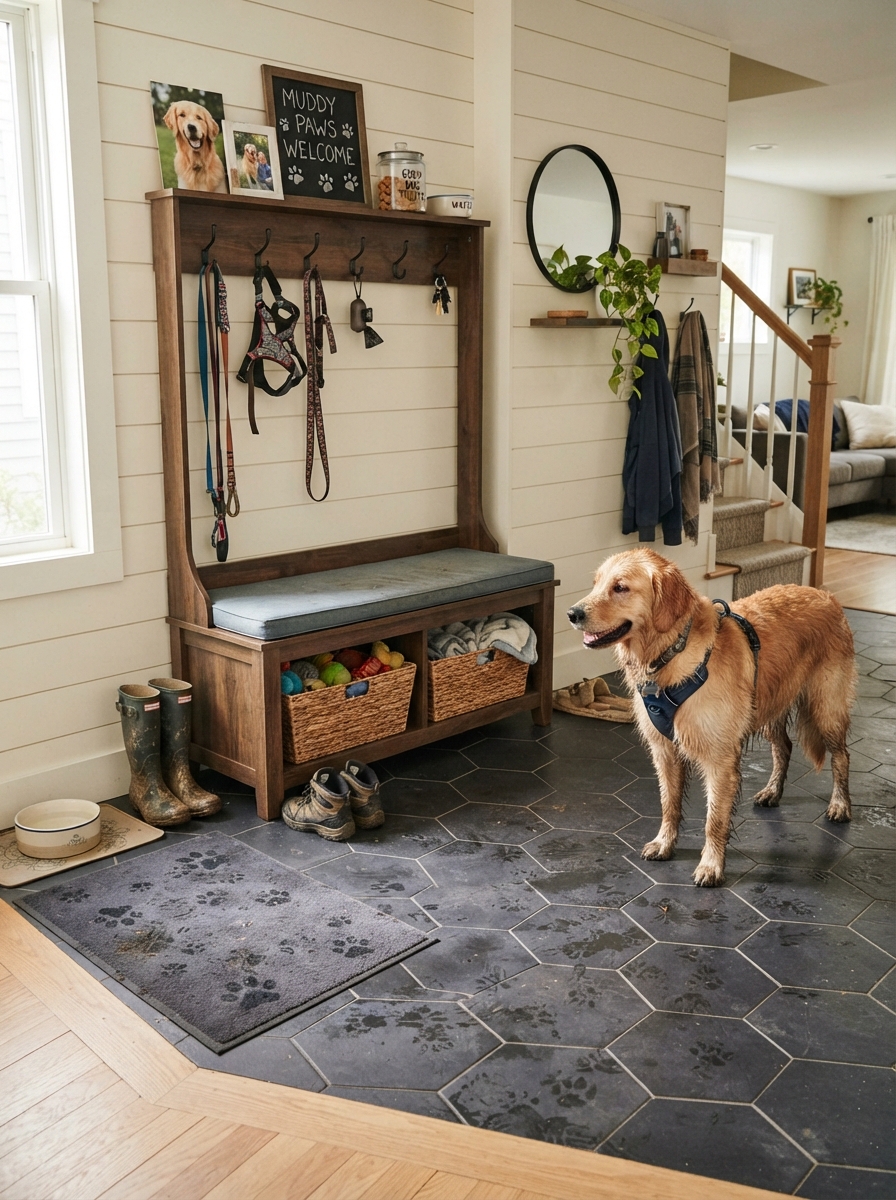
A storage bench for leash and walking gear, paired with a durable, easy-to-clean floor material (tile, sealed wood, or a washable runner) handles the muddy paws and wet fur that come through this zone most often.
Bedroom
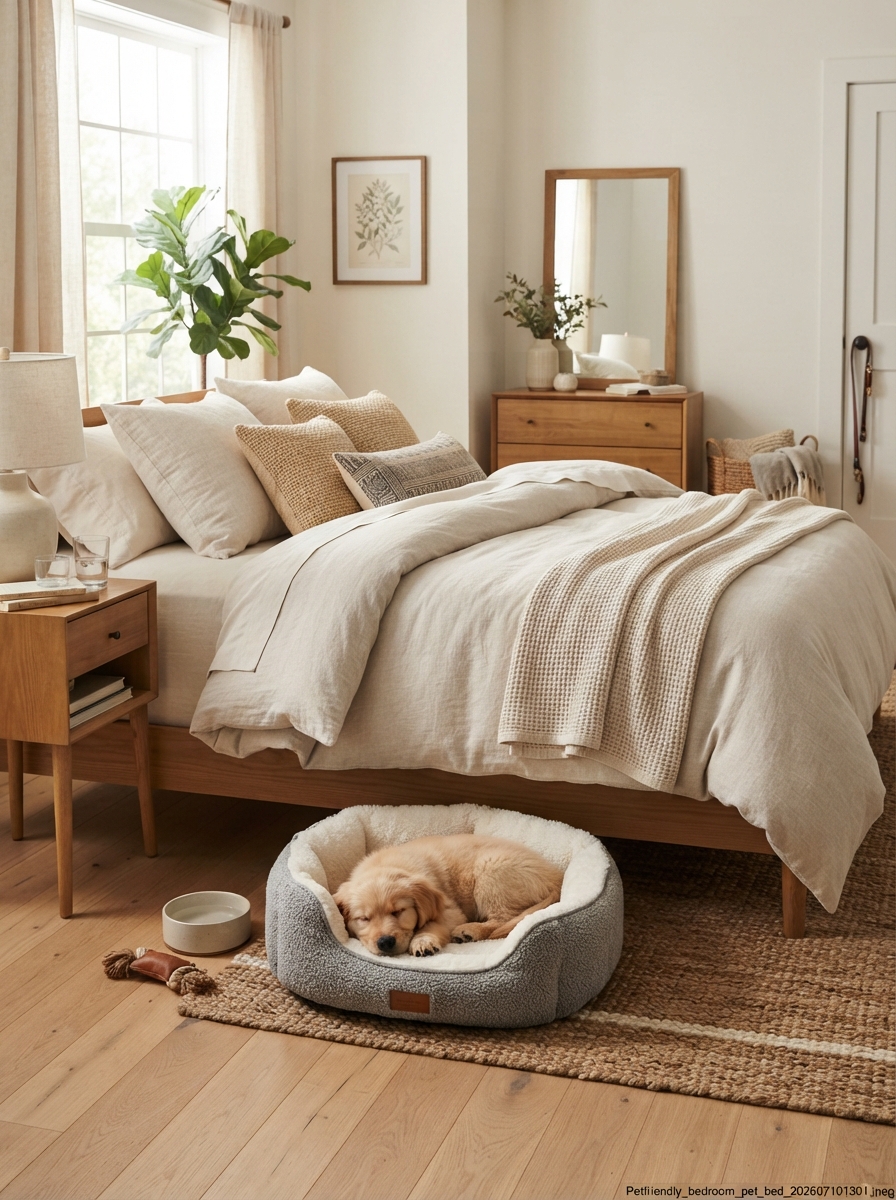
A washable duvet cover and a designated pet bed or blanket at the foot of the bed keep shedding contained to washable textiles rather than the mattress itself, for households that allow pets to sleep in the bedroom.
Choosing Pet Beds That Match Your Style
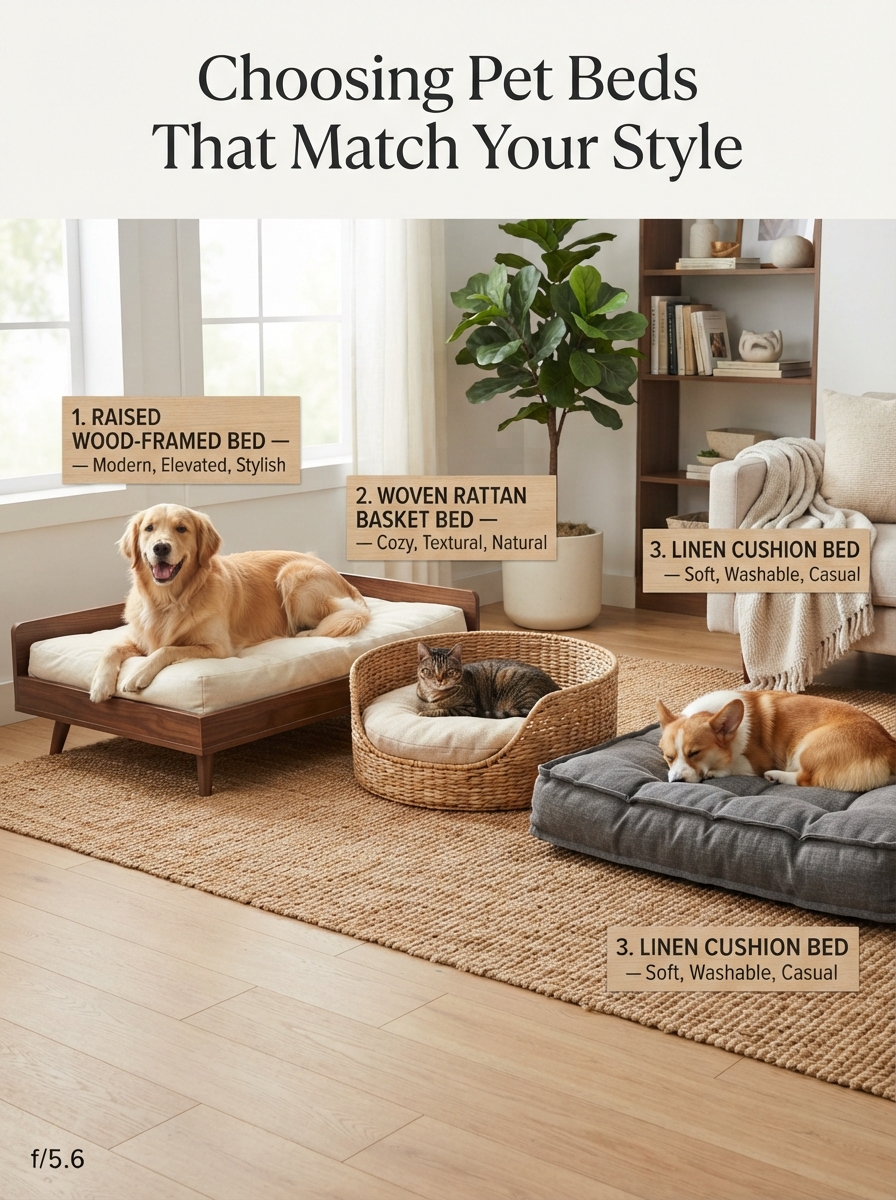
Pet beds have expanded well beyond the basic round cushion in recent years. A raised, wood-framed bed with a canvas sling suits a mid-century or Scandinavian living room far better than a plush cushion covered in cartoon prints. A woven rattan basket bed works for a boho or coastal aesthetic, and a simple linen-covered cushion bed blends into almost any neutral, minimalist space. Buying a bed in the same tone family as your existing furniture — rather than whatever’s cheapest or most novel — is usually the single highest-impact choice you can make for keeping the pet zone from looking out of place.
Managing Pet Hair and Odor Through Design
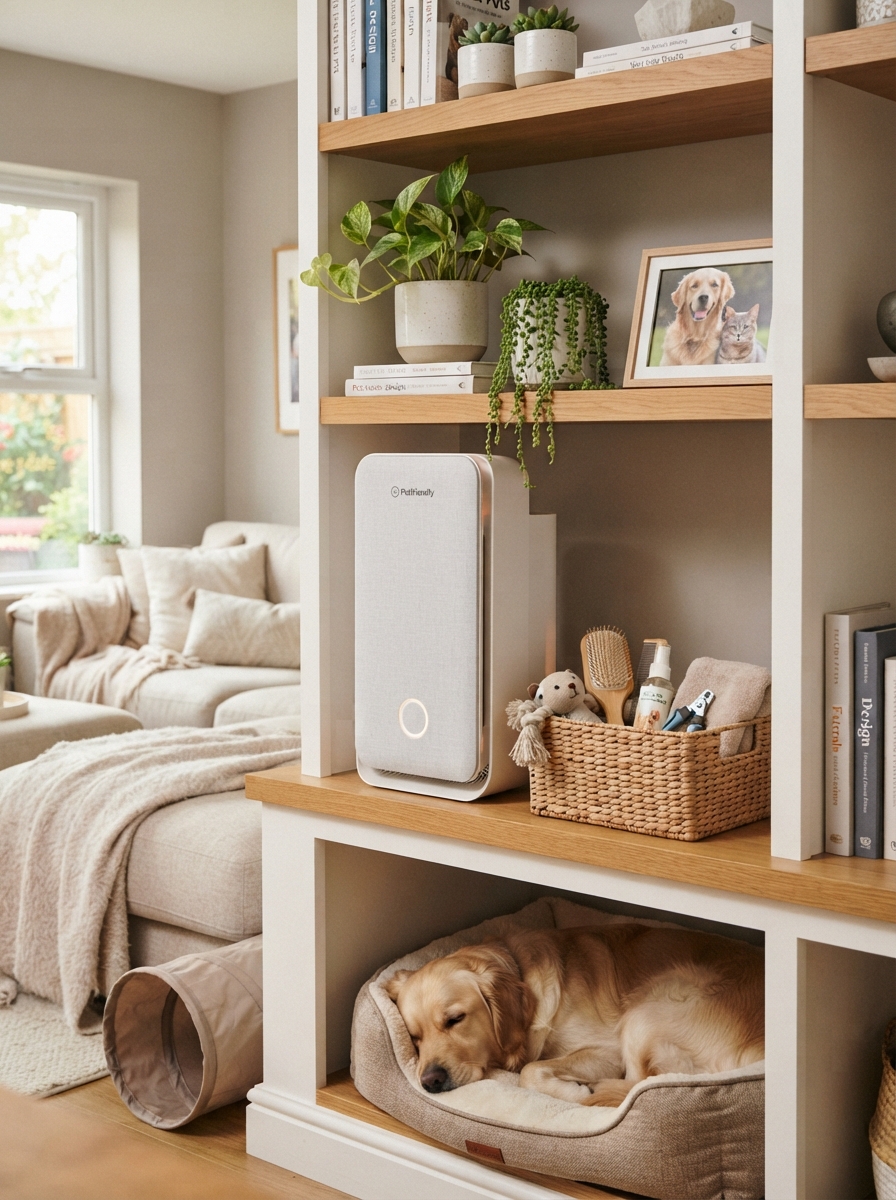
Beyond fabric choice, a few structural decisions reduce ongoing maintenance considerably. Hardwood, tile, or luxury vinyl flooring holds up better than wall-to-wall carpet, which traps both hair and odor deep in the fibers. A washable slipcover on a sofa gives you an escape hatch for deep cleaning without replacing the furniture entirely. Air purifiers styled to blend into a room’s decor (rather than an obviously clinical white box) help manage pet dander and odor without requiring a design compromise. And keeping a small, attractive basket of grooming tools within reach in a main living area makes regular brushing more likely to actually happen, which reduces shedding at the source rather than just cleaning up after it.
Pet-Friendly Plants and Greenery
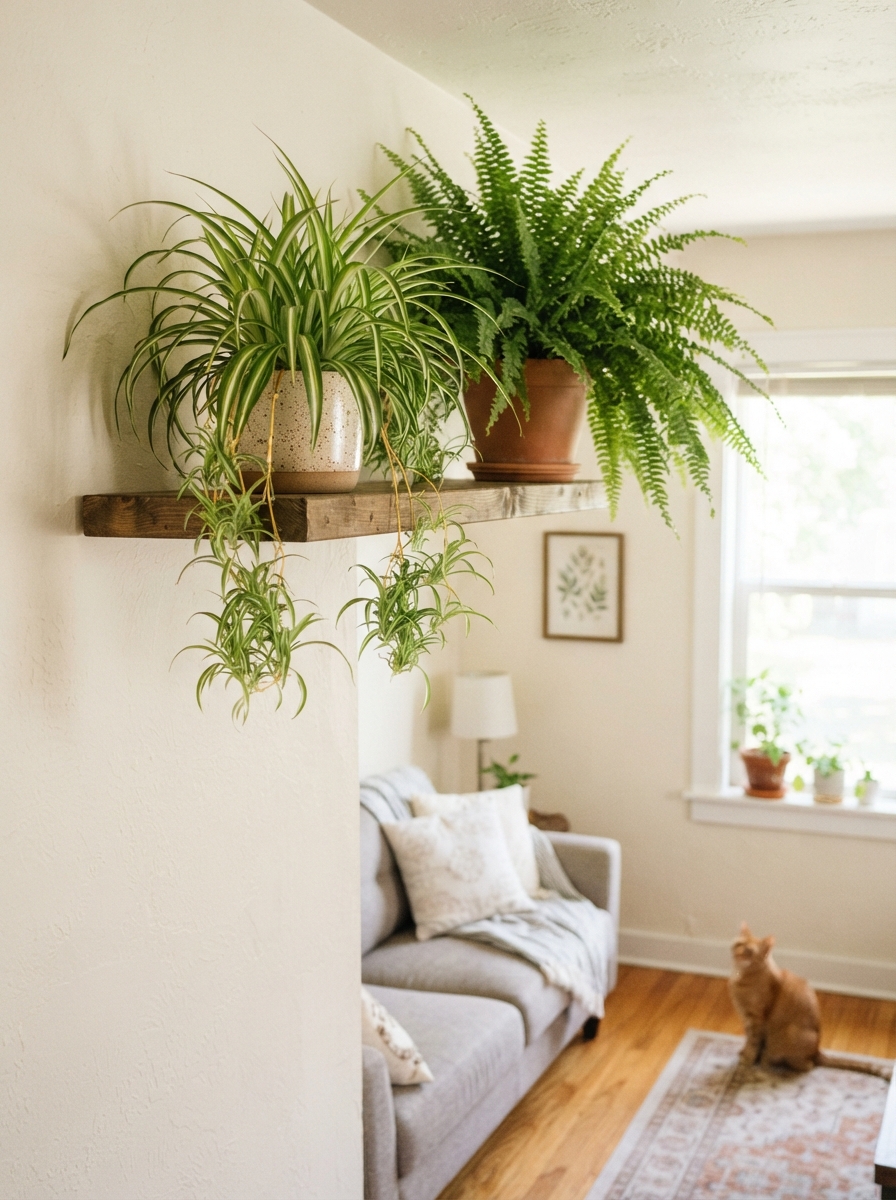
Many popular houseplants are toxic to cats and dogs if chewed, so it’s worth checking any plant against an ASPCA-verified list before bringing it home. Pet-safe options that still deliver real visual impact include spider plants, Boston ferns, areca palms, and calatheas, all of which look full and lush without posing a poisoning risk. For households with a persistent plant-chewer, hanging plants or a high shelf keeps greenery in the room without it being within reach at all, letting you keep riskier but especially beautiful plants like pothos or philodendron out of paw’s way.
Decorating for Multi-Pet Households
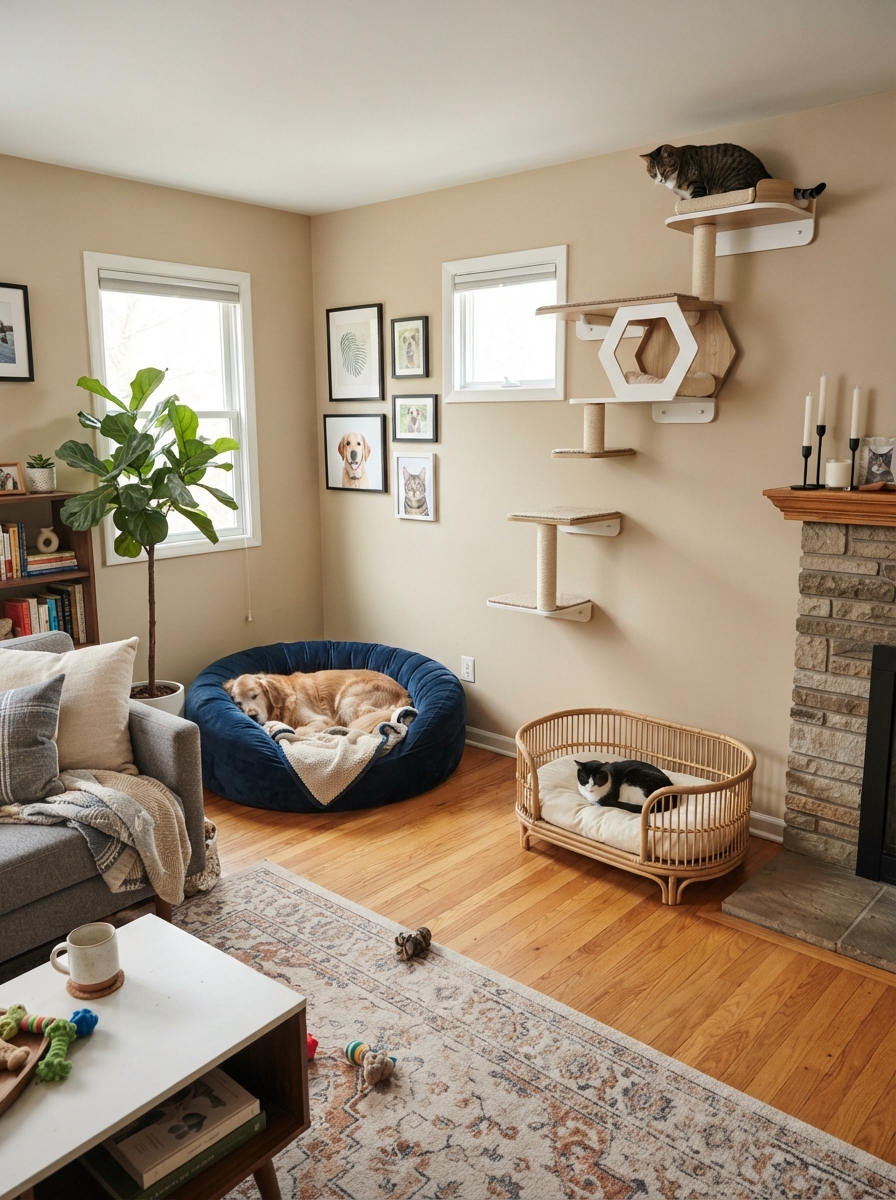
Homes with more than one pet need a bit more planning around traffic flow and resource placement than a single-pet household. Spacing food and water stations apart, rather than lining them up side by side, reduces resource-guarding tension between pets and gives you more flexibility in how you style each zone. Multiple pet beds placed in different rooms rather than clustered together give more territorial pets separate spaces to retreat to, which also spreads pet furniture more evenly through the home’s overall design rather than concentrating it in one visually heavy corner. For households mixing cats and dogs, vertical space — a cat tree, wall-mounted shelves, or a tall cat tower styled to match the room — gives cats an escape route above dog-accessible floor level, solving a behavioral need with what can also be a genuine decor feature.
Seasonal Pet-Friendly Decor Adjustments
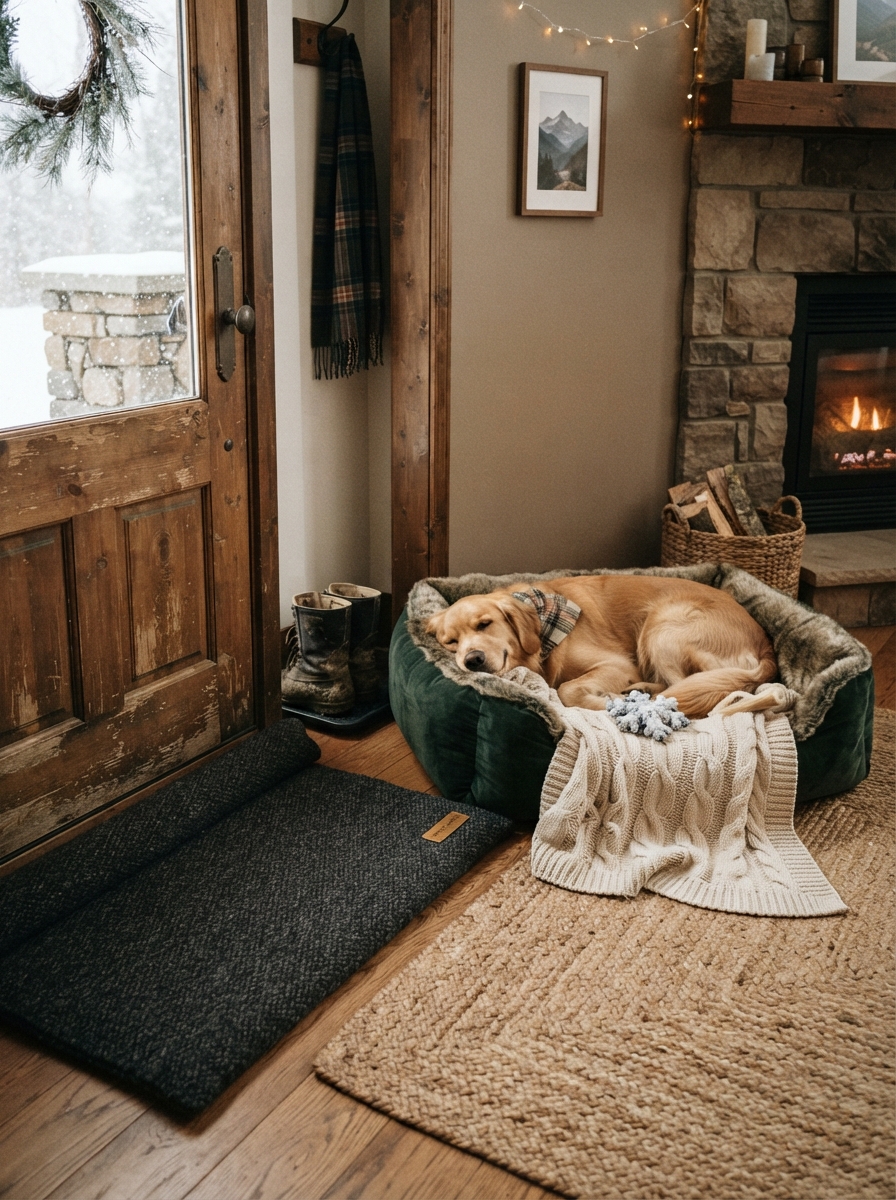
A pet-friendly home benefits from small seasonal swaps just like any other. In shedding-heavy seasons (spring and fall for most double-coated breeds), swapping to washable slipcovers and rotating in a easier-to-clean rug protects furniture during the heaviest hair season without a permanent style change. Winter calls for a heavier, washable pet bed insert and a draft-blocking mat near entry points, both of which double as cozy textural additions to an entryway. In summer, a cooling mat or a raised mesh bed helps pets regulate temperature and can be tucked into a shaded reading nook or under a window, giving the piece a legitimate spot in the room’s layout rather than sitting awkwardly in the open floor.
Pet-Friendly Outdoor and Patio Spaces
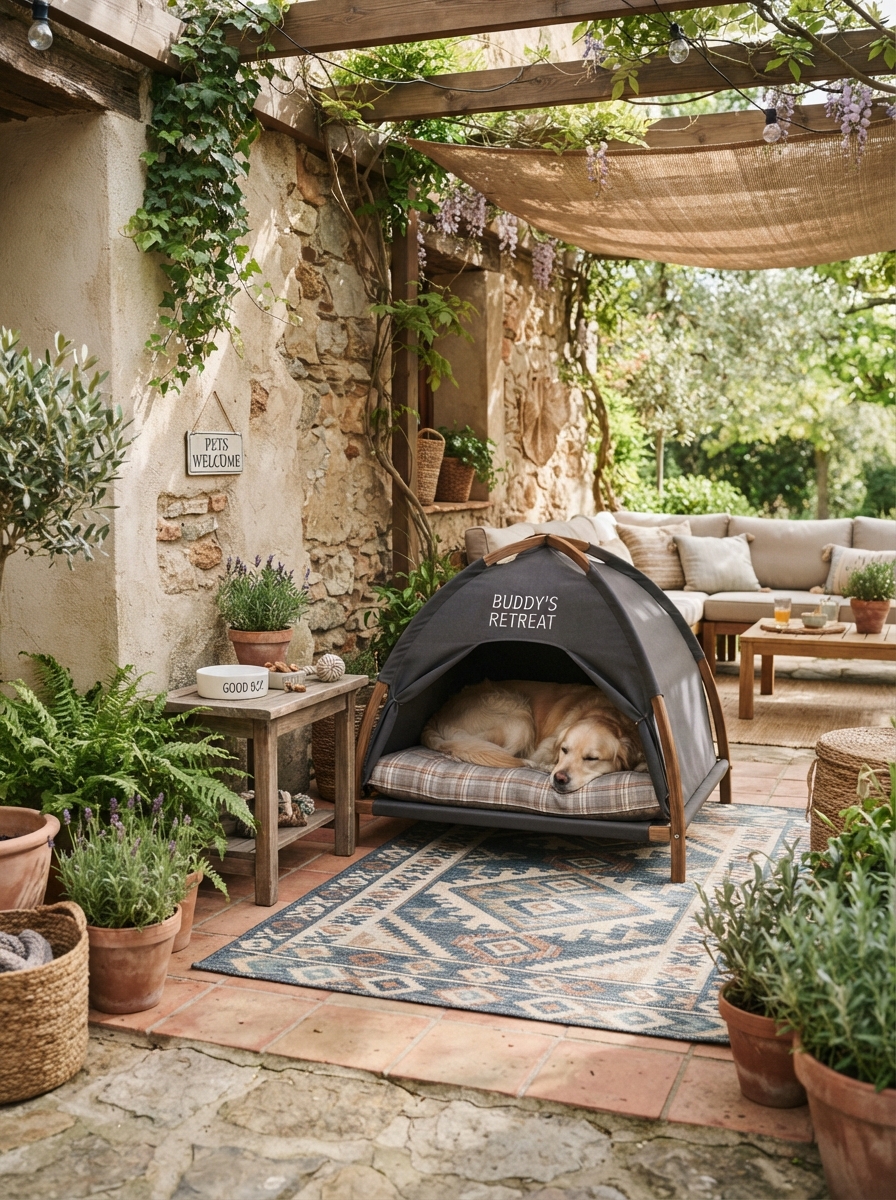
An outdoor space benefits from many of the same principles used indoors. Durable, weather-resistant outdoor rugs stand up to muddy paws far better than delicate indoor rugs relocated outside. A designated shaded resting spot, whether a covered dog bed or simply a shaded corner with a mat, gives pets a comfortable place to settle without needing to come back inside constantly. Pet-safe landscaping — avoiding toxic plants like sago palm, oleander, and certain lilies in beds pets have access to — matters just as much outdoors as houseplant selection does indoors. A simple, hose-accessible paw-washing station near the door also saves considerable wear on indoor flooring and furniture after outdoor time.
Budget-Friendly Pet-Friendly Updates
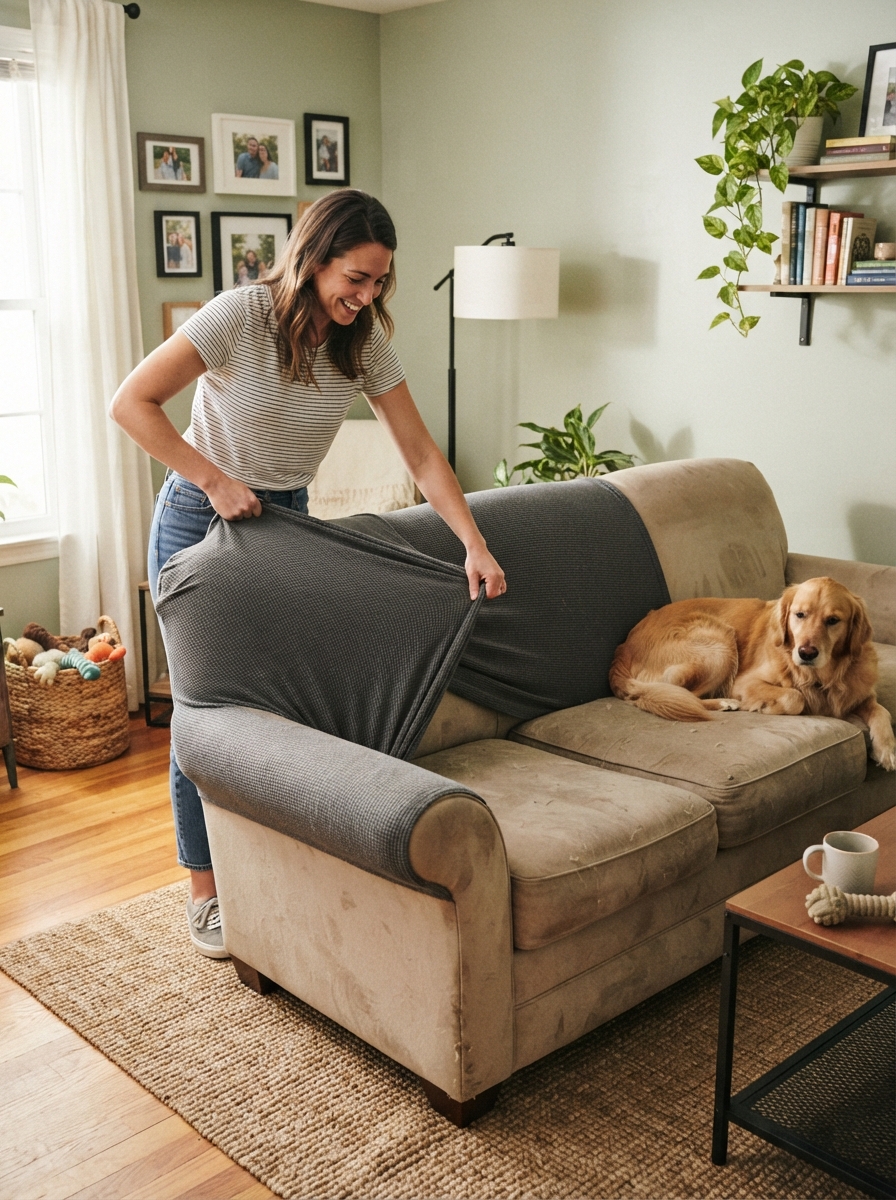
Making a home more pet-friendly doesn’t require replacing every piece of furniture. A washable slipcover over an existing sofa protects it for a fraction of reupholstering or replacing it outright. A large, inexpensive rug in a hair-hiding tone protects flooring underneath without a major investment. Repainting or refinishing a basic wire or plastic pet bed frame with a coat of paint or a wood stain can make a budget piece look considerably more considered. And a simple fabric bin or basket, rather than a purpose-built pet storage product, handles toy and supply storage at a much lower cost while still looking intentional on a shelf.
Pet friendly shopping list
- Washable pet bed — the one thing worth buying twice
- Performance fabric sofa cover — handles claws and shedding
- Washable area rug — machine washable, low pile
- Pet cooling mat — for summer months
- Pet hair remover — for upholstery between washes
- Indoor pet gate — zones rooms without looking harsh
Prices and availability change. Links open on Amazon.
Common Pet-Friendly Decor Mistakes to Avoid
A few habits undercut an otherwise well-planned pet-friendly home. Choosing delicate fabrics because they matched a mood board, then being surprised by damage, is the most common regret — always check a fabric’s durability rating before committing to pet-heavy furniture. Leaving pet gear scattered throughout the house rather than consolidated into one or two zones creates visual clutter that’s hard to manage day to day. Ignoring plant toxicity when decorating with greenery can create a genuine safety issue, not just a decor one. And overlooking scent — through inadequate ventilation or skipping regular deep cleaning of textiles — can undermine even a beautifully styled room, since visitors will notice smell well before they notice design choices.
Final Thought
A pet-friendly home isn’t a compromise on style — it’s a different set of priorities layered into the same design principles you’d use anywhere else. Choose durable materials, build in dedicated storage, and elevate your pet’s own furniture to match the rest of the room, and you’ll end up with a space that works for the whole household, four legs included, without ever feeling like it was decorated around an inconvenience.
Frequently Asked Questions
What’s the most durable fabric for pet owners?
Performance fabrics, originally developed for outdoor furniture, resist stains, scratches, and odor while looking like traditional upholstery, making them the most reliable choice for households with pets on the furniture regularly.
What flooring is best for homes with pets?
Hardwood, tile, and luxury vinyl all hold up better than wall-to-wall carpet, since they don’t trap hair, dander, or odor the way carpet fibers do, and they’re considerably easier to clean after accidents.
How do I keep pet furniture from clashing with my decor?
Choose pet beds, feeding stations, and storage pieces in the same finish family — wood tone, metal color, or fabric shade — as your existing furniture, rather than buying whatever’s cheapest or most novel-looking.
Are houseplants safe with pets in the house?
Not all of them — check any plant against an ASPCA-verified toxic plant list before purchasing, and consider hanging plants or high shelving for beautiful but risky species like pothos if you have a persistent chewer.
What color hides pet hair best on furniture and rugs?
A color close to your pet’s own coat shows the least shedding between cleanings, and busy patterns or textured weaves camouflage loose hair more effectively than smooth, solid fabrics.
Is it possible to have a stylish home with multiple pets?
Yes — the same durable-fabric, hidden-storage, and coordinated-finish principles that work for one pet scale up for multiple, with the main additional consideration being spreading out resources like beds and feeding stations so they don’t cluster in one visually heavy zone.




2 Comments