
When it’s time to redesign your child’s space, these toddler room ideas will help you choose the right bed, set up smart storage, and land on a theme that lasts well past the toddler years. The moment arrives differently for every family. Sometimes your toddler launches herself out of the crib at 6 a.m. and lands on the floor with a thud that sends you running. Other times, a new baby is on the way and the nursery needs to change hands. Either way, the toddler bedroom redesign suddenly becomes urgent, and most parents discover that this stage sits in a genuinely awkward design middle ground: too old for the nursery, not quite ready for the big-kid room. Getting it right means making decisions that hold up for the next two to three years, not just the next two months.
This guide walks you through every major decision in order, from choosing the right bed to locking in a theme that won’t look dated before kindergarten. At Aesthetic Nest Decor, the kids bedroom content series is built to guide parents through one specific room stage at a time, with real-world constraints in mind. By the end of this article, you’ll have a clear plan for the bed, the layout, the storage, and the decor direction, without buying anything you’ll regret six months from now.
Want the shortcut?
As an Amazon Associate I earn from qualifying purchases. Some links in this post are affiliate links, at no extra cost to you.
Top picks: Regalo Swing Down Bed Rail, Humble Crew Toy Organizer and Touch Bedside LED Lamp.
Check price on Amazon →Knowing when it’s time to leave the nursery behind
Most parents wait for a crisis before making the change, and that reactive approach usually means rushing decisions you’d rather make calmly. Moving with intention gives you better control over the outcome and a safer room from day one.
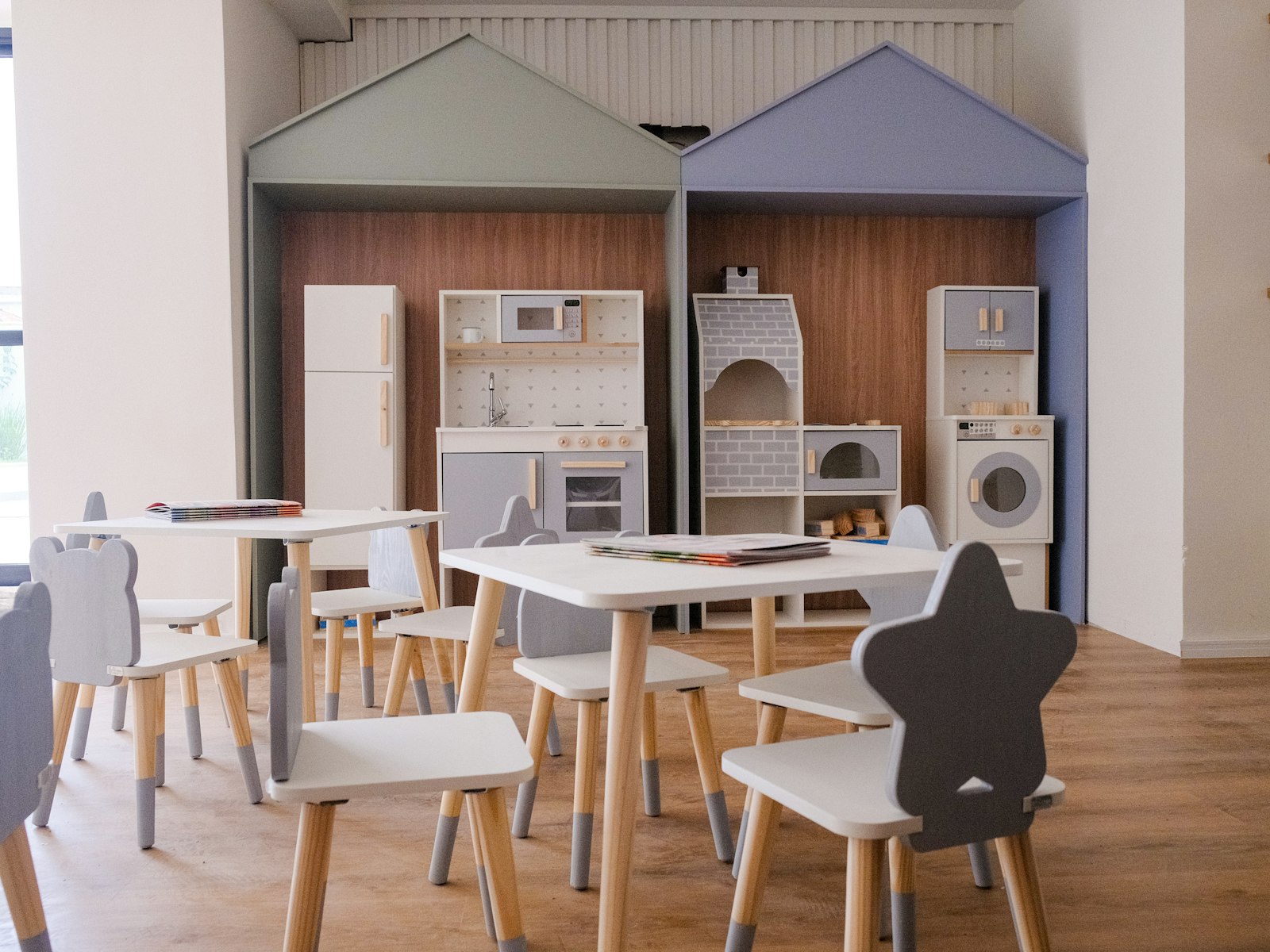
Signs your toddler has outgrown the nursery setup
The clearest signal is crib climbing. Once a toddler can get a leg over the rail, the crib becomes a fall hazard, and the American Academy of Pediatrics recommends transitioning at that point regardless of age. Most children hit this stage somewhere between 18 months and 3.5 years old, though closer to age three is generally the safer end of that range if your child is still sleeping safely. Sibling logistics are the other common trigger: if a new baby needs the crib, the transition timeline gets set for you. For more ideas, see our guide to Kids Bedroom Decor Ideas That Balance Fun and Function.
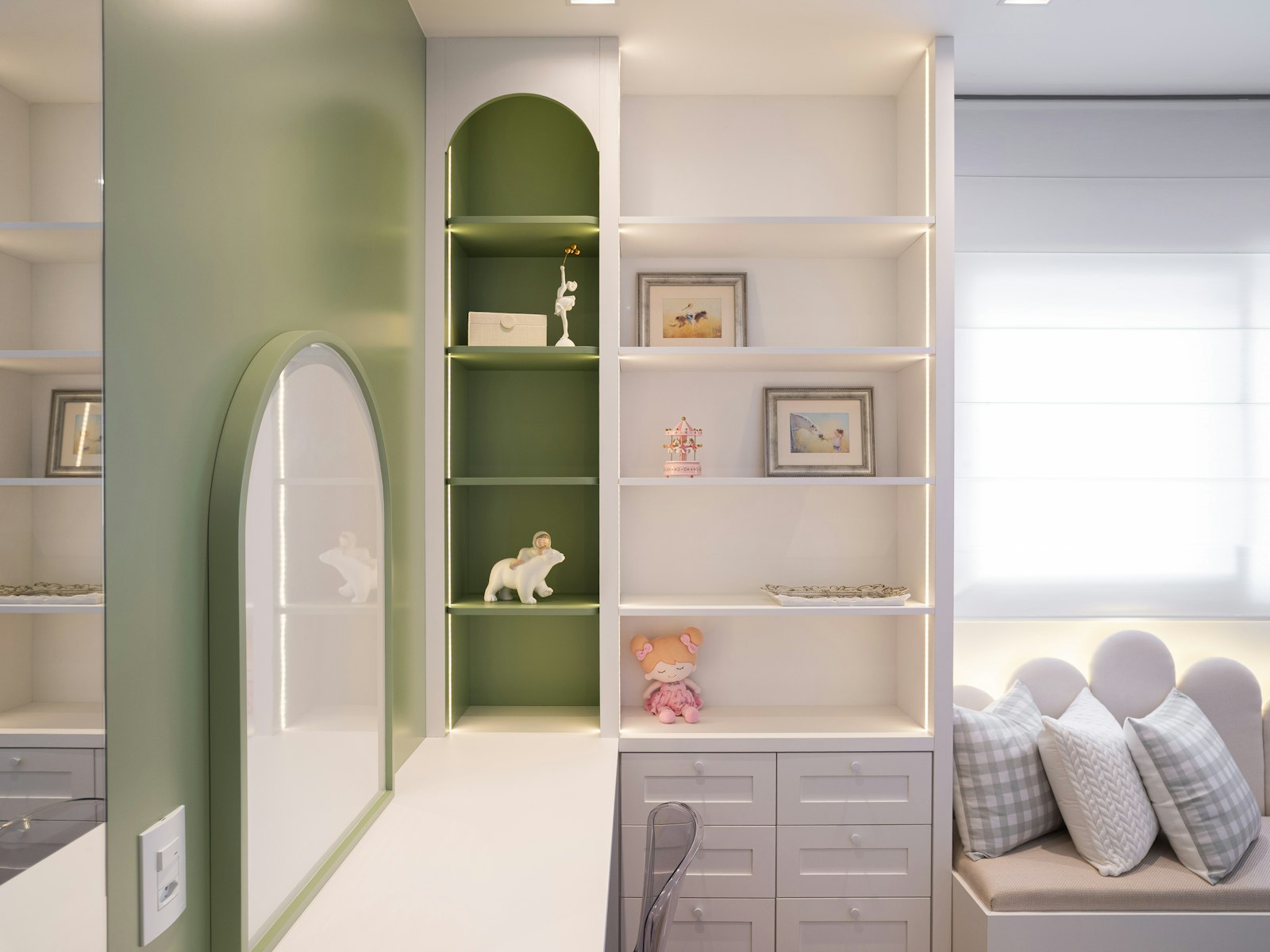
What to keep, what to swap, and what to add
Think of the nursery-to-toddler transition as a targeted edit, not a gut renovation. The items that typically stay are straightforward:
- Keep: A quality dresser, blackout curtains, and a good rug.
- Swap out: The crib, the changing table, and any decor that’s purely baby-focused.
- Add: A low toddler bed, storage a child can actually reach and use independently, and decor that reflects a growing child’s curiosity rather than a newborn’s soft, muted nursery palette.
Toddler room ideas for beds: your most important decision
The bed determines how much floor space you have left, how long the setup stays functional, and how safe the room is on day one. Everything else in the room gets built around this choice, so it’s worth thinking through your toddler bed options before looking at anything else.
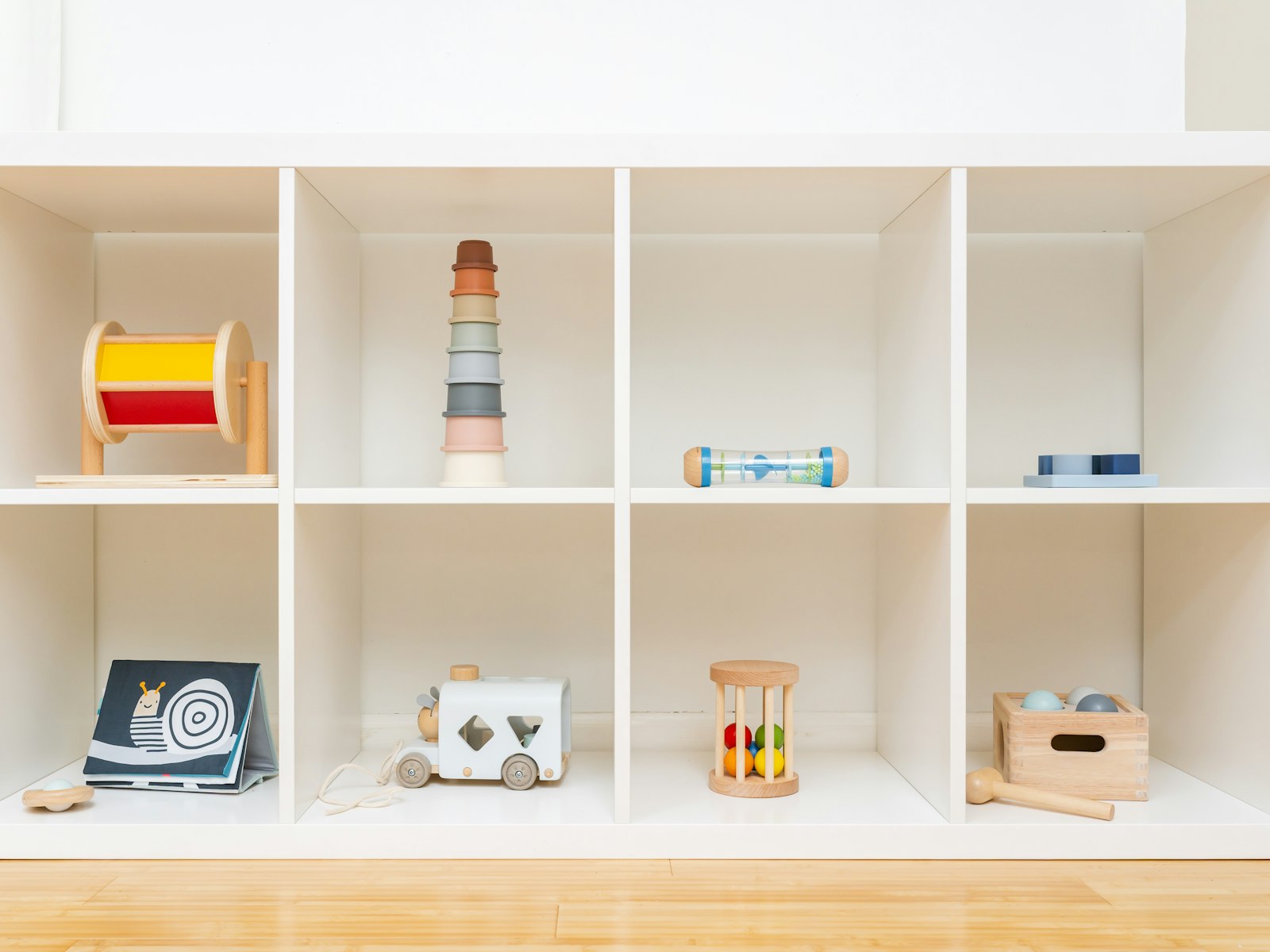
Floor beds and low platform frames
The non-negotiable baseline for toddler sleep safety is a low sleeping surface. Floor beds are the lowest-risk setup for active climbers and younger toddlers because the fall distance is minimal. A basic floor mattress starts around $35, while a quality toddler or floor-bed mattress typically runs $240 to $500 or more. Solid-wood low platform frames add structure and longevity at roughly $100 to $300. Whichever you choose, the mattress must fit snugly with no more than a two-finger gap at the sides, and it should be firm rather than soft, especially for children under age two.
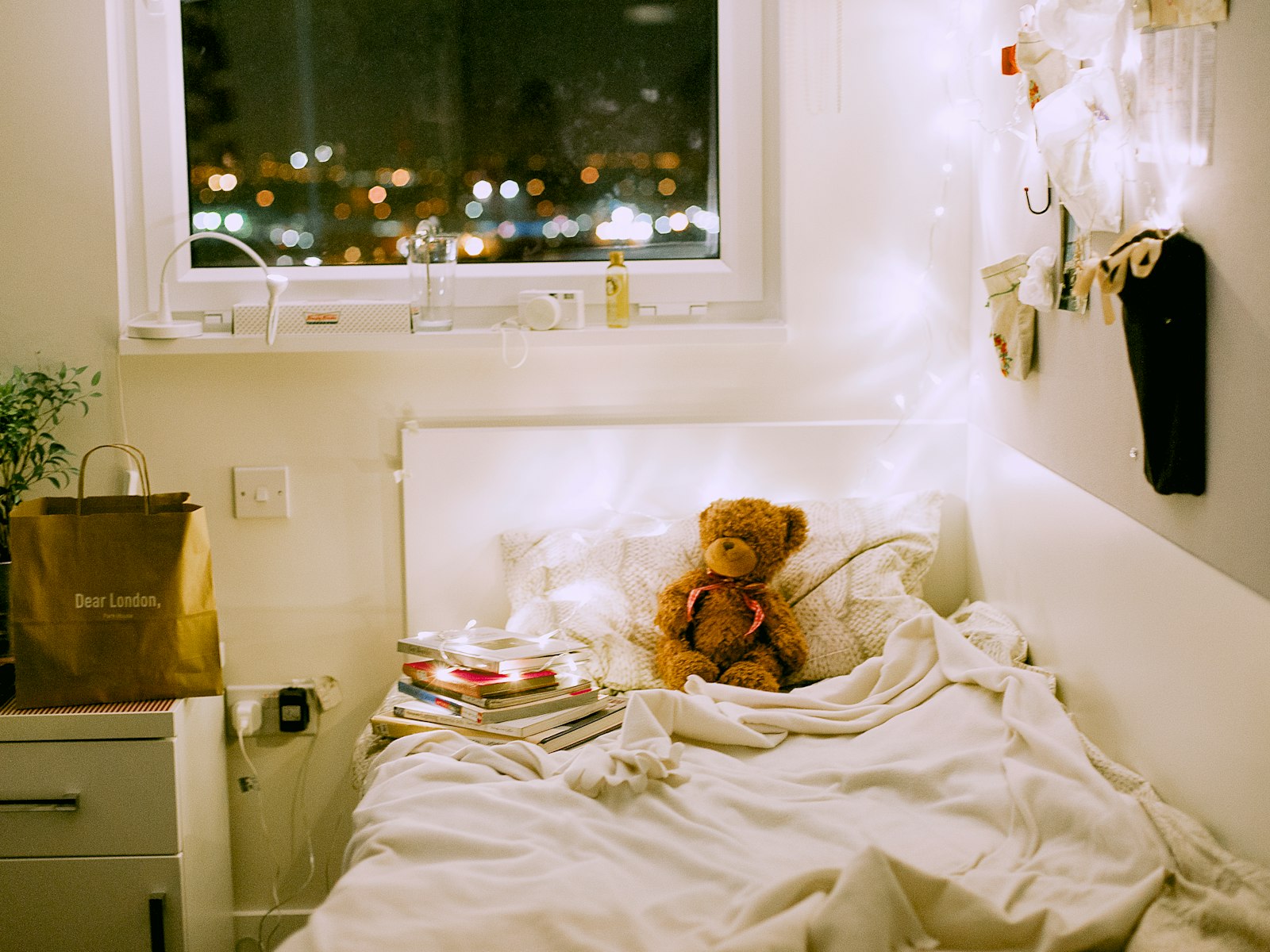
Convertible cribs: the long-game option
If you bought a convertible crib from the beginning and have the conversion rail, this is often the most financially sensible nursery-to-toddler transition. Convertible cribs typically cost $150 to $500 or more for the furniture, and the transition is as simple as removing one side panel and adding the manufacturer’s toddler rail. That rail fit matters: use only the manufacturer’s own conversion hardware, since aftermarket rails can create dangerous gaps. The longevity advantage is real. A good convertible crib can span multiple room stages without needing to be replaced, making it one of the smartest investments in this category of convertible toddler furniture. We cover this in more detail in Winter Bedroom Decor: 4 Layers for the Coziest Room in the House.
When guardrails matter on a raised bed
If you choose a slightly elevated toddler bed, the mattress surface must sit below the top of the guardrail so a sleeping child can’t roll over it. Keep both sides protected, especially in the early weeks of the transition. One firm rule applies regardless of bed style: bunk beds and high-profile frames are not appropriate for children under age six. The fall risk is simply too significant for a child who is still developing spatial awareness and nighttime self-control.
Safety-first toddler room ideas: proofing before furniture moves in
Safety setup is the step most parents skip because it doesn’t photograph well and doesn’t feel creative. But a beautifully styled room with an unsecured dresser or exposed blind cord is a room waiting for an accident. Handle this before you arrange a single piece of furniture. A reader favorite for this is the Furniture Anchors (10 Pack).
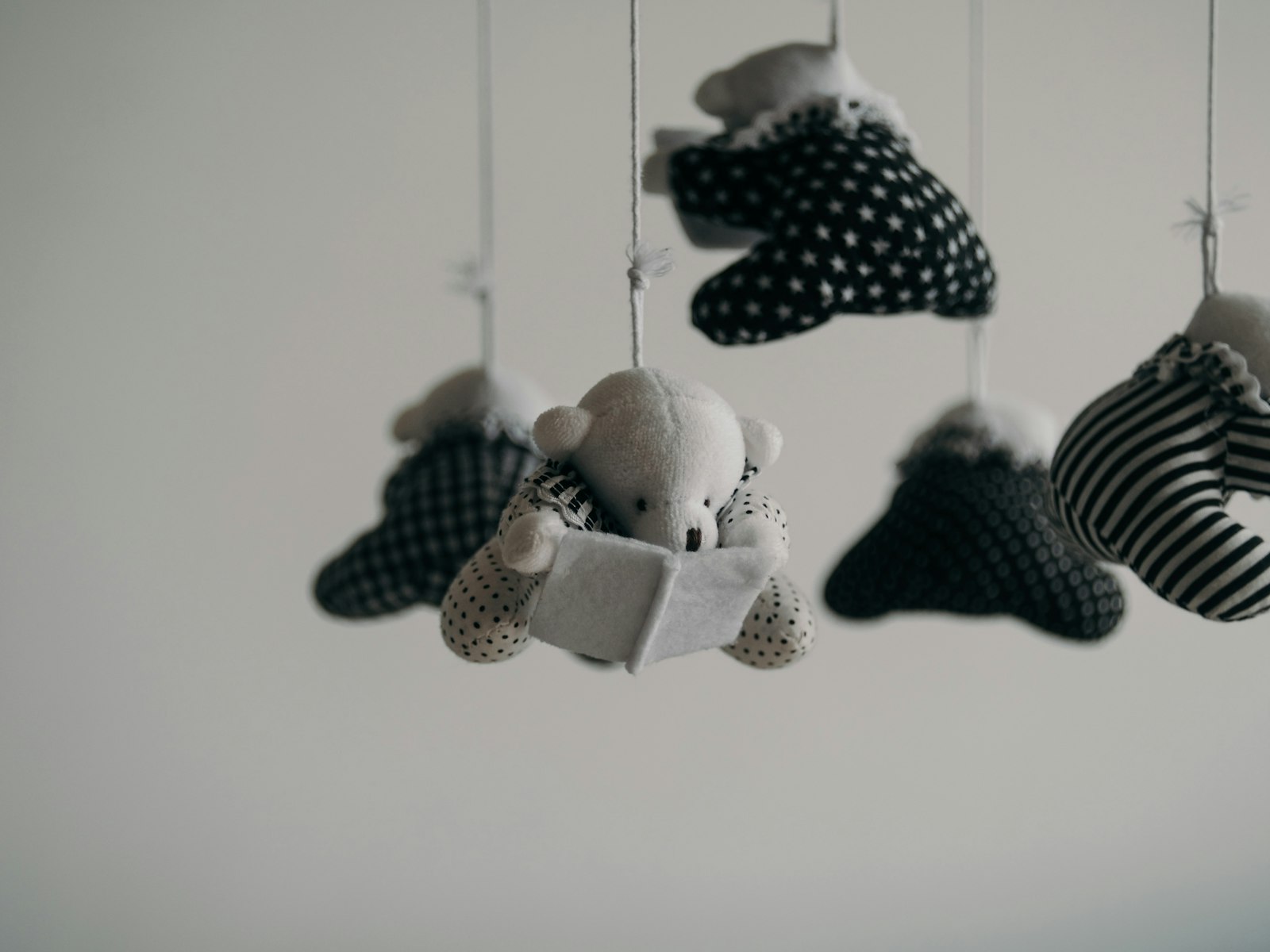
The four highest-priority safety fixes
These are not optional extras. They’re the foundation of a functional toddler room design:
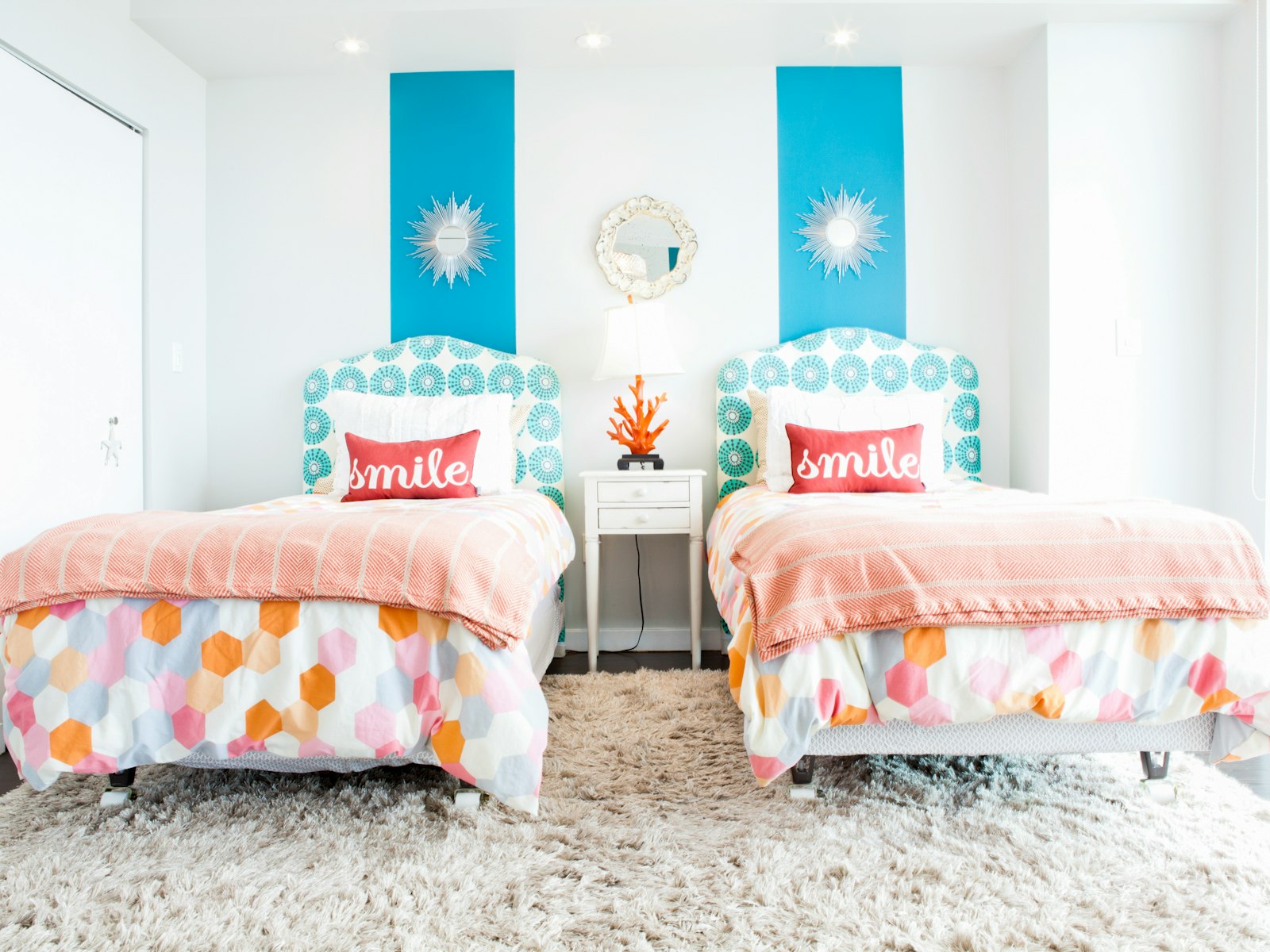
- Windows: Install window guards or stops so the window can’t open wide enough for a child to fall through. Keep furniture pushed away from windows, and never rely on screens as fall protection. They’re not designed to hold a child’s weight.
- Cords: Switch to cordless window coverings, specifically cordless cellular shades, cordless roller shades, or motorized options, which are the safest choices according to CPSC guidance. If you already have corded blinds, add cord shorteners or cord wraps as an immediate fix and replace them as budget allows.
- Outlets: Use tamper-resistant outlet covers or plates on every unused outlet in the room. Loose plastic caps are less reliable since toddlers can remove them. Tamper-resistant plates are the more secure option.
- Furniture: Anchor every dresser, bookcase, and wall-mounted TV with anti-tip straps secured to wall studs. Consumer Reports testing found the Simple Mount Furniture Anti-Tip Kit and QuakeHOLD! Furniture Securing Straps performed well on wood studs. Use two anchors per large piece when possible.
Layout habits that reduce everyday risk
Furniture placement is a safety decision, not just a design one. Keep climbable surfaces clear of anything that would reward a child for scaling them. Store heavy items on lower shelves so the center of gravity stays stable. Add drawer stops to any dresser with deep drawers that could function as a step ladder for an enterprising three-year-old. These habits cost nothing but a few minutes of thought at setup time. If you are shopping for this, the Regalo Swing Down Bed Rail is a well-reviewed option.
Shop the look: Toddler bed and safety
 Regalo Swing Down Bed RailLow to the floor with rails on both sidesCheck price on Amazon →
 Furniture Anchors (10 Pack)Anchors dressers and shelves to the wallCheck price on Amazon →
 Power Gear Outlet CoversCovers every outlet in secondsCheck price on Amazon →
 AOSKY Cordless Blackout ShadesDarkens the room with no cords to pullCheck price on Amazon →
As an Amazon Associate we earn from qualifying purchases. Prices and ratings change, so check Amazon for today’s details.
Kids room storage solutions a toddler can actually use
Toddler room storage only works if the child can access it independently. A toy chest with a heavy lid that requires adult help to open is not a storage solution for a toddler; it’s furniture for the parent. The best setups make cleanup something a child can handle without being asked twice. You might also like Tween Bedroom Design Ideas That Feel Grown-Up.
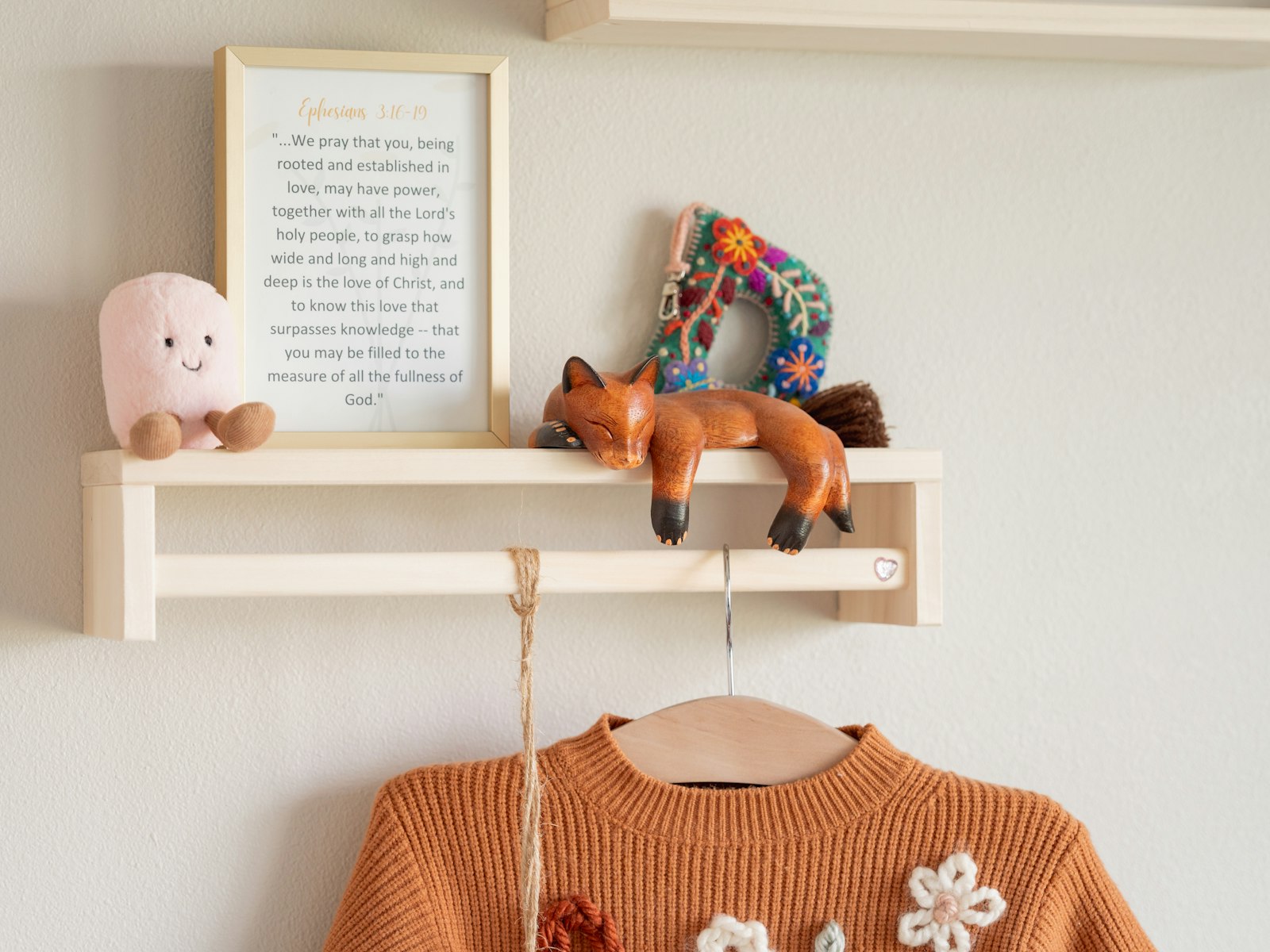
Low shelves and labeled bins for toys and books
Open cubbies at toddler height tend to outperform tall toy chests for daily use in most home setups because kids can see what they have and put things back without help. Soft-edged bins with rounded corners and no sharp hardware, labeled by category, are the simplest organizing system that actually holds up to daily toddler use. For small toddler room ideas where floor space is limited, vertical wall-mounted shelves preserve square footage without sacrificing storage. Budget-friendly options are widely available: IKEA’s FLISAT wall storage runs around $20, TROFAST modular systems come in under $100 for smaller configurations, and Target and Walmart both carry cube organizers and low shelving units in the $50 to $90 range. One option worth a look is the Humble Crew Kids Bookshelf.
Dressers and closed storage for clothes and clutter
A chest of drawers handles clothing, pajamas, and seasonal items more efficiently than open shelving because it keeps visual clutter off the floor and out of sight. For very small rooms, pair a compact dresser with closet organizers to maximize vertical storage without crowding the layout. The dresser you choose must be anchored to the wall. That step is not optional regardless of how heavy the piece looks on its own. To make this step easy, we like the Humble Crew Toy Organizer.
Shop the look: Toddler storage and play
 Humble Crew Toy OrganizerBins at toddler height for easy cleanupCheck price on Amazon →
 Humble Crew Kids BookshelfCovers face out so they choose booksCheck price on Amazon →
 bemaxx Foam Play MatsSoft landing for floor playCheck price on Amazon →
 Humble Crew Table and Chair SetA spot for crafts and snacksCheck price on Amazon →
As an Amazon Associate we earn from qualifying purchases. Prices and ratings change, so check Amazon for today’s details.
Toddler room decor themes that still look good at age five
The fear most parents have is choosing a dinosaur theme in 2026 and finding their child utterly over it by 2027. That fear is valid, but the solution isn’t to avoid themes altogether. It’s to build on a neutral base and layer personality through pieces that are cheap and easy to swap.
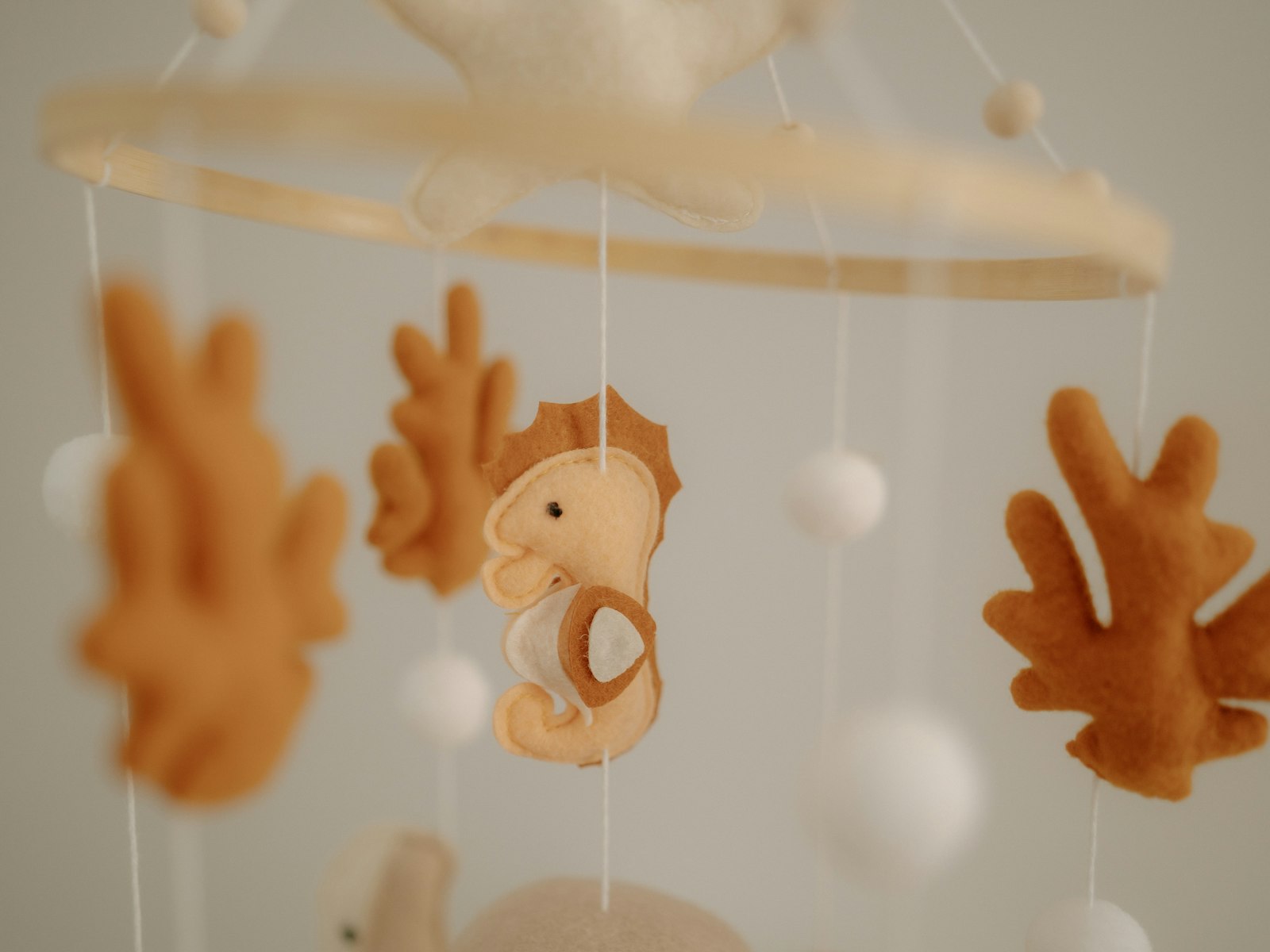
The best themes for longevity in 2026
The strongest-performing toddler bedroom ideas right now are built around mood rather than a specific character or show. Four themes are pulling ahead of the pack this year:
- Woodland and forest in sage, cream, and warm brown reads as timeless because the palette is essentially grown-up.
- Botanical meadow in soft green, oat, and blush feels fresh without being trend-specific.
- Modern celestial and space in dusty blue, cream, and warm gold carries enough visual sophistication to age well into the elementary years.
- Safari-neutral in sand, taupe, olive, and clay has been a consistent performer across multiple design cycles because the palette is inherently versatile.
All four succeed because they’re built on earthy neutrals that look intentional rather than juvenile. If you want to go further, read Nursery Decor Ideas to Inspire Your Baby’s Perfect Room.
How to add personality without redecorating every two years
Paint the walls in a warm neutral: warm white, soft greige, or a muted sage. Then invest the theme budget in bedding, removable wall decals, and a few pieces of art. When your child moves from woodland animals to outer space, the swap costs around $50 in new bedding and a fresh set of decals rather than a full room repaint. This “neutral bones, swappable accents” approach is the single most budget-efficient decision you can make at the toddler stage, because the room will shift again in two or three years regardless of what you choose today.
Pulling the whole room together on a real budget
A well-designed toddler room doesn’t require spending on everything at once, and it doesn’t require hitting a specific dollar total. The average nursery-to-toddler transition runs anywhere from $500 for a light refresh to $1,200 to $3,500 for a full redesign. Knowing where to concentrate that budget makes the difference between a room that holds up and one that needs to be redone in a year. Related: Nursery Design Ideas and Planning Tips for New Parents.
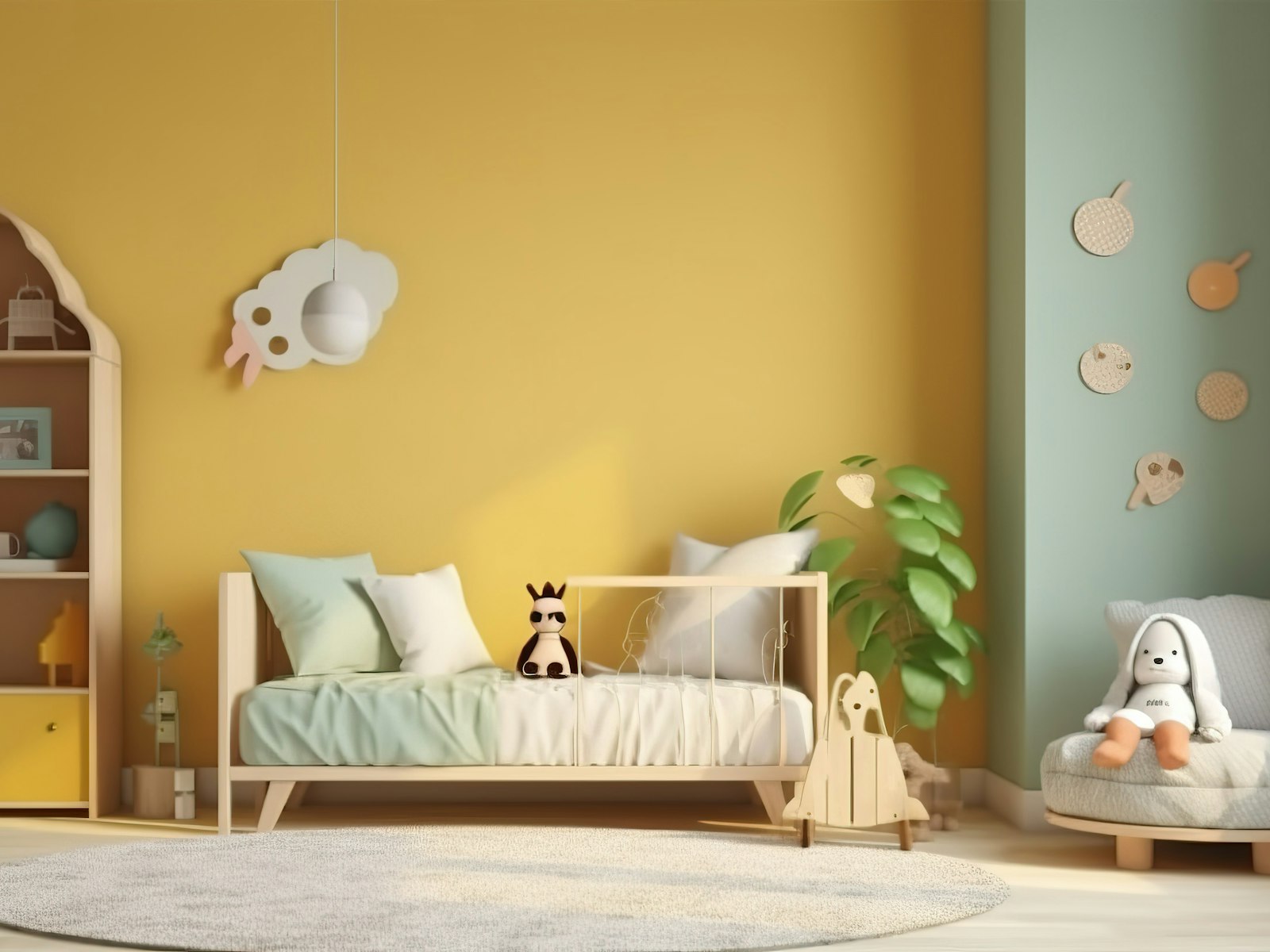
Worth the splurge vs. where to save smartly
Spend more on the mattress, the bed frame (especially if you’re buying a convertible), and the furniture anti-tip hardware. These items directly affect safety and durability, and the savings from skimping aren’t worth the tradeoff. Save on decor accents, storage bins, bedding, and wall art. These categories have excellent options at every price point, and they’re the items most likely to change as your child grows. Buying a $15 set of wall decals instead of a $150 mural is smart when the theme may shift entirely in 18 months.
A simple toddler-proofing checklist before you shop
Before ordering anything, walk the room and confirm each item on this list:
- Bed height decided and mattress firmness confirmed
- Safety products sourced and installed (anchors, outlet covers, cordless blinds, window stops)
- Storage spots mapped to the room layout
- Theme direction confirmed with a neutral paint choice
- Decor accents identified as swappable rather than permanent
A clear plan prevents the impulse purchases that don’t work together and the “I’ll figure it out later” gaps that make a room feel unfinished for months. The goal is a cohesive setup from the start, not a collection of individual items that slowly accumulate. A reader favorite for this is the Touch Bedside LED Lamp.
Shop the look: Cozy toddler touches
 Touch Bedside LED LampGentle glow for bedtimeCheck price on Amazon →
 Toddler Bed Canopy TentA cozy reading hideoutCheck price on Amazon →
 Zonon Boho Wall DecalsEasy theme you can change laterCheck price on Amazon →
 OLANLY Washable Area RugSoft underfoot and washableCheck price on Amazon →
As an Amazon Associate we earn from qualifying purchases. Prices and ratings change, so check Amazon for today’s details.
Shopping list
- Regalo Swing Down Bed Rail — low to the floor with rails on both sides
- Furniture Anchors (10 Pack) — anchors dressers and shelves to the wall
- Power Gear Outlet Covers — covers every outlet in seconds
- AOSKY Cordless Blackout Shades — darkens the room with no cords to pull
- Humble Crew Toy Organizer — bins at toddler height for easy cleanup
- Humble Crew Kids Bookshelf — covers face out so they choose books
- bemaxx Foam Play Mats — soft landing for floor play
- Humble Crew Table and Chair Set — a spot for crafts and snacks
- Touch Bedside LED Lamp — gentle glow for bedtime
- Toddler Bed Canopy Tent — a cozy reading hideout
- Zonon Boho Wall Decals — easy theme you can change later
- OLANLY Washable Area Rug — soft underfoot and washable
Prices and availability change. Links open on Amazon.
Keep reading: Kids Bedroom Decor Ideas That Balance Fun and Function · Winter Bedroom Decor: 4 Layers for the Coziest Room in the House · Tween Bedroom Design Ideas That Feel Grown-Up · Nursery Decor Ideas to Inspire Your Baby’s Perfect Room · Nursery Design Ideas and Planning Tips for New Parents
Helpful resources: the CPSC Anchor It! tip-over guidance, the AAP childproofing checklist, the ENERGY STAR light bulb guide.
Frequently Asked Questions
What age should a toddler move to a toddler bed?
Most children move between 18 months and 3 years, usually when they start climbing out of the crib or a new baby needs it. A low bed with rails makes the switch safer.
How do I make a toddler room safe?
Anchor every dresser and bookshelf to the wall, cover outlets, choose cordless window coverings and keep the floor clear of tripping hazards.
What is the best flooring for a toddler room?
A soft, washable rug or foam play mat over hard flooring gives a cushioned surface for play and is easy to clean.
Start with safety, then build the rest around it
A great toddler room doesn’t have to come together all at once. Start with the bed and the safety setup, add storage once those are in place, and let the decor follow. The goal on day one isn’t a picture-perfect room; it’s a space that keeps your child safe, supports the independence they’re starting to develop, and doesn’t require a complete overhaul every season.
This toddler stage is one chapter in a longer room evolution. The same space will shift again when your child starts school, and again as they move toward the tween years. Each transition has its own set of decisions about what to keep, what to swap, and how to make the room work for where the child actually is. The kids bedroom content series at Aesthetic Nest Decor covers every one of those stages in the same practical, one-stage-at-a-time format you’ve read here.
Bookmark these toddler room ideas and come back when the next transition arrives. The next guide in the series, covering big-kid room transitions, is already live and ready when you need it.
Save This for Later
Pin this image to your Pinterest board so it is ready when you need it.