

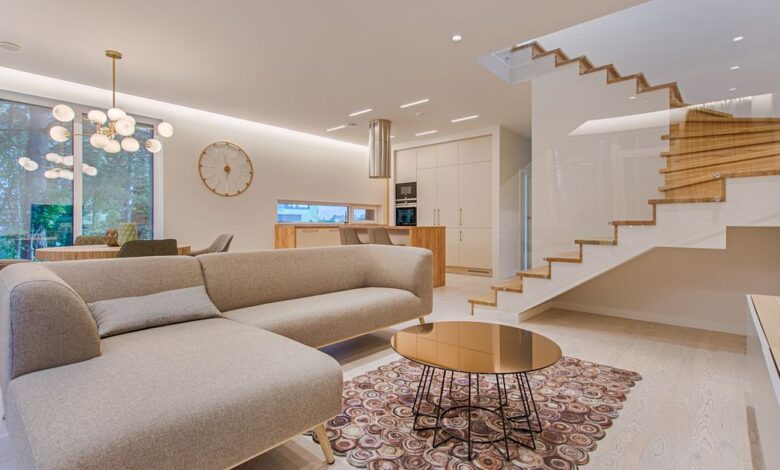
Aesthetic Living Room Ideas: What Makes a Space Truly Stand Out?
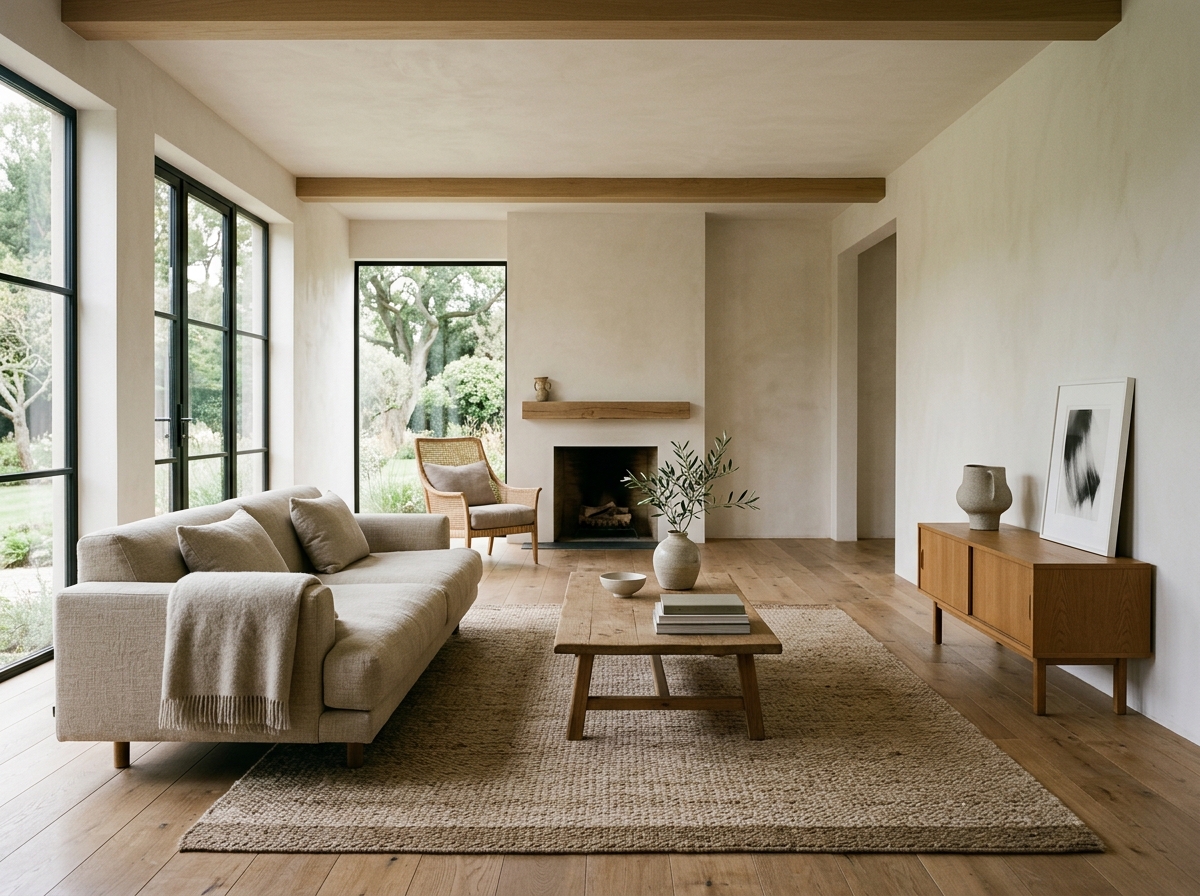
Start With a Clear Aesthetic Direction
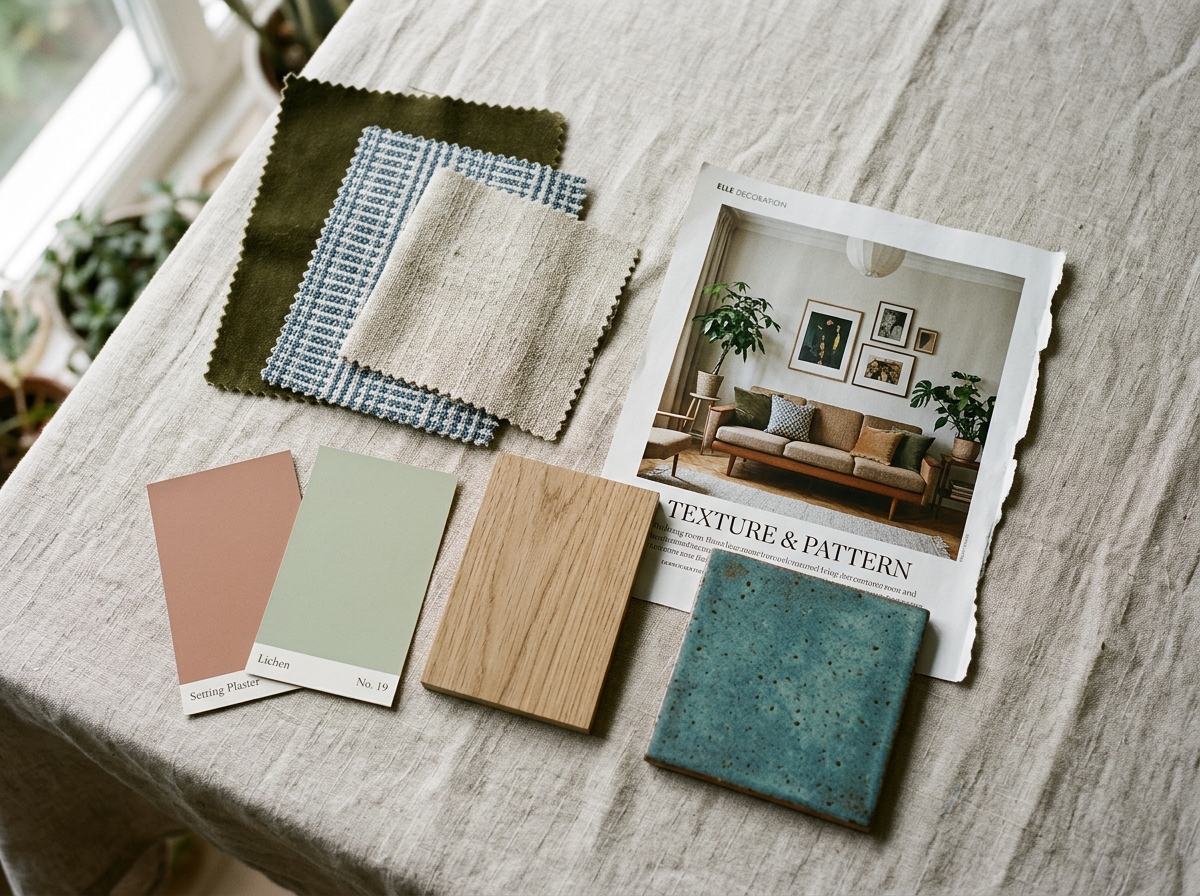
The Sofa: Getting the Foundation Right
Your sofa sets the tone for the entire living room. Choose one in a fabric and color that aligns with your aesthetic direction, and make sure it’s appropriately scaled for your space — a sofa that’s too large crowds the room, one that’s too small looks lost. For an aesthetic living room, avoid trendy sofa shapes you’ll regret in three years. Instead, invest in classic forms — a clean-lined track arm, a slight English roll arm, or a tailored shelter arm — in enduring fabrics. Linen and linen-blend upholstery has become dominant in aesthetic interiors for good reason: it’s naturally textural, photogenic, age beautifully, and reads as both casual and sophisticated.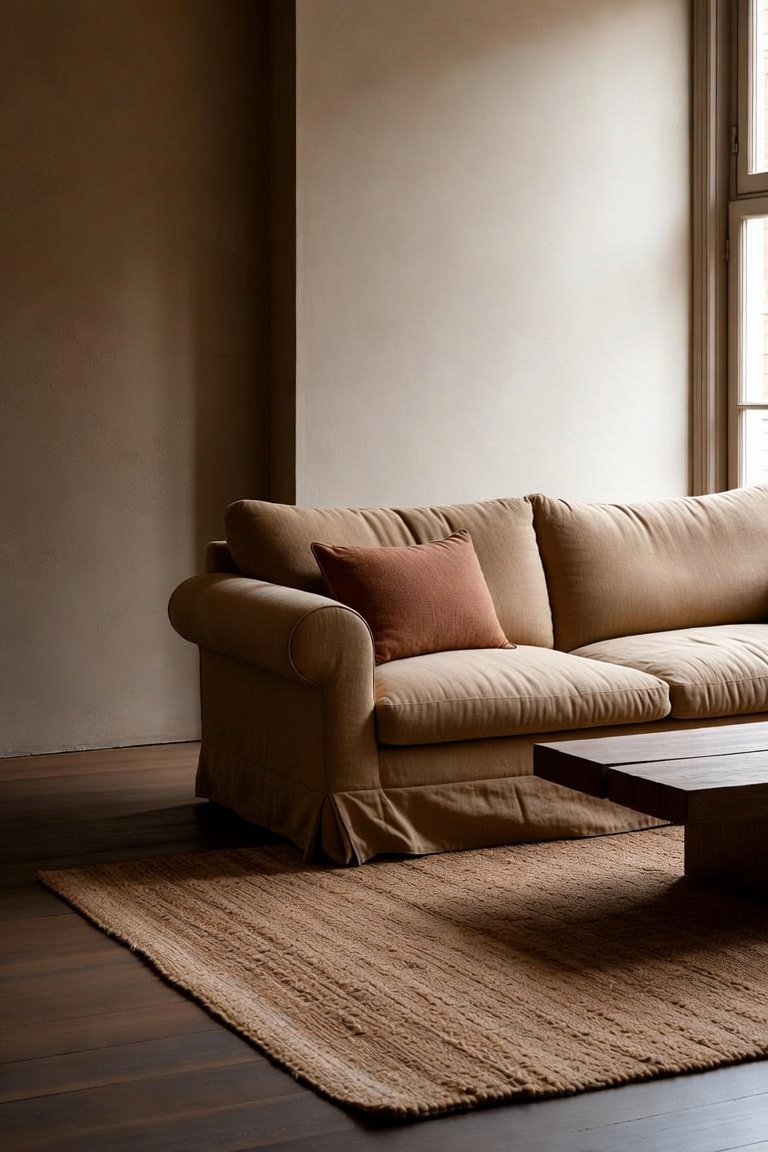
Want the shortcut?
A well-placed mirror does more than almost anything else here — our living room mirror ideas cover exactly where to hang one. See also: bathroom.
If pets share the space, our pet-friendly furniture guide covers what actually survives them.
As an Amazon Associate I earn from qualifying purchases. Some links in this post are affiliate links, at no extra cost to you.
Browse current options and prices.
Check price on Amazon →Layer Textiles for Warmth and Depth
Textiles are the fastest and most affordable way to transform any living room. An aesthetic living room is typically heavily textured — multiple fabrics, patterns, and weights layered together in a way that feels rich and considered rather than busy. Start with a rug that anchors your seating area (large enough for all front furniture legs to sit on it). Add throw pillows that mix one or two patterns with coordinating solids, vary sizes (18″, 20″, and 22″ squares plus a lumbar or two), and bring in different textures — a boucle pillow next to a linen one next to a velvet one. Layer one or two throws over the sofa arm or a basket nearby. Every layer adds warmth, dimension, and the lived-in quality that makes a room feel genuinely welcoming.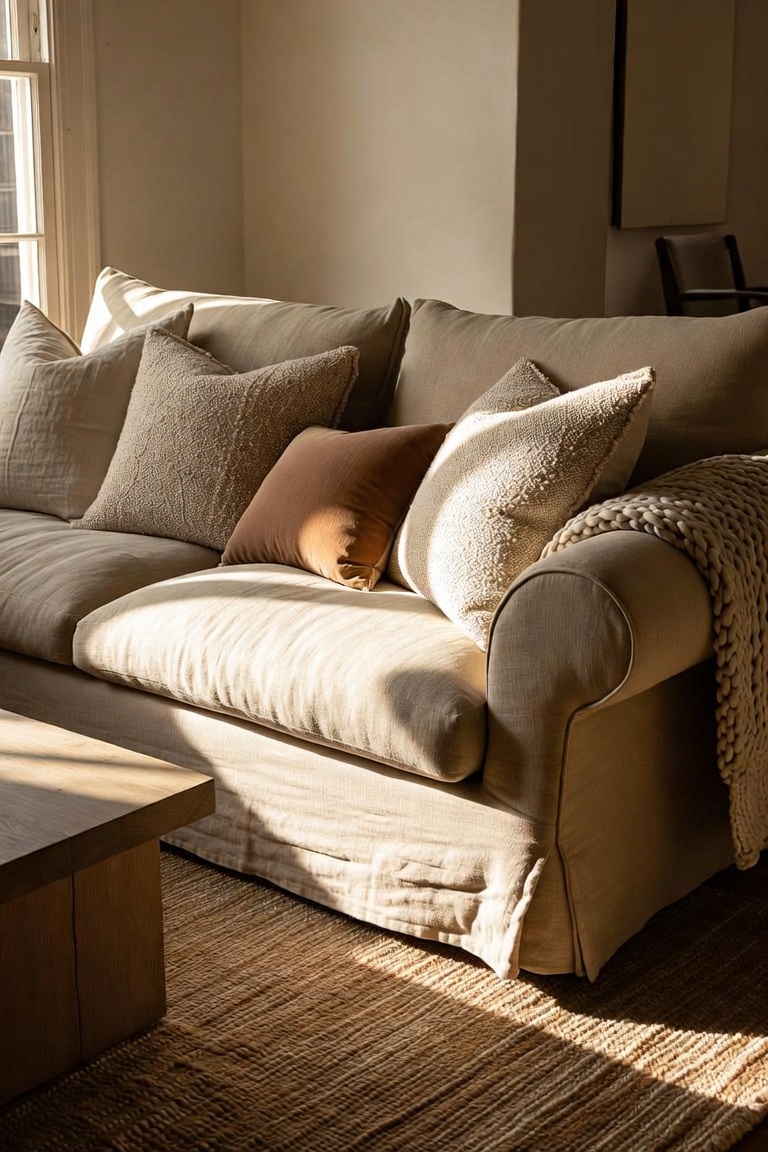
Aesthetic Living Room Color Ideas
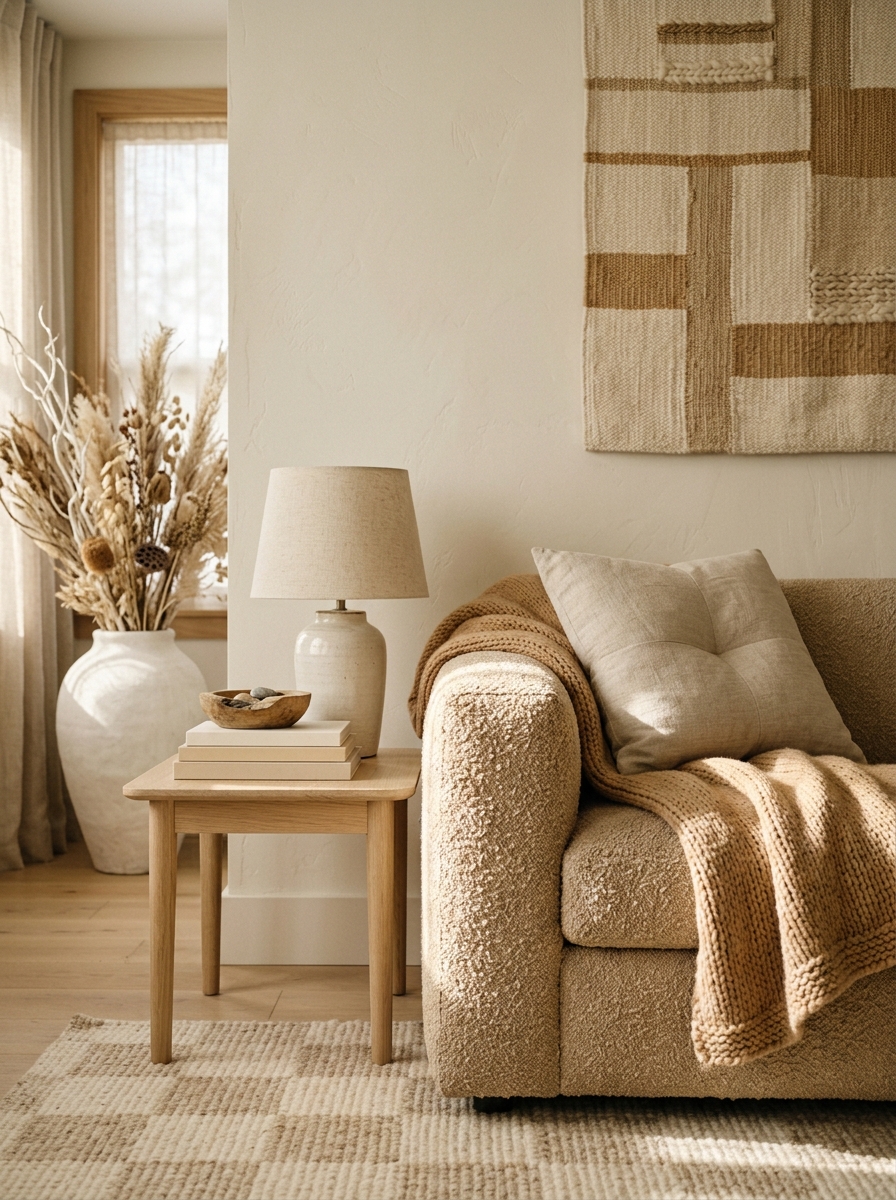
Warm Neutral Palette
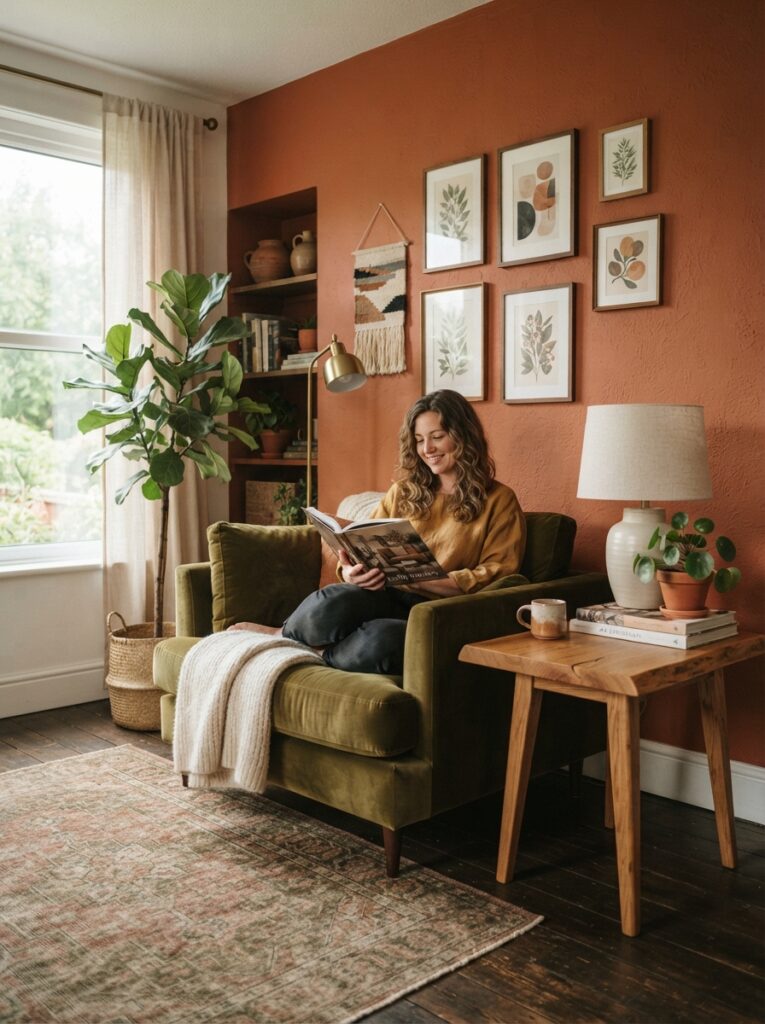
Earthy and Saturated
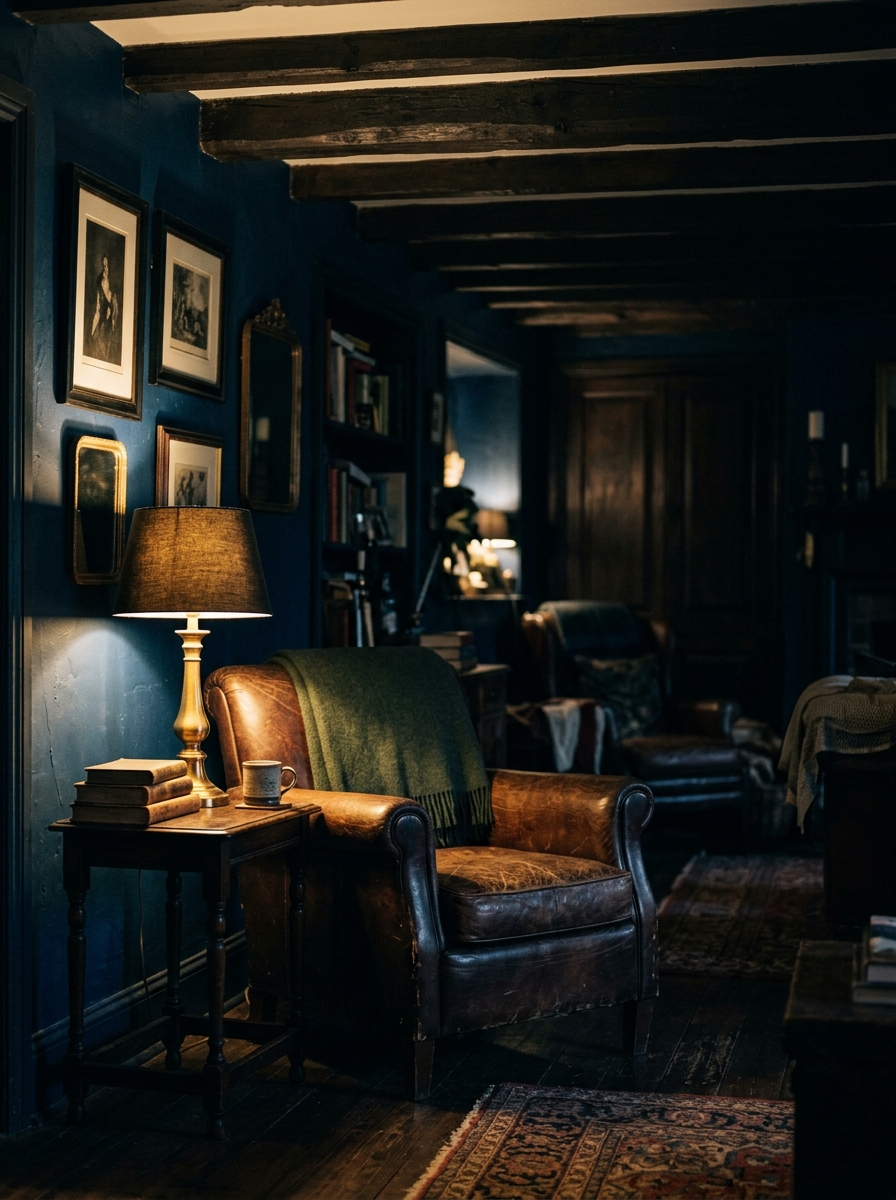
Moody and Dark
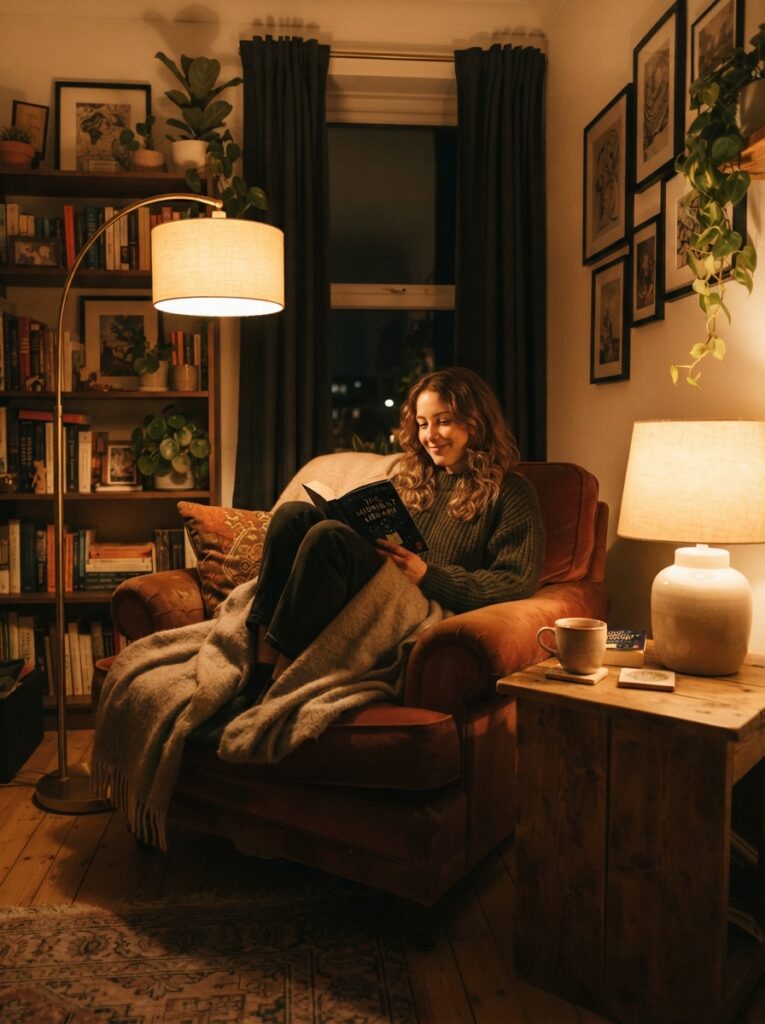
Lighting: The Most Underused Aesthetic Tool
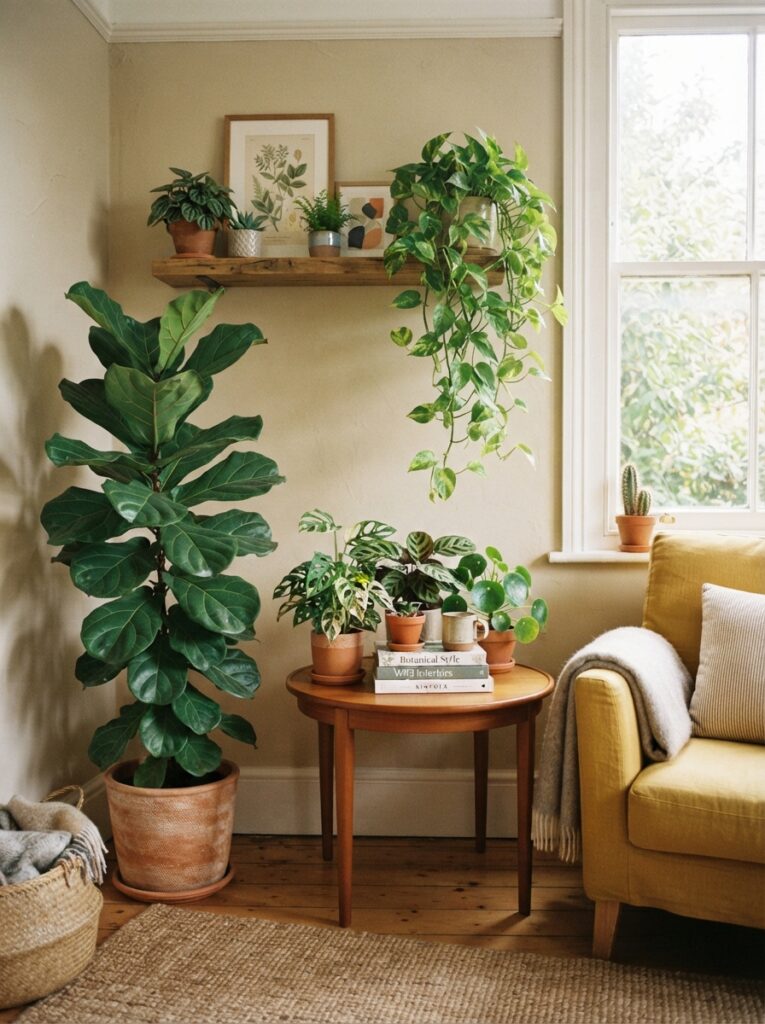
Plants: Making Any Space Feel More Alive
Aesthetic Living Room Ideas: The Styling Details
An aesthetic living room earns its look in the details. A coffee table styled with a stack of oversized books, a small sculptural object, a candle, and a small plant or vase of dried flowers. Art chosen for how it makes you feel rather than how it photographs. A bookshelf where the books are arranged thoughtfully — by color, by size, mixed with objects and plants. A vintage piece or two that adds soul and uniqueness. Curtains hung high and wide that make your windows look twice as large. These details, taken together, are what separate a beautiful living room from a generic one. For more inspiration, visit House Beautiful.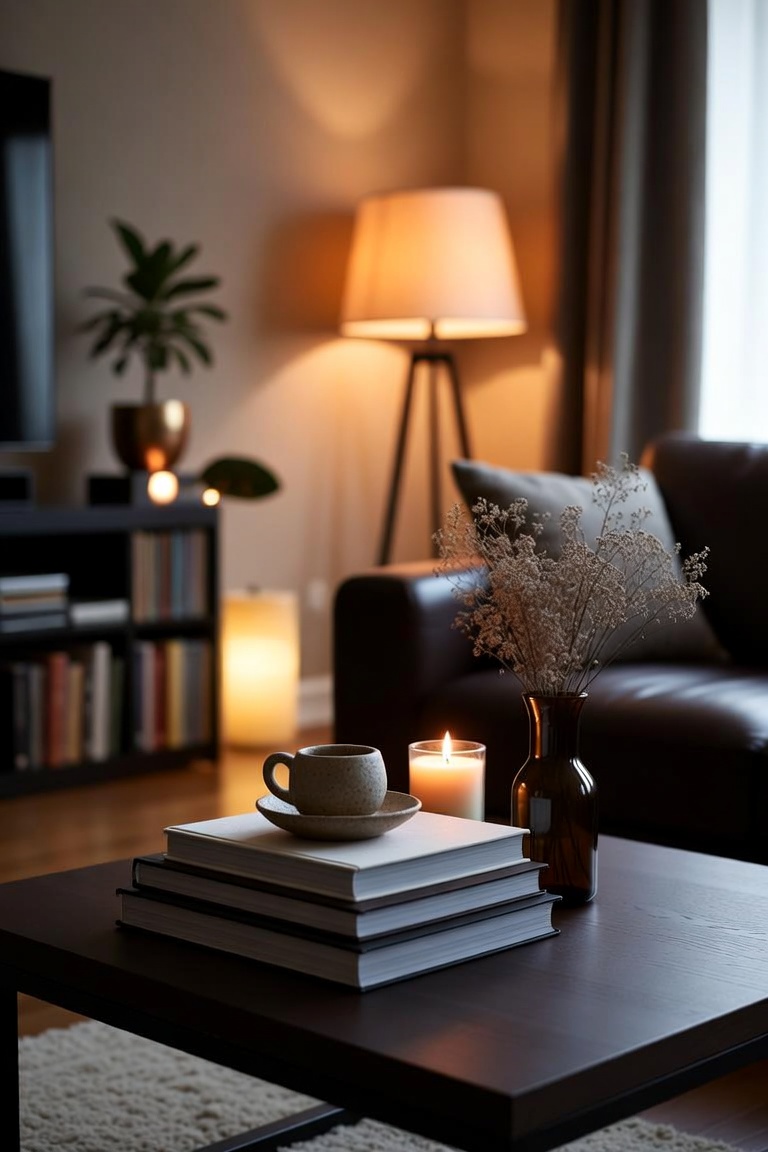
Choosing Wall Art for an Aesthetic Living Room
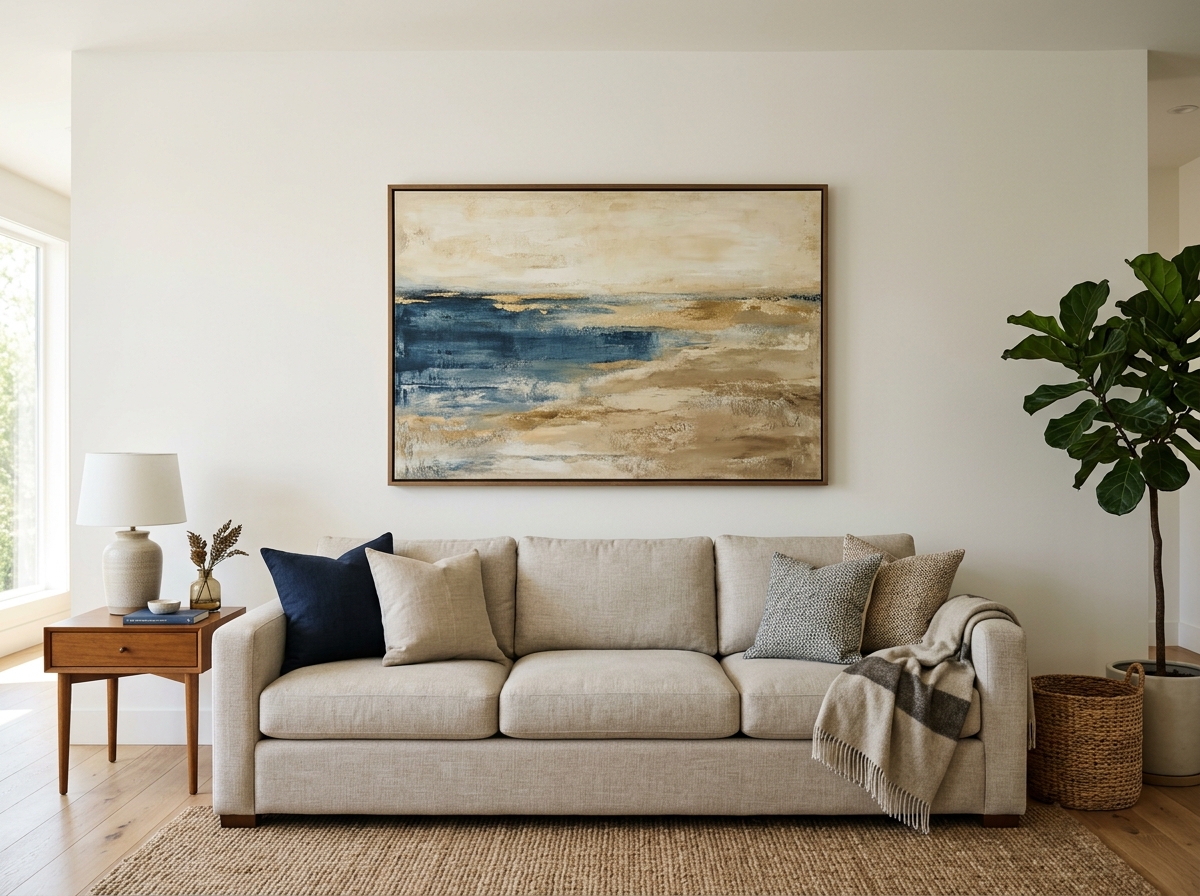
Art is one of the fastest ways to add personality to a living room, but it’s also where a lot of aesthetic spaces fall flat by choosing generic, mass-produced prints that could belong to anyone. Look for pieces that genuinely resonate with you — an abstract print in your color palette, a piece of original art from a local artist, a vintage botanical print, or even a large-format photograph you took yourself. Scale matters enormously here: one large statement piece above the sofa reads far more intentional than several small, disconnected frames scattered around at random heights. Related reading: 15 small bedroom storage ideas that maximize space.
Once the living room is sorted, the bedroom is usually next — we cover that room in detail in 35 aesthetic bedroom ideas. See also: bedroom.
If you’re building a gallery wall instead of a single statement piece, unify the frames (same color, mixed sizes) and leave consistent spacing between them, roughly 2 to 3 inches, so the grouping reads as one cohesive installation rather than a cluttered assortment. Hang art at eye level — roughly 57 inches to the center of the piece — and if it’s above furniture, keep the bottom edge 6 to 8 inches above the sofa or console for the most balanced proportion.
Window Treatments That Elevate the Room
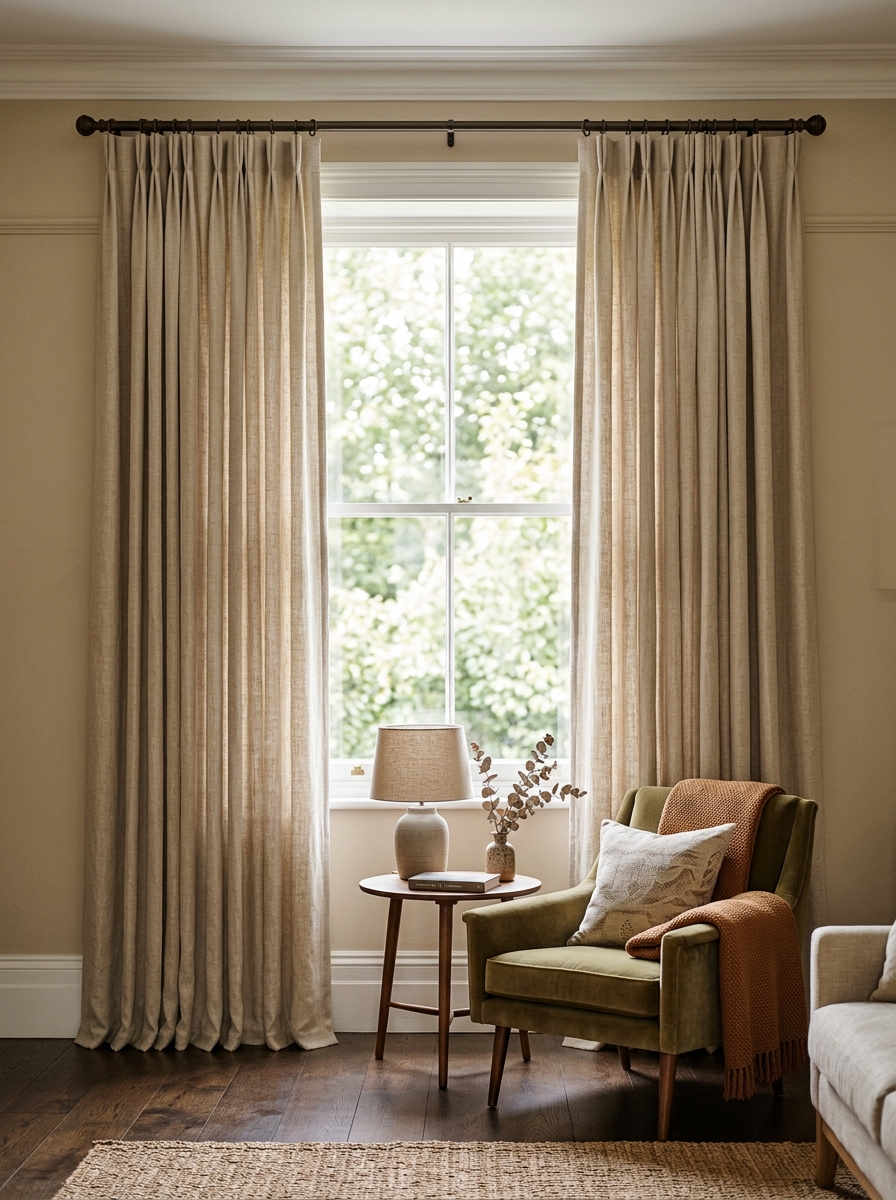
Curtains are one of the most overlooked aesthetic upgrades in a living room. Hanging curtain rods high (close to the ceiling) and wide (extending several inches beyond the window frame on each side) makes windows look taller and the whole room feel more spacious, even without any construction. Linen or linen-blend curtains in a soft neutral or a color that echoes your palette add texture and softness that bare windows or basic blinds simply can’t provide.
For a genuinely finished look, curtains should just kiss the floor or puddle slightly — curtains that stop several inches above the floor read as unfinished or too short. If privacy isn’t a concern, sheer curtains alone can add softness and diffuse light beautifully without blocking your view.
Arranging Furniture for Flow and Conversation
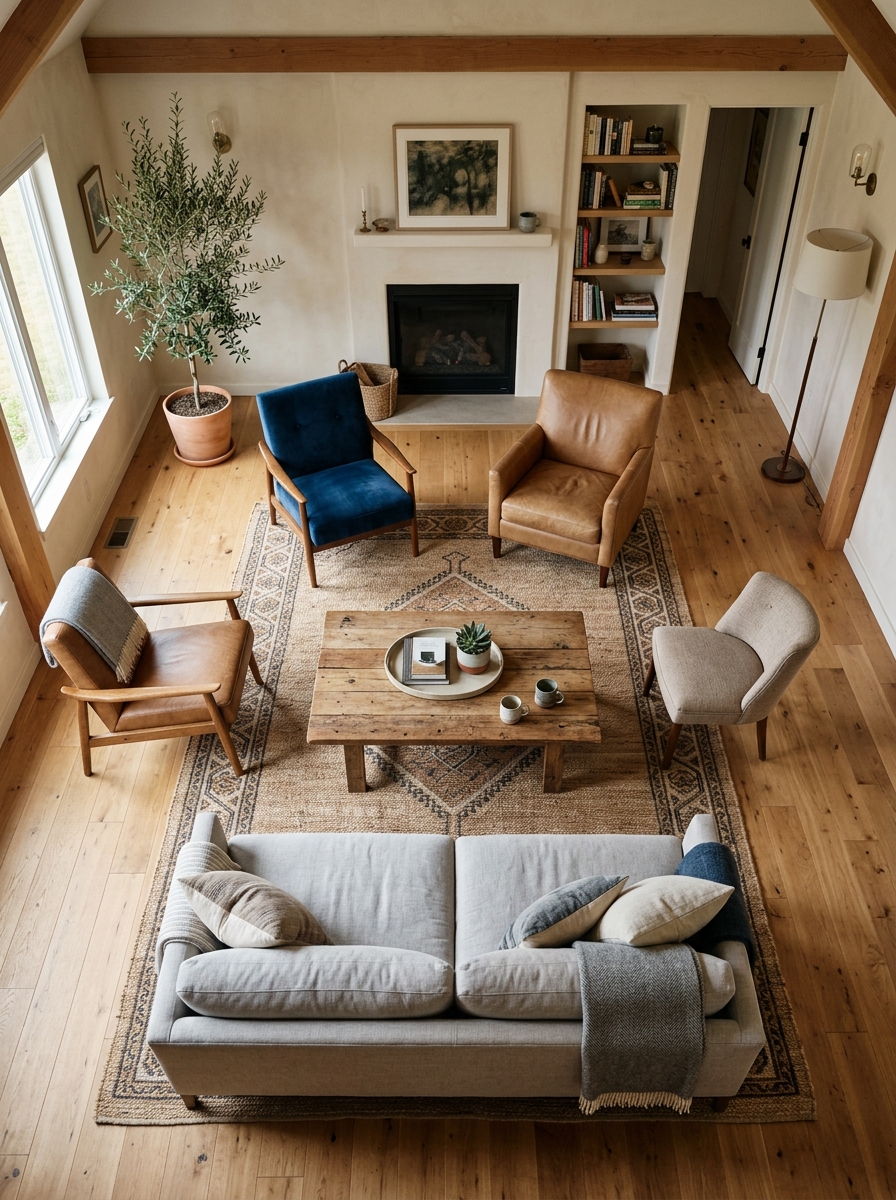
Even the most beautifully chosen pieces will undercut your aesthetic if the layout doesn’t work. Aim for a conversational arrangement where seating faces or angles toward a central point (the coffee table, the fireplace, or simply each other) rather than lining every piece against the walls. Leave at least 30 to 36 inches of clearance in main walking paths so the room feels navigable, and float furniture away from walls when the room allows it — a few inches of breathing room behind a sofa makes a space feel considered rather than pushed into the corners out of necessity.
If your living room needs to serve multiple functions (reading nook, TV viewing, entertaining), use an area rug to visually define each zone, and don’t be afraid of asymmetry — a single statement armchair paired with a two-seat loveseat often reads more interesting and aesthetic than a matched three-piece sectional set.
Mixing Vintage and New Pieces
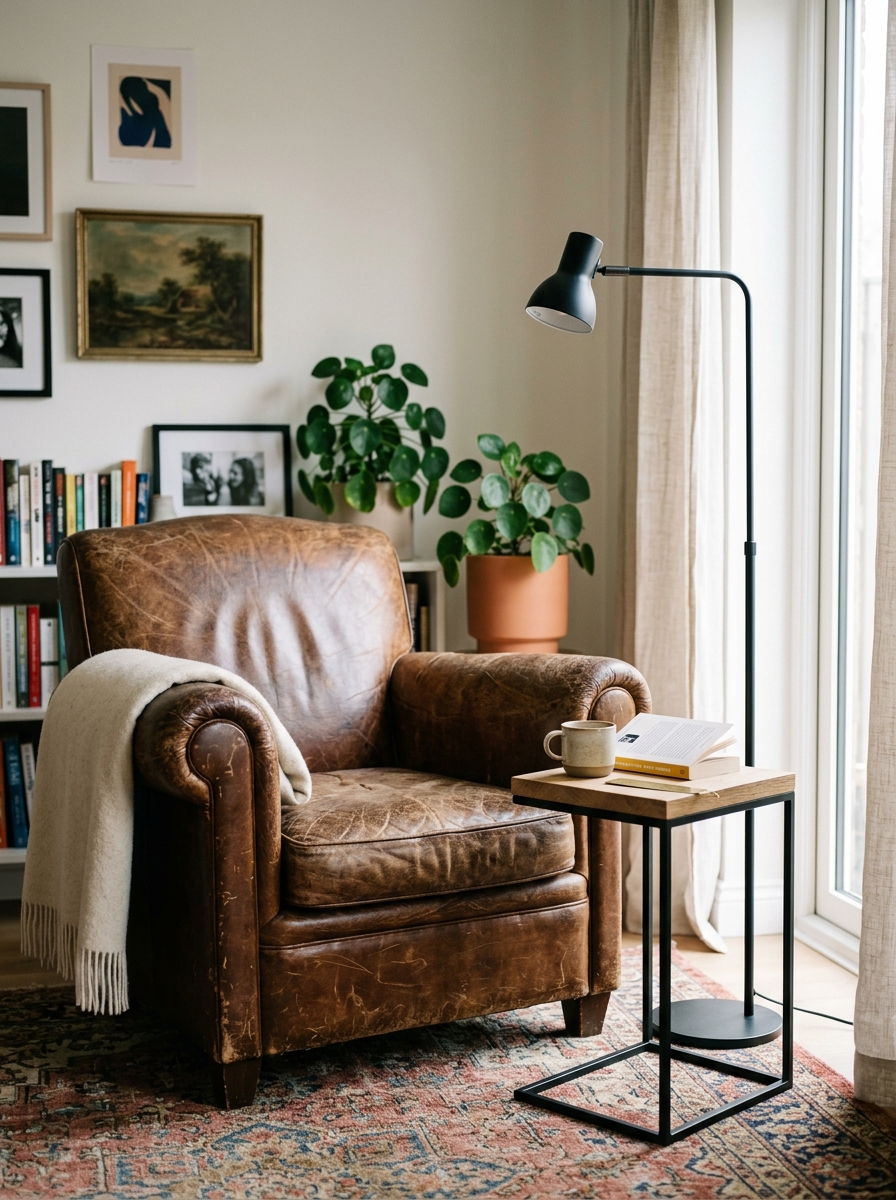
The most genuinely aesthetic living rooms rarely look like a single furniture showroom purchase. Mixing in one or two vintage or secondhand pieces — an antique side table, a worn leather chair, a brass floor lamp with real patina — alongside newer furniture adds a layer of history and uniqueness that brand-new everything can’t replicate. Estate sales, consignment shops, and local marketplace listings are excellent low-cost sources for these anchor pieces.
The key is restraint: one or two vintage statement pieces integrated thoughtfully will always look more intentional than an entire room furnished exclusively from antique shops, which can tip into feeling like a museum rather than a home.
Small Living Room Aesthetic Tips
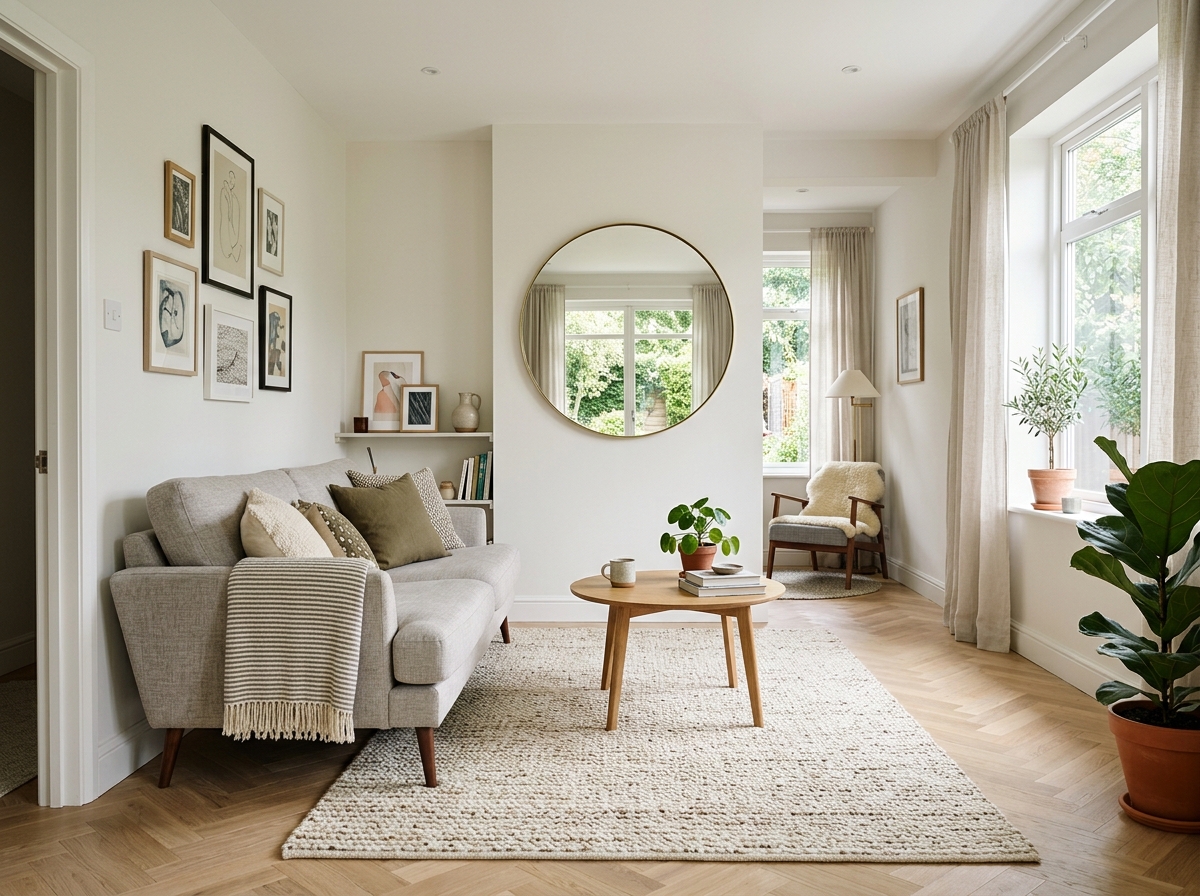
Limited square footage doesn’t mean you have to sacrifice an aesthetic direction — it just means every choice needs to work harder. Choose furniture with visible legs (rather than skirted pieces that touch the floor) to keep sightlines open and the room feeling larger. Mirrors placed opposite a window or light source bounce light around the room and create the illusion of more space. A single large rug rather than a smaller one that floats in the middle of the floor makes the room read as more expansive.
Multi-functional furniture — a storage ottoman that doubles as a coffee table, a console that extends into a desk — lets a small living room stay both stylish and practical without overcrowding the floor plan.
Living Room shopping list
- Area rug — anchors the whole seating group
- Throw pillows — the fastest seasonal change
- Floor lamp — layer three light sources
- Coffee table tray — contains the surface clutter
- Wall mirror — doubles the light
- Storage ottoman — seating and storage
Prices and availability change. Links open on Amazon.
Common Mistakes That Undercut an Aesthetic Living Room
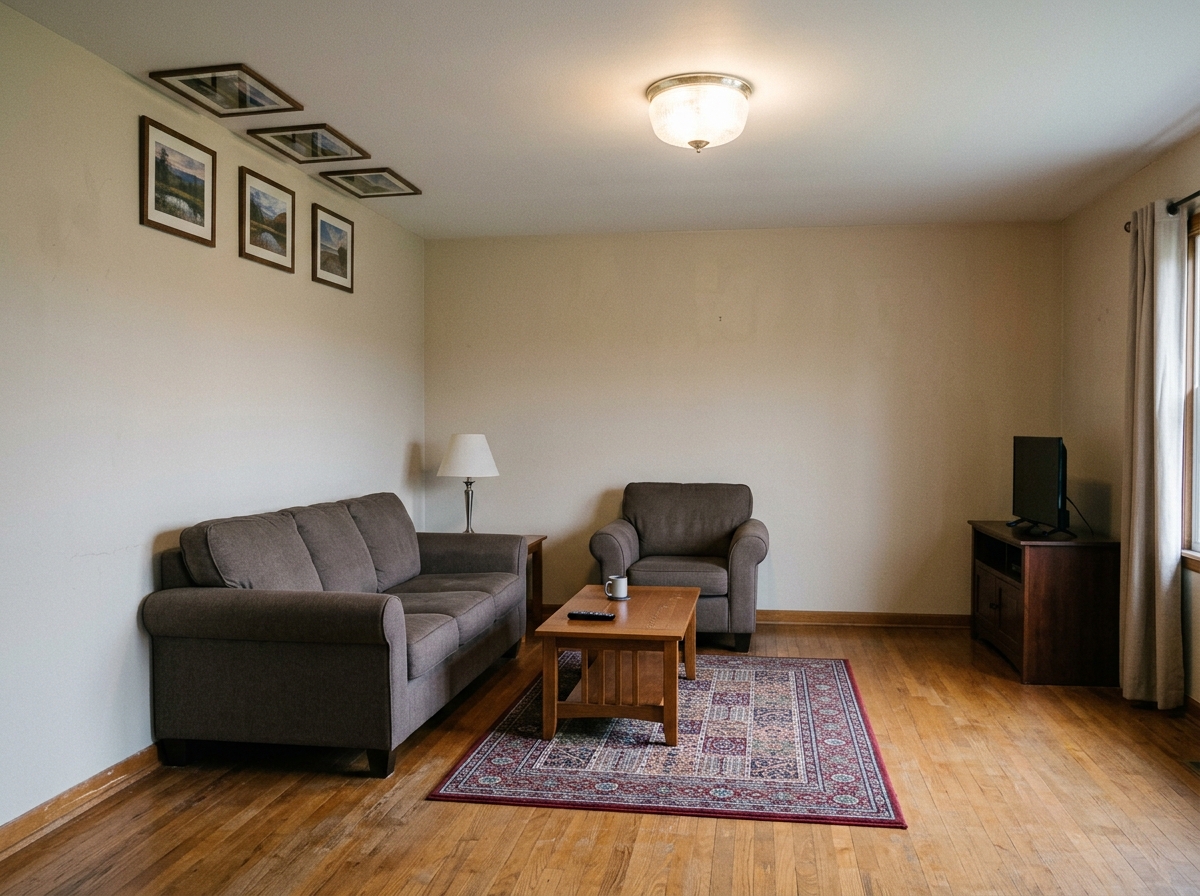
A few habits reliably work against an otherwise well-chosen living room. Buying everything from one matching furniture set removes the layered, collected quality that makes a space feel genuinely lived-in rather than staged. Skipping the rug, or choosing one too small for the seating area, leaves the room feeling visually unanchored no matter how nice the furniture is. Overlooking scale — a tiny coffee table in front of an oversized sectional, or an enormous piece of art in a small room — throws off the proportions that make a space feel intentional. If you want to go further, dining room decor ideas for a space you’ll love covers it in detail.
Perhaps the most common misstep is chasing every new trend rather than building around a genuine, personal aesthetic direction. Trend pieces (a specific colored velvet sofa, a viral accent chair) date quickly, while rooms built around timeless materials and forms with trend pieces layered in through easily swapped textiles and accessories age far more gracefully.
Budget-Friendly Ways to Refresh Your Aesthetic
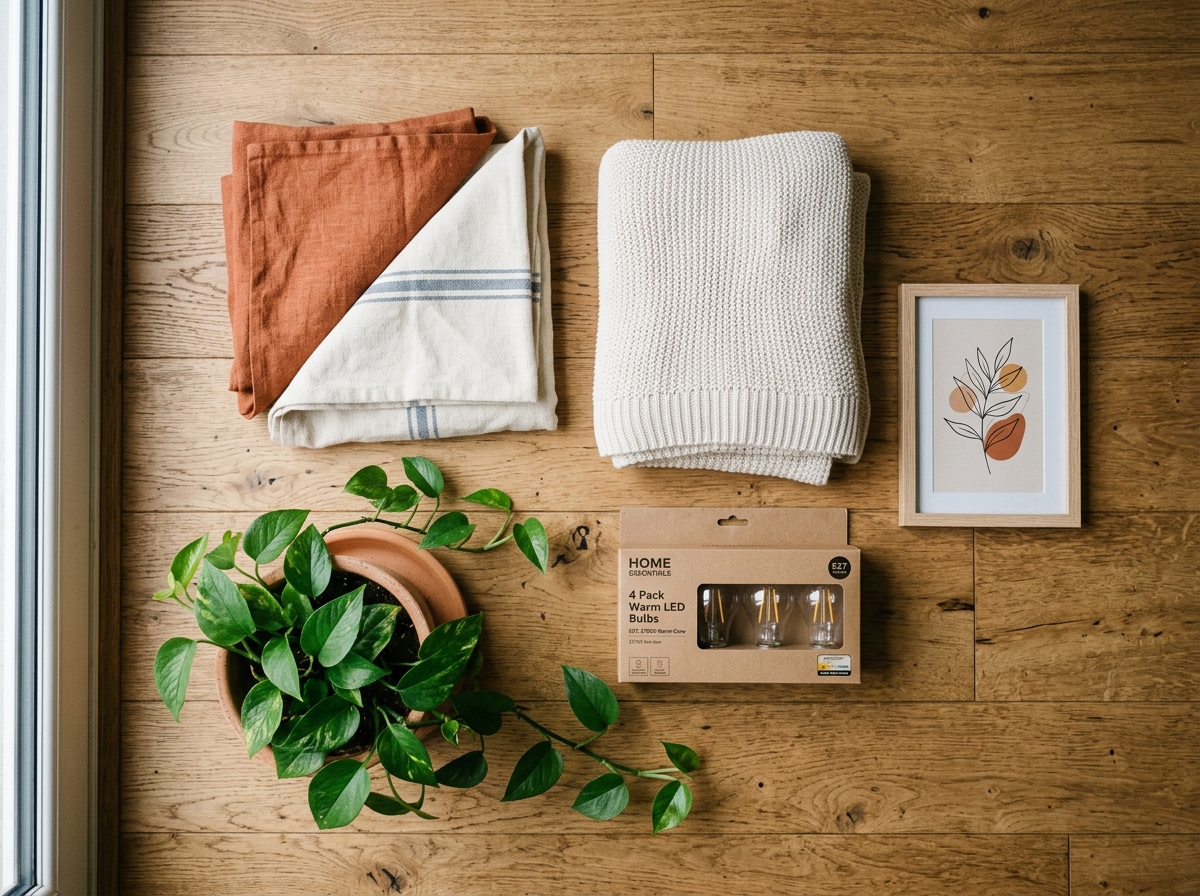
You don’t need a full renovation or new furniture to meaningfully shift your living room’s aesthetic. Swapping throw pillow covers, adding a new rug, changing out lamp shades, or repainting a single accent wall can transform a room’s feel for a fraction of a full redesign’s cost. Rearranging existing furniture into a new layout costs nothing and often reveals a better use of the space than the original arrangement.
Thrifted and secondhand finds, a fresh coat of paint on an existing piece of furniture, and swapping in warmer lightbulbs are all high-impact, low-cost changes that move a living room noticeably closer to a considered, aesthetic space without a significant financial investment.





11 Comments