
Home Decor Trends 2026: What’s In, What’s Out, and What’s Here to Stay

The State of Home Decor in 2026
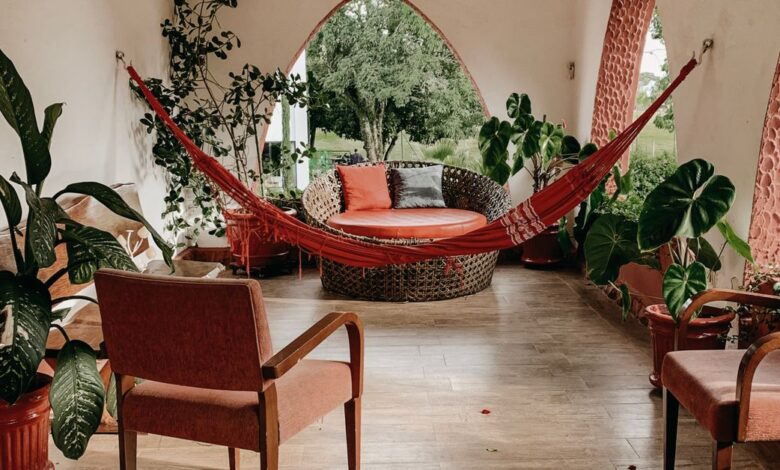
The top home decor trends 2026 offers are all about warmth, intention, and longevity — a welcome shift away from fast furniture and disposable aesthetics. Home decor in 2026 is defined by a collective push against the throwaway trend cycle. After years of fast furniture and disposable aesthetics, the dominant mood is now one of slowness, intention, and longevity. People are buying fewer things but choosing them more carefully. They’re mixing old with new, natural with manufactured, and global influences with deeply personal expression.
As an Amazon Associate I earn from qualifying purchases. Some links in this post are affiliate links, at no extra cost to you.
From warm minimalism to biophilic design and quiet luxury, the biggest home decor trends 2026 has to offer are richer, more personal, and more likely to age well than anything from recent years.
From warm minimalism to biophilic design and quiet luxury, the biggest home decor trends 2026 has to offer are richer, more personal, and more likely to stand the test of time than ever.
That doesn’t mean 2026 is without trends — far from it. But the trends this year tend to be richer, more considered, and more likely to age well than the rapid micro-trends of the last few years. Here’s what’s defining home decor right now.
The Biggest Home Decor Trends 2026 Has to Offer
1. Warm Minimalism
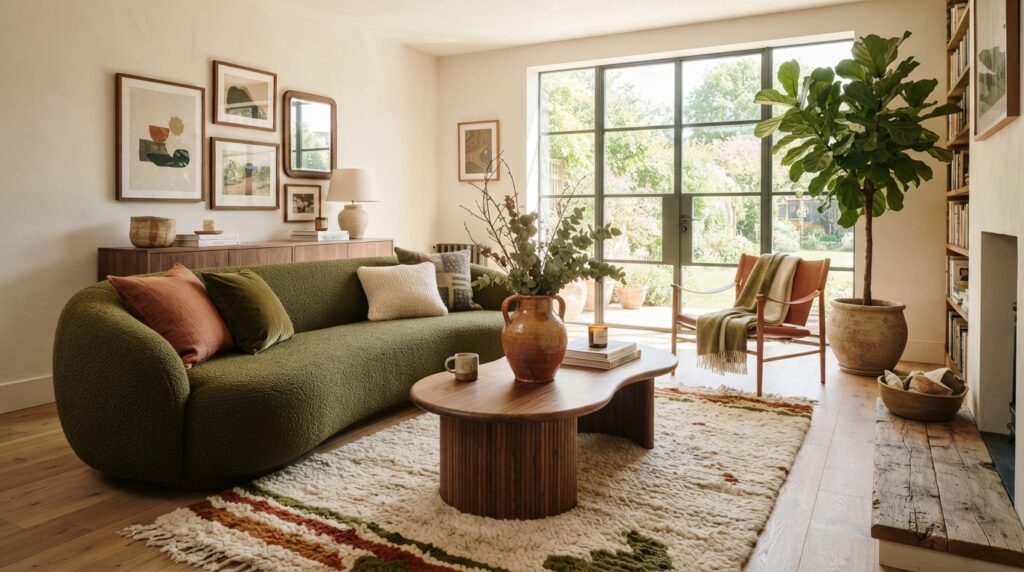
Cold, stark minimalism has given way to what designers are calling “warm minimalism” — the same clean lines and uncluttered spaces, but executed in warm materials. Think natural wood grains, boucle upholstery, linen textiles, warm terracotta tones, and handmade ceramics. The spaces are still edited and intentional, but they feel genuinely inviting rather than austere.
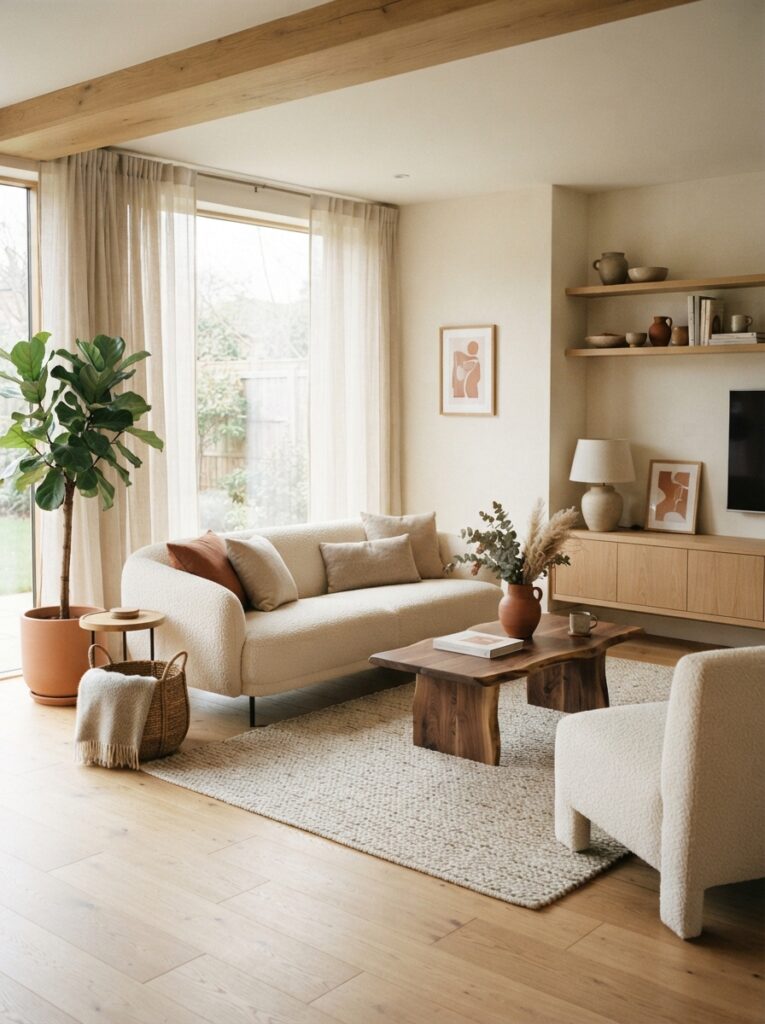
If you’ve loved minimalism but found it too cold or impersonal, warm minimalism is your sweet spot.
2. Biophilic Design
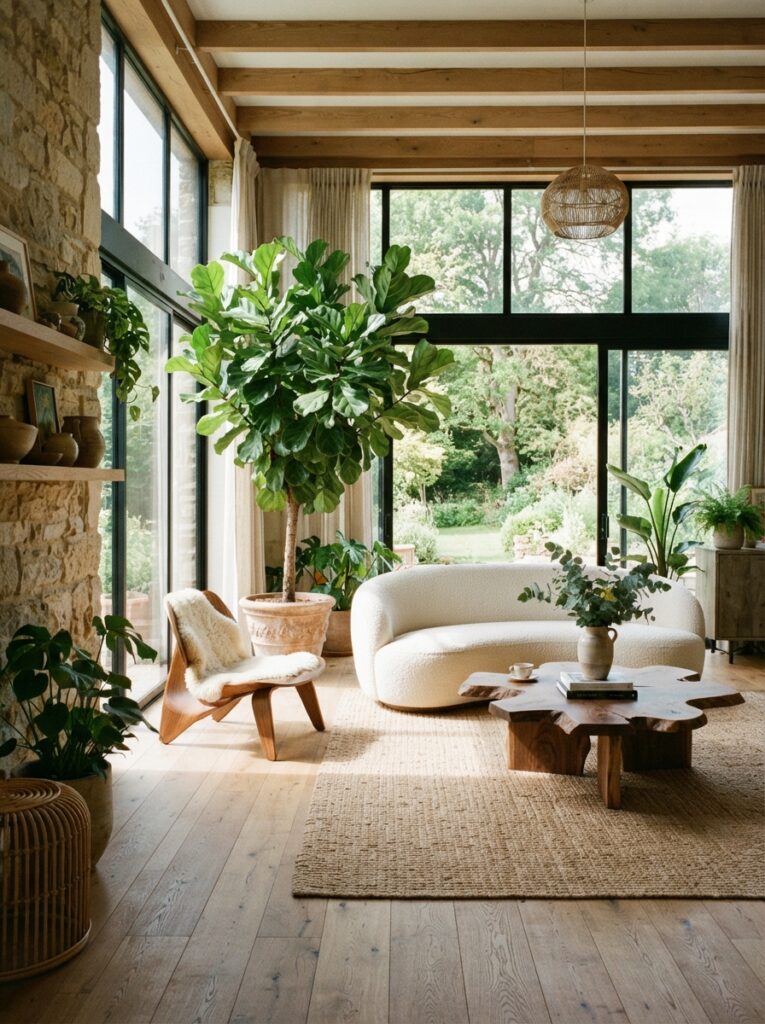
The desire to bring nature indoors has gone from trend to near-movement. Biophilic design — incorporating natural light, plants, natural materials, and organic forms into interiors — is one of the most significant directions in 2026 home decor.
This shows up in large potted plants used as room anchors, natural stone and wood surfaces, large windows with minimal treatment to maximize natural light, and organic shapes in furniture and decor (curves over straight lines, asymmetry over rigid geometry).
3. Quiet Luxury
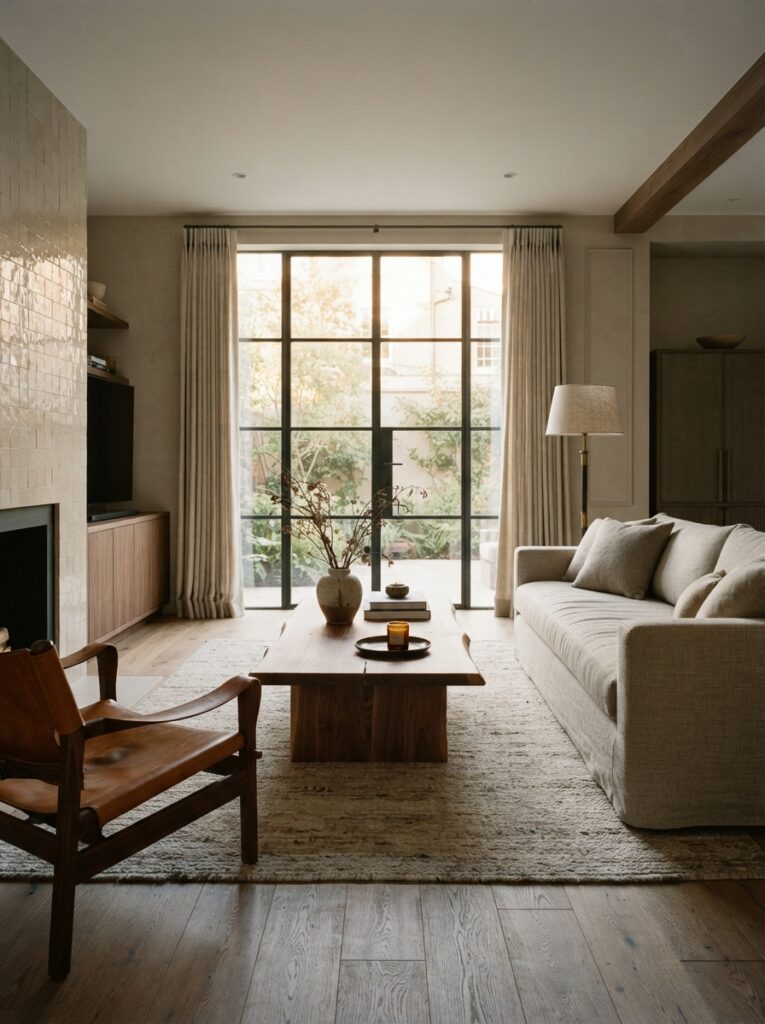
The “quiet luxury” aesthetic that emerged in fashion has fully migrated into interiors. The look is understated, high-quality, and deliberately devoid of obvious branding or trend-chasing. Neutral palettes in premium materials — heavy linen, genuine leather, solid walnut, handmade tile. Pieces that look expensive without announcing it.
It’s the opposite of maximalism in philosophy but can be remarkably warm and livable in practice.
4. Curved and Organic Furniture
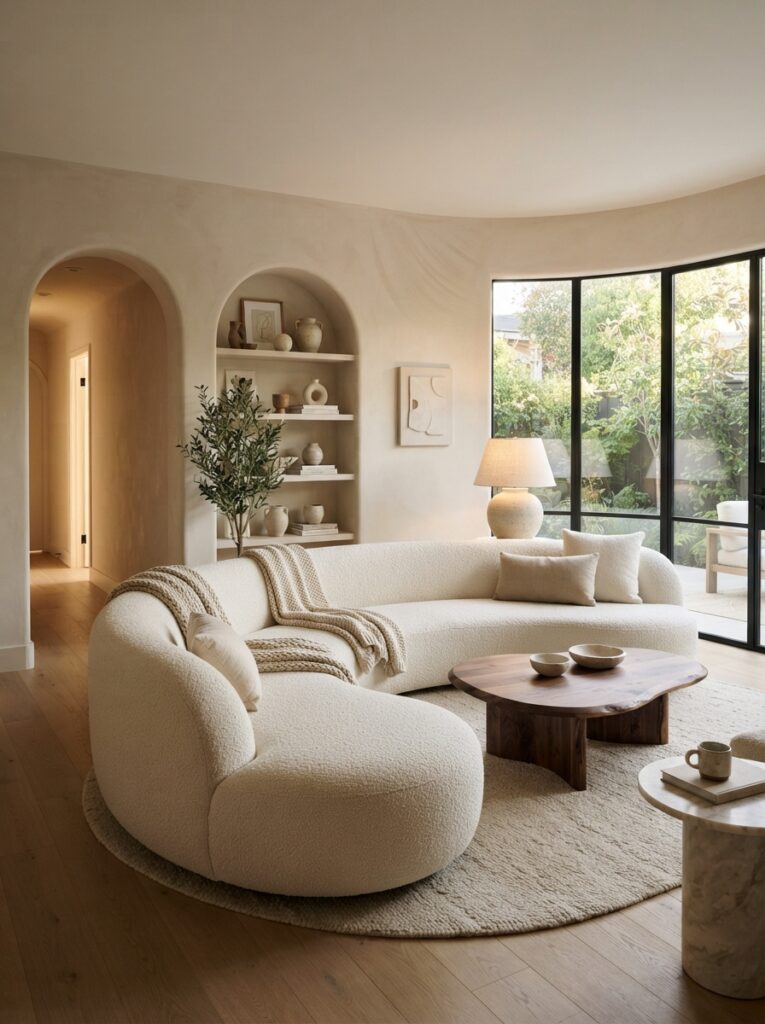
Straight lines are being replaced by curves. Rounded sofas, arched doorways, oval dining tables, semicircular shelving — the organic form is dominating furniture design in 2026. These shapes are visually softer, easier to move around, and feel more human-scaled than the rigid geometric furniture of recent decades.
5. Rich Earth Tones
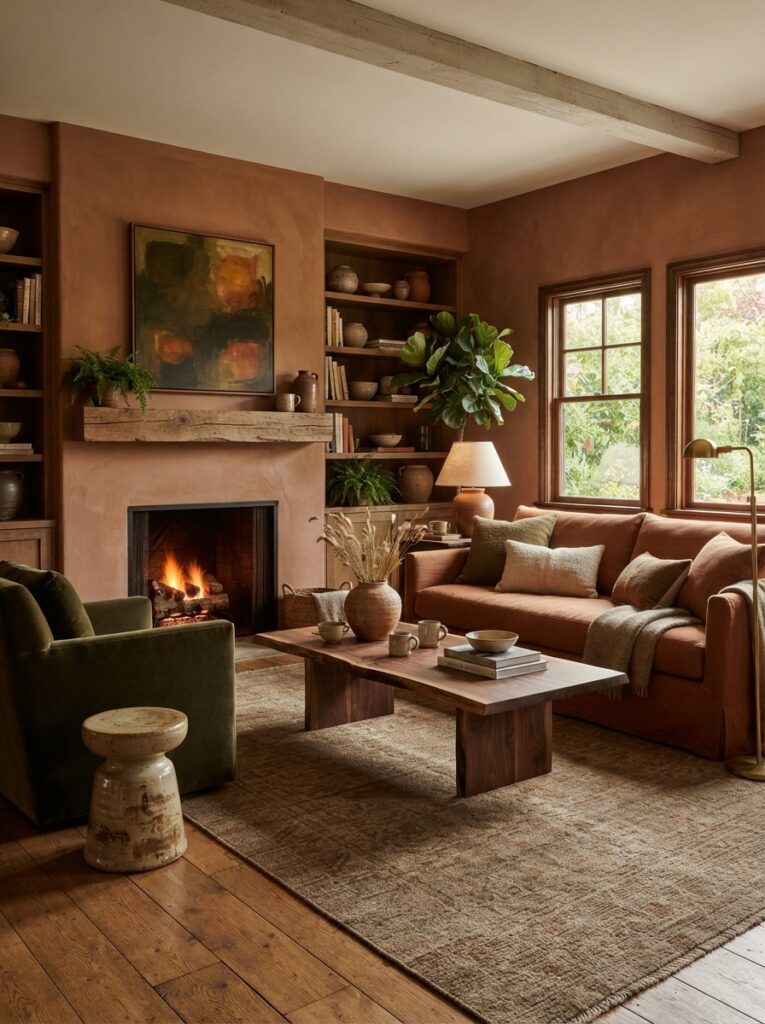
The all-white interior, dominant for over a decade, is definitively over. 2026’s palette is earthy and warm: terracotta, clay, warm rust, deep olive green, warm sand, and burnished camel. These colors appear on walls, in upholstery, in ceramics, and in textiles. They’re grounding, timeless, and work beautifully with natural materials.
6. Handmade and Artisanal Objects
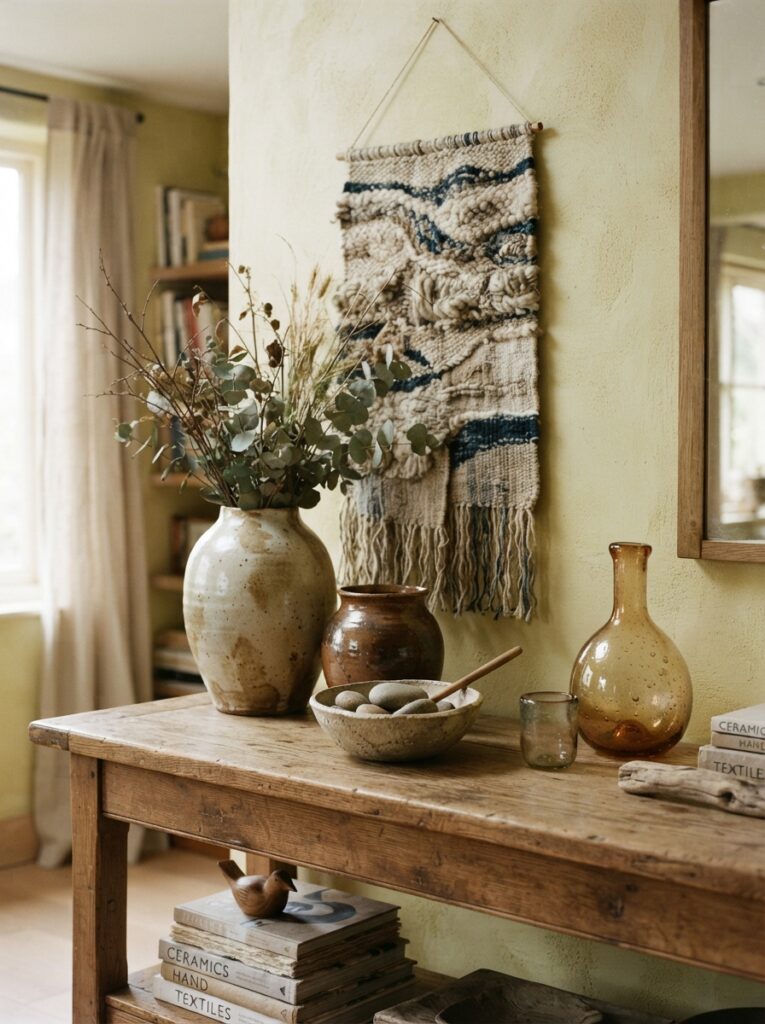
In reaction to mass production, there’s a strong appetite in 2026 for things that are clearly made by human hands. Wabi-sabi-influenced ceramics with visible fingerprints and glaze variations, hand-woven textiles, hand-blown glass, hand-thrown pottery. Imperfection is the point — it signals authenticity and care.
7. Dark Accent Walls and Moody Spaces
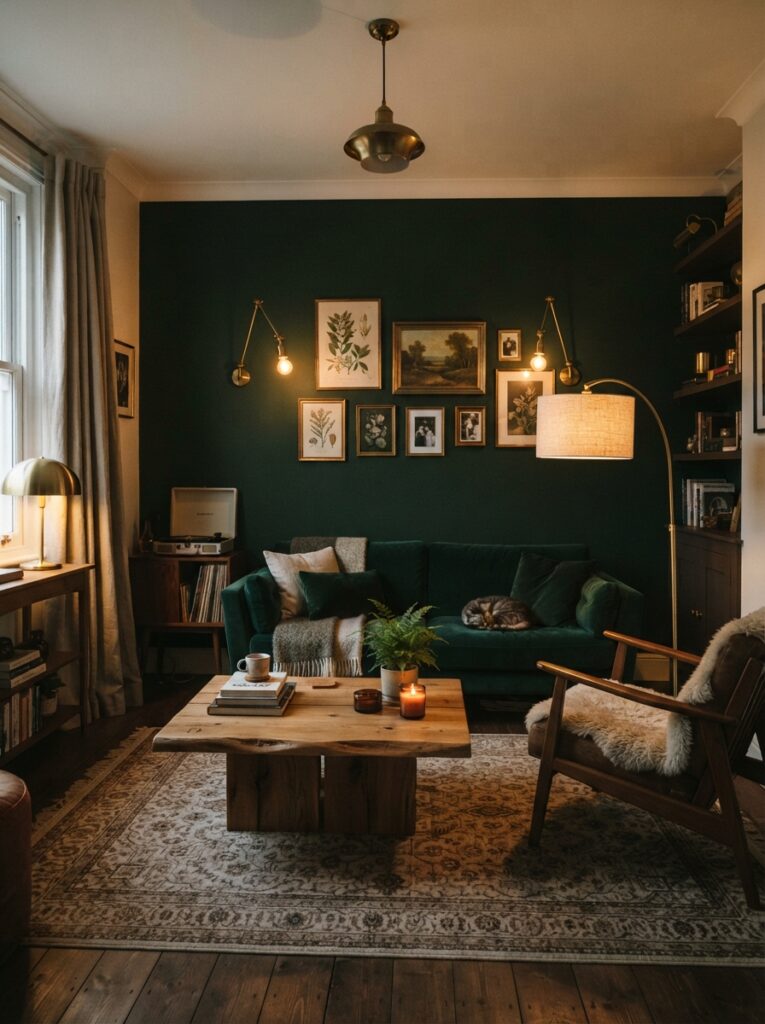
While overall palettes tend warm and neutral, there’s a strong counter-trend toward bold, moody accent walls and even full-room color commitments. Deep forest green, navy, charcoal, oxblood, and chocolate brown are being used on walls, cabinets, and ceilings to create drama and intimacy. A deeply colored room can be profoundly cozy rather than oppressive when executed with warm lighting and natural materials.
8. Vintage and Secondhand Integration

The most beautifully decorated homes of 2026 almost always have at least a few vintage or secondhand pieces. An antique rug, a mid-century chair found at an estate sale, a brass lamp from a thrift store — these pieces add soul and uniqueness that new purchases simply can’t replicate. The trend is less about any specific vintage era and more about the ethos of choosing pieces with history.
9. Layered, Tactile Lighting
Lighting design in 2026 has moved decisively away from a single overhead source toward multiple layered fixtures at different heights. Sculptural table lamps with textured shades (linen, rattan, hand-blown glass), articulated floor lamps that can be angled toward reading corners, and picture lights that highlight art rather than flood the whole room are all part of this shift. The goal is a room that has several pools of warm light rather than one flat wash of brightness, which reads as far more considered and atmospheric.
Dimmers on nearly every fixture, warm 2700K bulbs across the board, and a willingness to leave a room slightly underlit in the evening (rather than fully illuminated) are all part of the same lighting philosophy driving this trend.
10. Intentional Metal Mixing
For years the design rule was to pick one metal finish and use it everywhere. That rule has relaxed considerably in 2026. Warm brass hardware, matte black fixtures, and aged pewter accents now appear together in the same room, as long as they’re distributed with intention rather than randomly. A common approach: one dominant metal (say, brass) used for the largest or most visible pieces, with one or two supporting metals appearing in smaller doses like picture frames, candlesticks, or drawer pulls.
This mixed-metal approach reads as more collected and personal than the matched-metal showroom look that dominated the previous decade, and it gives homeowners much more flexibility when sourcing vintage or secondhand pieces that may not match perfectly.
11. Multi-Functional and Flexible Spaces
As home sizes have not kept pace with the way people actually live and work, 2026 has seen a rise in furniture and layouts designed to flex between functions. A guest bedroom that converts into a home office with a fold-down desk, a dining table that expands for entertaining and contracts for daily use, and ottomans that open for storage while doubling as extra seating are all part of this movement. The emphasis is on furniture that earns its square footage by serving more than one purpose, rather than dedicating an entire room to an occasional-use function.
What’s Out in 2026
- All-white kitchens. Gray and white Shaker cabinets are being replaced by color — warm greens, navy, creamy beige, and even black.
- Open shelving in kitchens. The trend that gave us Instagram-perfect but highly impractical floating shelves in kitchens is fading. Closed storage is back.
- Matching furniture sets. Everything from the same collection, in the same finish, from the same store — this looks dated in 2026. Curated mixing is in.
- Fast furniture. Disposable, particle-board pieces bought to fill a space and replaced in a few years are out of step with the current emphasis on sustainability and quality.
- Stark, cold gray. The gray that dominated the 2010s has been entirely replaced by warmer, more complex neutrals.
What’s Here to Stay
- Natural materials. Wood, stone, linen, rattan, jute, wool — these have always been beautiful and always will be.
- Plants. Indoor plants have been a trend for years and are now simply part of how people live. They’re not going anywhere.
- Personal, collected spaces. The reaction against generic “Instagram homes” means spaces that look genuinely personal are increasingly valued and admired.
- Quality over quantity. Buying one excellent piece rather than three cheap ones is a principle that will only gain strength as time goes on.
How to Apply 2026 Trends Without Chasing Them
The best approach to home decor trends is to treat them as a vocabulary rather than a mandate. If warm minimalism resonates with you, pursue it. If you love the idea of vintage integration, start haunting thrift stores and estate sales. If biophilic design speaks to you, invest in a few large plants and prioritize natural materials.
But don’t feel pressured to overhaul your home because something is trending. The spaces that age best are those built around personal taste, quality materials, and genuine meaning — not whatever is on the mood boards this season. For more inspiration, visit House Beautiful.
Applying These Trends Room by Room
Different rooms lend themselves to different trends from this list. In the living room, warm minimalism and layered lighting tend to have the most immediate visual impact, since these are the spaces where people spend the most waking hours and notice atmosphere the most. In the kitchen, the shift away from all-white cabinetry and open shelving toward warmer colors and closed storage is the most actionable change, especially for anyone planning even a minor refresh rather than a full renovation.
Bedrooms respond particularly well to the biophilic and quiet luxury trends — a large plant in the corner, linen bedding in a warm neutral, and a single high-quality accent piece (a woven bench, a ceramic lamp) go further than a room full of smaller purchases. Home offices and multi-functional spaces are the natural home for trend 11 above, especially in smaller homes or apartments where a dedicated single-purpose room simply isn’t realistic.
Home Decor shopping list
- Textured throw blanket — the trend that keeps working
- Curved accent chair — soft shapes are everywhere
- Warm wood side table — the move away from grey
- Statement floor lamp — sculptural, not just functional
- Ceramic vase set — handmade look
- Layered area rug — texture over pattern
Prices and availability change. Links open on Amazon.
Common Mistakes When Chasing Trends
The fastest way to make a home feel dated rather than current is to adopt a trend wholesale and all at once, without adapting it to your own space and taste. A few mistakes to watch for: painting every wall a trending earth tone without testing it against your home’s actual light, which can read as heavy or muddy in a room with limited natural light. Buying an entire room’s worth of curved furniture at once, which can tip into looking like a showroom rather than a lived-in space. Chasing a specific viral piece (a certain lamp, a certain chair) purely because it’s trending on social media, without considering whether it actually fits your room’s scale or your existing pieces.
The trends that age best are the ones treated as a starting point for personal interpretation, not a shopping list to be checked off in full.
Budgeting for a Trend-Informed Refresh
None of these trends require a full renovation to explore. A single warm-toned accent wall, a few pieces of secondhand furniture, a couple of large plants, and a swap to warmer lightbulbs can shift a room’s entire feel for well under a few hundred dollars. Prioritize spending on the pieces you touch and see most often (a sofa, a bed frame, primary lighting) and save on the smaller, easily swapped items (throw pillows, small decor, seasonal accents) that let you experiment without long-term commitment.
Thrift stores, estate sales, and secondhand marketplaces are especially well-suited to 2026’s trends, since vintage and secondhand integration is itself one of the dominant directions of the year — meaning a limited budget and a trend-forward home are not mutually exclusive.
Where to Start If You Only Change One Thing
If a full refresh isn’t realistic right now, the single highest-impact change from this entire list is swapping your lightbulbs to a warm 2700K temperature and adding at least one additional light source at a lower height than your ceiling fixture — a table lamp or floor lamp. This one change touches nearly every trend on this list, since warm minimalism, quiet luxury, and biophilic design all depend heavily on how a room is lit rather than strictly on what furniture fills it. It costs very little, takes an afternoon, and is immediately noticeable the first evening you turn the lamps on instead of the overhead light.
Final Thoughts
2026 is a genuinely exciting moment in home decor — one that rewards thoughtfulness, personal expression, and quality over quantity. Whether you’re drawn to warm minimalism, biophilic spaces, or the quiet luxury aesthetic, the common thread is intention. Choose carefully, buy slowly, and create a home that reflects who you actually are rather than who you think you should be.

4 Comments