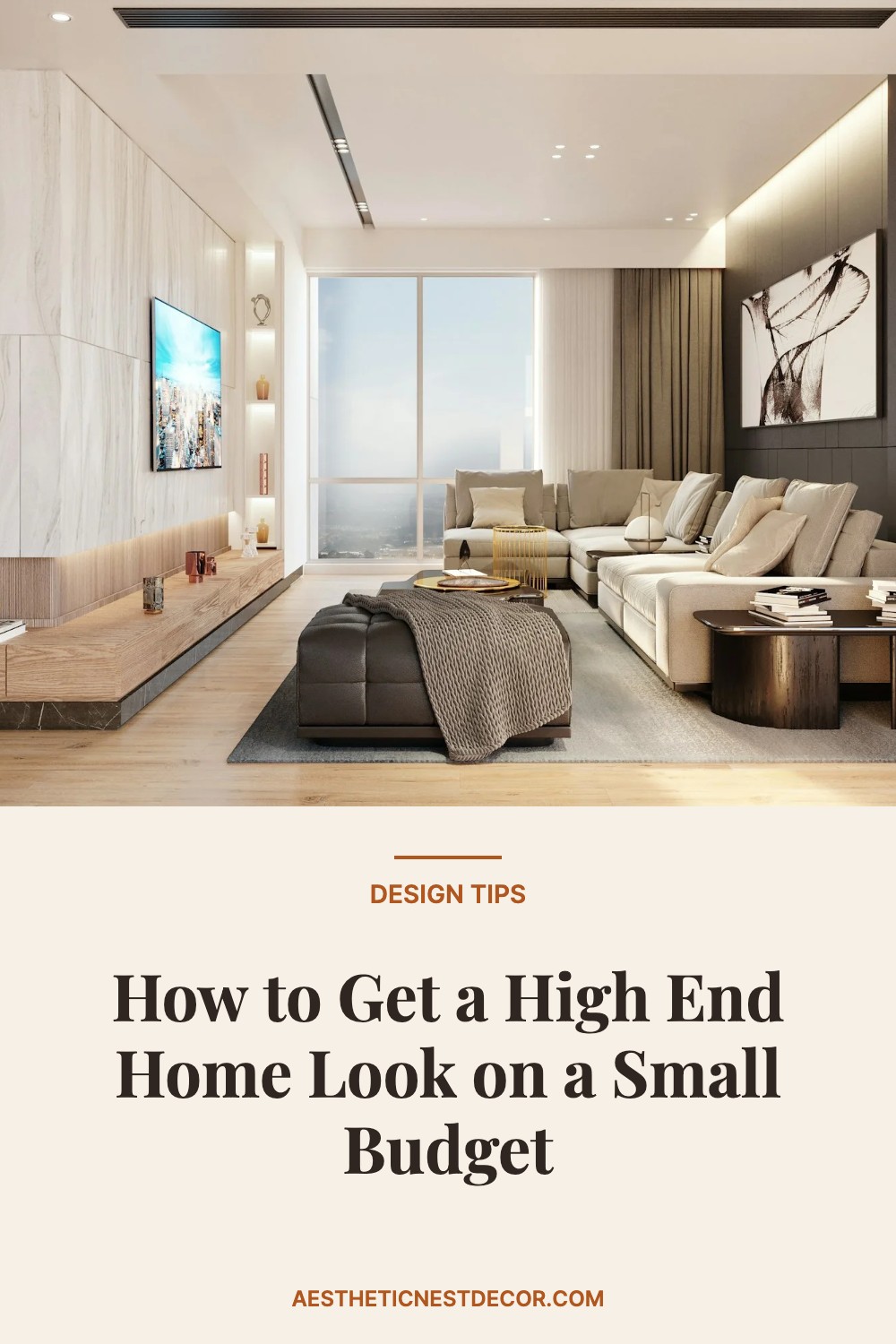

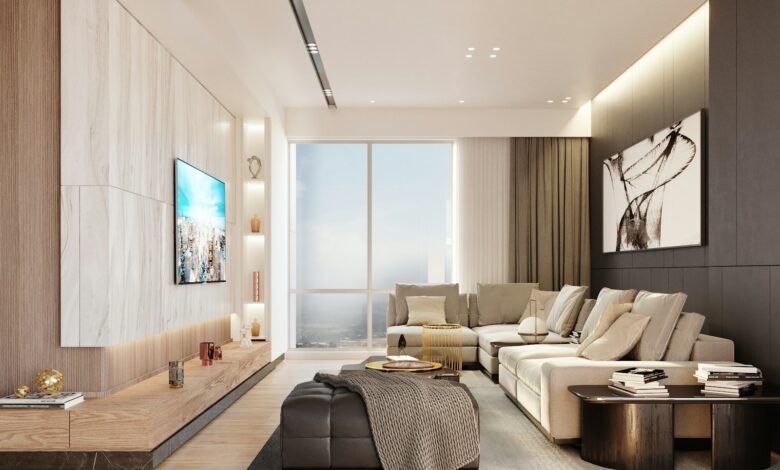
If you’ve ever wondered how to get a high end home look on a small budget, the answer is simpler than those glossy inspiration photos suggest. Every good inspiration photo tells the same lie: the room looks effortlessly expensive, and the budget is nowhere in the frame. You scroll through those images thinking it must require a designer, a renovation, or a credit card you don’t own. None of that is true. The real gap between a high-end home and a budget home is almost entirely about execution, not dollars spent. This guide covers high-end home look step by step, with practical tips and product picks.
Four changes do most of the work: paint, lighting, thrifted furniture, and layered decor. Get those right, in the right order, and a space can shift from “fine” to “wow” for a fraction of what most people assume it costs. Here at Aesthetic Nest Decor, we cover these strategies room by room across the whole house, and this guide pulls the most high-impact moves into one actionable plan. You’ll also get a realistic cost breakdown and a clear order of execution so you know exactly where to start.
Want the shortcut?
As an Amazon Associate I earn from qualifying purchases. Some links in this post are affiliate links, at no extra cost to you.
Top picks: decorUhome Faux Fur Throw, Brightown Battery Wall Sconces (2) and Amazon Basics Wooden Tray.
Check price on Amazon →Paint Is Where Every Smart Budget Makeover Begins
If you have $300 and one weekend, put it toward paint. No other single change touches every surface in a room and transforms how all the other furniture reads. The right color in the right finish does more for perceived quality than almost any furniture update you can make, a weekend for DIY painting or one to two days for a professional, and the results are immediate.
Which Paint Colors Make Small Rooms Look High-End?
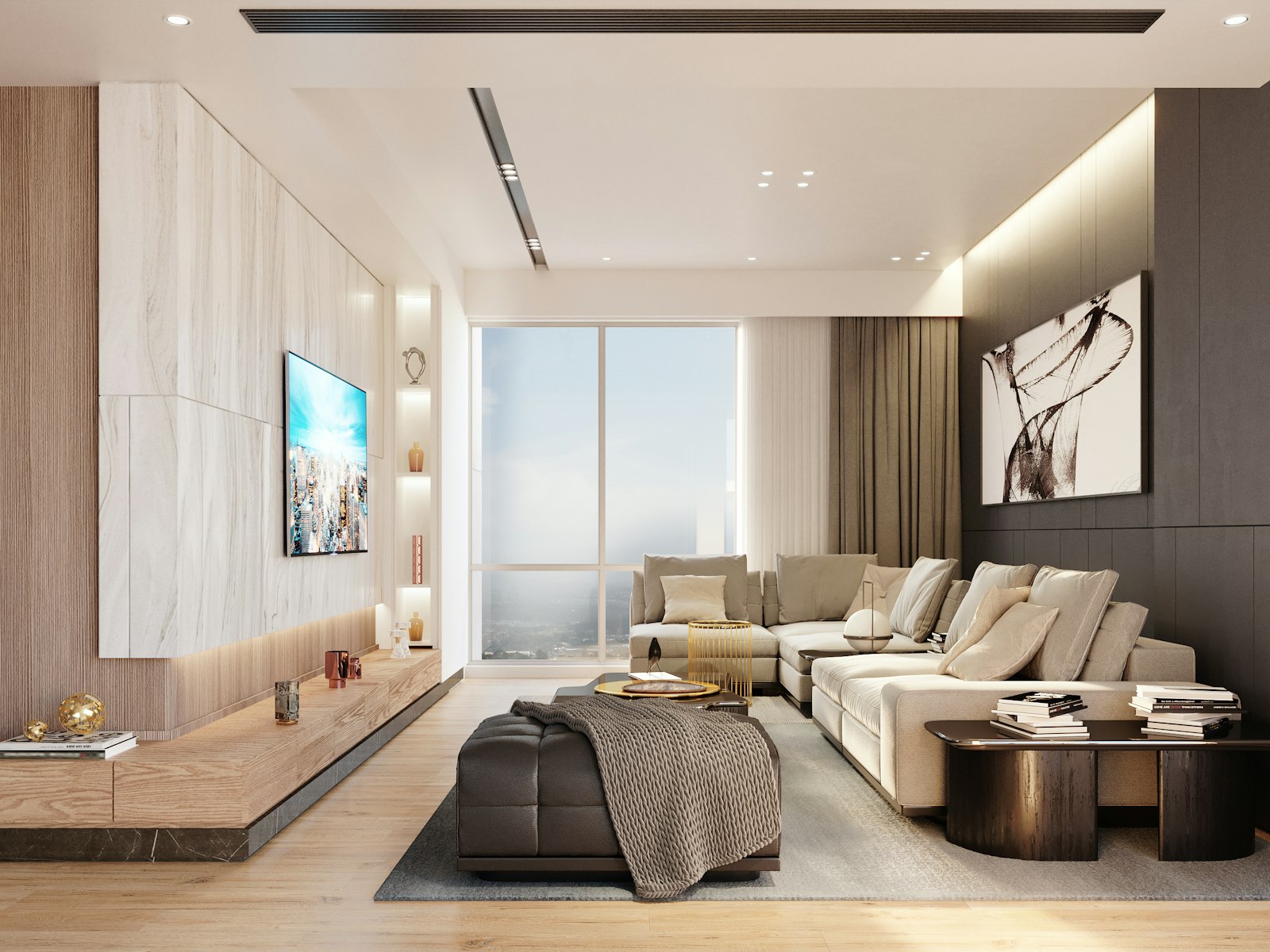
Luxury color in small spaces falls into two camps. The first is warm, nuanced neutrals: creamy ivories, warm off-whites, greige, taupe, and mushroom tones. These dominate the quiet luxury aesthetic right now because they feel refined and calm rather than stark or clinical. Specific colors worth testing include Benjamin Moore’s Swiss Coffee, Sherwin-Williams’ Accessible Beige, and any warm-toned greige with a slightly golden or pinkish undertone rather than a cool gray base. For more ideas, see our guide to High-End Home Decor for Less: Luxe Looks on a Budget.
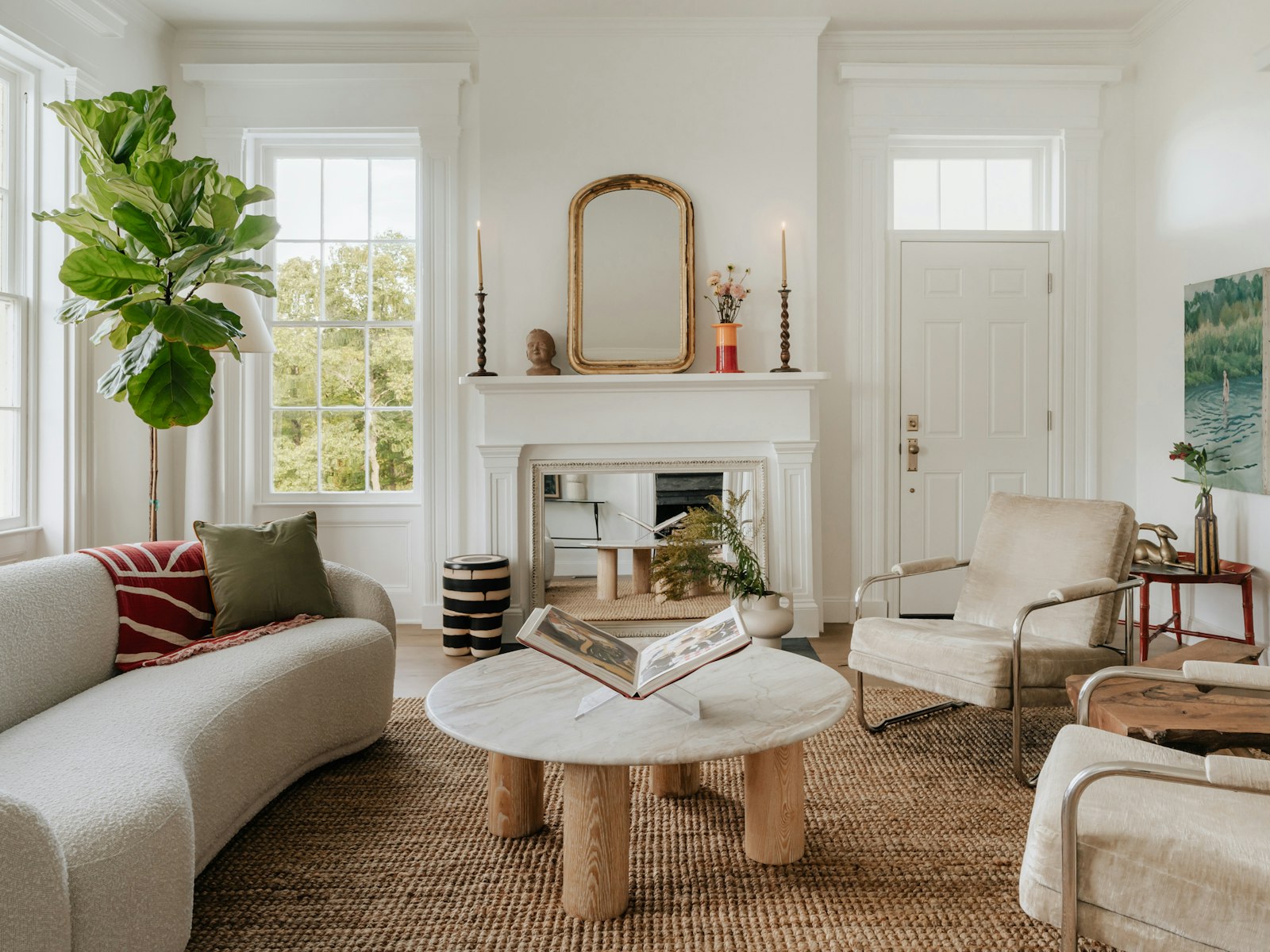
The second camp is deep, saturated tones: navy, forest green, charcoal, plum, and oxblood. These make a small room feel intentional and intimate, which designers consistently describe as more upscale than simply making a room feel bigger. What to avoid: cool gray-whites that read clinical and flat, and beiges with too much yellow that look dated in natural light.
Why Finish Matters as Much as the Color You Pick
Standard eggshell reads as “fine.” Three finishes consistently read as “designed.” Matte or velvety matte works beautifully with deep tones, creating an enveloping, cocoon-like effect that feels intentional. High-gloss or lacquer is a bold, reflective choice that signals confidence and elevates even a plain wall into a design statement. Limewash and Venetian plaster add depth and texture that flat paint simply can’t replicate, though they differ significantly in DIY accessibility.
Limewash is beginner-friendly: the technique involves loose, overlapping crisscross strokes in small sections, keeping a wet edge as you go, and the results look expensive with minimal prior experience. Venetian plaster, by contrast, involves a more specialized application and typically benefits from practice or professional installation to achieve a clean finish. Materials for a limewash treatment in a small-to-medium room run about $75 to $200, which makes it one of the most dramatic-looking upgrades at one of the lowest price points.
What This Upgrade Actually Costs
Hiring a professional painter for a single room runs about $300 to $1,000 for walls only, with a realistic all-in estimate of $400 to $1,200 when prep is included. Higher-cost metros like New York and San Francisco push that number above $1,100 for a standard bedroom. DIY painting drops the cost to roughly $50 to $150 in materials for a single room. Start with one focal wall or one high-traffic room to test the color before committing to the whole space. We cover this in more detail in Home Decor Ideas for First-Time Homeowners on a Budget.
How to Get a High End Home Look on a Small Budget Through Lighting
Many budget homes rely on a single overhead fixture per room paired with a too-bright, too-cool bulb. That setup flattens everything in the room and makes even nice furniture look cheap. Switching out fixtures and adjusting bulb temperature is one of the fastest ways to achieve a budget-friendly luxury decor upgrade, and most changes don’t require an electrician.
The Layered Lighting Formula for Small Rooms
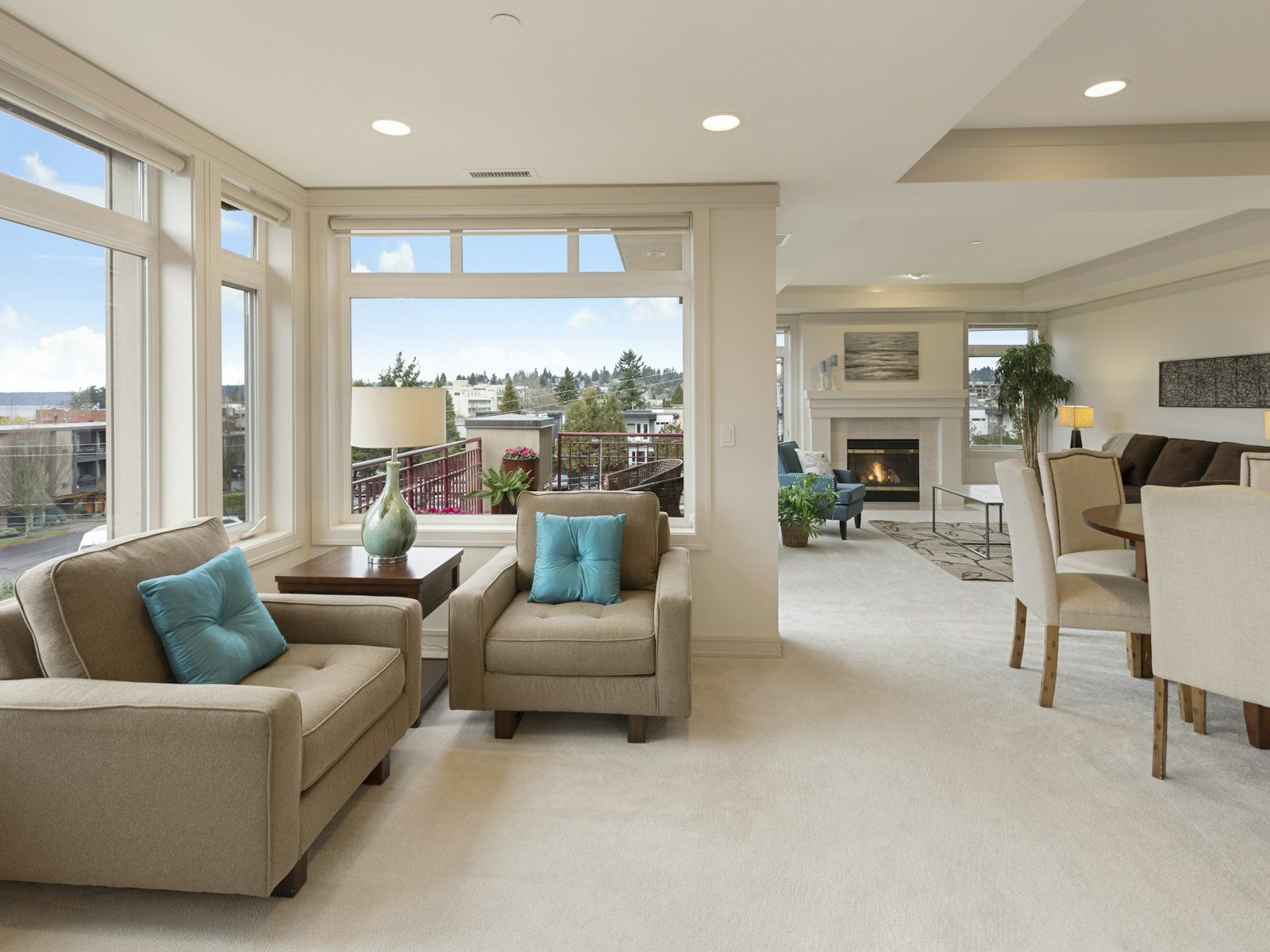
Three layers create a designed look: ambient light for overall coverage, task light for function, and accent light for depth and visual interest. In a small room, even two layers make a significant difference over a single overhead source. The goal is to light the perimeter and corners rather than blasting the center of the room, because distributed light makes a space feel larger and more intentional.
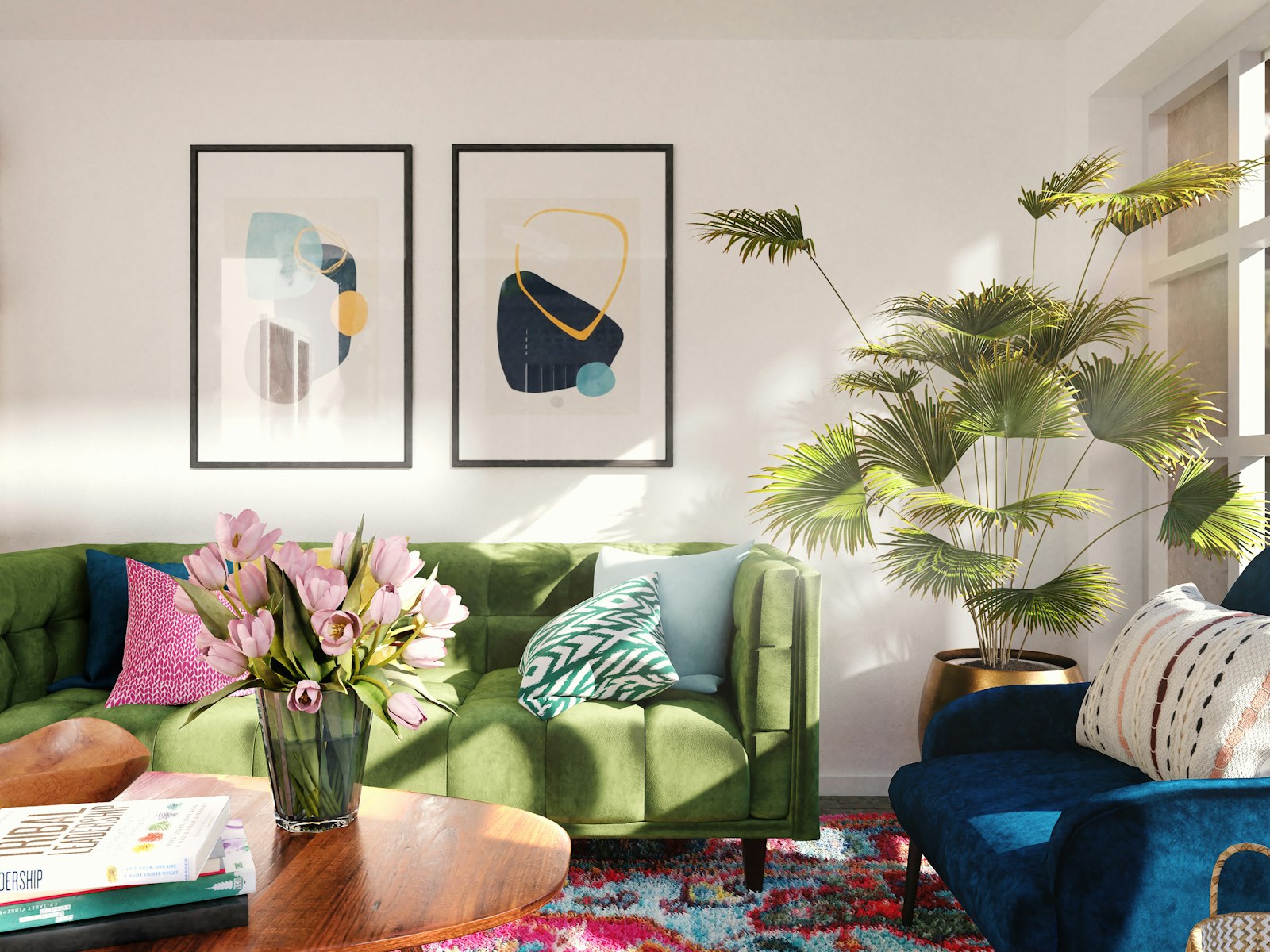
A practical formula for small living areas: one low-profile ceiling source, one to two lamps at mid-level (table or floor), and one accent source such as a puck light behind a shelf or a picture light over artwork. This setup creates multiple zones of warmth that feel layered and considered rather than functional and flat.
Fixture Swaps and the Bulb Temperature Sweet Spot
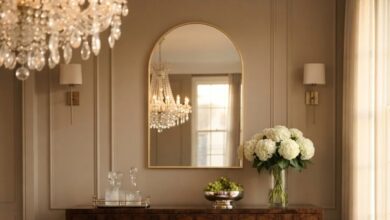
Swapping a builder-grade drum fixture for a linen-shade pendant or a simple flush-mount statement piece is a straightforward upgrade; basic replacements typically run $80 to $220, while fixtures that require rewiring or an electrician will cost more. Stick to bulbs in the 2700K to 3000K range for warm, inviting light that makes colors read correctly. Cooler bulbs above 3500K make even beautiful rooms feel like a waiting room. A reader favorite for this is the Joydeco Linen-Look Blackout Curtains.
Dimmers are one of the most underrated small-space styling tips available. The hardware costs $15 to $30, the installation is a basic DIY task for most standard switches, and the ability to tune brightness by time of day changes how a room feels entirely. It’s the kind of detail that guests notice without knowing why. If you are shopping for this, the decorUhome Faux Fur Throw is a well-reviewed option.
Shop the look: Instant upgrades
 decorUhome Faux Fur ThrowA fast, cheap refreshCheck price on Amazon →
 Joydeco Linen-Look Blackout CurtainsSoft, expensive-looking windowsCheck price on Amazon →
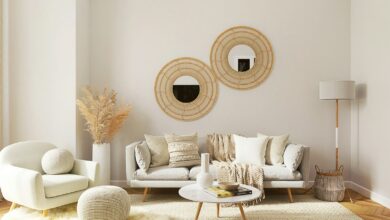
 Large Wall MirrorAdds light and depthCheck price on Amazon →
 Faux Olive TreeA designer plant lookCheck price on Amazon →
As an Amazon Associate we earn from qualifying purchases. Prices and ratings change, so check Amazon for today’s details.
Thrifted Furniture Flips That Look Anything But Secondhand
Shopping thrift stores and Facebook Marketplace with a plan is one of the most effective strategies for getting an expensive-looking home on a fraction of the retail cost. The key phrase is “with a plan.” Buying random pieces without knowing how to evaluate them leads to clutter, not a curated look.
What to Look For (and What to Walk Away From)
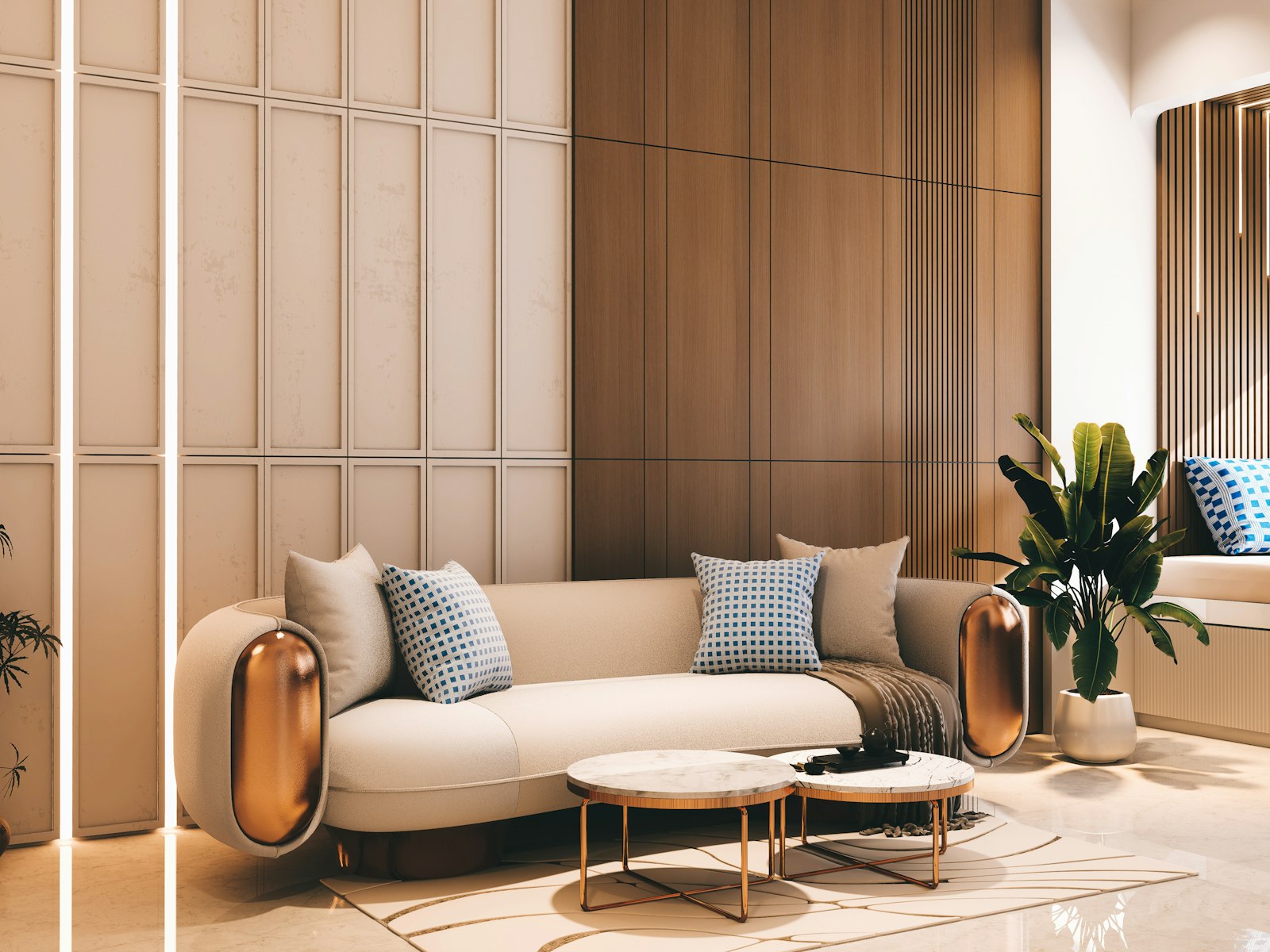
Solid wood frames are always worth a closer look. Upholstered pieces with good bones but tired fabric are worth considering if the structure is sound. Anything with veneer lifting, particle board warping, or a broken frame should stay on the shelf because no amount of paint fixes structural problems. The silhouette matters more than the current finish. A mid-century credenza in an ugly orange stain can often sell for several hundred dollars after one afternoon with chalk paint and new hardware, though resale value varies by market and condition. You might also like Budget Home Gym: Build Your Full Setup for Under $500.
Paint, Hardware, and Reupholstery: The Three Flip Tools
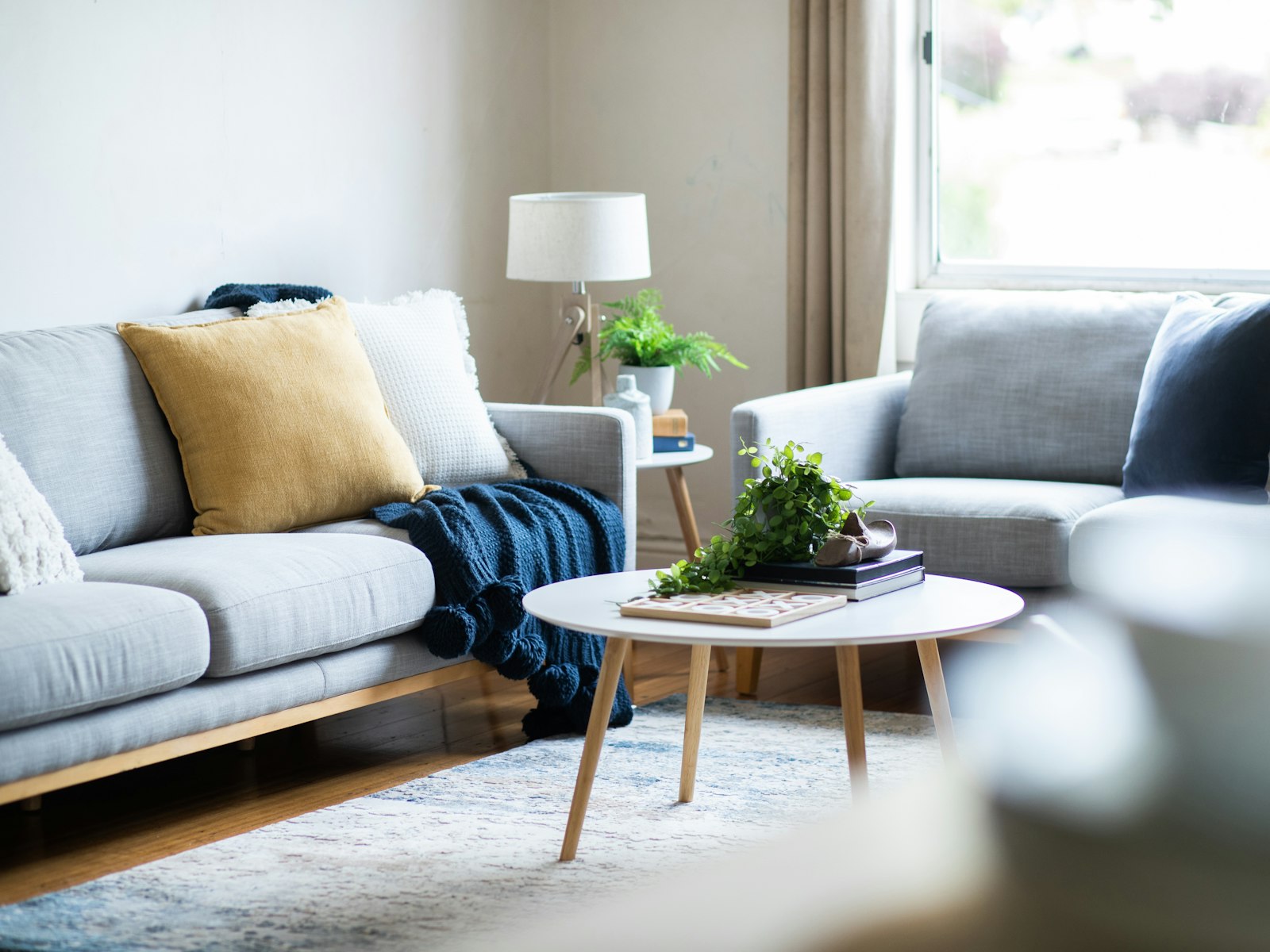
Chalk paint or mineral paint on wood surfaces costs approximately $35 to $60 for a quart, enough to cover most case goods with two coats, though pricing varies by brand and retailer. Cabinet hardware, including knobs and pulls, costs $2 to $15 per piece installed and turns dated furniture into something that reads intentional. These are also the most overlooked upgrades on builder-grade kitchen and bathroom cabinets: swap the hardware before you consider anything else.
For upholstered pieces, performance fabrics deliver a luxe look with real-world durability. Polyester velvet gives a plush, high-end finish at a fraction of the cost of cotton velvet. Linen-cotton blends have an airy, refined look that photographs beautifully. Sateen adds a subtle sheen that reads sophisticated in most lighting. Performance velvet versions from brands like Crypton hold up to pets and kids while still looking polished, which makes them worth the slightly higher per-yard cost. For sourcing affordable upholstery fabric, sites like Fabric Guru and BuyFabrics.com offer strong selection at discount pricing.
Layering Decor the Way Designers Actually Do It
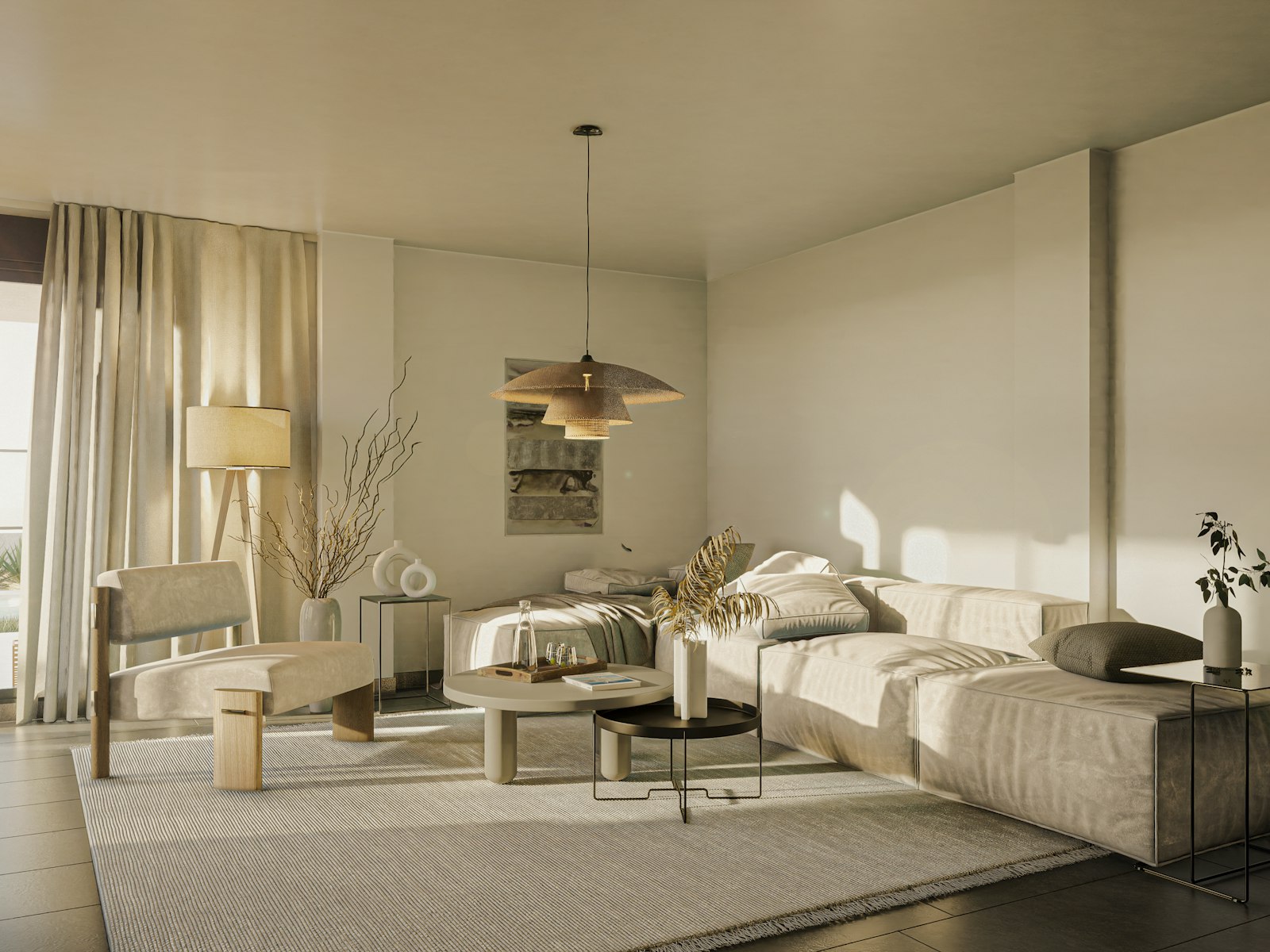
The difference between a room that looks designed and one that just looks full comes down to layering: the right rug size, the right textile weight, and the small architectural details that make everything feel intentional. These are the finishing moves that pull all the other changes together and make a small home feel cohesive rather than assembled piece by piece. Used correctly, these are the designer tricks for small rooms that bridge the gap between “decorated” and “designed.” If you want to go further, read Budget Coffee Nook Ideas for Small Apartment Kitchens.
Rug Sizing Rules That Create Perceived Scale
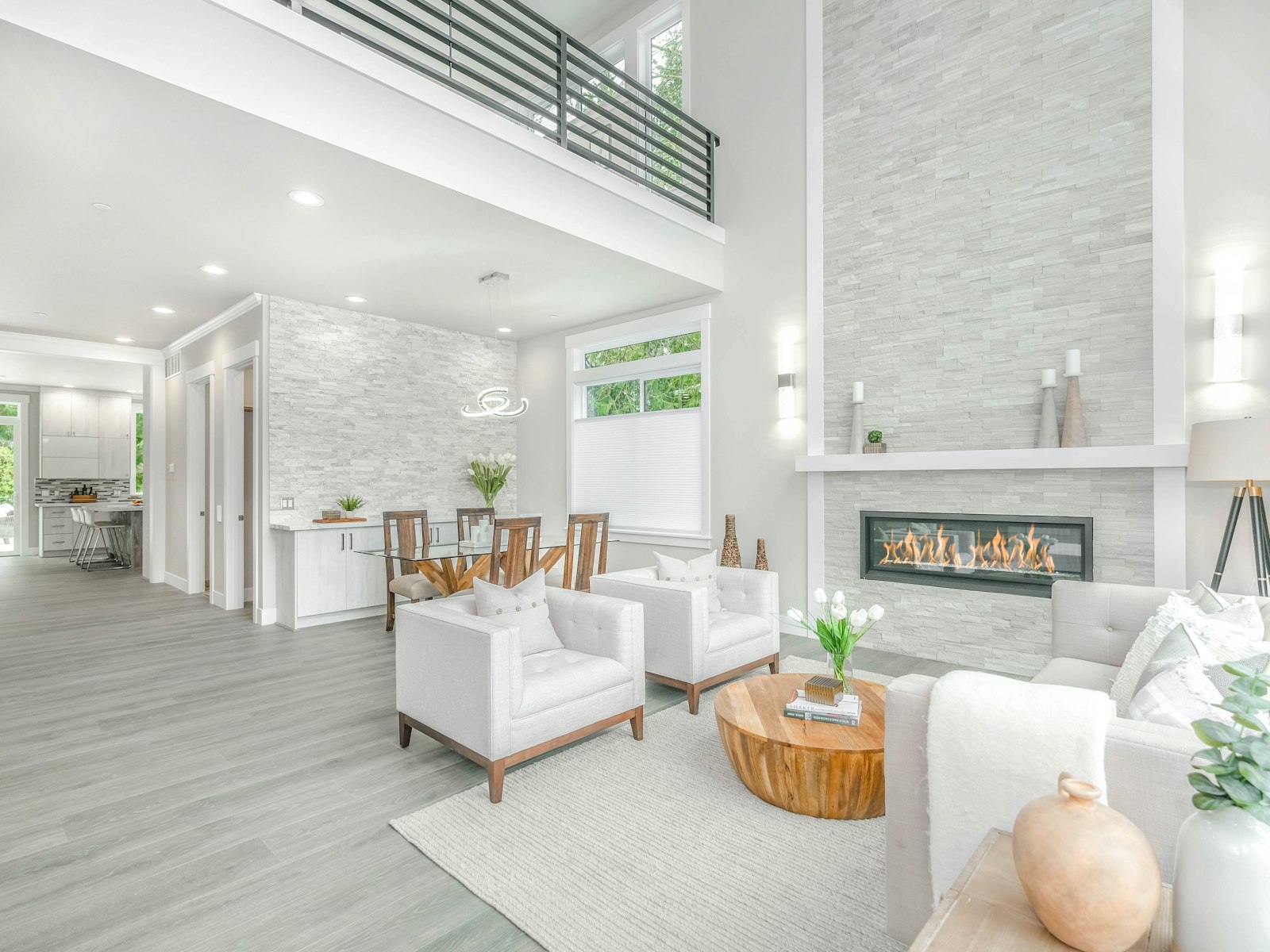
One of the most common mistakes in small rooms is buying a rug that’s too small. For a small living room with an apartment-size sofa or compact sectional, a 6×9 is the starting point, with at least the front legs of all seating sitting on the rug. Move up to an 8×10 for a small sectional. In a bedroom, size the rug so it extends 18 to 24 inches past the sides and foot of the bed, making it feel like part of the room’s main composition rather than a disconnected mat.
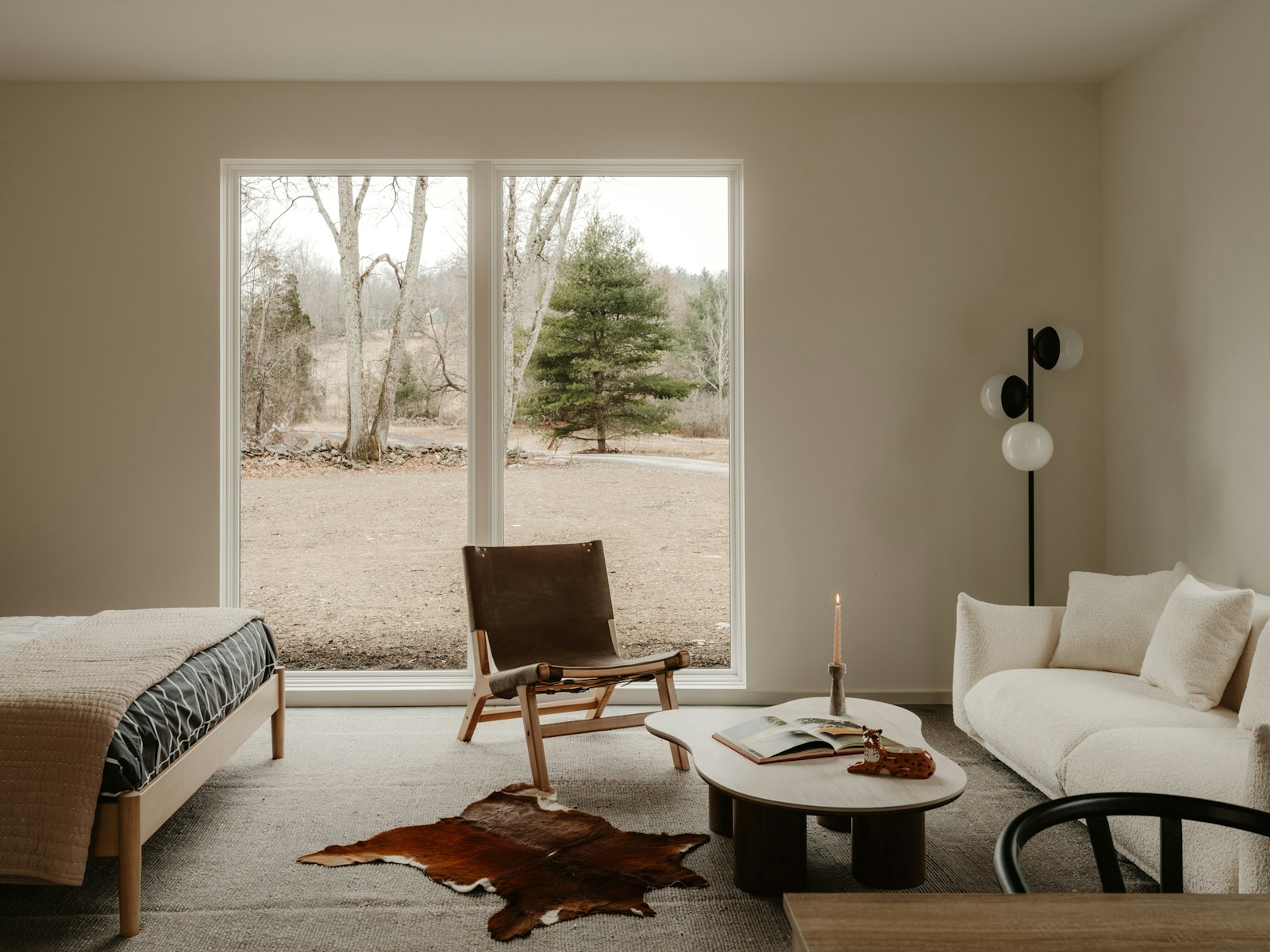
An oversized rug creates one continuous visual field that makes a room feel larger and calmer. Keeping roughly 18 inches of exposed floor at the border reads as intentional framing rather than a rug that just didn’t fit. When in doubt, go bigger.
Textiles, Throw Layers, and the Detail Upgrades That Signal Quality
Layering two to three textures, a velvet pillow, a linen throw, a chunky knit, creates a collected, high-end feel for under $80 in materials. The effect comes from contrast between textures, not from the cost of any individual piece. Stick to a consistent color palette across all textiles so the layering reads as intentional rather than busy. Related: Best Mudroom Storage Solutions on a Budget Under $100.
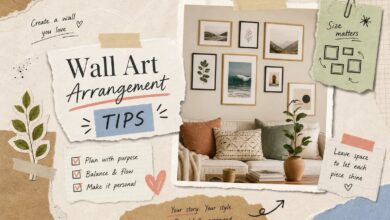
Architectural details are where a room stops looking “decorated” and starts looking “designed.” Crown molding runs $7 to $20 per linear foot installed, total cost for a room depends on perimeter footage, profile complexity, and painting, but a typical small-to-medium room can run $100 to $400, and it’s one of the most dramatic transformations for a flat-ceilinged room. Peel-and-stick versions make it DIY-accessible for renters. Gallery walls with consistent frame finishes, all black, all brass, or all natural wood, read as curated when the spacing is deliberate and the scale is large enough to anchor the wall. Aesthetic Nest Decor’s gallery wall guide covers the full layout process if you want a step-by-step walkthrough for getting the arrangement right before a single nail goes in. One option worth a look is the Brightown Battery Wall Sconces (2).
Shop the look: Lighting
 Brightown Battery Wall Sconces (2)Wall light without rewiringCheck price on Amazon →
 PoKat Ceramic Table LampA designer-look lampCheck price on Amazon →
 Govee Smart Light BulbsWarm, dimmable lightCheck price on Amazon →
 Rechargeable Picture LightA gallery-style touchCheck price on Amazon →
As an Amazon Associate we earn from qualifying purchases. Prices and ratings change, so check Amazon for today’s details.
A Realistic Budget Framework: What to Do First and How Much to Spend
The order of execution matters almost as much as the individual changes. Doing things out of sequence means spending money on decor that won’t read correctly until the bigger changes are in place.
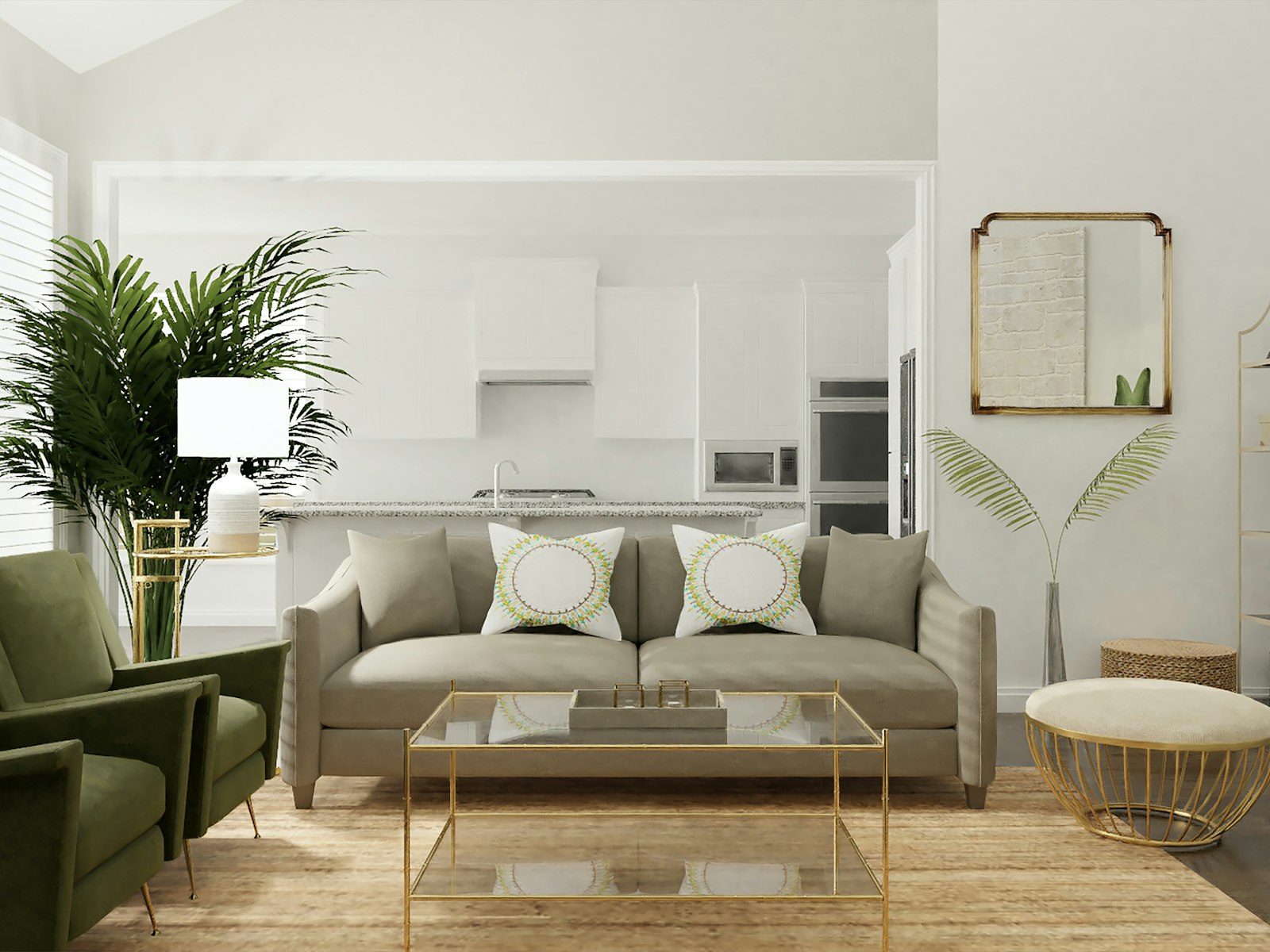
Priority Order and Cost by Upgrade
Follow this sequence to get the most out of every dollar spent:
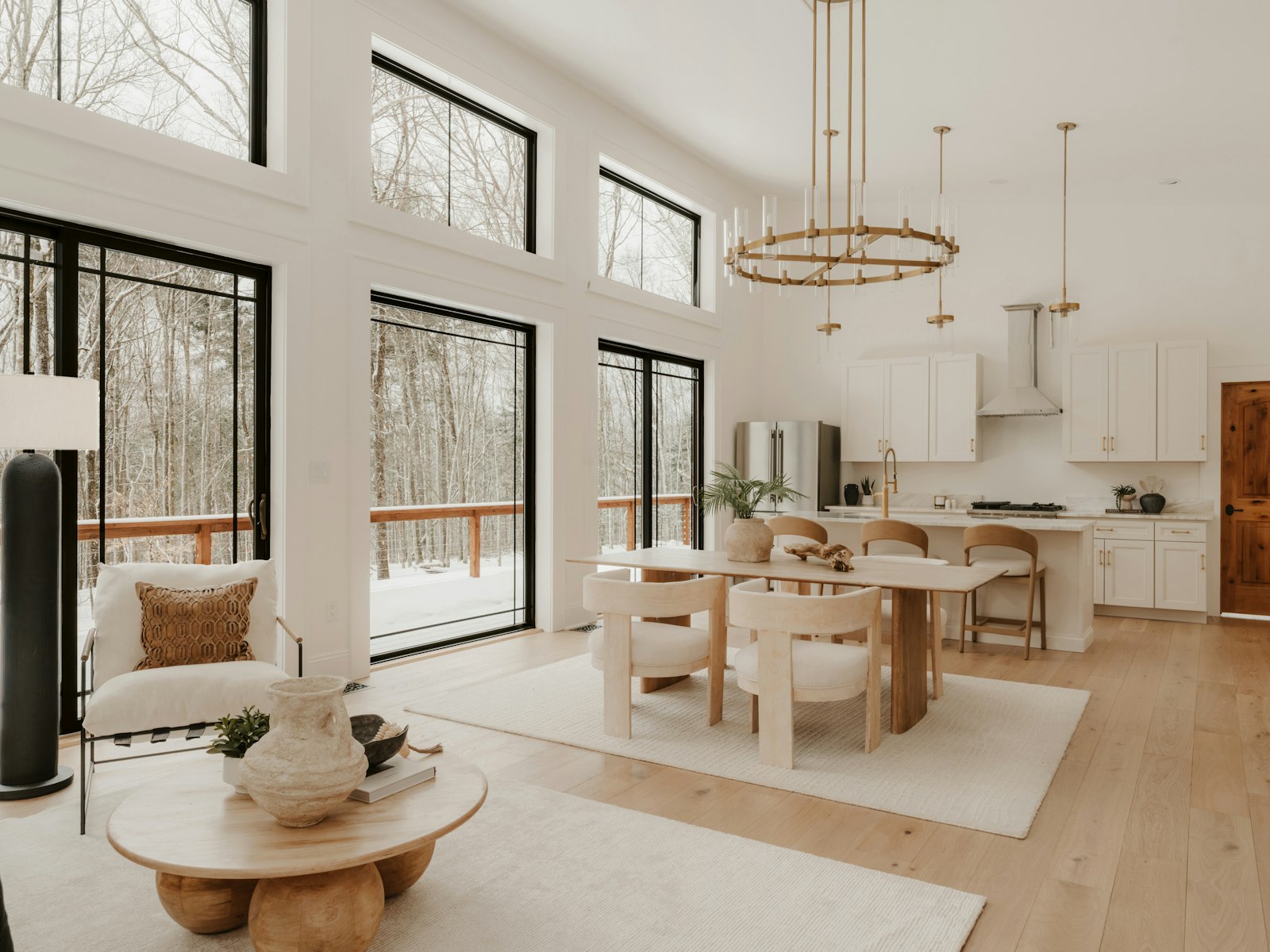
- Paint first: $50 to $150 in DIY materials, $300 to $1,200 with professional labor. Everything looks different under a new color, so this sets the foundation for every decision that follows.
- Lighting next: $80 to $220 per fixture swap, plus $15 to $30 for dimmer hardware. Lighting changes how the room feels at every hour of the day.
- Hardware replacement: $2 to $15 per piece installed. The fastest and cheapest upgrade relative to visual impact.
- Rug: $80 to $300 for a quality 5×8 or 6×9; prices and quality vary widely by retailer, but HomeGoods, TJ Maxx, and Amazon are reliable starting points. Size up rather than down.
- Textiles and pillows: $40 to $120 for a layered set, though costs vary depending on fabric quality and sourcing. Shop HomeGoods for below-retail pricing on quality options.
- Architectural details: $100 to $400 depending on room perimeter footage, profile, and scope for crown molding or a gallery wall.
Where to Shop and What to Avoid Spending Money On
Source furniture from thrift stores and Facebook Marketplace. Use IKEA and Amazon for basic hardware and lamps that elevate well with the right bulb and placement. HomeGoods and TJ Maxx consistently offer quality rugs and textiles at below-retail prices. For art prints that look gallery-quality in the right frame, Etsy sellers offer affordable downloadable and printed options worth exploring. A reader favorite for this is the The Book of Unusual Knowledge.
What to skip: trendy accent pieces that date quickly, cheap area rugs under 5×7 that visually shrink the room, and fast furniture with particle board construction that won’t hold up to a hardware swap or repaint. Spending $150 on a solid thrifted piece beats spending $150 on a flat-pack piece that falls apart when you try to improve it. If you are shopping for this, the Amazon Basics Wooden Tray is a well-reviewed option.
Shop the look: Styling details
 Amazon Basics Wooden TrayGroups small decorCheck price on Amazon →
 The Book of Unusual KnowledgeA coffee table book people pick upCheck price on Amazon →
 Ceramic Vase Set of 3Simple neutral accentsCheck price on Amazon →
 Ravinte Brass Cabinet PullsA quick hardware upgradeCheck price on Amazon →
As an Amazon Associate we earn from qualifying purchases. Prices and ratings change, so check Amazon for today’s details.
Shopping list
- decorUhome Faux Fur Throw — a fast, cheap refresh
- Joydeco Linen-Look Blackout Curtains — soft, expensive-looking windows
- Large Wall Mirror — adds light and depth
- Faux Olive Tree — a designer plant look
- Brightown Battery Wall Sconces (2) — wall light without rewiring
- PoKat Ceramic Table Lamp — a designer-look lamp
- Govee Smart Light Bulbs — warm, dimmable light
- Rechargeable Picture Light — a gallery-style touch
- Amazon Basics Wooden Tray — groups small decor
- The Book of Unusual Knowledge — a coffee table book people pick up
- Ceramic Vase Set of 3 — simple neutral accents
- Ravinte Brass Cabinet Pulls — a quick hardware upgrade
Prices and availability change. Links open on Amazon.
Keep reading: High-End Home Decor for Less: Luxe Looks on a Budget · Home Decor Ideas for First-Time Homeowners on a Budget · Budget Home Gym: Build Your Full Setup for Under $500 · Budget Coffee Nook Ideas for Small Apartment Kitchens · Best Mudroom Storage Solutions on a Budget Under $100
Helpful resources: the ENERGY STAR light bulb guide, light reflectance value (LRV), the ASPCA toxic plant list.
Frequently Asked Questions
How can I make my home look expensive on a budget?
Focus on lighting, larger mirrors, full-length curtains and a few quality textiles. These small swaps have the biggest visual impact.
What makes a room look cheap?
Too many small accessories, harsh overhead lighting and curtains hung too low are the most common culprits.
What is the cheapest way to upgrade a room?
Swap throw pillow covers, add warm lamps and replace cabinet hardware. All three are inexpensive and quick.
The Real Takeaway: Sequence Beats Spending
Getting an expensive-looking home on a small budget is not about buying better things. It’s about making smarter decisions in the right order. Paint and lighting do the heavy lifting. Thrifted furniture flips and layered decor do the refining. A clear budget sequence keeps the whole project from stalling after the first change.
Every strategy covered here scales to any room in the house. Aesthetic Nest Decor publishes room-by-room guides for small living rooms, compact kitchens, apartment bedrooms, and more, applying these exact principles to the specific constraints and opportunities each space presents.
Pick one change from the priority list and start this weekend. Try one of these moves and you’ll see firsthand how to get a high end home look on a small budget, without a single line item that breaks the bank. Paint a focal wall, swap a light fixture, or pull a rug that’s actually the right size. One change done well informs the next decision, and the results compound.
Save This for Later
Pin this image to your Pinterest board so it is ready when you need it.