
You’ve been there: scrolling through a perfectly styled living room online, falling hard for the layered textures, the sculptural lamp, the thick throw draped just so, and then clicking through to find a $900 side table and a $1,400 throw pillow. Getting a designer look for less is absolutely possible, but it’s not about luck or stumbling onto some magical clearance rack. The gap between aspirational design and a real-world budget is genuinely frustrating, and yet it’s almost entirely closeable with the right swaps and a few smart styling habits.
The three rooms covered in this guide, the living room, bedroom, and entryway, are the spaces that shape how a home feels to everyone who walks through the door. Understanding which pieces drive visual impact, which materials read as expensive even at a budget price point, and how a consistent styling formula ties everything together is what separates a thoughtfully designed space from one that just looks budget. Get those three rooms right, and every other room benefits from the ripple effect.
Why Designer-Inspired Home Decor Works Better Than Ever
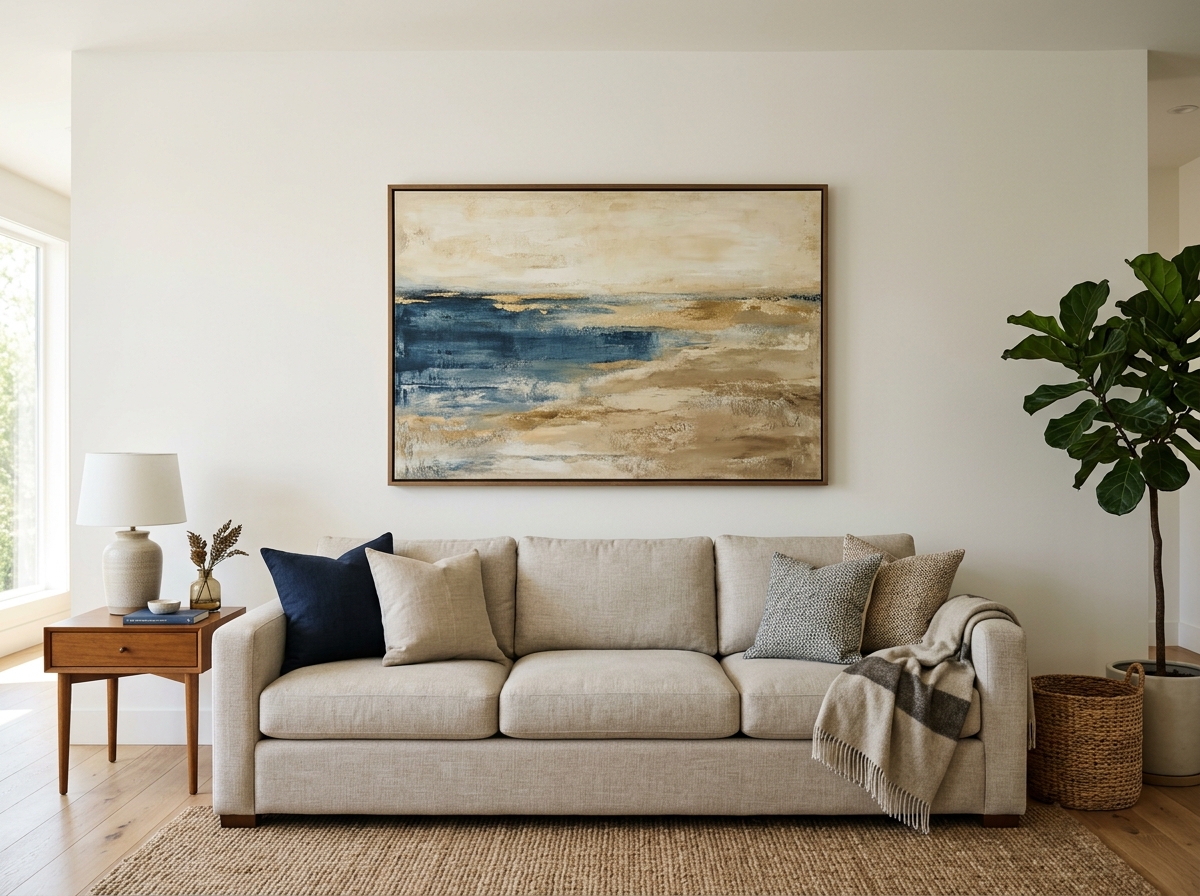
The term “dupe” in home decor doesn’t mean counterfeit. It means a piece that achieves the same visual weight and style feel as a high-end original, manufactured at a fraction of the cost. Mass-market retailers like Target, Amazon, and H&M Home now produce pieces visually inspired by design studios like Restoration Hardware and West Elm, making the aesthetic gap smaller than it’s ever been. Specific silhouettes, finishes, and material choices that once only existed at premium price points, think fluted wood legs, boucle upholstery, and linen drapery, have filtered down to every budget tier across major retailers.
The mindset shift that makes this approach actually work is what designers call the anchor piece rule. Choose one quality-looking hero item per room: a sculptural lamp, a large-format art print, an oversized arched mirror, a textured area rug. That single piece pulls the visual quality of everything around it upward. Once you have your anchor, everything else can be budget without the room looking budget. Invest in quality-feeling textiles like linen, boucle, and velvet, and feel free to go cheap on decorative objects, trays, and filler accessories. Related reading: small laundry room decor ideas that look as good as they work.
Living Room Swaps to Get a Designer Look for Less
Sofas and Rugs
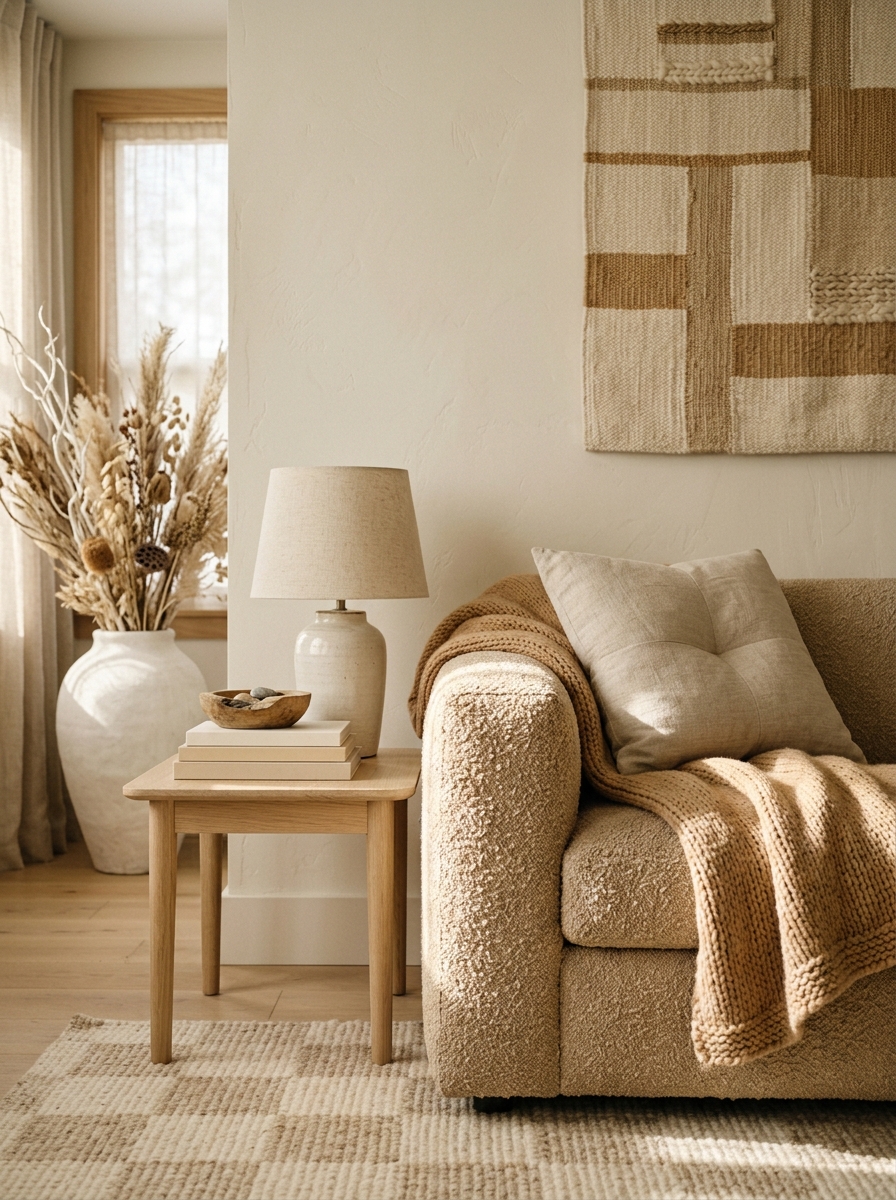
The living room does the most visual heavy lifting in any home, so this is where your anchor piece investment pays off most clearly. For sofas, the range of velvet and boucle dupes available has genuinely expanded. Article offers clean-lined, modern silhouettes at direct-to-consumer pricing that typically runs lower than comparable West Elm models. Wayfair carries a wide selection of boucle and performance-fabric sectionals that replicate the profile of Restoration Hardware’s popular styles. When you’re shopping, focus on the silhouette and fabric texture rather than the brand name. A low-profile sofa with a flared arm and a neutral boucle cover reads expensive in any room.
Rugs are one of the highest-impact swaps available. A well-sized, low-pile neutral rug from Ruggable or Target’s Threshold line creates the same grounding effect as higher-end options at a significantly more accessible price. The critical variable is sizing: go bigger than you think you need, because an undersized rug is the fastest way to make an entire living room look budget regardless of what else is in it. For throw and pillow layering, resist the matched set. Mix a chunky knit, a linen cover, and a velvet pillow in a single neutral family and the result reads as curated rather than purchased as a kit.
Art, Mirrors, and Lighting
Art, mirrors, and lighting are where a living room either tips into designer territory or falls flat. Oversized prints from Society6 in a simple wide black frame immediately signal a design-forward sensibility. An arched mirror from Amazon or H&M Home is a reliable affordable alternative to higher-priced boutique versions and creates excellent depth and light reflection in the space. For lamps, silhouette matters far more than brand. Column bases, sculptural ceramic forms, and drum shades all read as elevated. Look for these shapes in Target and Amazon’s home sections at budget-friendly price points, and they’ll hold their own against far pricier pieces.
Bedroom Upgrades That Feel Boutique-Worthy
Anchor Pieces to Achieve a Designer Look for Less
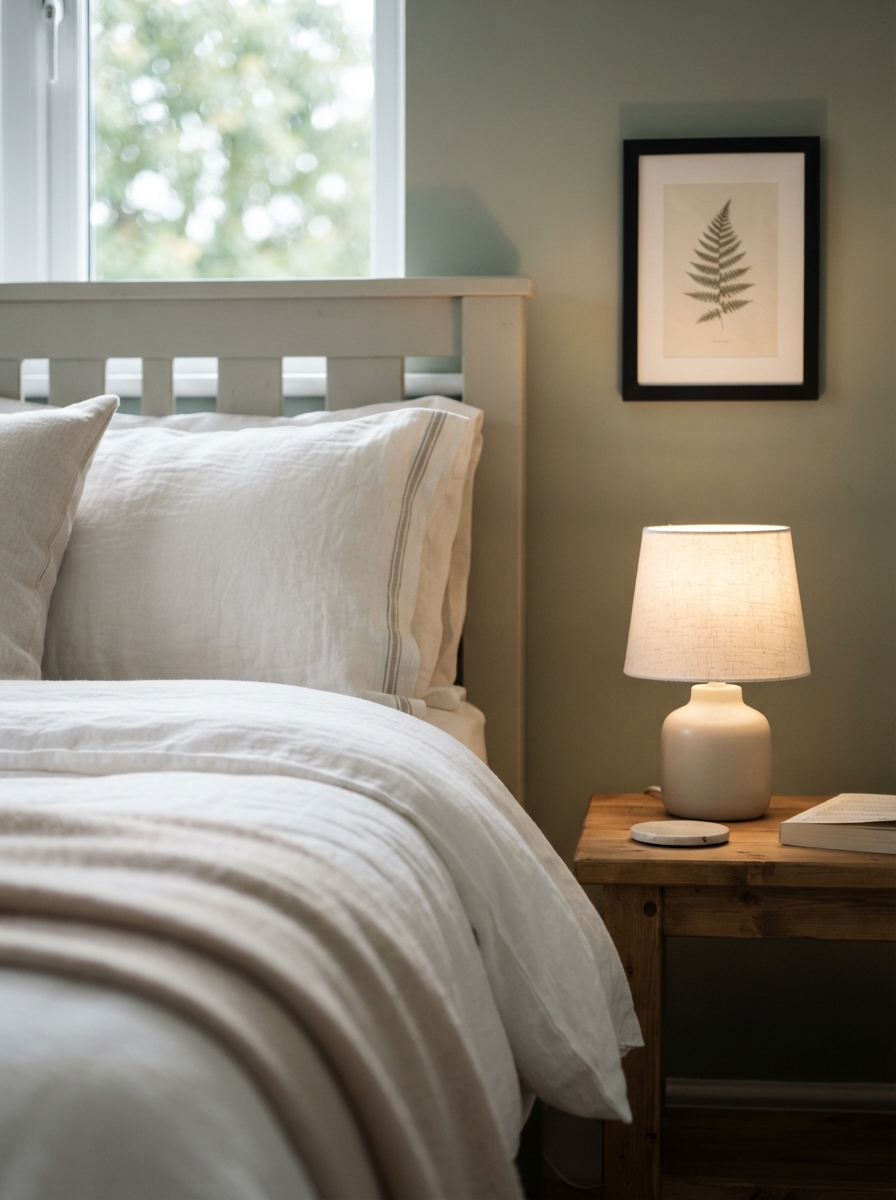
The hotel-style bed look comes down almost entirely to layering formula, not price. Start with a fitted sheet, add a flat sheet, layer a duvet on top, and drape a quilt or linen coverlet loosely across the foot of the bed. Add two euro shams behind two standard pillows in a coordinating neutral, and the bed instantly reads as photographed. The brands that consistently deliver quality-feeling bedding at accessible prices include Quince, Casaluna at Target, and California Design Den. When you’re shopping, prioritize fabric weight and weave over thread count; a 300-thread-count percale in a heavier yarn weight will feel more luxurious than a 600-thread-count sateen in a cheap, tissue-thin construction.
Nightstands are one of the smartest upgrade opportunities in any bedroom. Cane-front, fluted, or rounded nightstand shapes from IKEA with new drawer pulls in brushed brass or matte black look nothing like their flat-pack origins and everything like their $400 design-house equivalents. For headboards, upholstered panel options from Wayfair and Amazon consistently replicate the hotel collection aesthetic for under $200. The styling trick that completes the bedroom vignette: position a simple full-length or tall framed mirror from Target beside the dresser. That pairing creates the vanity moment common in high-end bedroom photography and costs less than most people expect.
Textile Choices That Read Expensive
The single most effective trick costs nothing: steam or press every textile before it goes on display. Wrinkled or pilled fabric is the fastest way to make a budget piece look cheap regardless of its actual price. Run a steamer over your duvet, your throw pillows, and your curtains, and the difference in how the room reads is immediate and significant. For fabric choices, cotton, linen, boucle, and velvet all perform well visually and photographically. Avoid overly shiny polyesters and flimsy sheers, those are the materials that telegraph a low price most loudly, even in rooms where everything else is well-chosen.
Entryway Swaps That Make a Strong First Impression
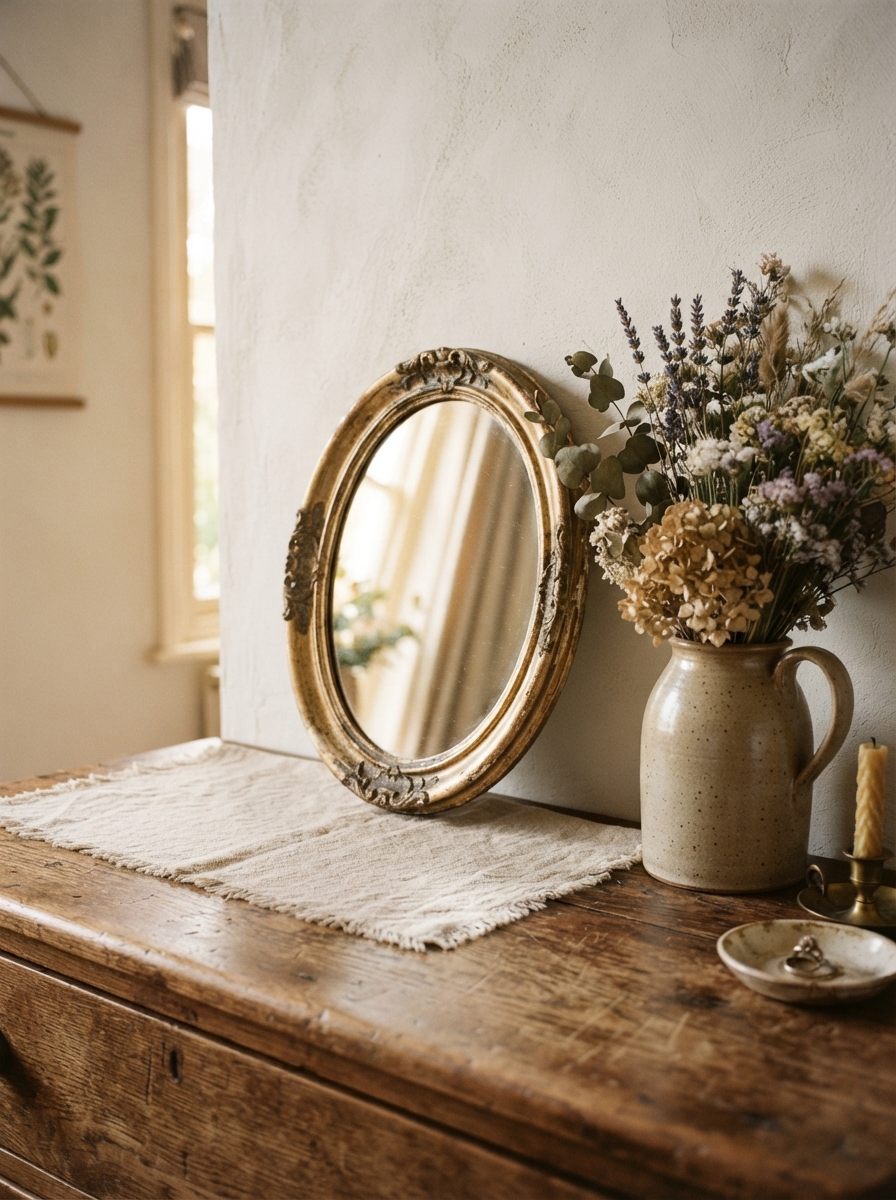
The designer entryway formula is consistent across every high-end interior you’ve ever admired: a slim console table, a tall mirror above it, a small tray or bowl on the surface, one plant or dried stem arrangement, and one practical element like a hook or a woven basket. That combination is what expensive entryways are built on, and every element is reproducible at a fraction of the cost. Slim console tables in rattan or marble-look finishes from Amazon and Wayfair replicate the Serena and Lily aesthetic at a significantly lower price point. Target’s 3-in-1 arched storage organizer is a well-documented Pottery Barn dupe that delivers hooks, a bench, and hidden storage in a single piece.
For mirrors, arched and rectangular options from Amazon, IKEA, and HomeGoods hit the same proportional notes as their designer counterparts at a dramatically lower price. The key is proportion: choose a mirror that fills at least two-thirds of the wall height above your console table. This single sizing decision determines whether the arrangement reads as designed or as an afterthought, a mirror that’s too small undermines everything else around it.
Storage that looks intentional rather than improvised separates a designed entryway from a functional but visually chaotic one. Materials signal quality immediately: rattan, solid wood, and linen all read as intentional and elevated. A wall-mounted rail with hooks, a low bench, and one woven basket creates the organized, curated look of a built-in mudroom without any renovation. One final move that most people skip: tie the entryway palette to the adjoining room. When the colors connect, the space reads as designed rather than decorated one piece at a time.
Styling Tricks That Make Every Budget Piece Look Genuinely Expensive
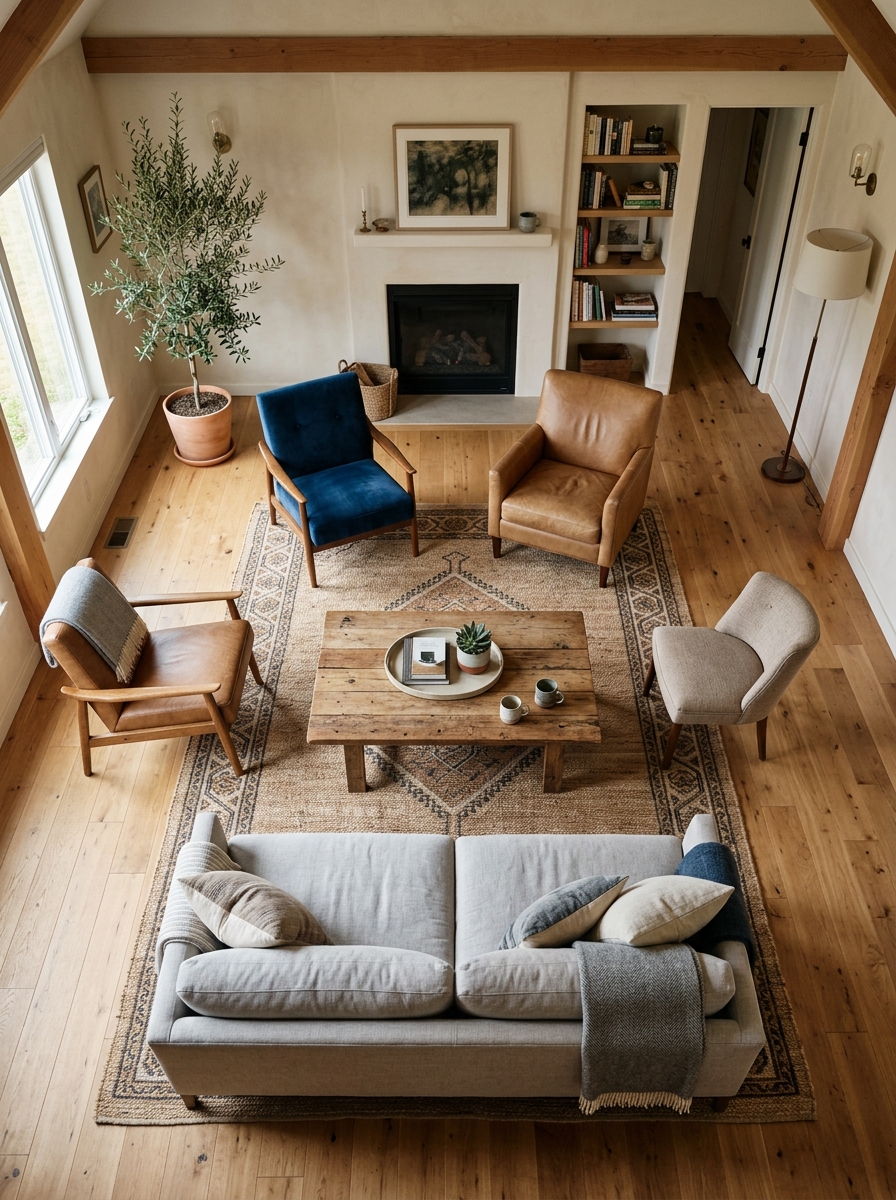
The edit matters as much as the selection. Removing one item from a vignette almost always makes the remaining pieces look more considered and expensive. Designer spaces are never cluttered, and that restraint is achievable at any budget. A two-to-three color palette per room is the single biggest differentiator between a space that reads as styled and one that reads as accumulated over time. The reliable formula: a warm or cool neutral base, one texture accent in linen, wood, or rattan, and one deliberate color pop contained to a single item. Monochrome layering in bedrooms and living rooms consistently reads as high-end, even when every piece in the room is budget.
Where to Shop for a Reliable Affordable Designer Look
Knowing where to look saves as much money as knowing what to buy. The most reliable shopping tiers break down like this:
- Under $50: Target’s Threshold line, H&M Home, IKEA, and Amazon home deliver strong visual impact at the lowest price point. Target also carries the Studio McGee collaboration, which spans a range of price points, many accent pieces fall under $50 while larger items run higher. These are the right sources for decorative objects, throw pillows, small mirrors, and accent pieces.
- $50 to $150: Wayfair, HomeGoods and TJ Maxx in-store, and Society6 for art. This tier covers rugs, lighting, larger mirrors, and statement accessories that anchor a room.
- $150 to $300: Article, Quince, Ruggable, and the Anthropologie sale section. This is the range where quality-feeling materials make the biggest difference, consider prioritizing it for hero pieces like a rug, a bedding set, or a statement chair where fabric and construction are most noticeable.
When shopping online, always check reviewer photos rather than relying on brand shots. Look for clean seams, solid color consistency, and accurate scale. The most common reason a budget piece looks wrong in a room isn’t quality. It’s proportion. Always measure before ordering furniture or large rugs, and confirm return policies before committing to large pieces from online retailers.
The Designer Look for Less Is a Skill, Not a Secret
The approach laid out here isn’t about buying the cheapest version of everything. It’s about knowing which pieces drive visual impact, applying a consistent styling formula, and choosing luxury-look-for-less alternatives that hit the same silhouette and material feel as their high-end counterparts. The living room, bedroom, and entryway are where first impressions form and daily life plays out, get those spaces right, even on a tight budget, and the investment pays off every single day you live in them.
Apply the anchor piece rule to each room. Lean on a controlled two-to-three color palette. Don’t underestimate what a steamed duvet, a well-placed mirror, and a properly sized rug can do for a space. At Aesthetic Nest Decor, you’ll find room-by-room styling breakdowns and affordable find roundups covering everything from living room anchor pieces to bedroom layering formulas, a practical resource to revisit whenever you’re ready to take on the next room. The designer-inspired home look is less about luck and more about knowing exactly where to put your attention and your dollars.
Frequently Asked Questions
How do I get a designer look for less without spending a lot of money?
Focus on one anchor piece per room, an arched mirror, a sculptural lamp, or an oversized art print, and keep everything else budget. A consistent two-to-three color palette and quality-feeling textiles like linen and boucle do most of the visual work, regardless of price.
What are the best stores for designer alternatives on a budget?
Target’s Threshold line, IKEA, H&M Home, and Amazon’s home section are reliable starting points under $50. Wayfair, HomeGoods, and Society6 cover the $50, $150 range well. For hero pieces where materials matter most, Article, Quince, and Ruggable are worth the slightly higher spend.
Which rooms should I prioritize for a high-end look on a budget?
The living room, bedroom, and entryway have the most visual impact on how a home feels overall. Styling those three rooms well, even with affordable designer alternatives, creates a ripple effect that elevates the rest of the home.
What makes a budget piece look expensive?
Proportion, texture, and editing. Size rugs and mirrors generously, choose natural-feeling fabrics over shiny synthetics, steam every textile before display, and remove at least one item from each vignette. Restraint reads as intentional design at every price point.