
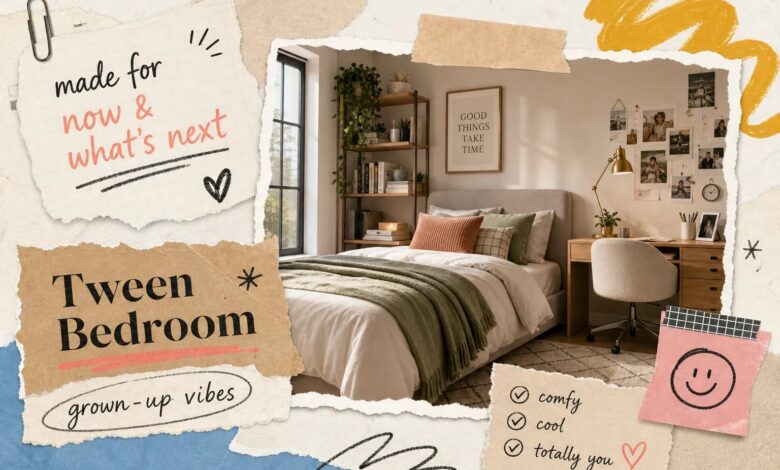
One morning your kid wanders into their bedroom, stares at the cartoon duvet cover they picked out three years ago, and announces they hate everything about their room. Welcome to tween bedroom design, one of the trickiest transitions a parent navigates. It’s not a toddler refresh and it’s not a full teen overhaul. It’s something in between, and standard advice rarely covers it well.
Parents dealing with this shift often turn to room-by-room styling guides just to figure out where to start and what to spend money on first. The good news is that preteen bedroom design doesn’t have to mean a full renovation or a room your child outgrows in a year. This article covers design direction, the three functional zones every tween room needs, furniture that earns its footprint, and a realistic budget framework so you can build a space that actually adapts. More on that in interior design tips.
Want the shortcut?
As an Amazon Associate I earn from qualifying purchases. Some links in this post are affiliate links, at no extra cost to you.
Desks, storage and lighting that suit a tween now and a teenager later.
Check price on Amazon →Why preteen bedroom design is a category of its own
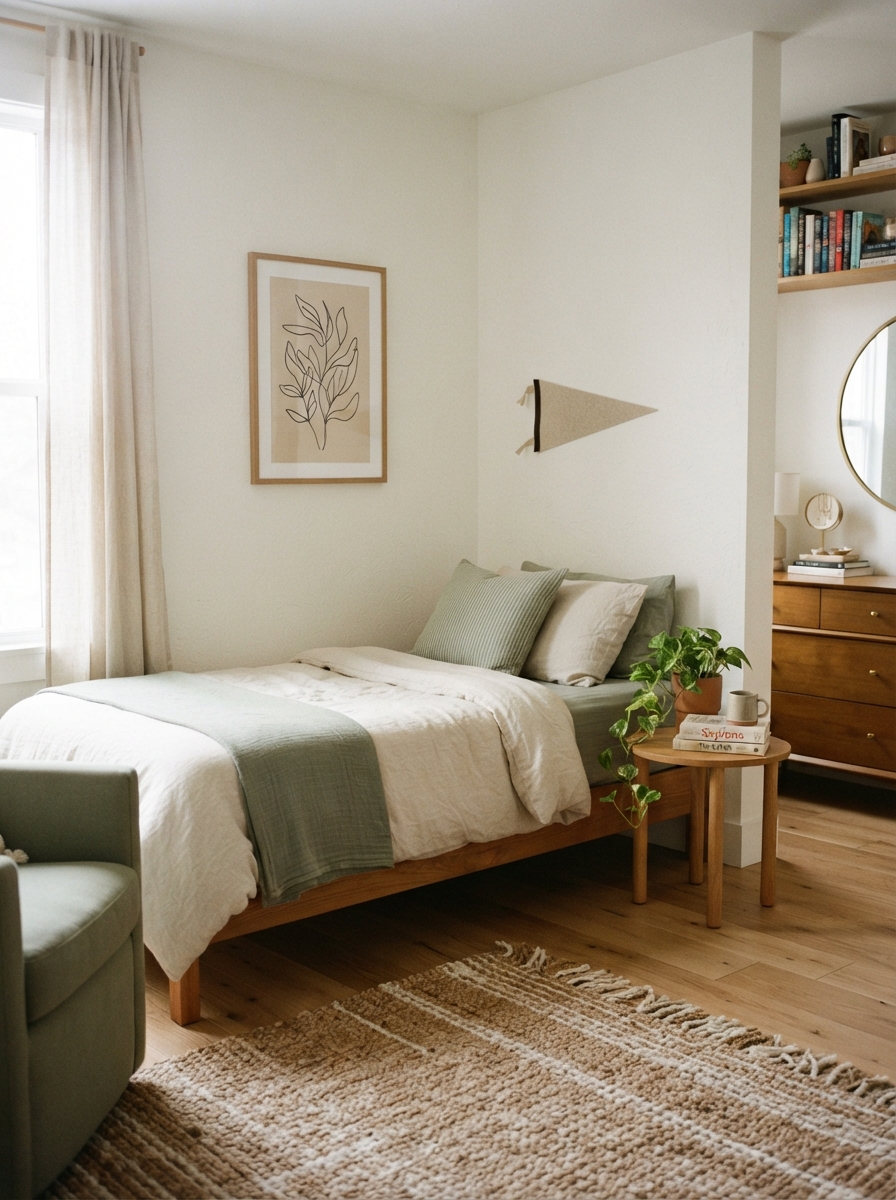
The common advice, “just add some darker colors” or “wait until they’re a teenager”, misses the point entirely. Tweens between ages 8 and 12 are shifting fast: their tastes, their study demands, and their need for personal space all change within months. A room designed purely on aesthetics without functional zones is likely to feel outdated or inadequate within months as needs and tastes shift, which is exactly the situation most parents are trying to avoid. Related reading: 10 bedroom colors that feel dated in 2026.
The core mismatch here is real. Parents want durability and longevity. Tweens want personality and a space that feels like theirs. Those goals aren’t mutually exclusive, but they do require a specific design approach rather than a single trip to a big-box store for a themed bedding set.
Child development and sleep researchers consistently highlight three things tweens need from their bedroom: a place to decompress privately, a dedicated study area that supports longer homework sessions, and storage that handles the gear explosion of this age. At 10, a child is managing books, devices, art supplies, sports equipment, and school supplies all at once. Before you choose a paint color or a rug, these three anchors need to be planned. Every other decision follows from them.
Tween bedroom design: Color palettes and themes that won’t date the room in 18 months
The strongest tween bedroom decor palettes in 2026 are nature-inspired, layered neutrals, not the bright primaries that dominated kids’ rooms a decade ago. Sage green and cream, dusty blue and warm white, warm greige and sand, and blush pink paired with taupe and soft gray are the palettes showing up consistently. For tween girl room ideas, the blush-and-taupe combination works especially well because it reads as grown-up without skewing too old.
These palettes earn their place because they age well. Sage green on the walls still looks current when your 10-year-old hits 13. Warm greige doesn’t feel babyish or overly mature. The room’s structure stays timeless, and personality comes through other elements. That’s the critical distinction: walls and large furniture hold the neutral base; bedding, art, and accents carry the personality.
The accent-led color strategy is the most practical approach for this age group. Keep walls and large furniture in the neutral base, then bring in your child’s current interests through bedding, a statement rug, art prints, and one feature wall. When interests shift from horses to music to fashion (and they will), a new duvet and a set of art prints can refresh the room for tens of dollars rather than triggering a full overhaul. Removable wallpaper and peel-and-stick panels on one accent wall give you a design moment without a long-term commitment.
The three zones a tween bedroom can’t function without
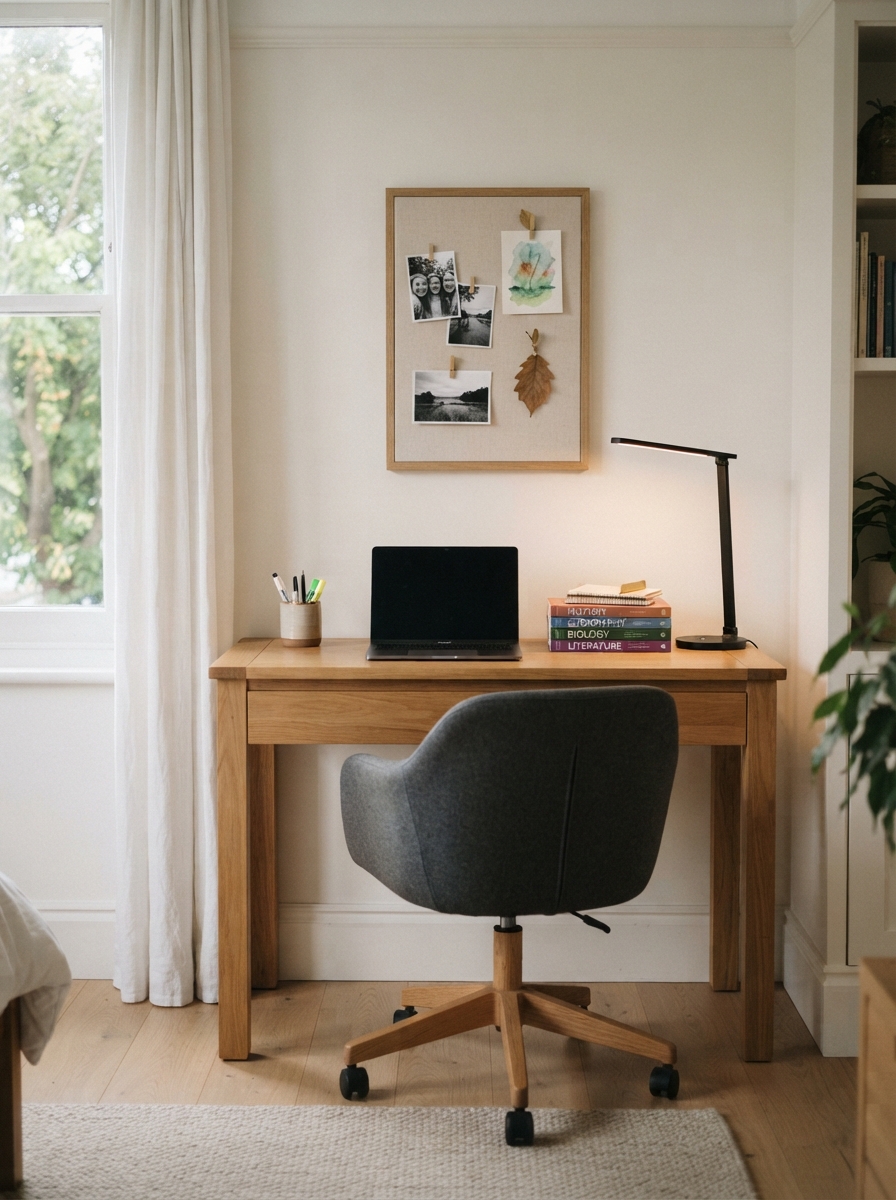
The study and homework corner
Homework sessions get longer as kids move through middle school, so the desk setup matters more than most parents expect. A desk that’s 40, 48 inches wide and 20, 24 inches deep gives enough surface for a laptop, a notebook, and a task lamp without crowding the workspace. Pair it with an adjustable chair set so the tween’s feet are flat on the floor with knees at 90 degrees. Posture during homework sessions directly affects focus, and a chair bought for a 9-year-old rarely fits a 12-year-old correctly.
For lighting, aim for 300, 500 lux at the desktop using a combination of ambient ceiling light and a dedicated task lamp. A bulb around 4000K (neutral white) keeps the study zone alert without feeling harsh. Place the lamp on the opposite side of the writing hand to cut shadows, and position the desk near natural light if the room allows it, while keeping the screen angled away from glare. Leave at least 24, 36 inches behind the chair so the tween can pull back from the desk without hitting the wall or the bed.
Tween storage solutions that actually handle tween gear
Tweens generate more storage complexity than toddlers do. Sports gear, art supplies, devices and their chargers, books for school and for fun, and collections of whatever they’re currently into all need a designated home. When storage isn’t designed with that volume in mind, the room looks chaotic within a week regardless of how carefully it was styled.
Start with vertical storage before adding floor furniture. Wall-mounted and floating shelves free up floor space and keep the room from feeling crowded. Under-bed bins and rolling drawers handle seasonal items, extra bedding, and anything used less frequently. Over-door organizers, often overlooked in tween room ideas, work extremely well for shoes, accessories, and school supplies. Labeled containers and cubbies keep categories visible so things actually go back where they belong.
The sleep zone beyond just picking a bed
Tweens need 9, 11 hours of sleep, and light control at this age is genuinely important for healthy rest. Blackout curtains or blinds aren’t an aesthetic choice here; they’re a functional one that pays off every morning, particularly given evening screen exposure that can interfere with winding down. Add a reading light or clip-on lamp to give the tween a way to settle in without overhead lights on, and keep the bed as the room’s visual anchor. A bed frame with built-in drawers handles two jobs at once, which matters in smaller rooms where every piece of furniture needs to earn its square footage. Related reading: 35 aesthetic bedroom ideas for every style & budget.
 IOTXYSolid Wood Writing Desk, Home Office Laptop Computer Desk★★★★½ 4.4 (644)Check price on Amazon →
 YFOErgonomic Desk Chair with Rubber Casters, Adjustable★★★★½ 4.5 (733)Check price on Amazon →
 LED Desk LampEye-Caring Diffused Desk Light for Home Office and Study★★★★½ 4.8 (944)Check price on Amazon →
 Clip-On LampClip on Reading Light, 9 Brightness Levels and 5 Colours★★★★½ 4.4 (839)Check price on Amazon →
Prices and availability change on Amazon. As an Amazon Associate I earn from qualifying purchases.
Furniture that earns its space now and adapts later
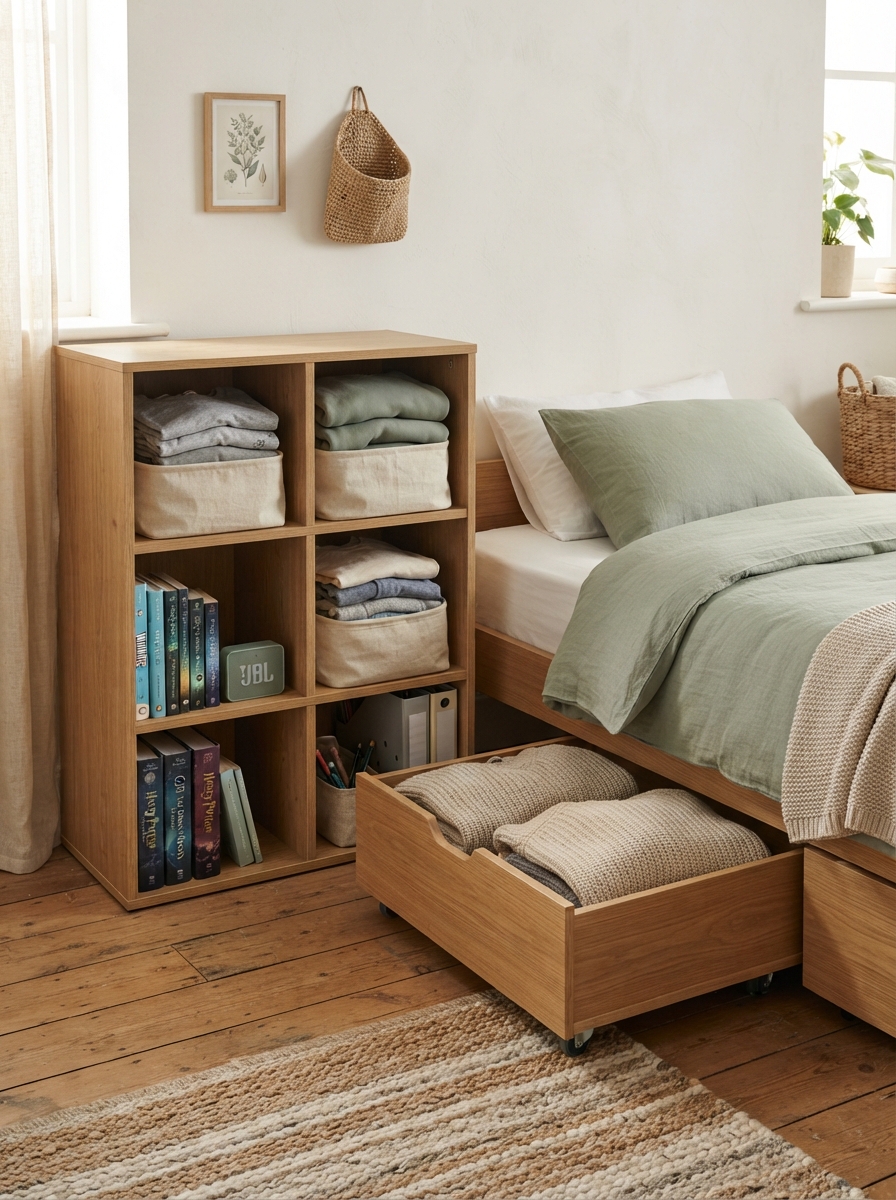
The furniture choices you make for a tween room set the room’s footprint for several years, so it’s worth thinking through the price-versus-function trade-off carefully. Basic tween bedroom pieces at mass retailers start around $70, $200 for individual items. Mid-range multifunctional furniture, including loft beds with a built-in desk or storage bed frames with drawers, typically runs $500, $1,200. Storage beds generally fall in the lower-to-mid portion of that range and work well for smaller rooms where floor space is limited.
For tight budgets, a standard twin bed paired with a compact desk and a tall bookcase is often more flexible than one expensive all-in-one piece. Loft beds free up the most floor space and create a natural study zone underneath, but they require adequate ceiling height to work safely and comfortably. If the ceiling in your tween’s room is on the lower side, a storage bed combined with wall shelving usually delivers better results.
Prioritize adjustable desks, beds with drawers rather than built-in toy storage, and modular shelving units that can be reconfigured. Avoid furniture tied to a specific theme because princess canopies and race car frames lock the room into an aesthetic the child will outgrow within 18 months. The goal is neutral structure with swappable personality layers on top.
 Under-BedUnder Bed Storage with Wheels, 2 Pack, Zip Lid★★★★½ 4.4 (758)Check price on Amazon →
 AshwanthUnder Bed Storage with Wheels, 2-Pack, XXL Large★★★★☆ 4.3 (738)Check price on Amazon →
 6-Cube Shelf6-Cube Storage Shelf Bookcase, Walnut Finish★★★★½ 4.5 (762)Check price on Amazon →
 COB LED StripCOB LED Strip Light Warm White, High Brightness with Remote★★★★½ 4.4 (581)Check price on Amazon →
Prices and availability change on Amazon. As an Amazon Associate I earn from qualifying purchases.
Decor strategies that keep the room feeling current as they grow
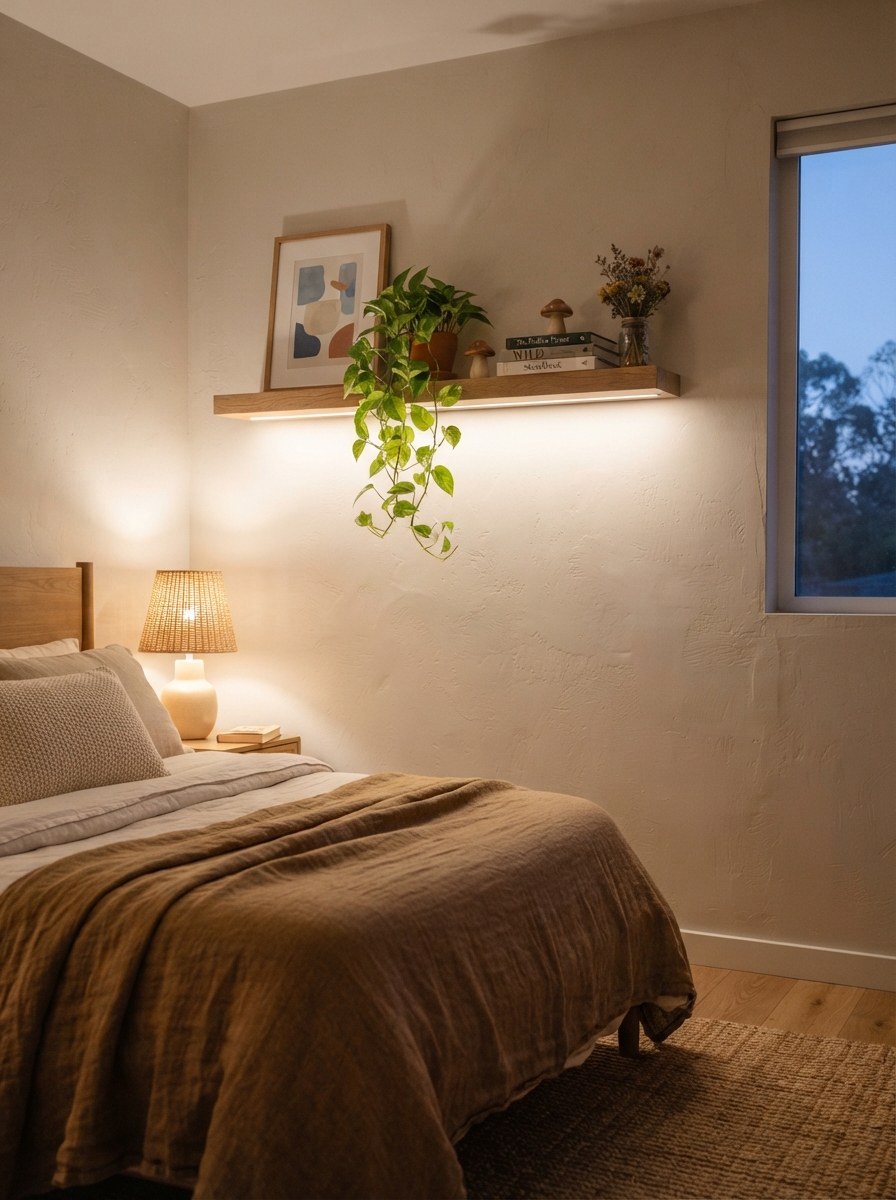
The formula that works for this age is straightforward: invest in timeless structural elements, then build personality through items that are inexpensive and easy to swap. Textiles are the fastest update available. Bedding, curtains, a throw, and cushions can shift the room’s entire mood for under $100. A rug swap from a playful pattern to something geometric or abstract is a low-cost change, think entry-level pricing at most home stores, and it raises the room’s maturity level significantly.
Three specific tools make this approach work in practice. A gallery wall with frames (not just tape) gives the tween ownership of their space and is easy to refresh as interests shift. Removable wallpaper on one accent wall adds a real design moment without a renovation commitment. A curated set of art prints, framed printables are a practical, low-cost option here, can move from playful to more sophisticated without touching the furniture or the walls. Your tween’s preferences at 10 may be completely different from their preferences at 13, and a modular decor system handles that shift without requiring a full redesign.
The principle behind all of this is the same one that runs through every room guide at Aesthetic Nest Decor: spend on the things that are hard to change, and save on the things that are easy to swap. That mindset is what keeps a tween bedroom design from feeling dated every time your child changes their mind.
Building a realistic budget and knowing where to start
Budget triage matters here because the most common mistake parents make is spending money in the wrong order. Spend on the bed frame, because it sets the room’s footprint and often provides storage. Spend on the desk chair, because adjustability affects posture and focus during homework. Spend on window treatments, because blackout functionality earns its cost every single night.
Save on decorative pillows, wall art, and accent lighting, those are easy wins for personality without serious investment. Merge that savings mindset with one clear rule: avoid themed bedding sets your child will love intensely for six months and then reject. Put that budget toward functional furniture and use an affordable duvet cover to express the current obsession. Plan one swap-friendly personality layer, textiles or wall art, as the first style injection, then add a feature wall treatment (removable wallpaper or a gallery wall) once the functional setup is done.
A practical sequence for tackling the refresh looks like this:
- Define the three zones (study, sleep, storage) before choosing any decor
- Choose a neutral base palette before selecting accent colors or bedding
- Buy functional furniture before decorative purchases
- Plan one swap-friendly personality layer, textiles or wall art, as the first style injection
- Add a feature wall treatment (removable wallpaper or a gallery wall) after the functional setup is done
If you want to go deeper on any individual zone, the room-by-room styling guides at Aesthetic Nest Decor walk through each space in more detail, from layout to shopping, without pushing you toward a full renovation.
Tween bedroom shopping list
- Writing desk — full depth, so it still works at sixteen
- Adjustable desk chair — height range matters more than the look
- Diffused desk lamp — no glare on a screen
- Under-bed bins on wheels — the storage nobody sees
- 6-cube shelf — baskets now, books later
- Warm LED strip — the cheap upgrade tweens actually want
Prices and availability change. Links open on Amazon.
Building a room they’ll grow into, not out of
Good tween bedroom design isn’t about getting the room perfect right now. It’s about building a space your child can grow into over the next several years as they move from preteen to teen. The three-zone framework, study, sleep, and storage, gives the room its bones. The neutral-plus-swappable-layers strategy gives it longevity. And age-appropriate bedroom design that prioritizes furniture earning its footprint means the room stays functional even as your child’s body, schedule, and taste all change. See also: 15 small bedroom storage ideas that maximize space.
A room built this way needs a refresh when the next phase hits, not a renovation. The walls stay. The bed and the desk stay too. What changes is the bedding, the art, maybe a rug, a Saturday afternoon project, not a budget conversation. Done right, solid tween bedroom design buys you years before you have to think seriously about the room again, which is exactly what most parents are hoping for when they start this process.