
Backpacks on the floor. Wet boots shoved against the wall. Three coats draped over the one hook that’s actually within reach. Sound familiar? If you have young kids, the mudroom should be solving this problem, but the wrong storage system makes the chaos worse, not better. The issue usually isn’t the kids’ behavior; it’s that the storage was designed for adults.
As an Amazon Associate I earn from qualifying purchases. Some links in this post are affiliate links, at no extra cost to you.
At Aesthetic Nest Decor, the single most common question we get from parents is some version of: “What is the best mudroom storage system for a family with young kids?” The answer depends on your kids’ ages, your available space, and your budget. This guide compares the four main mudroom storage types, gives you real sizing numbers by age group, and helps you choose a system your kids will actually use without being nagged every morning.
What makes a mudroom storage system work for young kids
Kid-accessible design comes first
The single biggest mistake families make is buying a system built for adult habits. Hooks placed at 60 inches, cubbies too deep for small arms, or cabinet doors too heavy for little hands all lead to the same outcome: the floor becomes the default storage spot. A storage system only works if the people using it can actually reach it.
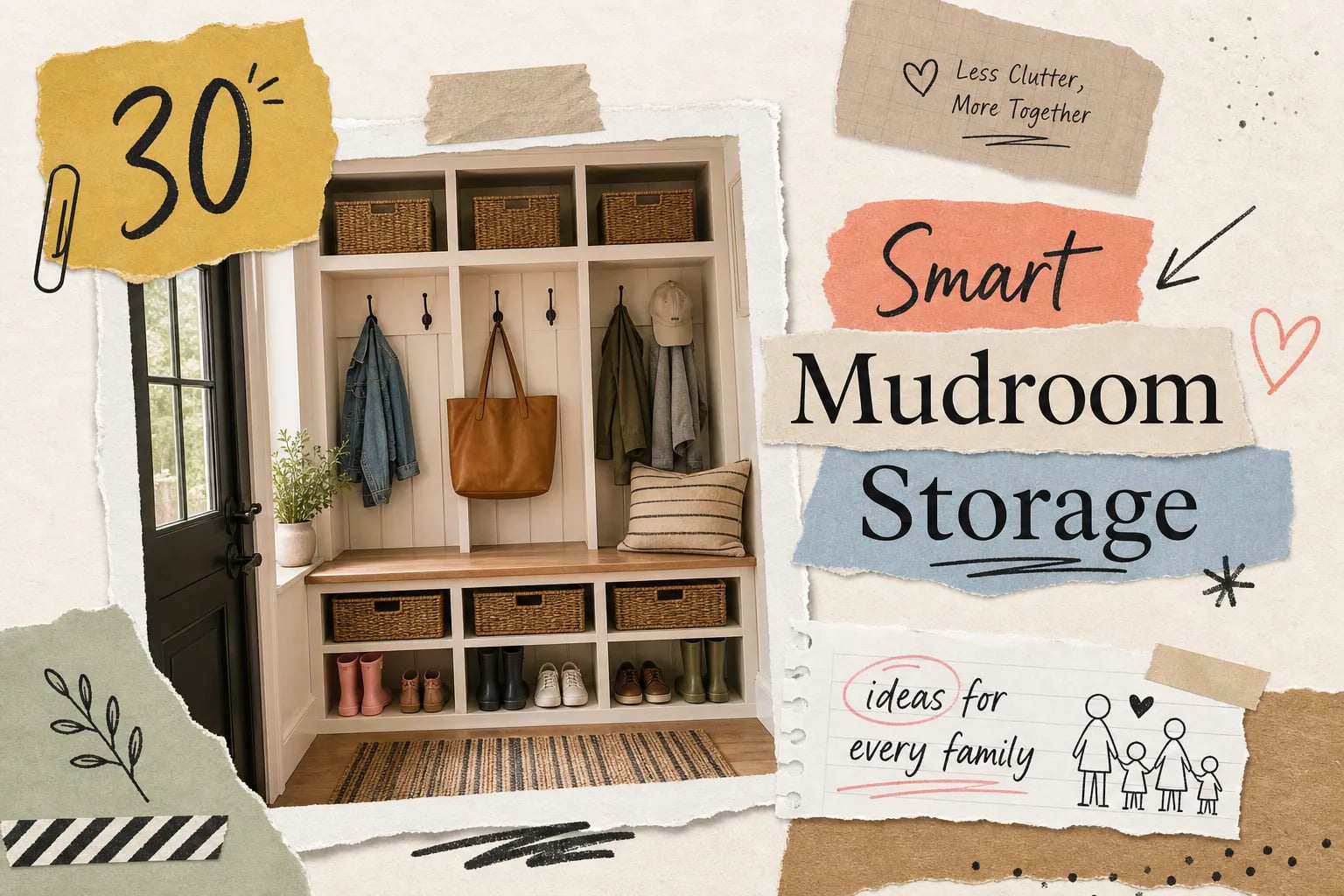
For a wider comparison of systems, see our 30 smart mudroom storage ideas.
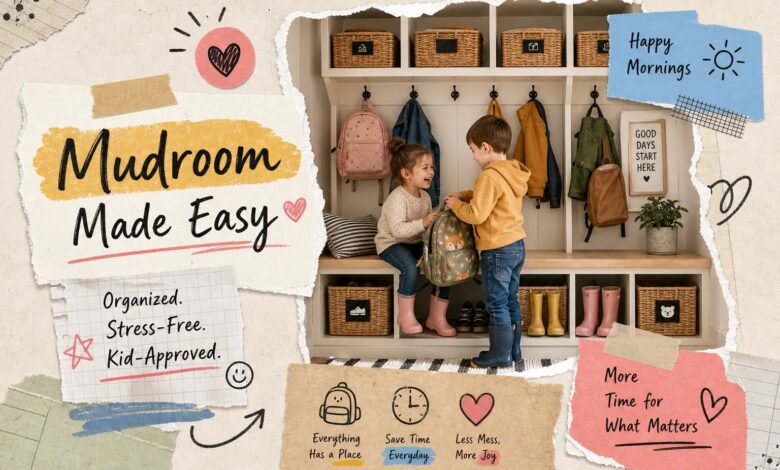
Effective kid-friendly mudroom organizers put storage at children’s eye level and arm’s reach so they can put things away independently. This builds good habits and cuts down on the daily friction that makes morning routines feel like a contact sport. The goal isn’t just organization; it’s a system kids can run themselves.
Durability that holds up to daily family chaos
A mudroom absorbs more abuse than almost any other room in the house. Wet soccer cleats, muddy backpacks, and the occasional thrown boot are normal occurrences. Materials need to handle moisture, repeated impact, and regular wipe-downs without warping or chipping. That means wipe-clean surfaces, sturdy weight ratings of at least 200 pounds, scratch-resistant finishes, and stable frames that won’t tip when a toddler grabs a hook to steady themselves.
The practical standard for mudroom surfaces: if you can’t wipe it clean in under 30 seconds, it’s the wrong finish for this room. Laminated or melamine-faced panels, powder-coated metal, and hard-sealed paint all clear that bar. Raw wood and unfinished MDF do not.
Budget fit matters as much as design
A storage system you can’t afford to finish will leave you with a half-installed wall and a bigger mess than when you started. There are three real cost tiers for family mudroom organization: DIY builds, modular and prebuilt systems, and custom cabinetry. Knowing which tier fits your budget upfront saves you from falling in love with a custom locker wall when a well-chosen modular system would get the job done at a fraction of the price.
What is the best mudroom storage system for a family with young kids? The four main types compared
Open cubbies: fast access and high visibility
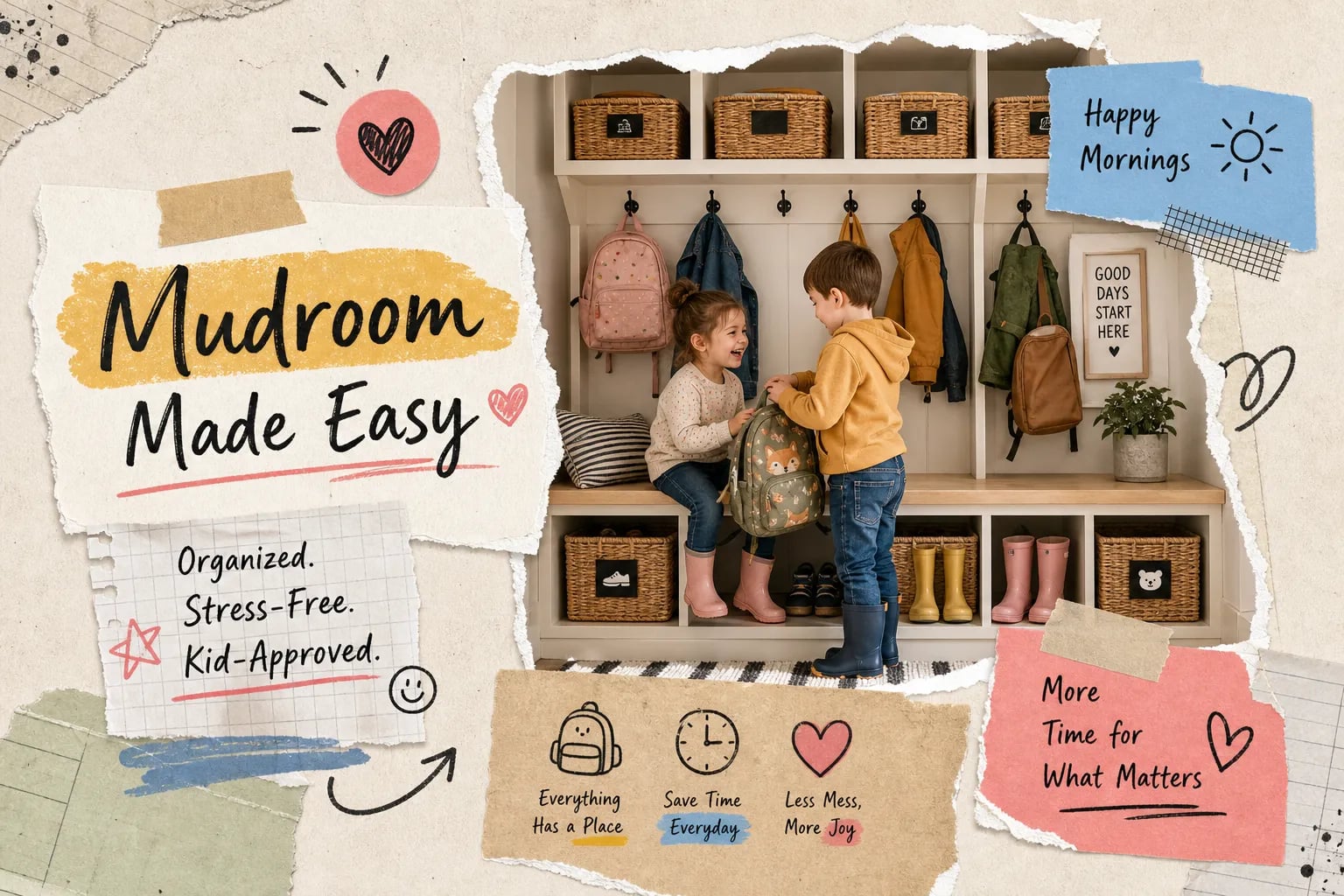
Open cubbies are the most popular mudroom storage choice for families with young children because grabbing and dropping off items is fast. Each child gets an assigned bay, which creates a built-in routine that even preschoolers can follow without help. The tradeoff is visibility: open cubbies look cluttered quickly, so they work best for families willing to do a quick daily reset.
Built-in cubby walls give the most polished, permanent look and tend to fit a space precisely, but they come at a higher cost. For a more budget-conscious version of the same concept, modular cubby units from major retailers get very close to the same result without requiring a contractor.
Freestanding lockers: contained and clutter-hiding
Freestanding locker units give each child a dedicated, door-closed compartment, which is useful for hiding the visual mess of daily gear. The ECR4Kids 5-Section Coat Locker with Bench and Cubby Storage is a well-regarded kid-focused option in this category, with 10 double hooks, birch wood construction, and a 275-pound capacity. Keep in mind that the enclosed space can quickly become a junk catch-all if kids aren’t held to a routine.
Lockers are also bulkier, which makes them a harder fit for compact entryways. They work best in larger mudrooms where there’s room to open doors without blocking traffic flow, and they’re a better match for school-age kids who can manage a bit more organization than toddlers typically can.
Bench-with-storage: the practical hybrid for small kids
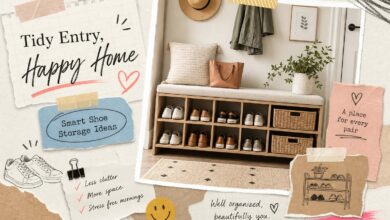
A mudroom bench with storage below is the workhorse option for families with toddlers and preschoolers. The bench gives small children a stable place to sit while putting on shoes, which is genuinely useful at those ages. Storage underneath, whether baskets, cubbies, or drawers, keeps shoes and bags close to where they’re actually put on and taken off.
The main risk is that bench-level storage becomes a dumping zone. Pairing it with labeled baskets or bins adds enough structure to prevent that. A bench height of 17 to 19 inches is the sweet spot across all age groups: low enough for a four-year-old to sit comfortably, still functional for adults. The VASAGLE Industrial Entryway Bench and the HOOBRO Hall Tree with Bench are both solid real-world options at accessible price points.
Modular systems: flexible and scalable as kids grow
Modular systems, configurable panels, stackable cubbies, and mix-and-match lockers, hit a practical middle ground between full custom builds and basic freestanding furniture. They’re easier to install than built-ins, adjustable as your kids grow, and don’t require professional carpentry to set up. IKEA PAX and Sektion systems can be configured into effective mudroom walls and run roughly $150 to $450 per linear foot fully configured.
Lower-cost modular lines can feel less solid than true built-ins, so prioritize metal-framed or solid-composite options when durability is non-negotiable. Check weight ratings before you buy: anything rated under 200 pounds isn’t going to survive a family mudroom for long.
Getting the sizing right: mudroom storage for toddlers through school-age kids
Hook and shelf heights by age group
Hook placement is where most family mudrooms go wrong. For toddlers between ages 2 and 4, hooks should sit at 24 to 30 inches from the floor so they can hang their own coats without adult help. Preschoolers between ages 4 and 6 can reach hooks placed at 36 to 42 inches. School-age kids between 6 and 12 work well with hooks at 42 to 54 inches, depending on height.
If your children span multiple age ranges, install a double-row hook strip. The lower row stays in place for younger kids, and the upper row can be adjusted as they grow. This approach gives you a system that evolves without requiring a full redesign every few years.
Cubby dimensions that little hands can actually navigate
The most child-friendly cubby width is 18 to 24 inches per person: wide enough for a backpack laid flat, but not so deep that small items disappear to the back. Keep open cubby depth at 12 to 15 inches so toddlers can reach the back without tipping forward. Avoid shoe storage inside deep drawers that little hands can’t navigate independently; open bins or angled shoe shelves work far better for young children.
For bench seating, 17 to 19 inches from the floor is the consistent sweet spot. It’s low enough for a preschooler to use comfortably and still works well for adults, which means the bench doesn’t need to change as your kids grow.
What you’ll actually spend: cost by system type
DIY mudroom storage
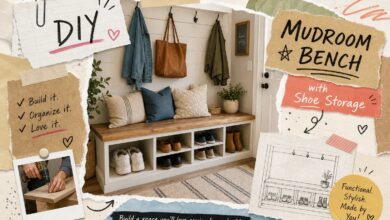
DIY builds are the lowest-cost entry point, with material costs typically landing in the $50 to $300 per linear foot range depending on what you use. A real-world DIY mudroom locker project using stock lumber and hardware can come in around $1,000 to $1,200 total for a standard wall. The tradeoff is time and skill. If you’re comfortable with basic carpentry, this is where you get the most storage per dollar spent.
Modular and prebuilt systems
Stock and semi-custom modular systems run $150 to $500 per linear foot, with individual locker or bench units typically priced at $600 to $2,500 depending on size and finish. These hit the widest range of family budgets and don’t require installation expertise beyond basic assembly. Look for units with soft-close hinges for cabinet doors and rounded corners if you have toddlers in the house.
Custom cabinetry
Full custom mudroom systems start around $500 to $1,200 per linear foot, with the average total installed cost for a complete built-in system landing between $4,000 and $7,000. A four-bay locker-and-bench wall often falls in the $3,000 to $10,000 range installed, depending on materials and your region. This is the right investment if you’re in your forever home and want a system built precisely to your space and your kids’ heights. For most families in a starter or mid-term home, modular offers 80% of the result at a fraction of the cost.
Which mudroom storage system fits your family best
The Aesthetic Nest Decor recommendation for most families
At Aesthetic Nest Decor, our design philosophy has always been that a beautiful space has to work in actual daily life, not just in a styled photo. For families with young children, that means the best mudroom storage system for a family with young kids needs to earn its place every single morning when backpacks fly and shoes come off. Our recommendation for most families: start with a modular bench-and-cubby hybrid. It gives toddlers a place to sit, assigns each child a visual home for their gear, and doesn’t require a contractor to install.
Matching the system to your specific situation
If you have toddlers only, prioritize the bench and low hooks. Keep it simple and low to the ground; complexity works against you at this stage. If your kids are school-age, add a locker section with a door to give older children some contained space and a bit of visual separation from the rest of the entryway.
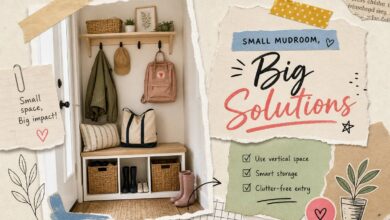
If your mudroom is compact, under six feet wide, a single modular bench with two or three cubby bays and a hook strip above will outperform an oversized freestanding locker that blocks traffic flow. For families ready to invest in something permanent, a custom built-in with a lower hook row and adjustable shelves will grow with your kids for years and add real resale value to the home.
Putting it all together
So what is the best mudroom storage system for a family with young kids? It’s not the one with the most features. It’s the one your kids will actually use without being reminded. Match storage type to your children’s ages, size your hooks and cubbies to the people who will actually use them, choose materials that wipe clean and hold up to real daily use, and let your budget guide whether you go DIY, modular, or custom.
Pick a system that puts their stuff at their level, keeps daily chaos contained, and leaves room to evolve as they grow. A well-planned mudroom doesn’t just tame the morning rush; it teaches kids the habit of putting things away on their own, a payoff that lasts long after they’ve outgrown the toddler hook height. For more room-by-room organization guides built around how families actually live, explore Aesthetic Nest Decor’s entryway and mudroom section. Related reading: entryway & mudroom.

Family Mudroom System shopping list
- Kids cubby storage unit — one zone per child
- Open storage bins — lids get skipped, open does not
- Low coat hooks — the height decides if it gets used
- Bench with shoe storage — sitting down is the whole trick
- Waterproof boot tray — the floor saver
- Anti tip furniture straps — with young kids, essential
Prices and availability change. Links open on Amazon.
Frequently asked questions
What is the best mudroom storage system for a family with young kids?
For most families, a modular bench-and-cubby hybrid is the strongest starting point. It combines seating for small children with assigned storage bays and installs without a contractor. Open cubbies work well for quick daily drop-offs; freestanding lockers suit school-age kids who can manage a bit more organization. Choose based on your children’s ages, your available space, and your budget.
What height should mudroom hooks be for toddlers?
For children ages 2 to 4, hooks should be placed 24 to 30 inches from the floor. This lets toddlers hang coats independently, which is the single biggest factor in whether a mudroom system gets used consistently.
Is a built-in or modular mudroom system better for families?
Built-in systems offer a precise fit and a polished look, but they cost significantly more and aren’t practical for families who may move. Modular systems deliver roughly 80% of the same function at a fraction of the price, with the added benefit of being reconfigurable as your kids grow. For most families in a non-forever home, modular is the smarter investment.
What materials hold up best in a family mudroom?
Laminated or melamine-faced panels, powder-coated metal, and hard-sealed paint are the most practical choices. All three wipe clean quickly, resist moisture, and handle daily impact without chipping or warping. Avoid raw wood and unfinished MDF in high-traffic mudroom conditions.