

As an Amazon Associate I earn from qualifying purchases. Some links in this post are affiliate links, at no extra cost to you.
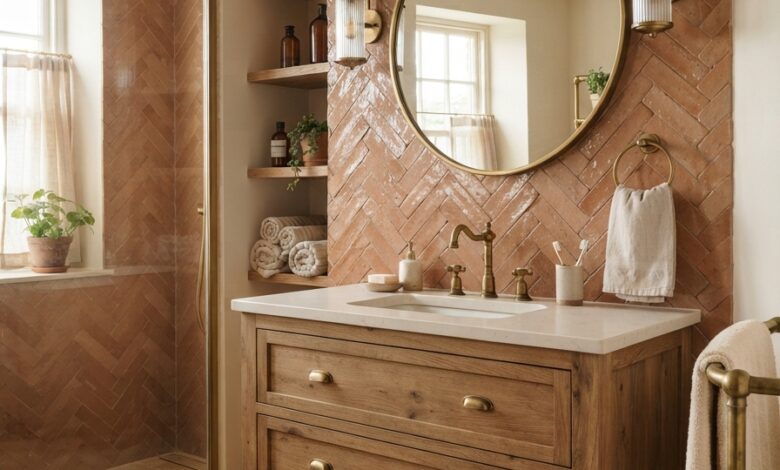
A bathroom is the easiest room in the house to transform with a single wall, because the room is small enough that one surface changes everything. It is also the easiest room to get wrong, because most decorative finishes were not designed to live in steam. This guide covers bathroom accent wall ideas step by step, with practical tips and product picks.
Three options are worth considering. They differ enormously in cost and in how much disruption they cause.
Pick the wall before you pick the finish
This gets done backwards constantly. People choose a beautiful tile and then work out where it goes.
The wall worth treating is the one you see first from the doorway. In most bathrooms that is the wall behind the bath, or the one behind the basin. Treating a wall you only see while standing in the shower is money spent where nobody looks.
The second consideration is wet versus dry. A wall inside the shower enclosure has to be fully waterproof, which rules out paint and most panelling. A wall behind the basin only has to cope with splashes, which opens up every option.
Tile: the expensive one that lasts
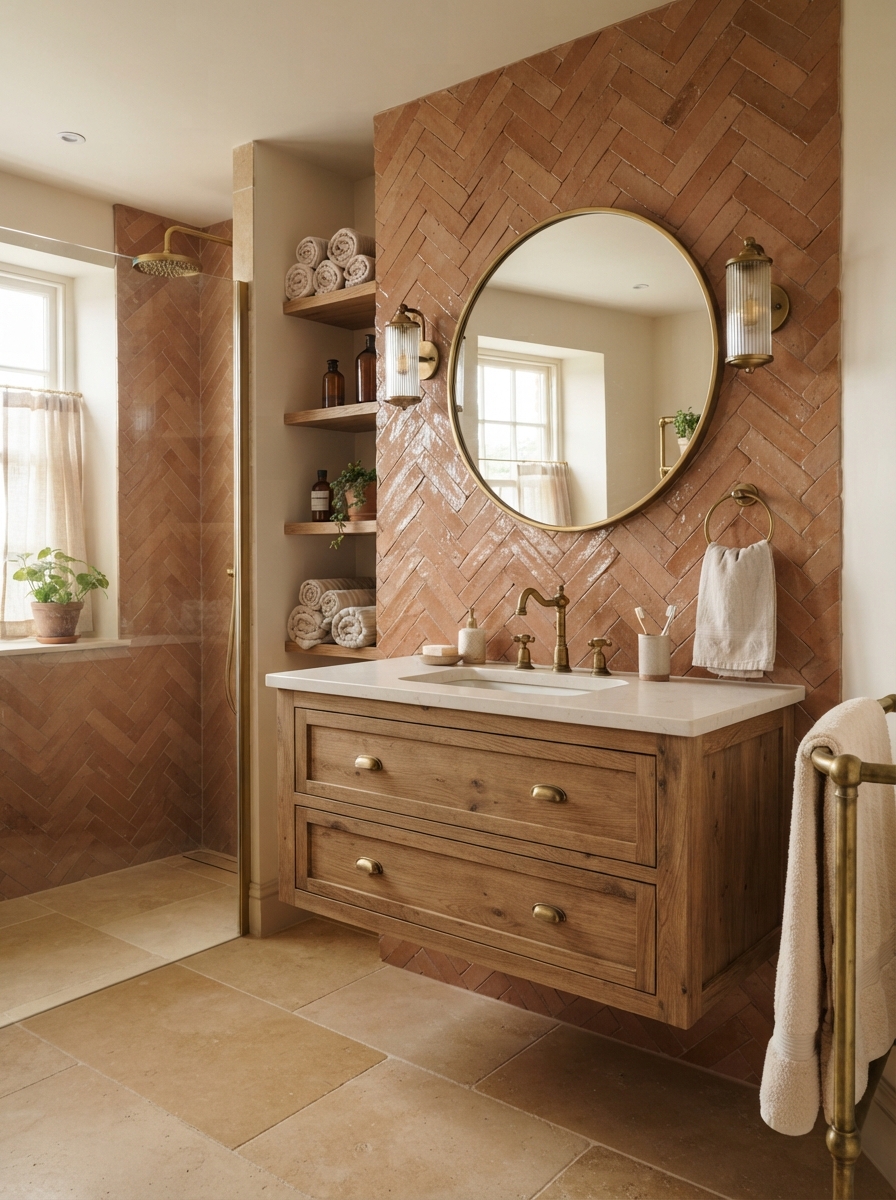
Tile is the only finish that genuinely does not care about water, which is why it is still the default despite the cost.
Expect $25–60 per square metre for the tile itself, plus roughly the same again for fitting unless you are doing it yourself. A small accent wall of 3–4 square metres lands somewhere around $250–500 all in.
Where tile earns its money is inside a shower or behind a bath. Where it is often overkill is behind a basin, which never gets more than splashed.
One design note: in a small bathroom, a large-format tile with fewer grout lines makes the room read bigger. Tiny mosaic tiles look busy and make a small space feel smaller.
Paint: cheapest, and better than people expect
Bathroom-specific paint has improved a great deal, and a properly ventilated bathroom does not need tile on every surface.
Use a moisture-resistant bathroom paint in a satin or eggshell finish. Flat matte will not survive; full gloss shows every imperfection in the wall and bounces light in an unflattering way.
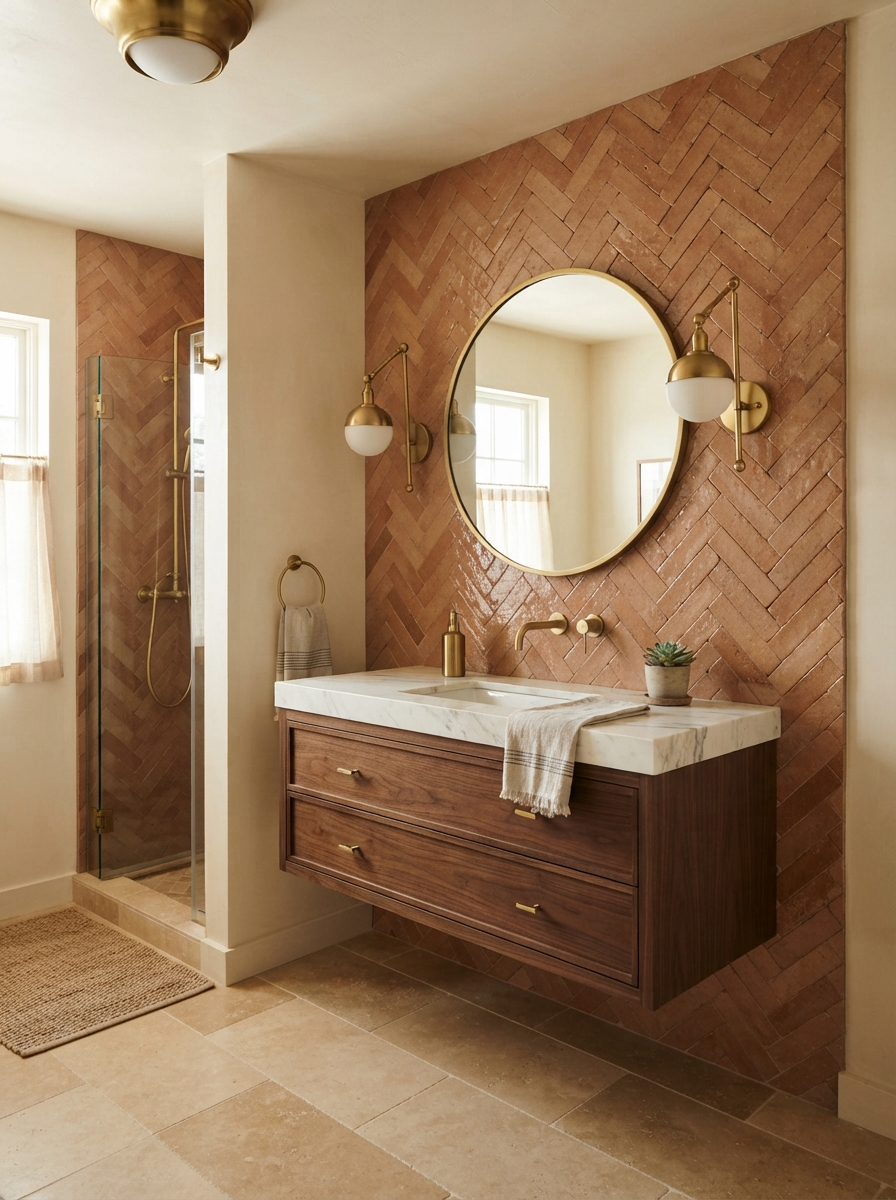
Cost is around $40–70 for the paint and an afternoon of your time. That is by far the best return of the three options, and it is entirely reversible if you tire of the colour.
The one place paint does not belong is inside a shower enclosure. It will fail there regardless of what the tin claims.
Shop the look: Paint and wallpaper tools
 Art3d Wallpaper Smoothing Tool KitBubble-free peel-and-stick installsCheck price on Amazon →
 ScotchBlue Painter’s TapeCrisp lines around tile and trimCheck price on Amazon →
 Bates 19-Piece Paint Roller KitEverything you need to paint one wallCheck price on Amazon →
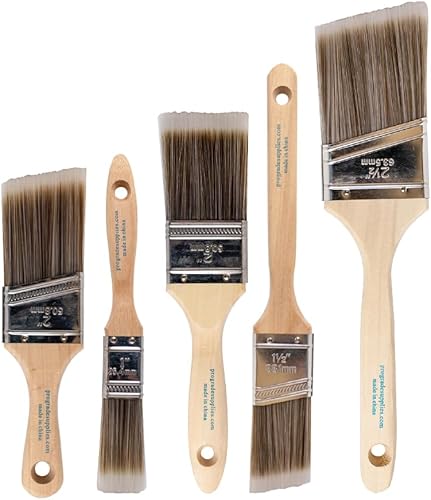 Pro Grade Paint Brush SetClean edges in corners and around the mirrorCheck price on Amazon →
As an Amazon Associate we earn from qualifying purchases. Prices and ratings change, so check Amazon for today’s details.
Panelling: the middle option
Tongue-and-groove or slatted panelling has become popular in bathrooms because it adds texture without the cost of tiling.
It works on any wall outside the direct spray zone, and it hides uneven walls in a way that paint cannot. Budget $15–30 per square metre plus paint to seal it.
Two rules make the difference between panelling that looks considered and panelling that looks like a rushed job. Take it to a deliberate height — either about 100–110cm with a capping rail, or the full wall. Stopping at a random height in between looks like you ran out of material. And seal the timber properly, including the back and cut edges, before it goes on the wall.
🎄 Getting ready for the holidays?
See our seasonal guides: Christmas tree ideas · Christmas mantel decor · Christmas tablescape ideas · Christmas entryway decor · winter bedroom decor · Thanksgiving table decor
Shop the look: Panels and tile
 3D Diamond Wall Panels (33 Pack)Bold texture for a dramatic accent wallCheck price on Amazon →
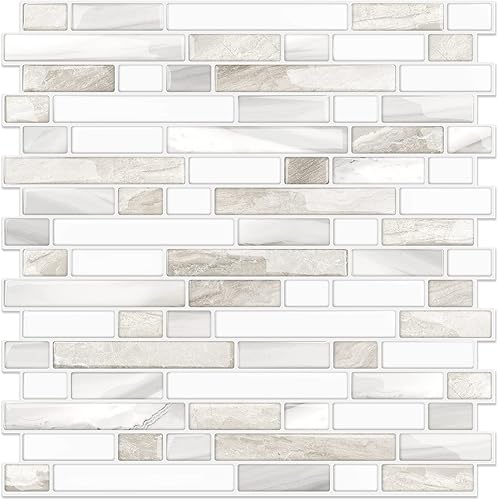 STICKGOO Peel and Stick Wall TileThe look of tile without the groutCheck price on Amazon →
 RockSeed Self-Leveling Laser LevelKeeps panels and battens perfectly straightCheck price on Amazon →
 GE Advanced Silicone CaulkSeals panel edges against bathroom moistureCheck price on Amazon →
As an Amazon Associate we earn from qualifying purchases. Prices and ratings change, so check Amazon for today’s details.
What this looks like alongside the rest of the room
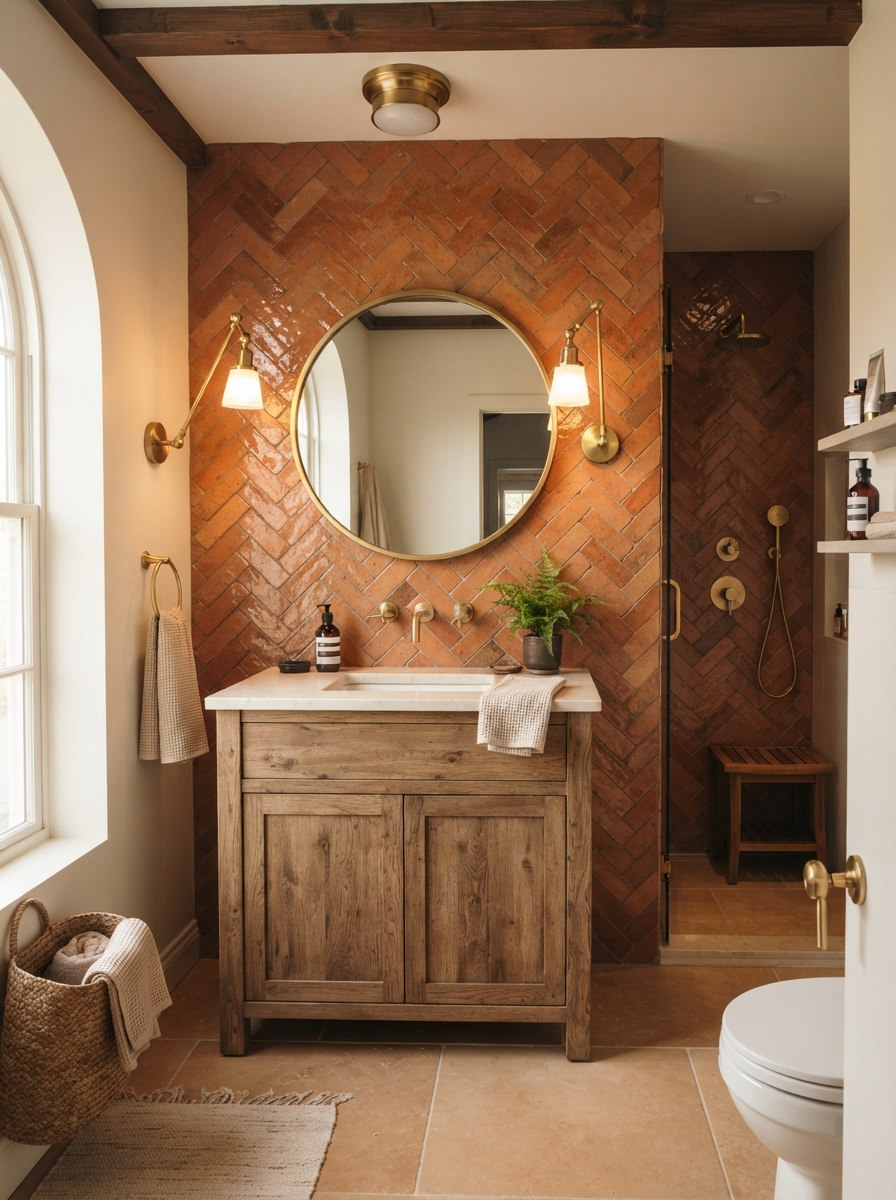
An accent wall works because everything else stays quiet. If the wall is bold, keep the other three plain and let the fittings be simple.
The same restraint applies to what sits on the surfaces underneath it. Our guide to small bathroom storage ideas covers keeping the counter clear so the wall stays the thing you notice.
How to Choose Between Bathroom Accent Wall Ideas
If you are deciding between bathroom accent wall ideas, start with how the room is used. A family bathroom with daily showers needs a finish that copes with steam and splashes, which points toward tile or a well-sealed panel. A powder room with no shower gives you the freedom to use bold paint or even wallpaper.
Budget is the next filter. Paint costs the least and takes a weekend. Panelling sits in the middle and adds texture that paint cannot. Tile costs the most and takes the longest, but it lasts for decades and adds the most value if you plan to sell.
Think about how long you want the look to last. Trend colors are easy to repaint, so paint is a good place to experiment. Tile is permanent, so choose a shape or color you will still like in ten years and let towels and accessories carry the trends.
Finally, consider light. A dark accent wall in a windowless bathroom can feel heavy unless you add warm vanity lighting. A light, reflective tile can make the same room feel bigger. Choosing the wall with the best light and the right finish for your routine is what makes an accent wall look intentional.
Frequently asked questions
Which bathroom wall should be the accent wall?
The one you see first when you open the door — usually behind the bath or behind the basin. Treating a wall you only see from inside the shower spends money where nobody looks.
Can you paint a bathroom instead of tiling it?
Yes, everywhere except inside the shower enclosure. Use a moisture-resistant bathroom paint in satin or eggshell, and make sure the room is properly ventilated. It costs a fraction of tiling and is completely reversible.
How much does a small tiled accent wall cost?
Roughly $250–500 for a 3–4 square metre wall, split fairly evenly between materials and labour. Doing it yourself brings that to around $100–250.
What height should bathroom panelling stop at?
Either around 100–110cm with a capping rail, or take it the full height of the wall. Stopping somewhere arbitrary in between is what makes panelling look unfinished.

2 Comments