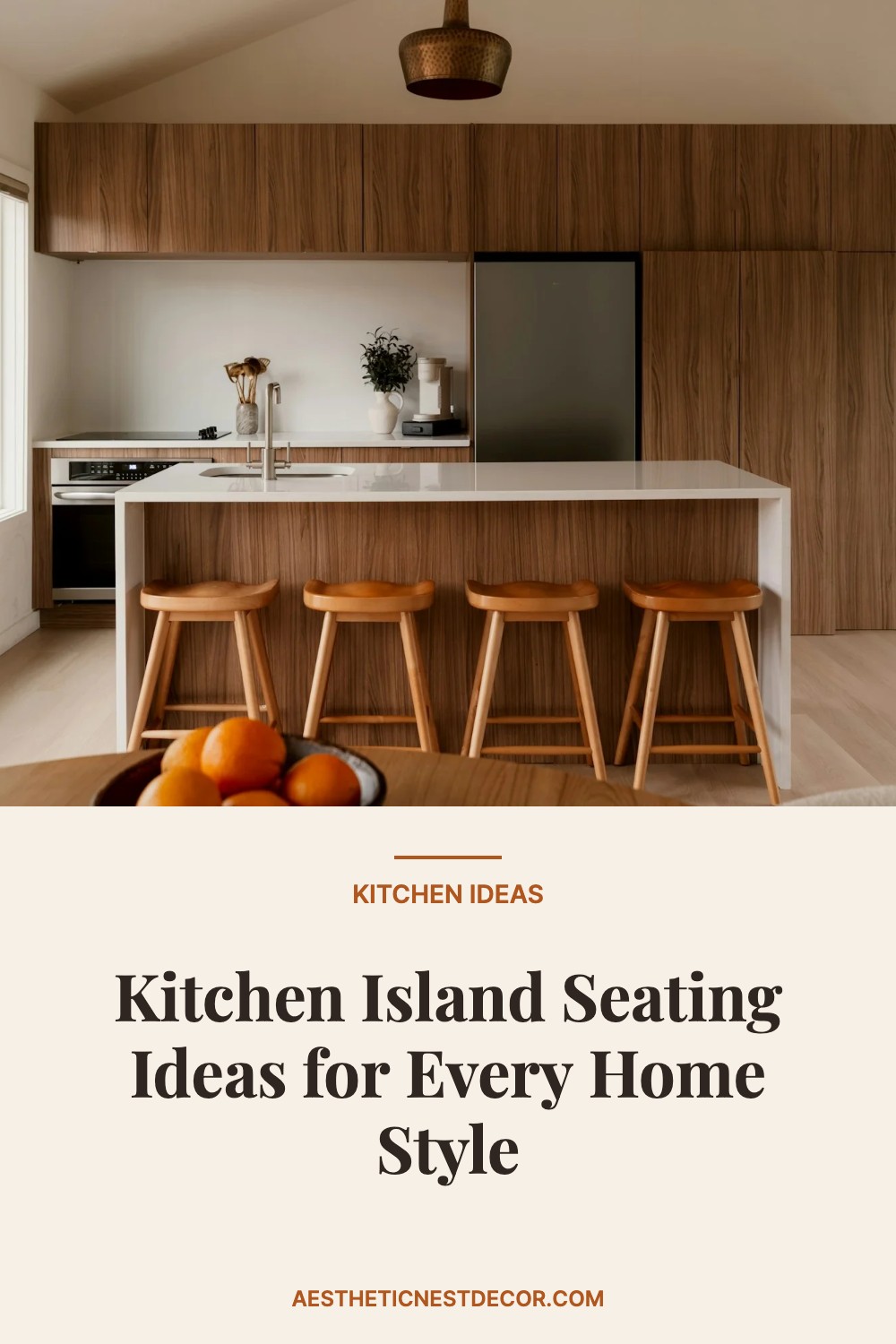

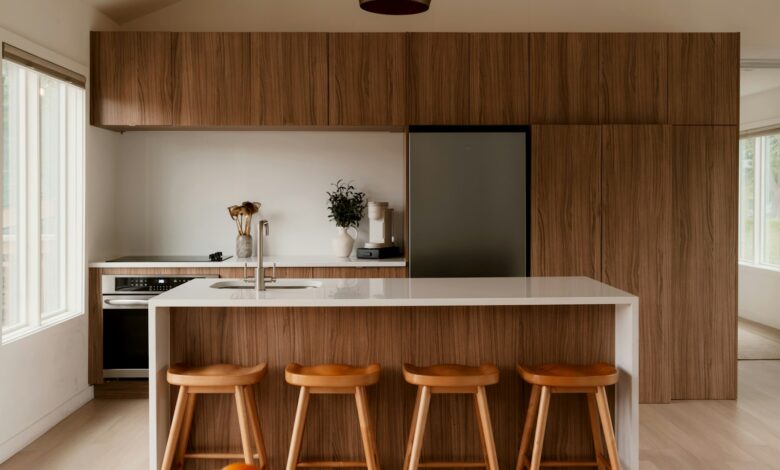
Choosing the right kitchen island seating can make or break how the space functions, and the mistake usually happens before a single stool arrives at your door. You find the perfect ones online. The photos look great, the reviews are solid, and the price feels right. Then they arrive, and the seat hits two inches below the countertop, or your knees knock the cabinet face every time you sit down, or all three stools crammed together leave no room to actually eat comfortably. It’s one of the most frequently cited kitchen decorating mistakes in design guides, and it’s almost always avoidable.
If you’ve been following our kitchen island decor guides here at Aesthetic Nest Decor, you already know the surface styling is only part of the equation; the seating underneath determines how well the whole space actually lives. Get the stools wrong and even a beautifully styled island feels awkward and underused. Get them right, and the island becomes the most functional spot in the house.
Want the shortcut?
As an Amazon Associate I earn from qualifying purchases. Some links in this post are affiliate links, at no extra cost to you.
Top picks: Amazon Basics Saddle-Seat Counter Stool, Nathan James Rattan Bar Stool and Sweet Home Memory Foam Chair Cushion.
Check price on Amazon →This guide covers everything: how to pick the correct stool height for your specific island, how many stools realistically fit, what overhang you need for actual legroom, which stool features are worth paying for, how to match the style to your kitchen, and which specific models deliver the best value in 2026. Start with the measurements. Style comes after.
Kitchen Island Seating: Bar Stools vs. Counter Stools
The single biggest shopping mistake is choosing a stool based on how it looks before checking whether it fits. Your island height determines the seat height you need, not your personal preference or what’s trending. Lock in this number before you look at a single product listing.
The height rule you need to measure first
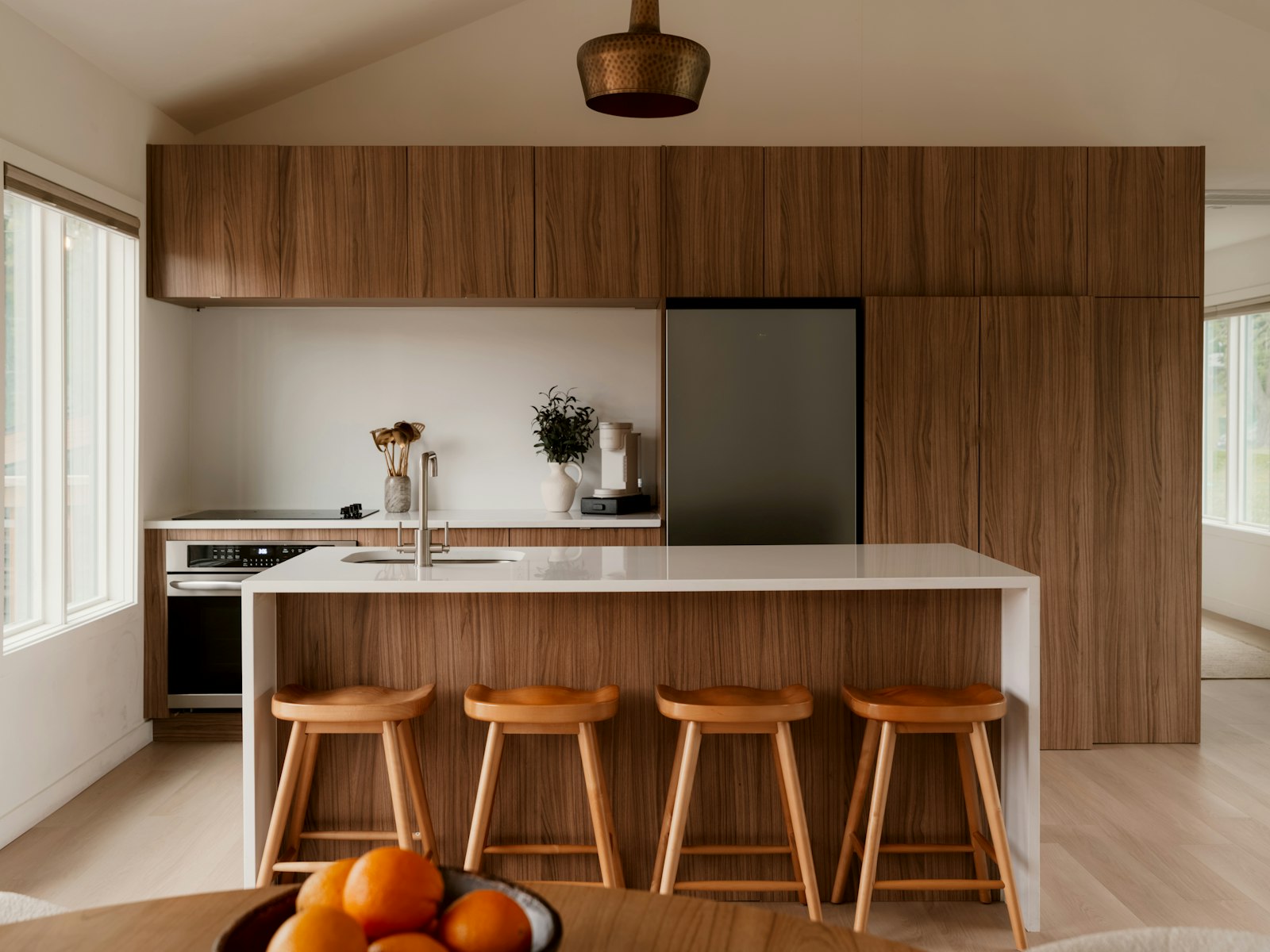
The rule is straightforward: your stool seat should sit 9 to 12 inches below the surface of your countertop. This gap gives your knees and thighs enough room to sit comfortably without pressing against the underside of the counter or dangling too far below it. Counter-height islands, which run 34 to 36 inches tall, need stools with a seat height of 24 to 26 inches. Bar-height islands, which run 40 to 42 inches tall, need stools with a seat height of 28 to 30 inches.
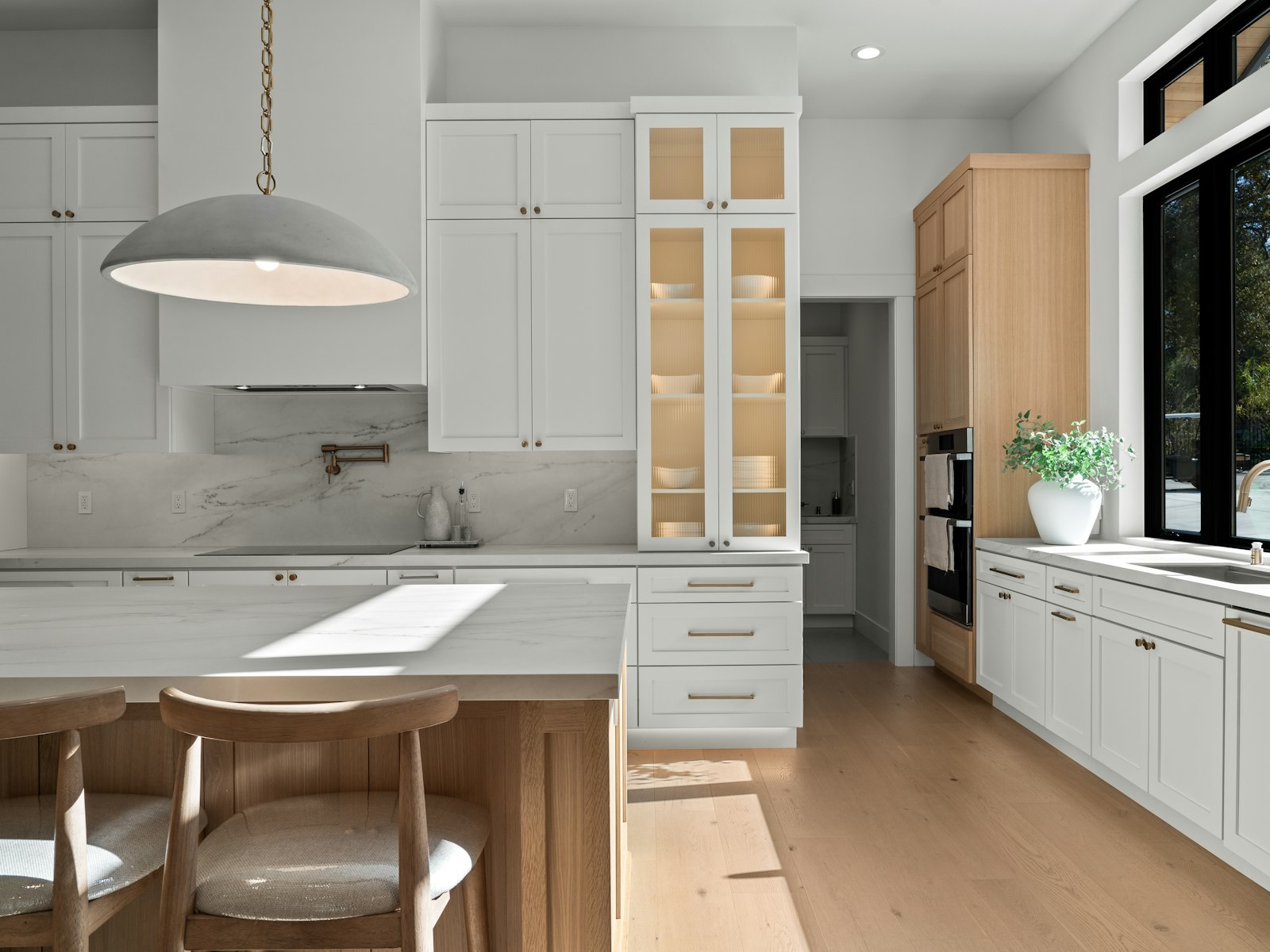
Measure your specific island before you shop. Older homes, custom builds, and contractor-grade kitchens don’t always land at standard heights, and even a two-inch difference puts you outside the comfortable range. Use a tape measure from the floor to the top of the countertop surface, not the cabinet box, countertop thickness and overhang mean the cabinet box will give you an inaccurate reading.
Who each height actually works for
Counter-height stools are easier for children, older adults, and anyone with mobility limitations to get on and off. The lower seat height feels more relaxed and natural, which makes these the better choice for everyday family meals, homework sessions, and casual morning coffee. They’re also the right fit for most standard kitchen builds in American homes.
Bar-height stools create a more elevated, lounge-adjacent feel and work well for entertaining. The tradeoff is accessibility: they’re harder for young kids and older family members to use independently. For households with children or multiple generations sharing the space, counter-height almost always wins on function. Save bar-height for dedicated entertaining kitchens where the look is the priority and the household doesn’t rely on that seating daily.
How Much Space Does Kitchen Island Seating Actually Need?
More stools don’t always mean more seating. Crowded islands are uncomfortable and unusable, and the spacing math here is worth getting right the first time so you don’t end up returning two stools after they arrive.
The 24-inch spacing rule
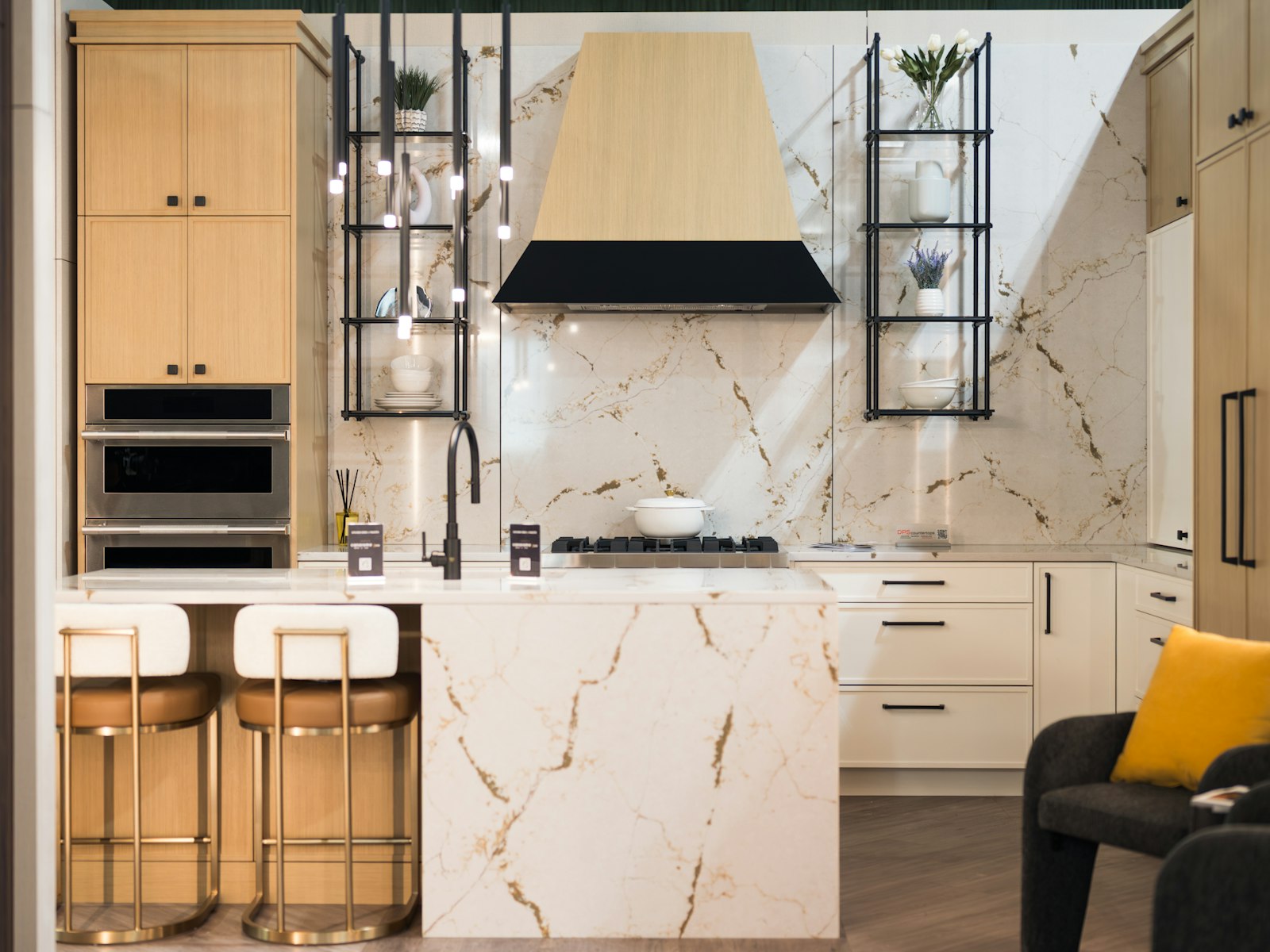
The standard is 24 inches of linear island length per seat. At that spacing, you can sit comfortably but you’ll feel your neighbors during meals. For everyday family use with actual elbow room, plan on 26 to 30 inches per person. That extra space makes a real difference over the course of a morning routine or a long dinner.
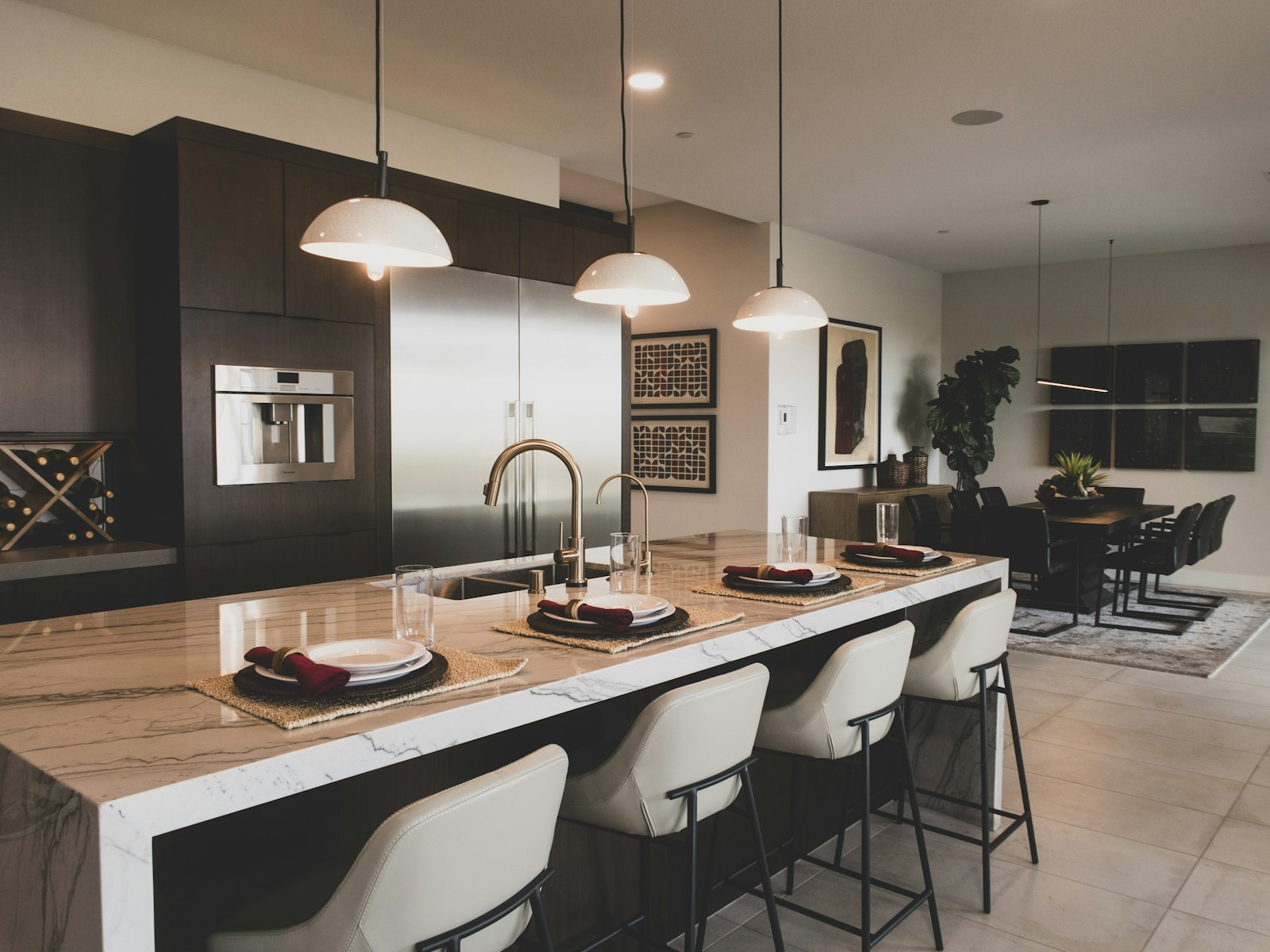
Use these quick reference numbers as a starting point:
- 4-foot island (48 inches): 2 stools
- 6-foot island (72 inches): 3 stools at 24 inches each, or 2 with generous spread
- 8-foot island (96 inches): 4 stools at standard spacing, or 3 with more breathing room
Counting stools on single-sided vs. multi-sided islands
For a single overhang (seating on one side only), divide the usable linear length by your spacing preference, then subtract 3 to 4 inches from each end for clearance. That end clearance keeps stools from sitting flush with the corner, which looks awkward and makes the end seats feel cramped. Note that some design guides recommend as little as 2 inches of end clearance; 3 to 4 inches is a conservative and comfortable editorial guideline. For a 72-inch island with 3 inches subtracted from each end, you’re working with 66 usable inches. That comfortably fits two stools at 30-inch spacing; squeezing in three at 22-inch spacing is possible but tight for most adults, so 24-inch minimum spacing per person is the better target.
L-shaped and peninsula islands with seating on two sides should be calculated as two separate runs. Apply the spacing formula to each side independently. One important note: corner seats on L-shaped islands almost always feel tight and uncomfortable in practice. Leave the corner clear and start your stool count a few inches back from the turn on each side.
Overhang and legroom: the measurements that make seating for a kitchen island comfortable
Buying the right stool height is necessary but not sufficient. If your island doesn’t have enough overhang, no stool will feel right regardless of seat height. This is the measurement most people skip, and it accounts for a surprising amount of kitchen seating frustration.
Minimum overhang for seated comfort
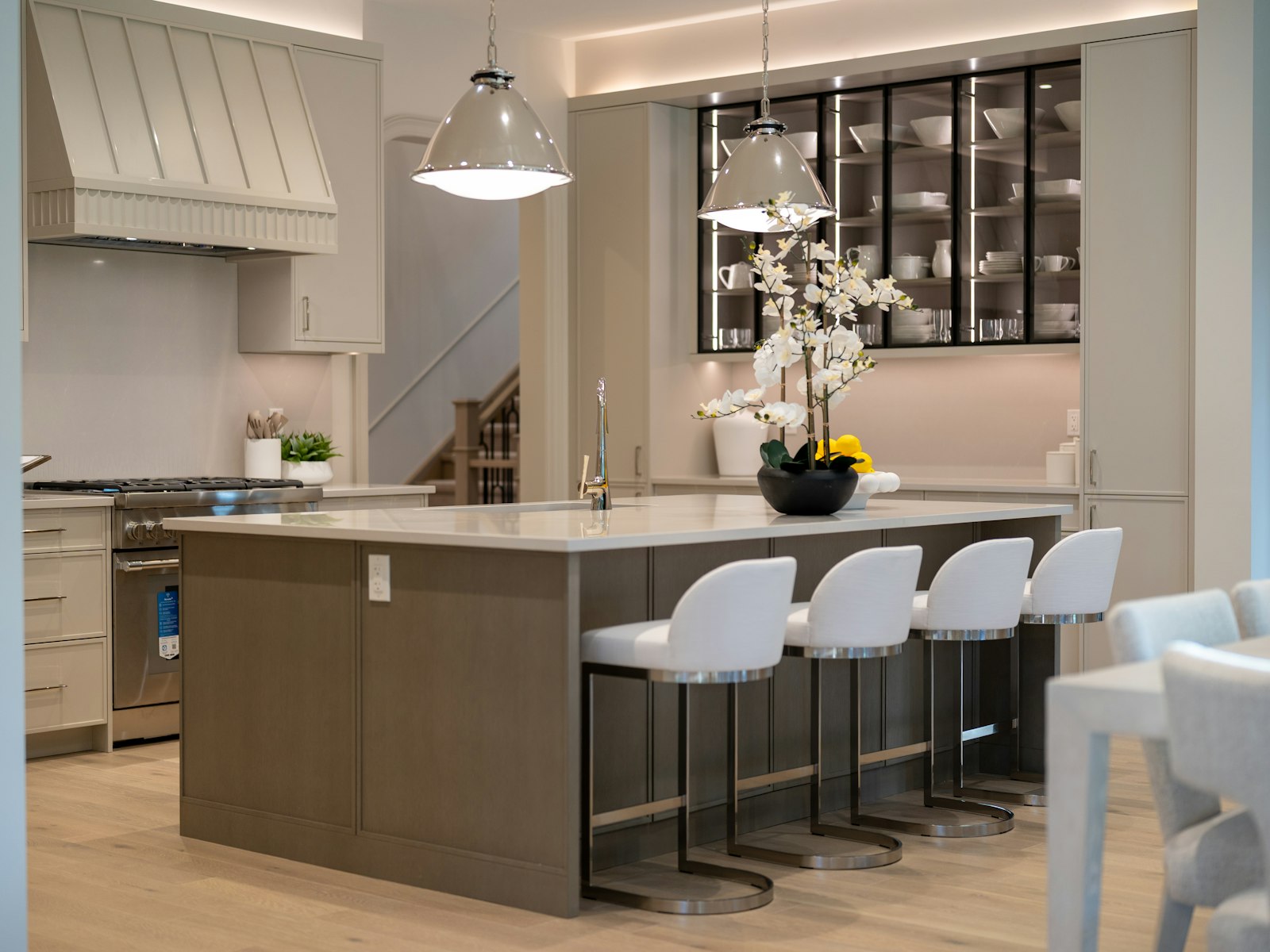
The absolute minimum overhang for knee clearance is 12 inches. At 12 inches, you can sit without hitting the cabinet face, but it’s tight. The comfortable standard is 15 inches, and that’s what most designers specify for counter-height seating. With 15 inches, adults can sit squarely at the island without angling their legs or perching at the edge of the stool seat.
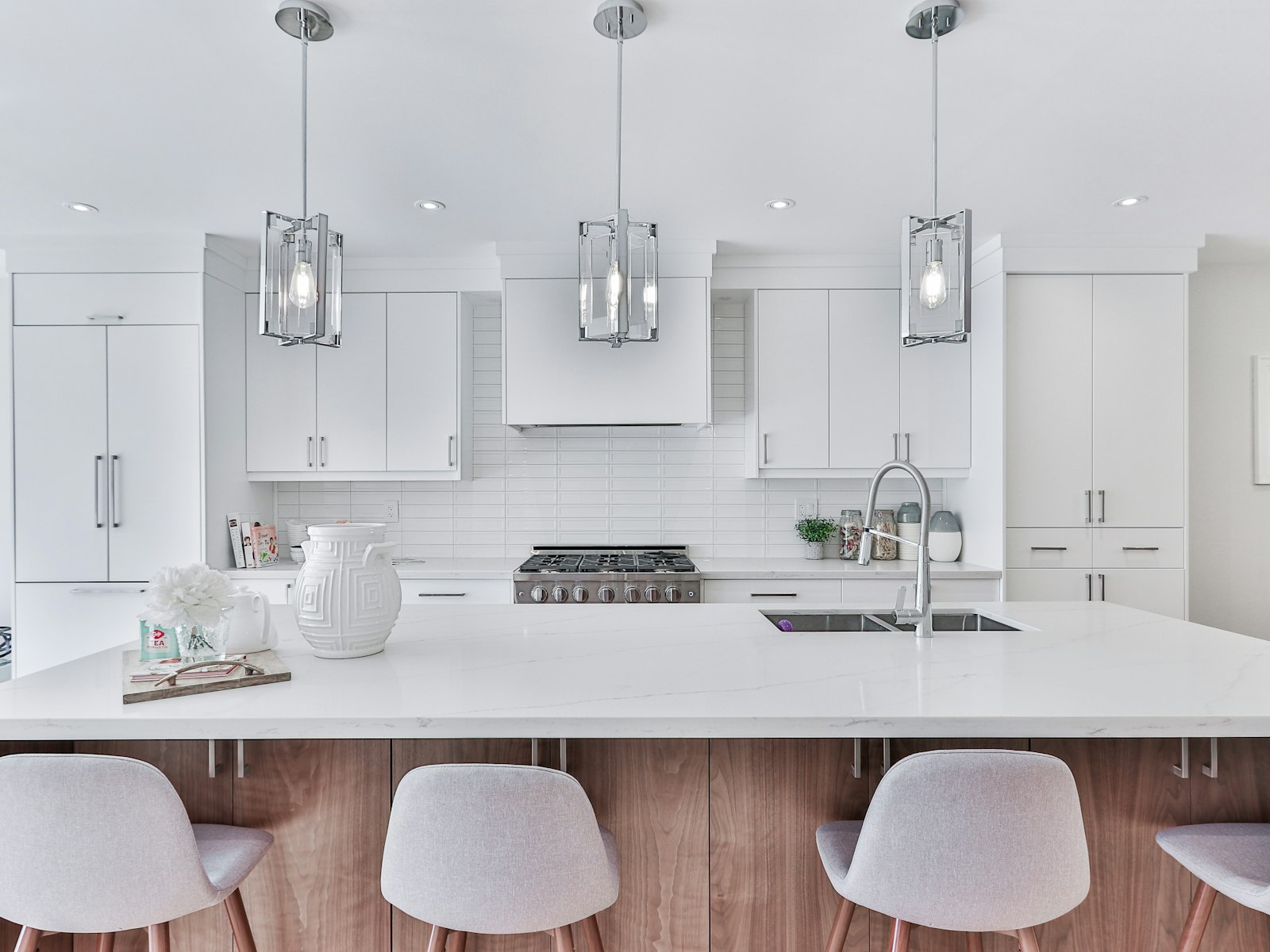
With less than 12 inches of overhang, sitters typically end up twisting sideways or extending their legs out to avoid hitting the cabinet. It works mechanically, but it gets uncomfortable quickly and will limit functionality for most adults regardless of which stools you choose. If your island is already built, measure from the countertop edge back to the cabinet face before buying a single stool. If the overhang is under 12 inches, it’s worth addressing that before investing in new seating.
Island depth and total footprint to plan around
A kitchen island designed for seating on one side needs a total depth of at least 36 inches, accounting for standard cabinet depth plus the overhang. A 42-inch total depth is a more comfortable and functional target. If you’re in a new build or planning a remodel, build the 15-inch overhang into the countertop design from the beginning. Retrofitting depth after the fact is difficult and expensive.
Aisle clearance matters too. The National Kitchen and Bath Association recommends at least 42 inches between the island and surrounding cabinets, with 48 inches preferred in kitchens that see high traffic. Pull a chair out at the island and watch how it affects the walkway behind it. If someone walking through the kitchen has to squeeze past a seated person, the aisle is too tight and the seating layout will create friction every single day.
Shop the look: Counter stools
 Amazon Basics Saddle-Seat Counter StoolClassic island seatingCheck price on Amazon →
 Upholstered Counter Stools with BackComfort for longer mealsCheck price on Amazon →
 Maven Lane Backless Counter StoolTuck fully under the counterCheck price on Amazon →
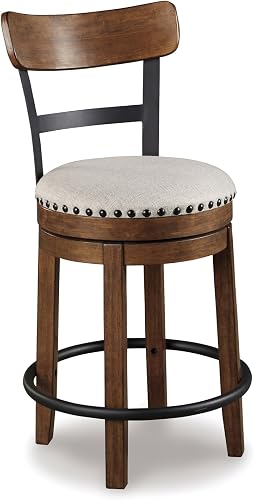 Ashley Valebeck Swivel Counter StoolEasy to get in and outCheck price on Amazon →
As an Amazon Associate we earn from qualifying purchases. Prices and ratings change, so check Amazon for today’s details.
Stool features worth paying attention to (and a few that aren’t)
Once the height and quantity are locked in, the remaining decisions are about comfort and practicality for your actual household. Every feature involves a tradeoff, and the right choice depends on who uses the island and how. You might also like DIY Countertop Coffee Bar Ideas for a Stylish Kitchen.
Backs and arms: comfort vs. visual bulk
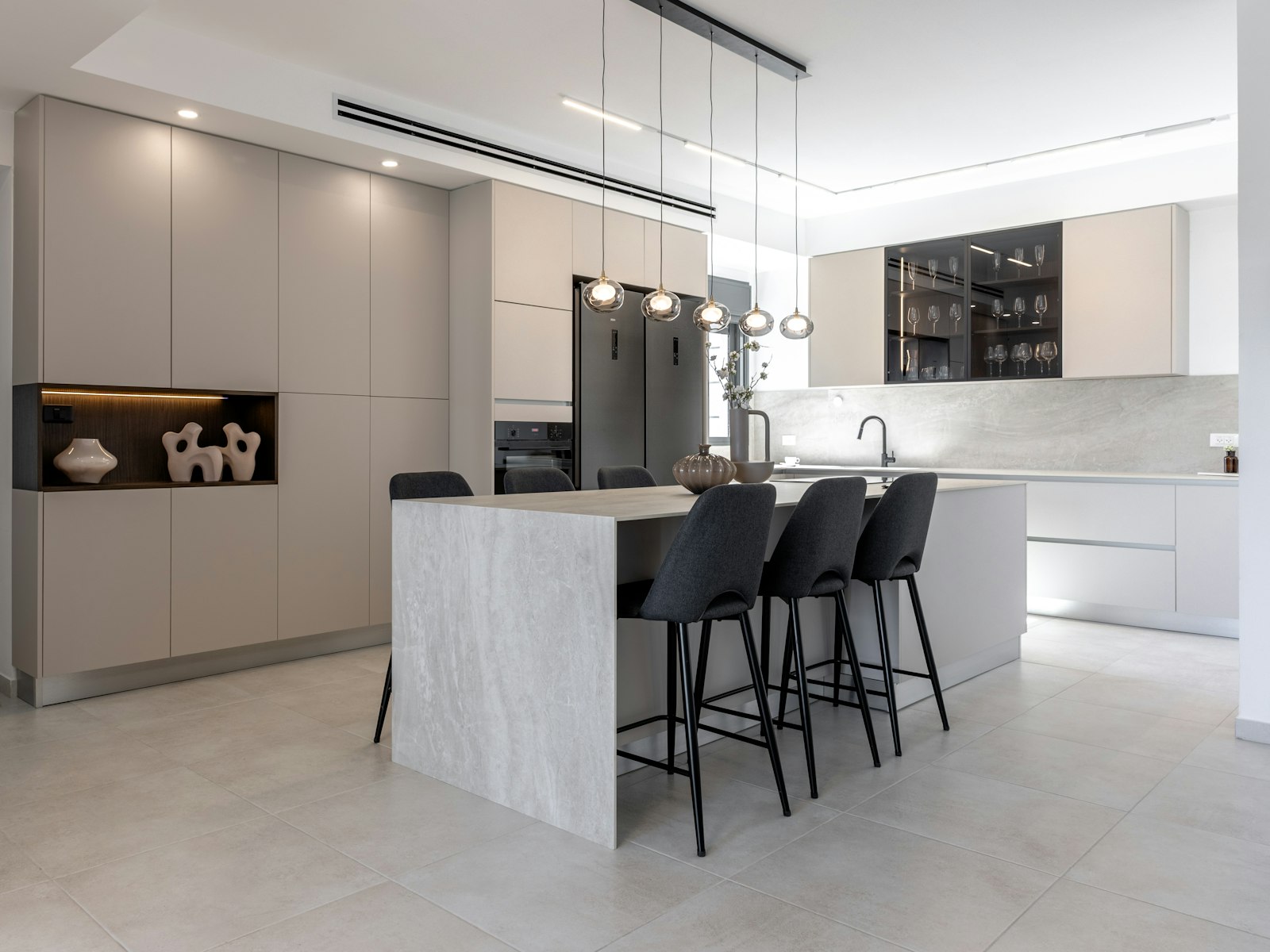
Backed stools offer better lumbar support and are genuinely more comfortable for longer sitting sessions, like family dinners, homework time, or working from home at the island. The tradeoff is that they don’t tuck fully under the counter when not in use, which leaves them more visible in the kitchen and can make the space feel busier. In smaller kitchens, that visual presence adds up quickly.
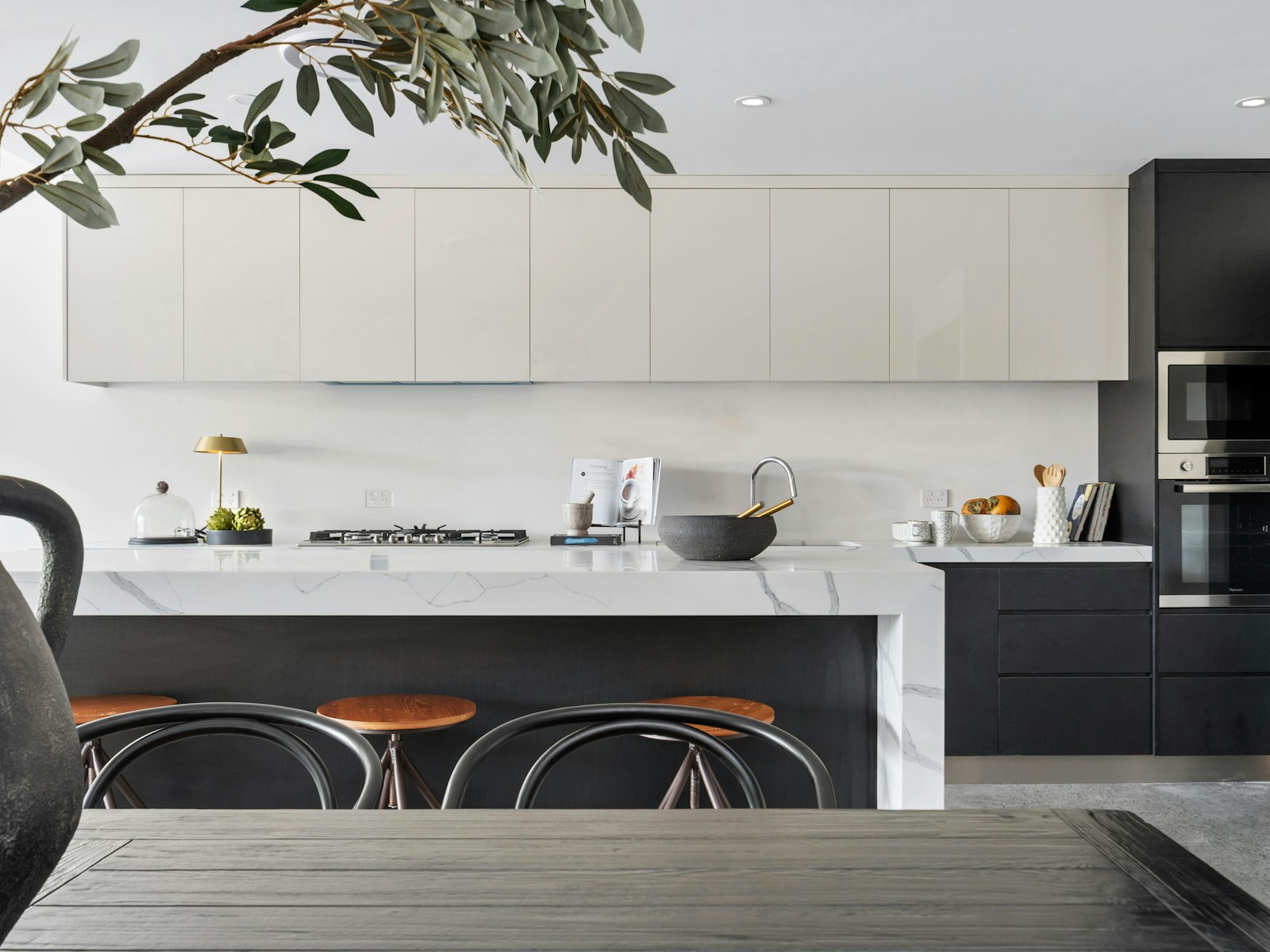
Backless stools slide cleanly under the overhang, keep sight lines open, and work well wherever visual clutter is a concern. They’re the right call for compact kitchens and for islands used mostly for quick stops rather than long meals. Stools with arms add width, typically 2 to 4 inches per side depending on arm design, and limit how tightly stools can sit together. They do help some users sit down and stand up more easily, so for households with older adults or anyone with limited mobility, the added width is usually worth it.
When swivel stools are worth it
Swivel stools make a busy kitchen genuinely more convenient. Being able to turn to grab something from the counter, look toward the living room, or get out of the seat without shuffling the whole stool sideways is a real quality-of-life improvement in an active household. The mechanism adds a moving part that can loosen over time, and some users find fixed stools feel more stable, but for most families the convenience outweighs that tradeoff.
The best case for swivel stools is an open-plan kitchen where the island faces the living area. Seated people naturally turn throughout the day, and a fixed stool forces them to constantly reposition the whole seat. If your island is against a wall or in a closed kitchen where sitting is directional, swivel adds cost without adding much function. One option worth a look is the Nathan James Rattan Bar Stool.
Shop the look: Style-specific stools
 Nathan James Rattan Bar StoolCoastal and boho styleCheck price on Amazon →
 Green Velvet Counter Stools (Set of 2)Glam and softCheck price on Amazon →
 Winsome Saddle Seat Counter StoolFarmhouse warmthCheck price on Amazon →
 Vintage Industrial Swivel StoolIndustrial edgeCheck price on Amazon →
As an Amazon Associate we earn from qualifying purchases. Prices and ratings change, so check Amazon for today’s details.
Matching stool style to your kitchen design
A stool that fits perfectly and feels comfortable but clashes with the kitchen’s design language will still feel like the wrong choice every time you look at it. The good news is that matching stools to your kitchen style isn’t complicated once you have a framework.
Modern, minimalist, and contemporary kitchens
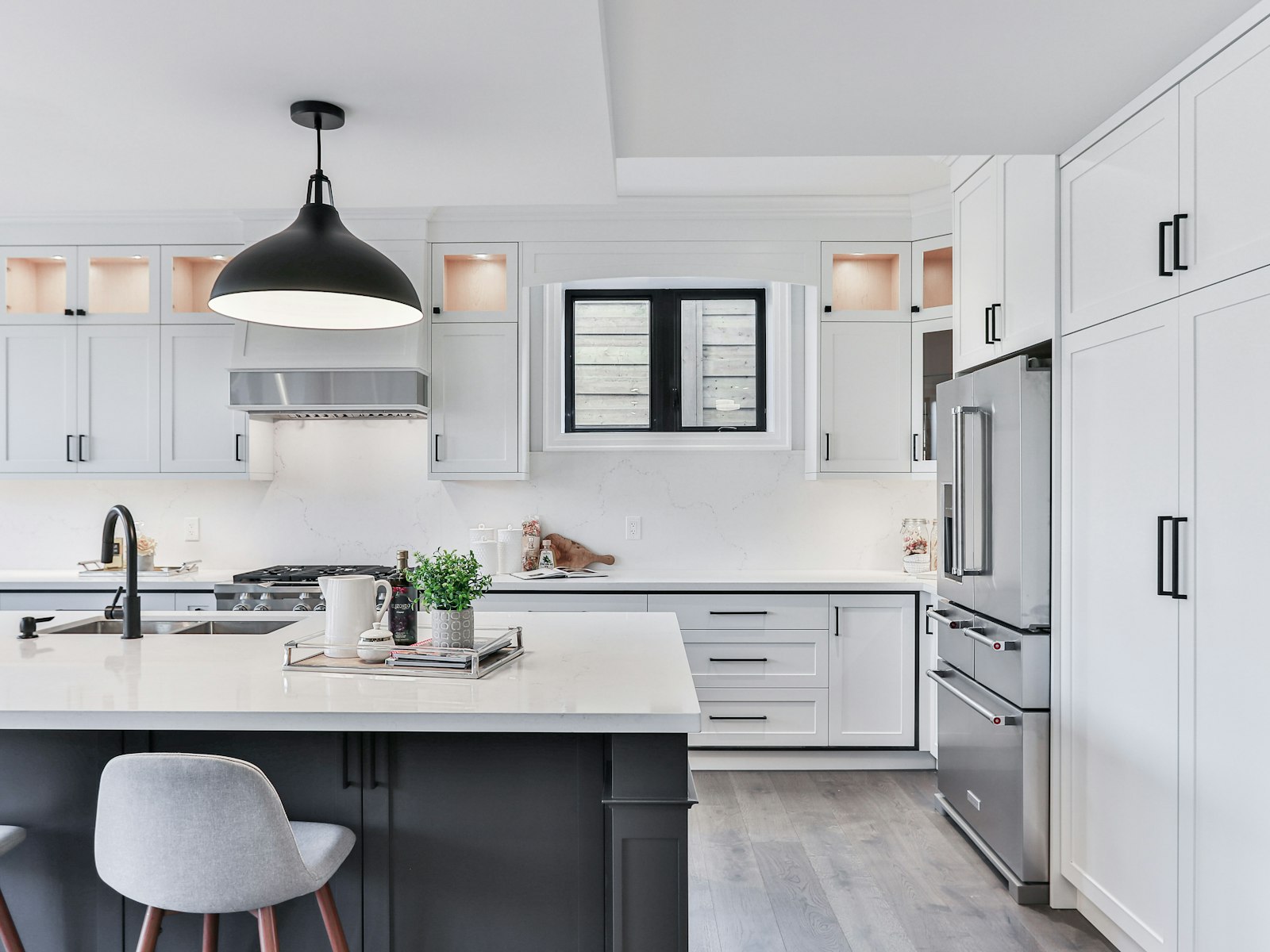
Clean-lined backless stools with metal frames in matte black, brushed nickel, or chrome are the natural pairing for flat-front cabinetry and quartz countertops. They repeat the geometric and industrial language that modern kitchens already use. Saddle-seat stools and sculptural solid-wood seats also work well here because they add warmth without adding visual noise.
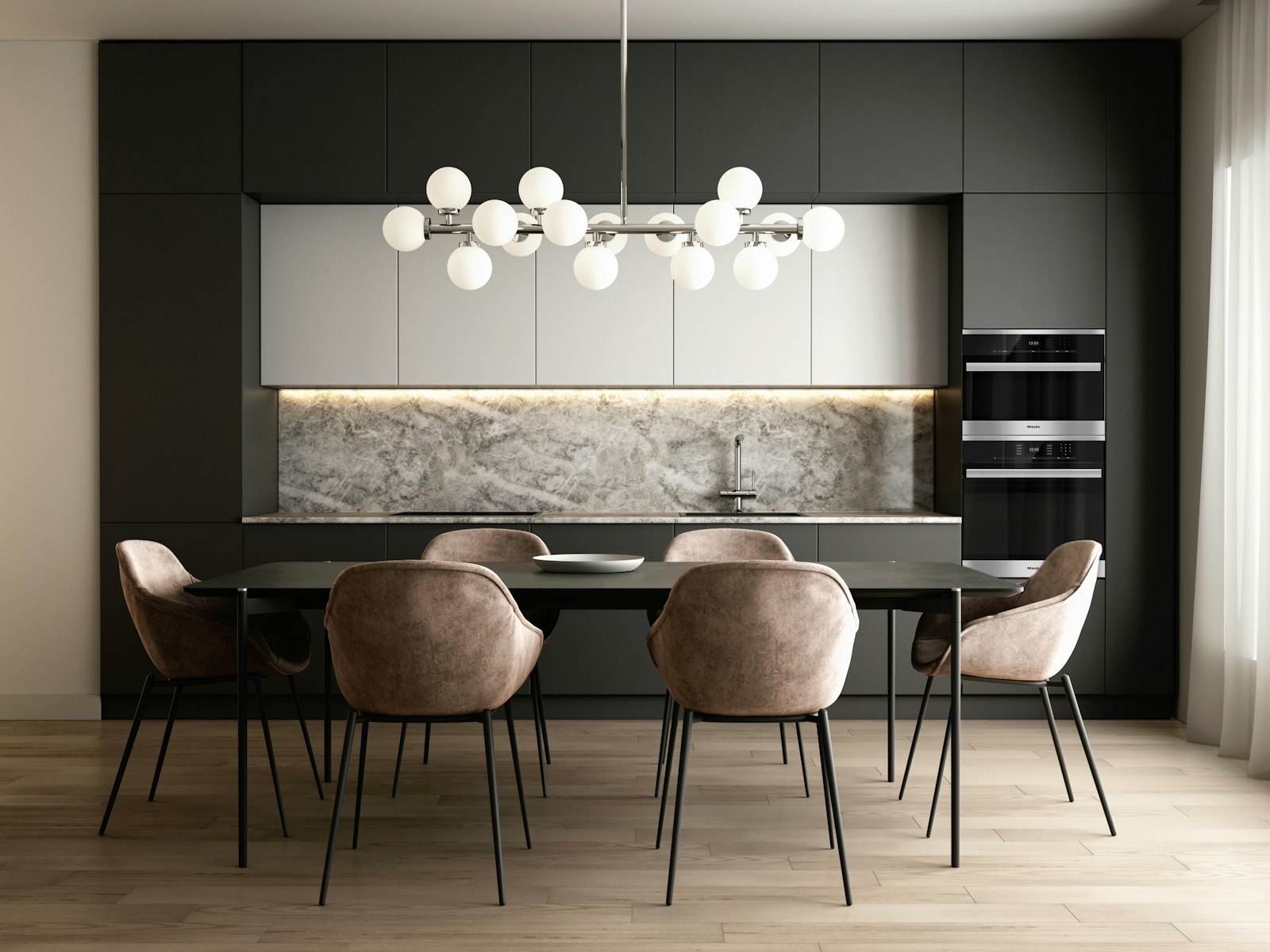
Finish matching is what separates a cohesive kitchen from a random-looking one. Match the stool’s metal finish to your cabinet hardware and faucet. The stool material can differ from the hardware material, but the finish tone should align. Matte black stools with matte black pulls read as intentional. Brushed nickel stools paired with oil-rubbed bronze hardware tend to look mismatched, as a general design principle, mixing warm and cool metal tones in the same sightline creates visual tension most designers prefer to avoid. If you want to go further, read Kitchen coffee nook ideas: layout, storage, and style.
Farmhouse, transitional, and traditional kitchens
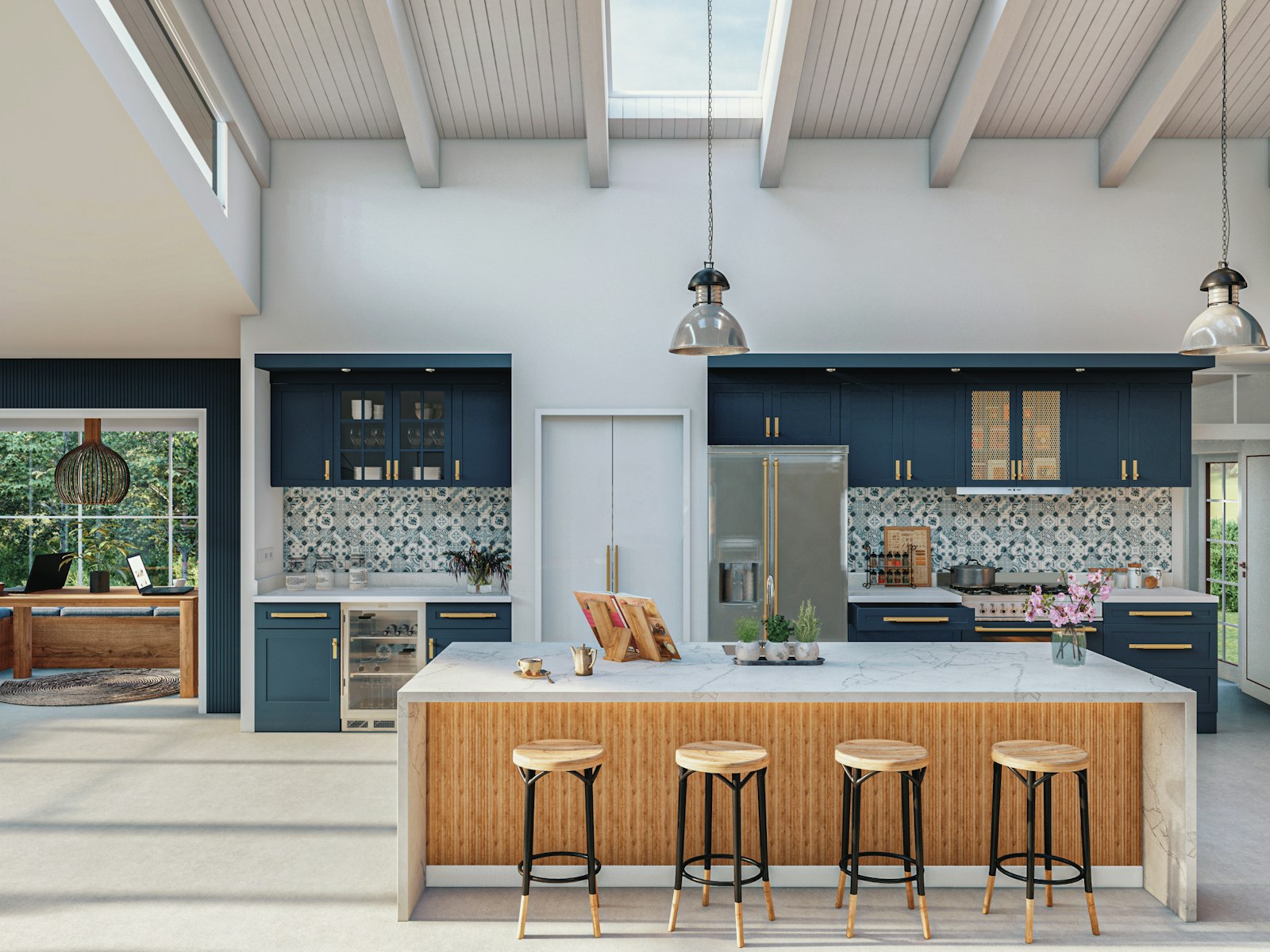
Upholstered stools with neutral linen, boucle, or cotton fabric soften the look of shaker-style cabinetry and butcher-block counters. The fabric adds texture that balances the harder surfaces in these kitchens without competing with the overall palette. Barrel-style and turned-leg designs with a wood frame carry enough visual weight to feel at home next to heavier cabinet profiles.
For color, warm wood tones like oak and walnut work with warm-toned kitchens. Painted or distressed finishes read as more casual and suit relaxed farmhouse styles. If your kitchen has white or cream shaker cabinets, a natural wood stool with linen upholstery is a reliable, hard-to-miss pairing that tends to age well as the rest of the design evolves.
Top-rated kitchen island stools to buy in 2026
With the height, quantity, overhang, and style figured out, here are the specific models that consistently earn strong marks for comfort, build quality, and price. These picks were selected based on buyer review volume and frequency of appearance across independent consumer roundups, no sponsored placements.
Best value and best comfort picks
Best overall value: VASAGLE EKHO. A thick foam cushion, solid build, and a strong comfort-to-price ratio make this a frequently recommended pick for counter-height islands. It appears in multiple 2026 independent roundups as a reliable all-around choice for buyers who don’t want to sacrifice comfort for budget.
Best for daily comfort: VATROS Barrel Counter Stools. The wide barrel seat and thick linen cushioning are designed for longer sitting sessions, not just perching. Higher weight capacity than most in its price range, and the shape suits both farmhouse and transitional kitchens cleanly. A solid option for breakfast bar seating in family kitchens that see heavy daily use.
Best structural durability: Raynesys Counter Height Stools. Steel-frame construction with a 400-pound weight rating makes these the right call for high-traffic households. The saddle design and bonded leather surface also hold up well with regular use. Related: Farmhouse Kitchen Decor Ideas for a Warm, Cozy Space.
Best budget and backless picks
Best budget pick: Sweetcrispy or HOOBRO saddle stools. Both deliver functional, comfortable kitchen counter stools for light to moderate use at a lower entry price. Seat height options are available in both the 24 to 26 inch and 28 to 30 inch ranges, making it easy to match your island. They won’t last as long as higher-cost options under heavy daily use, but for occasional seating or secondary spaces, they perform well.
Best durable backless option: Amazon Basics Solid Wood Saddle Stool. Simple solid-wood build, a review base of over 30,000 buyers, and a track record of consistent long-term reliability. For buyers who want a backless stool that genuinely holds up, this is a low-risk choice. A reader favorite for this is the X-PROTECTOR Felt Furniture Pads.
Best affordable upholstered set: Yaheetech 24-inch Upholstered Bar Stools. Frequently cited as a strong all-around pick for standard 36-inch islands at an accessible price point. The low-back upholstered design adds comfort for longer sits without the bulk of a full back, making it a practical middle-ground option for families who use the island for actual meals. If you are shopping for this, the Sweet Home Memory Foam Chair Cushion is a well-reviewed option.
Shop the look: Comfort and protection
 Sweet Home Memory Foam Chair CushionSofter seatingCheck price on Amazon →
 X-PROTECTOR Felt Furniture PadsProtects floorsCheck price on Amazon →
 Wooden Step Stool for KidsA boost for little ones at the islandCheck price on Amazon →
 Washable 2×6 Runner RugEasy clean under stoolsCheck price on Amazon →
As an Amazon Associate we earn from qualifying purchases. Prices and ratings change, so check Amazon for today’s details.
Shopping list
- Amazon Basics Saddle-Seat Counter Stool — classic island seating
- Upholstered Counter Stools with Back — comfort for longer meals
- Maven Lane Backless Counter Stool — tuck fully under the counter
- Ashley Valebeck Swivel Counter Stool — easy to get in and out
- Nathan James Rattan Bar Stool — coastal and boho style
- Green Velvet Counter Stools (Set of 2) — glam and soft
- Winsome Saddle Seat Counter Stool — farmhouse warmth
- Vintage Industrial Swivel Stool — industrial edge
- Sweet Home Memory Foam Chair Cushion — softer seating
- X-PROTECTOR Felt Furniture Pads — protects floors
- Wooden Step Stool for Kids — a boost for little ones at the island
- Washable 2×6 Runner Rug — easy clean under stools
Prices and availability change. Links open on Amazon.
Keep reading: Best Kitchen Island Accessories for Style and Function · Kitchen Island Styling Ideas: How to Decorate a Surface You Actually Use · DIY Countertop Coffee Bar Ideas for a Stylish Kitchen · Kitchen coffee nook ideas: layout, storage, and style · Farmhouse Kitchen Decor Ideas for a Warm, Cozy Space
Helpful resources: the kitchen work triangle, engineered quartz, the ENERGY STAR light bulb guide.
Putting it all together
The right sequence is this: measure your island height first, then match the stool seat height using the 9 to 12 inch gap rule. Apply the 24-inch spacing formula to figure out how many stools fit, subtract clearance from each end, and confirm you have at least 12 inches of overhang (15 inches if you’re planning a new build). After that, filter by stool features based on who uses the island and how, then match the style to your kitchen’s existing design language.
Kitchen island seating shapes how the island looks, how the kitchen flows, and whether the family actually gravitates toward that space throughout the day. Getting it right upfront saves money and frustration, and the measurements aren’t complicated once you know what to check.
For the full picture, from stool selection all the way to countertop styling, decor accessories, and island lighting, the full kitchen island guide on Aesthetic Nest Decor walks through every layer so you can style the whole space with confidence. Browse the kitchen section on the blog for the complete room-by-room breakdown.
Frequently Asked Questions
How many stools fit at a kitchen island?
Allow about 24 inches of counter per stool. A 6 foot island seats three, and an 8 foot island seats four.
What height stool do I need for an island?
For a standard 36 inch counter choose 24 to 26 inch counter stools. For a 42 inch bar height counter choose 28 to 30 inch bar stools.
Are stools with backs better?
Stools with backs are more comfortable for long meals and homework, while backless stools tuck fully under the counter and keep the look clean.
Save This for Later
Pin this image to your Pinterest board so it is ready when you need it.