
Chairs can take up more circulation space in a compact kitchen than most people realize. Because pulling one out requires at least 32 to 36 inches of clearance behind it, traffic flow tightens quickly in a small room. A small kitchen bench solves this problem in one move: it tucks flush against the table, seats more people per linear foot, and in many cases does double duty as under-seat storage. Many readers dealing with breakfast nooks, galley dining areas, and studio kitchens ask about bench seating here at Aesthetic Nest Decor, and the answer is almost always the same: the right small kitchen bench consolidates seating, storage, and style into a single footprint that chairs simply can’t match. This guide covers sizing, style, materials, and where to shop, without the decision fatigue.
Want the shortcut?
As an Amazon Associate I earn from qualifying purchases. Some links in this post are affiliate links, at no extra cost to you.
Top picks: HOOBRO Dining Bench, SUNROX Non-Slip Bench Cushion and Tulip Round Dining Table.
Check price on Amazon →Why a small kitchen bench works harder than chairs
The seating and storage advantage
A dining bench for a small kitchen consolidates two functions into a single footprint. On a per-linear-foot basis, a bench seats more people than individual chairs because it eliminates the dead space that chair legs and armrests normally occupy. Add under-seat storage and the value compounds: a 48-inch lift-top bench can hold seasonal placemats, overflow pantry items, or shoes and sports gear without adding a single shelf to the wall. In a room where every inch of cabinet space is already spoken for, many buyers find that hidden compartment more useful than they expected once they start using it regularly.
Where a compact bench actually fits
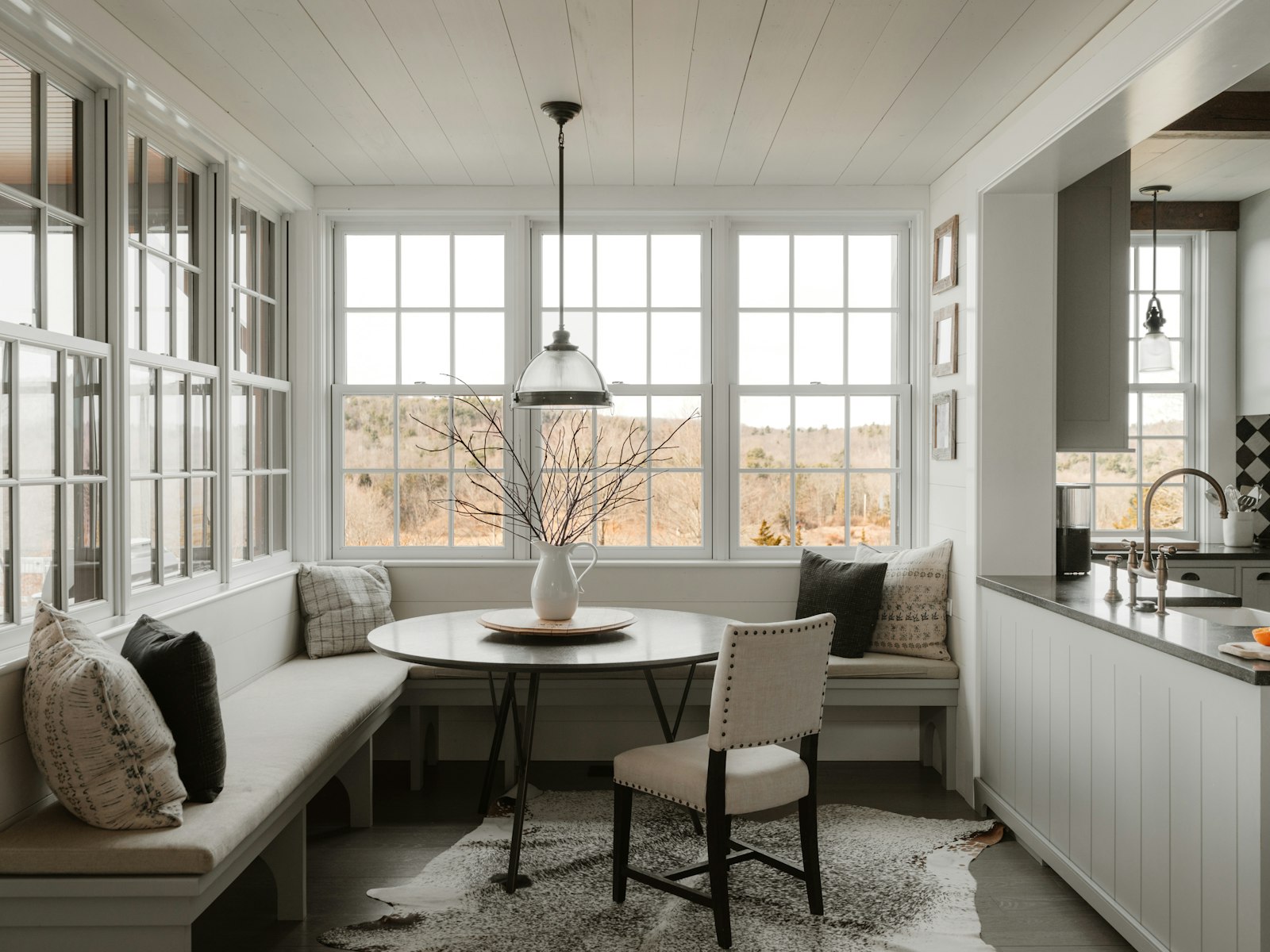
The three most natural spots are a breakfast nook corner, along one wall of a kitchen dining area, and against the wall adjacent to the nearest exterior door. A bench is low-profile enough to work in all three without visually overwhelming the space. It keeps sightlines open in a way that a row of chair backs never does, which is especially useful in open-plan kitchens where visual clutter compounds quickly. These same placements also set up the conversation about using a bench near the entry door, which comes up later in this guide. For more ideas, see our guide to Best Kitchen Island Accessories for Style and Function.
Getting small kitchen bench dimensions right
The numbers that matter most
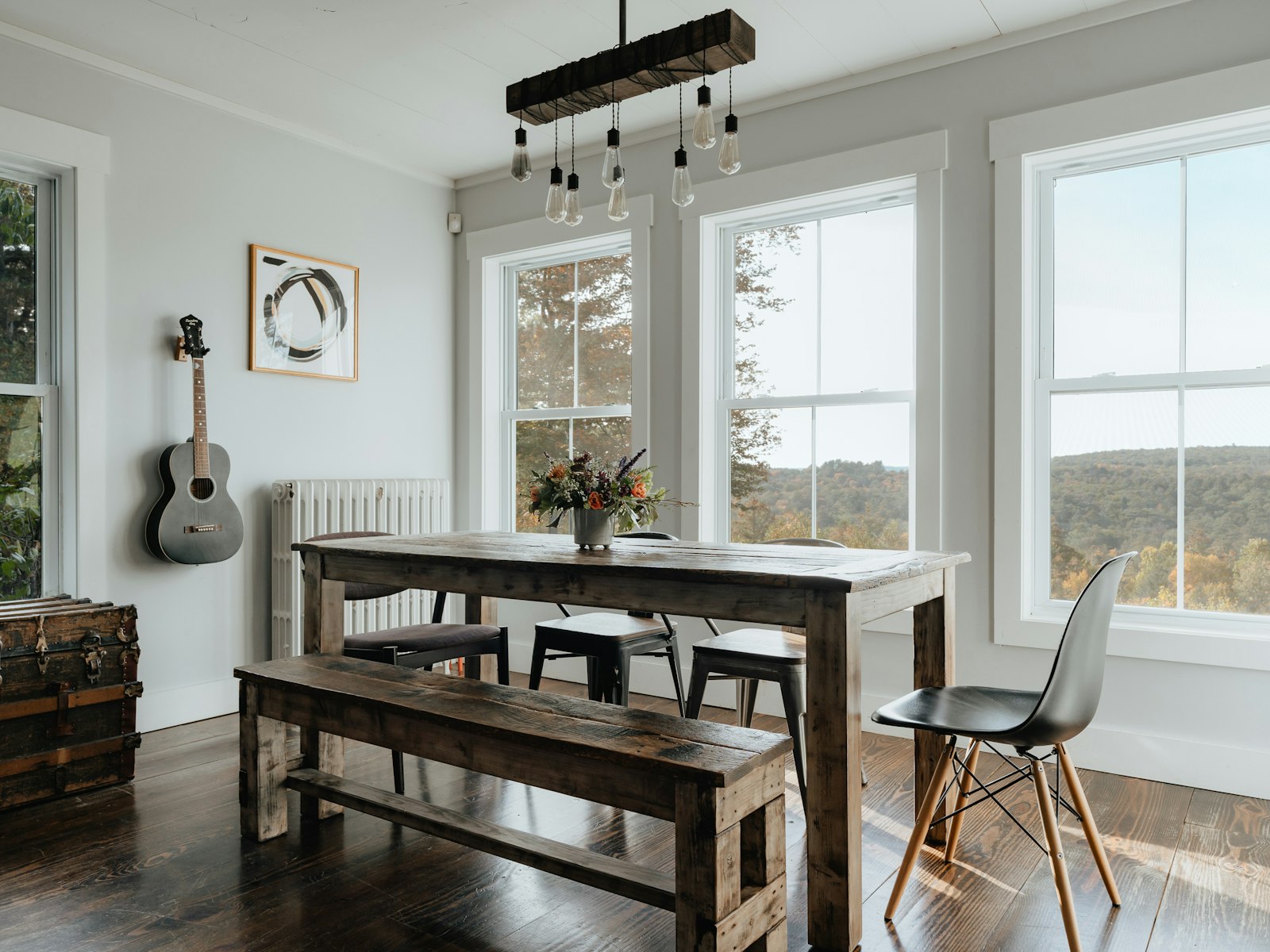
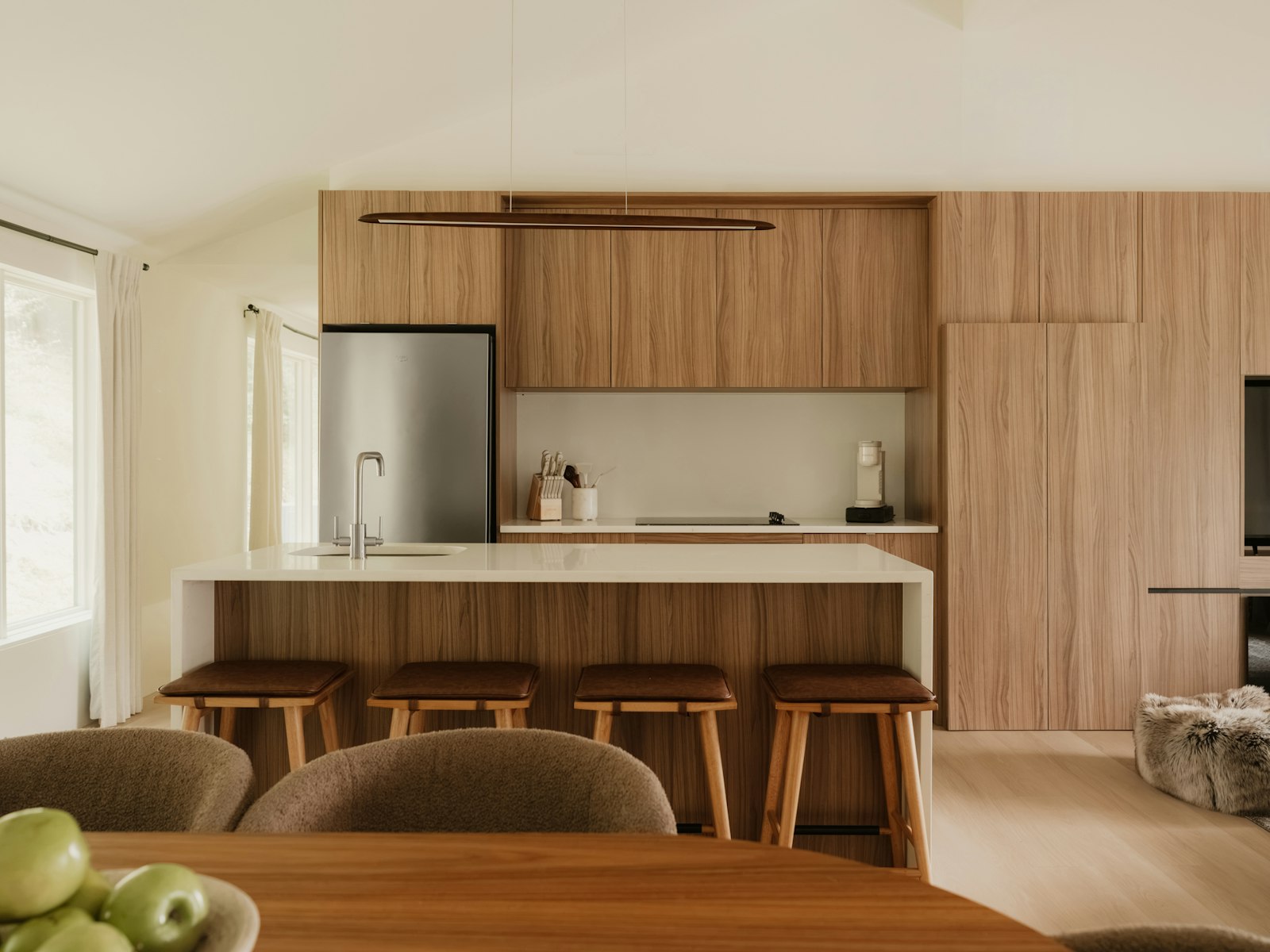
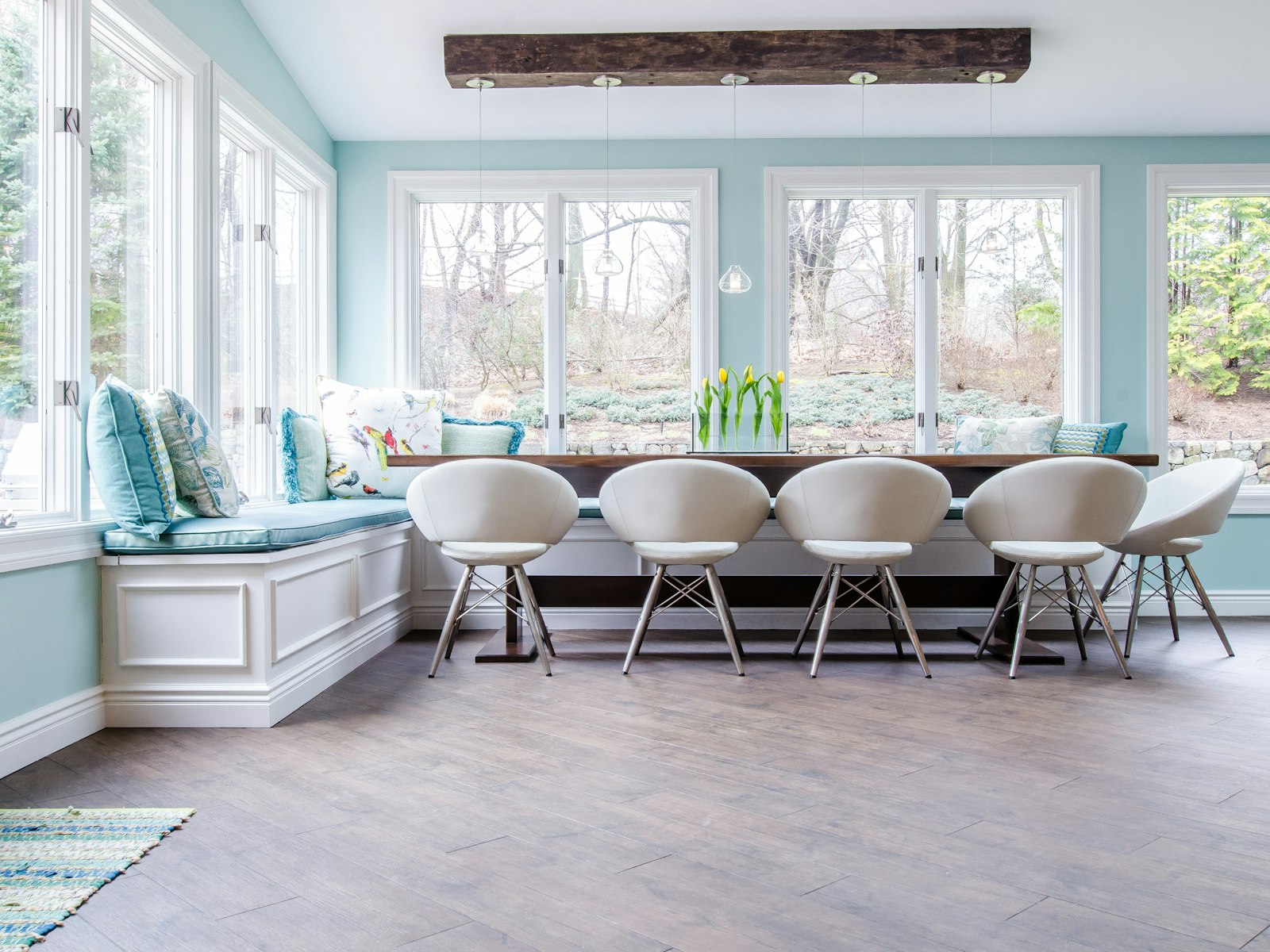
Seat height should land between 16 and 18 inches so it pairs correctly with a standard dining table. A 48-inch length is a reliable starting point for most small kitchens: it seats two adults comfortably with a bit of room to spare, and it fits most breakfast nook configurations without requiring custom work. Depth should sit between 17 and 20 inches, which gives a comfortable seat without eating into the floor space you need to move around the table. Use these as your starting point, not a rigid rule, since nook configurations vary widely.
How to measure your actual space
Start by measuring from the wall to the table edge, then allow at least 32 inches of clearance, 36 inches if you have the room, on the open side where people will slide in and out. Check that the seat height leaves at least 10 to 12 inches of leg clearance under the tabletop, which is the standard ergonomic rule of thumb for dining comfort. For L-shaped corners, measure each wall independently rather than assuming symmetry, and note that a corner bench generally needs a footprint of at least 48 inches per wall to seat two adults comfortably, measure each run and verify against the specific product dimensions before buying. Getting these numbers on paper before you shop prevents a return trip in most cases.
Backless benches vs. banquette-style: which one fits your kitchen
When a backless bench makes the most sense
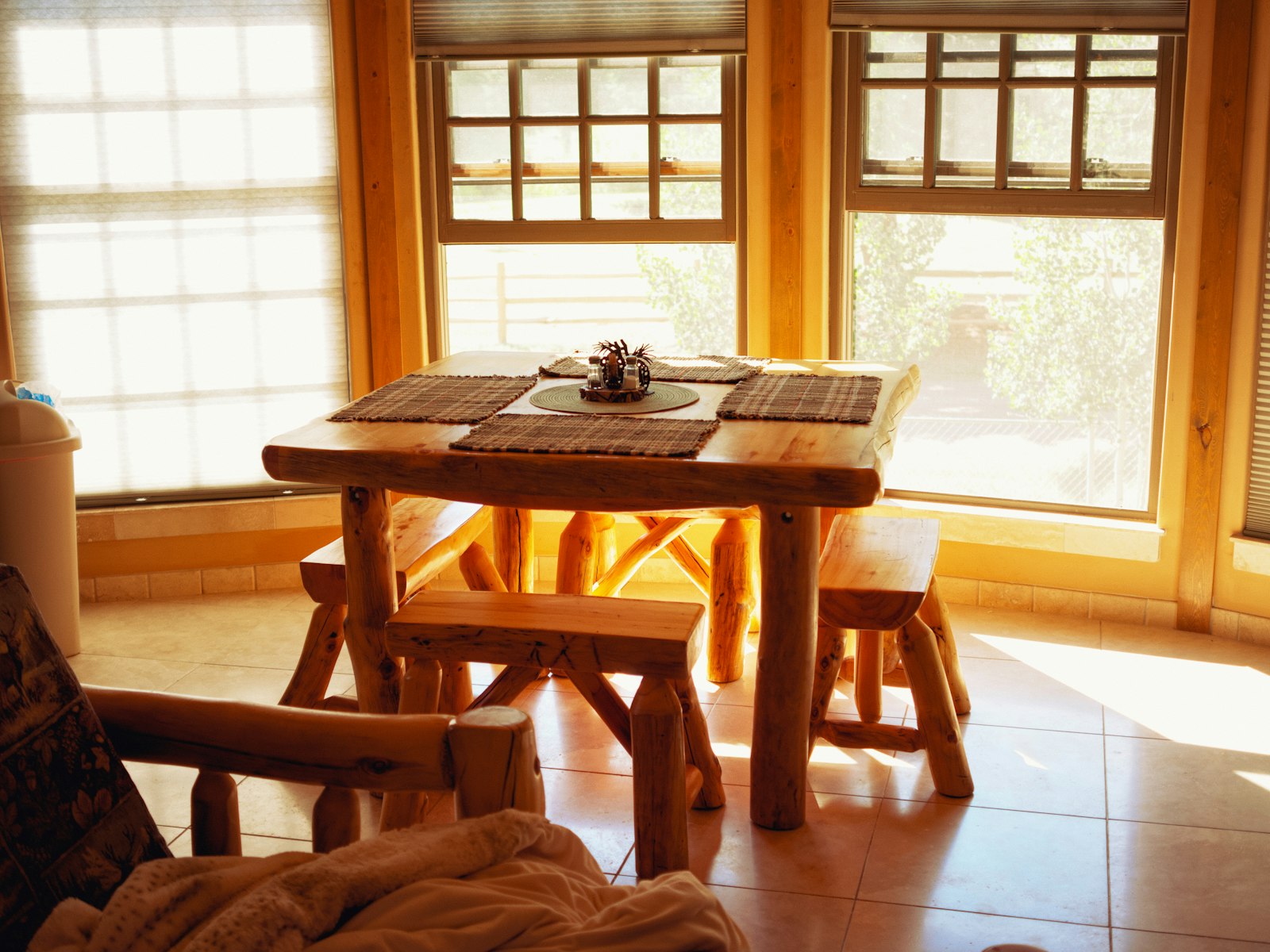
A backless bench slides fully under the table when it’s not in use, which is a genuine advantage when floor space is the most valuable thing in the room. Without chair backs interrupting the sightline, the kitchen reads as calmer and more open. For quick meals, morning coffee, or any bench that will spend most of its time pushed against a wall, the lack of a back is rarely a practical problem. Backless options also tend to cost less because they use less material, making them the smarter starting point for buyers on a tighter budget. We cover this in more detail in DIY Countertop Coffee Bar Ideas for a Stylish Kitchen.
When the extra footprint of a banquette is worth it
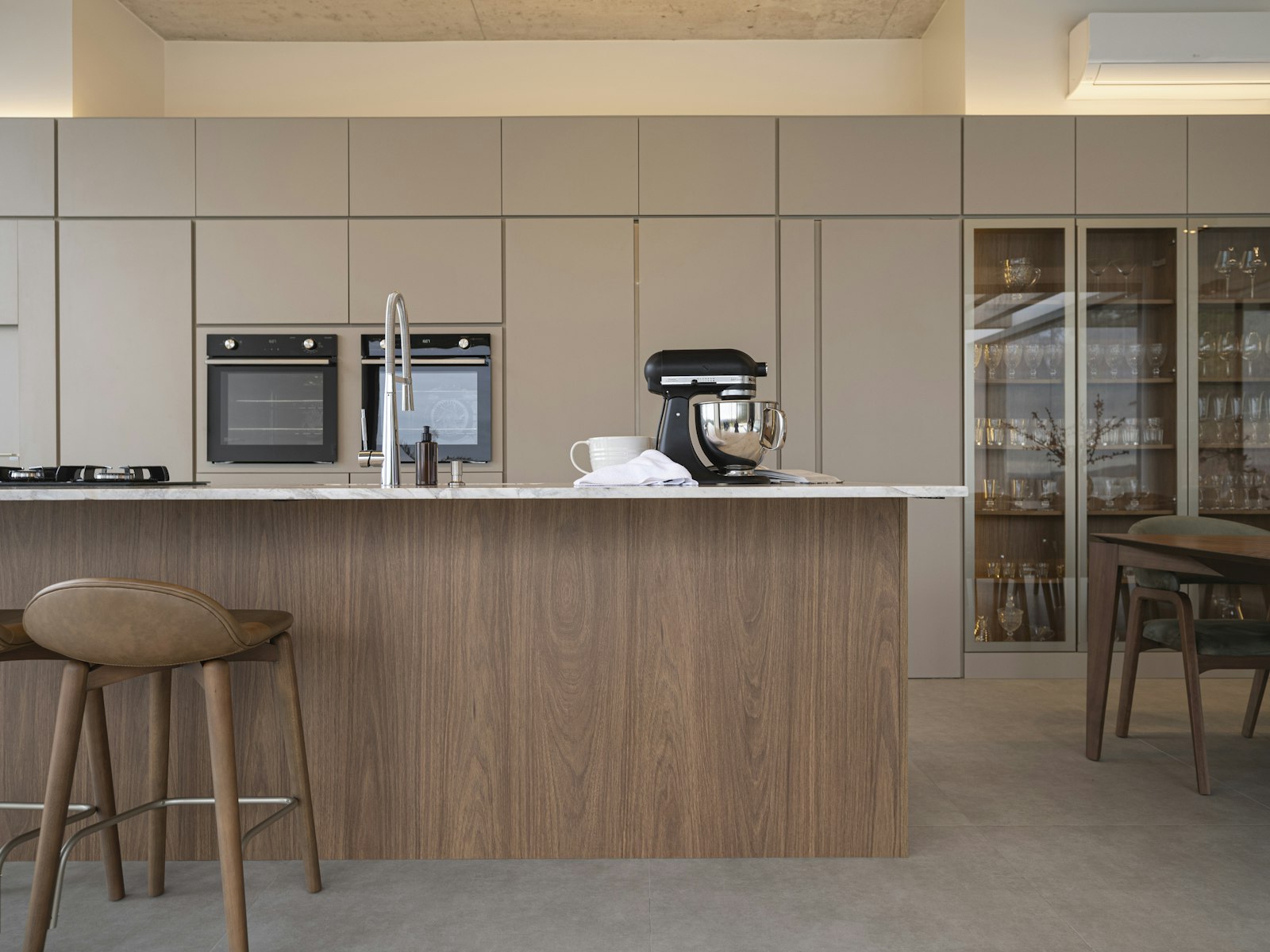
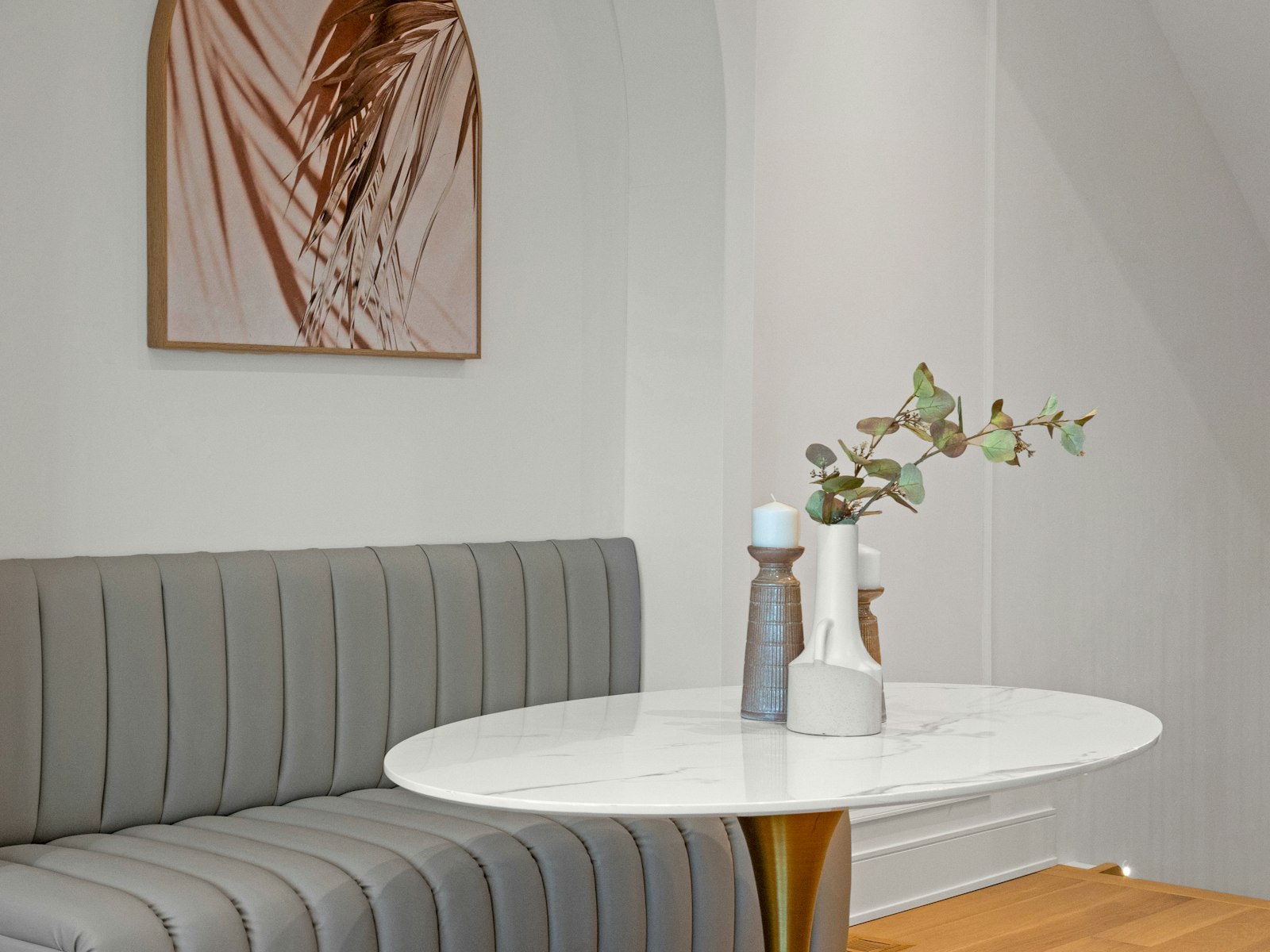
A bench with a back earns its keep in households where people sit longer. Think families who gather for proper dinners, couples who use the kitchen nook as a secondary work-from-home spot, or anyone who wants the area to feel like a genuine room destination rather than a quick perch. The back also helps define the dining zone in open-plan kitchens, where each area benefits from a clear visual boundary to feel intentional. If the bench will see two or three hours of daily use rather than twenty minutes, the added footprint is worth it. Related: Farmhouse Kitchen Decor Ideas for a Warm, Cozy Space.
Shop the look: Kitchen benches
 HOOBRO Dining BenchComfortable seating for a nookCheck price on Amazon →
 SONGMICS Storage BenchSeating with hidden storageCheck price on Amazon →
 Yusong Upholstered BenchSoft seating that looks customCheck price on Amazon →
 Winsome Saddle Seat StoolSlides under the table to save spaceCheck price on Amazon →
As an Amazon Associate we earn from qualifying purchases. Prices and ratings change, so check Amazon for today’s details.
Materials for a small kitchen bench that hold up
The honest durability ranking
Metal benches with powder-coated frames are the easiest to wipe clean and the most resistant to moisture. That combination makes them the strongest long-term choice for a kitchen environment. Solid hardwood is the next best option: it’s repairable, looks better as it ages, and holds up well with a sealed finish, though high-humidity kitchens may require occasional re-oiling. Engineered wood and MDF are the weakest choice for kitchen use because moisture and edge damage accumulate over time in ways that can’t be repaired. Upholstered benches score highest on comfort and lowest on practicality, fabric traps crumbs and stains, and even performance fabrics require more upkeep than any other material on this list.
Matching the material to your household
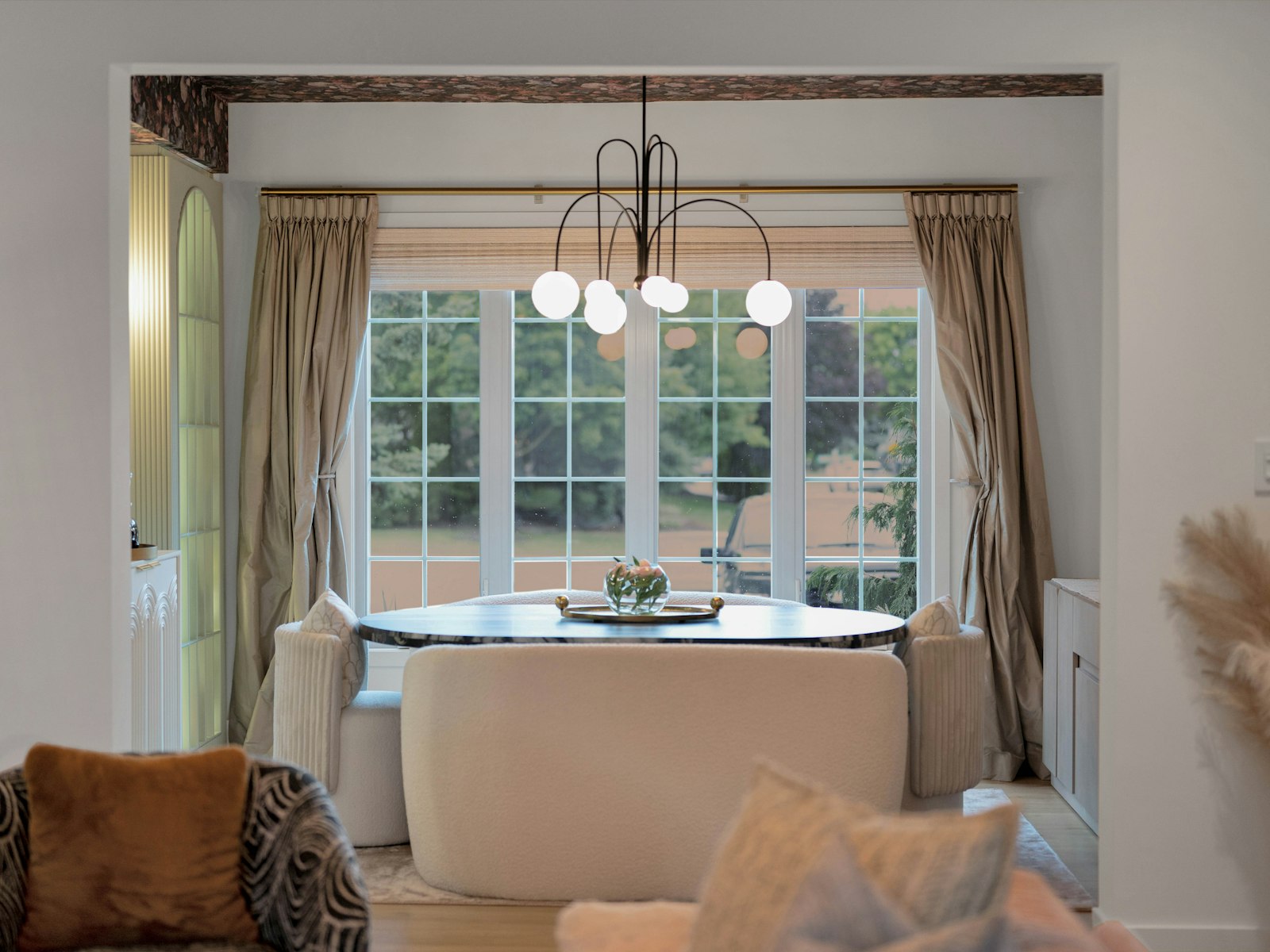
For homes with kids or pets, lean toward metal or sealed solid wood where daily spills are a given. If aesthetics are a higher priority and the bench won’t see constant heavy use, a cushioned solid wood bench with a removable, washable cover is a reasonable middle ground. When shopping for upholstered options, look for performance polyester or commercial-grade faux leather with at least 30,000 double rubs and a tight weave. These fabrics won’t eliminate the maintenance question, but they reduce it significantly compared with standard upholstery. You might also like Kitchen coffee nook ideas: layout, storage, and style.
Using your bench well beyond the kitchen table
The entryway workaround for homes without a mudroom
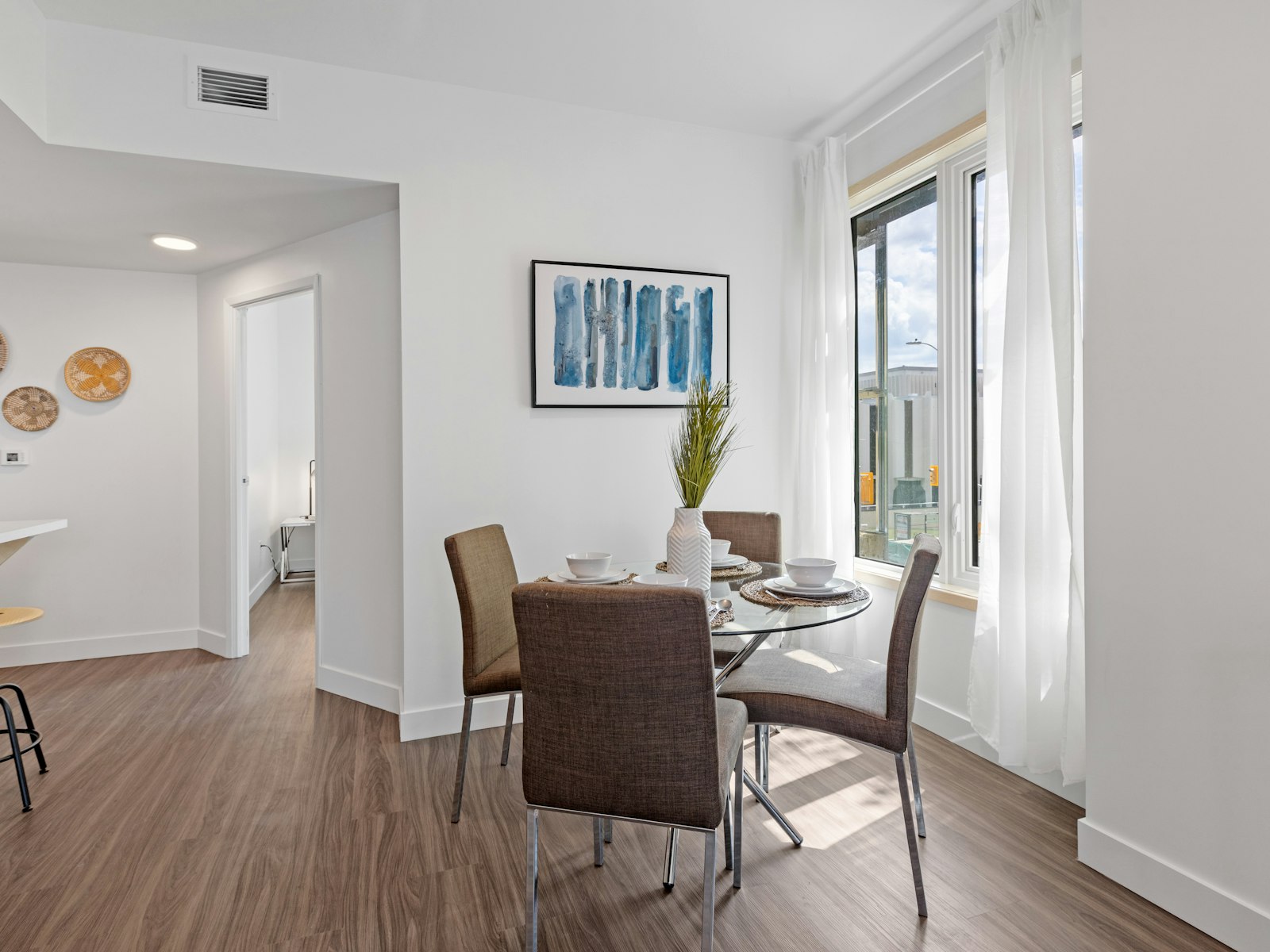
Many American homes, especially apartments and smaller suburban builds, don’t have a dedicated mudroom or entry hall. A compact kitchen bench placed near the closest door to the outside serves almost all the same functions: somewhere to sit while pulling off shoes, a surface for setting down bags, and under-seat storage for footwear or outerwear. It requires no renovation, no extra square footage, and it moves when you redecorate. That flexibility makes a well-chosen small kitchen bench one of the highest-utility purchases available for a compact home, and it’s a placement that tends to perform better than most people anticipate before they try it. If you are shopping for this, the Phantoscope Waterproof Pillows is a well-reviewed option.
Going deeper on small-space entryway organization
For readers who want to take this further, Aesthetic Nest Decor’s guides on mudroom bench ideas and small-space entryway organization cover exactly how to build out this kind of multi-use zone using the right bench, hooks, and baskets. The sizing and material principles covered in this article apply just as well to that setup. A bench that works at your kitchen table will work just as well near your front door, and pairing it with wall hooks and a few labeled baskets completes the functional picture without requiring any permanent renovation. One option worth a look is the SUNROX Non-Slip Bench Cushion.
Shop the look: Cushions and comfort
 SUNROX Non-Slip Bench CushionMakes a hard bench comfortableCheck price on Amazon →
 Phantoscope Waterproof PillowsWipeable pillows for kitchen seatingCheck price on Amazon →
 5 STARS UNITED Seat CushionStays put on wood benchesCheck price on Amazon →
 Sweet Home Memory Foam Chair CushionMatching pads for nearby chairsCheck price on Amazon →
As an Amazon Associate we earn from qualifying purchases. Prices and ratings change, so check Amazon for today’s details.
Where to shop and what to expect to spend in 2026
Budget to mid-range: under $250
The IKEA PERJOHAN is the accessible starting point, offering a clean compact profile for basic nook seating with a straightforward look that pairs well with most kitchen styles. The Nathan James Kallie Dining Bench adds hidden storage and consistently strong ratings for its price point, making it one of the better buys in this category. The NDOHCUO L-Shaped Storage Bench is the best-reviewed budget corner option under $250 for buyers who need to fill a two-wall nook. All three are available on Amazon, and some listings advertise delivery within a week of ordering, check the product page for current shipping estimates.
Mid-high and custom picks: $250 and up
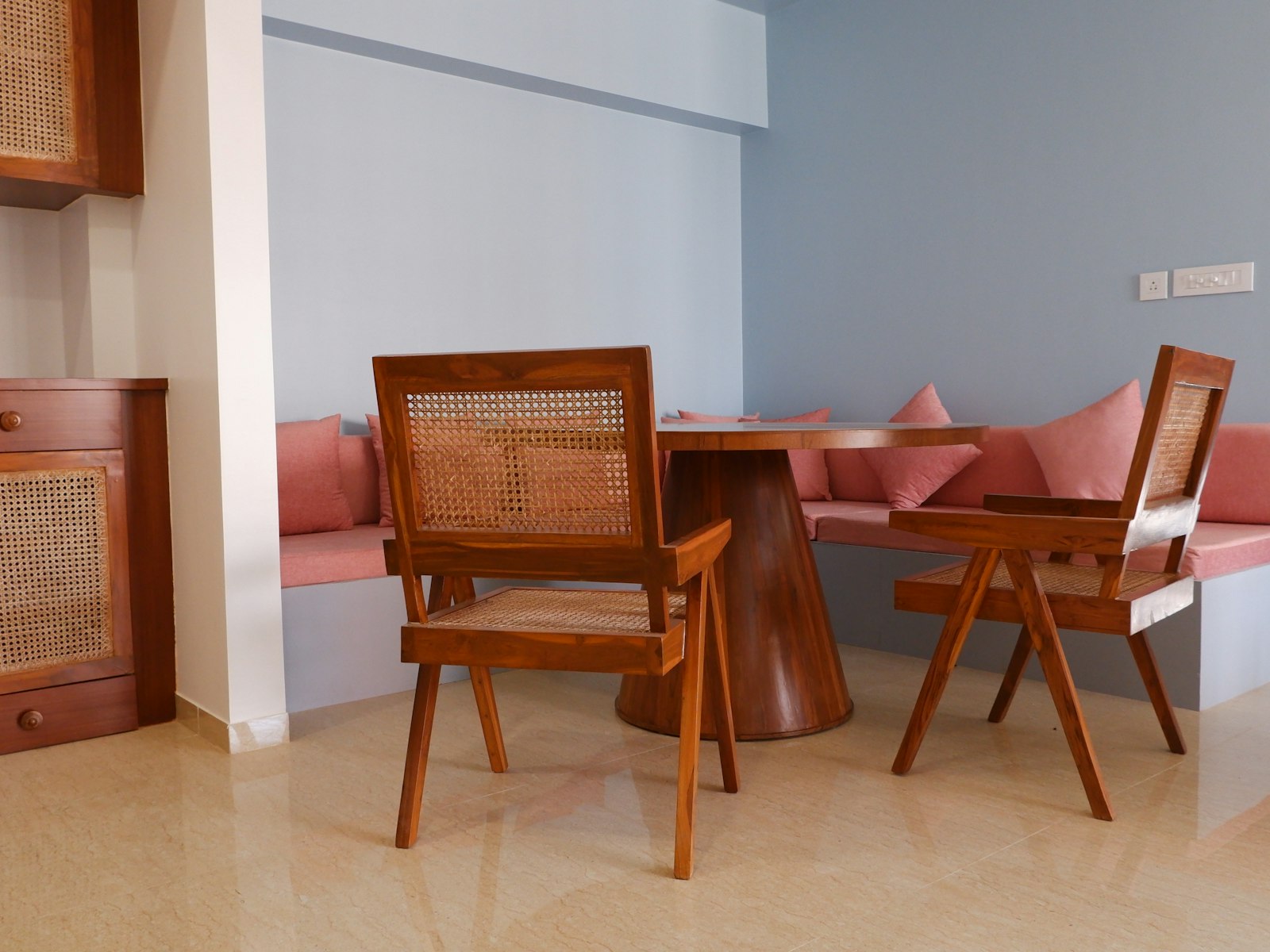
The Kelly Clarkson Home Anastasia Solid Wood Bench at $680 is the pick for buyers who want deep storage compartments and solid wood construction that looks built-in without the custom price tag. The Carriage House Corner Bench at $814 is the closest to a true built-in feel available without hiring a contractor, and it’s worth the investment for anyone planning to stay in their home for several years. Wayfair offers a wide selection of small kitchen benches across all price bands and often provides free delivery on qualifying orders; its filter system makes it straightforward to narrow by size, style, and seat configuration. If you want to go further, read Kitchen Island Styling Ideas: How to Decorate a Surface You Actually Use.
Small kitchen bench buying checklist
- Measure first: Confirm seat height (16, 18 in), length, depth, and clearance (at least 32 in on the open side) before browsing.
- Backless or backed: Choose backless for tight spaces and quick use; choose a banquette-style bench for longer sit times and open-plan zone definition.
- Material match: Metal or sealed hardwood for high-traffic kitchens; performance upholstery only if you’re prepared for the extra maintenance.
- Storage need: If cabinet space is limited, prioritize a lift-top or hollow-seat design from the start rather than adding storage later.
- Check return policies: Furniture dimensions can surprise you in person, confirm the retailer’s return window before purchasing a small dining bench online.
Shop the look: Breakfast nook extras
 Tulip Round Dining TableFits tight corners with no legs to bumpCheck price on Amazon →
 Globe Electric Plug-In PendantLights the nook without rewiringCheck price on Amazon →
 SONGMICS Folding Storage OttomanSlide under the bench for storageCheck price on Amazon →
 Washable 2×3 Accent RugDefines the nook and washes easilyCheck price on Amazon →
As an Amazon Associate we earn from qualifying purchases. Prices and ratings change, so check Amazon for today’s details.
Shopping list
- HOOBRO Dining Bench — comfortable seating for a nook
- SONGMICS Storage Bench — seating with hidden storage
- Yusong Upholstered Bench — soft seating that looks custom
- Winsome Saddle Seat Stool — slides under the table to save space
- SUNROX Non-Slip Bench Cushion — makes a hard bench comfortable
- Phantoscope Waterproof Pillows — wipeable pillows for kitchen seating
- 5 STARS UNITED Seat Cushion — stays put on wood benches
- Sweet Home Memory Foam Chair Cushion — matching pads for nearby chairs
- Tulip Round Dining Table — fits tight corners with no legs to bump
- Globe Electric Plug-In Pendant — lights the nook without rewiring
- SONGMICS Folding Storage Ottoman — slide under the bench for storage
- Washable 2×3 Accent Rug — defines the nook and washes easily
Prices and availability change. Links open on Amazon.
Keep reading: Best Kitchen Island Accessories for Style and Function · DIY Countertop Coffee Bar Ideas for a Stylish Kitchen · Kitchen coffee nook ideas: layout, storage, and style · Kitchen Island Styling Ideas: How to Decorate a Surface You Actually Use · Farmhouse Kitchen Decor Ideas for a Warm, Cozy Space
Helpful resources: the kitchen work triangle, upholstery materials, the ENERGY STAR light bulb guide.
Frequently Asked Questions
How wide should a kitchen bench be?
A comfortable bench seat is 15 to 18 inches deep and about 18 inches high, with roughly 24 inches of length per person.
Are kitchen benches comfortable?
Yes, with a cushion and a back or wall behind them. Add a non-slip bench cushion and a few pillows for longer meals.
Can a bench replace chairs in a small kitchen?
Yes. A backless bench slides fully under the table when not in use, which frees floor space in a tight kitchen.
The bottom line on choosing a small kitchen bench
The decision process is simpler than it looks once you follow the right order. Measure first, decide between backless and banquette second, then choose your material based on how the kitchen actually gets used day to day. A well-chosen small kitchen bench often delivers more seating and storage per linear foot than standalone chairs or small cabinets, and that’s before you factor in the flexibility it adds.
If you find the bench useful near the kitchen door as well as at the table, that’s a strong signal to go deeper on the entryway setup. Aesthetic Nest Decor’s mudroom and small-space organization content covers the full picture, from the right bench dimensions to the hooks and baskets that complete the zone. The same practical logic that guides a small kitchen bench purchase carries over to that setup too, and the upfront planning typically justifies itself the first week you use it.
Save This for Later
Pin this image to your Pinterest board so it is ready when you need it.
Get one cozy decor idea every week
Seasonal styling ideas, budget finds and new guides. No spam, unsubscribe anytime.