
You know the moment. You’re standing in an empty room with a paint swatch in one hand and a browser tab full of contradictory advice open on your phone. The crib is still in a box. The walls are builder-beige. And you have approximately six weeks to turn this blank square into a room where a human being will spend most of their first year of life. No pressure.
Getting nursery decor right feels high-stakes for good reason. These decisions are personal, they involve real safety considerations, and poorly chosen pieces are expensive to undo. The good news is that this room doesn’t need to be complicated. At Aesthetic Nest Decor, our kids’ room coverage guides families through every stage from the nursery all the way through the tween years. This article gives you a clear style framework, a safety guide grounded in actual certification standards, an honest budget breakdown, and a focused shopping shortlist so you can move forward with confidence instead of cart anxiety. More on that in DIY & decor ideas.
Nursery Decor Styles and Color Palettes for 2026
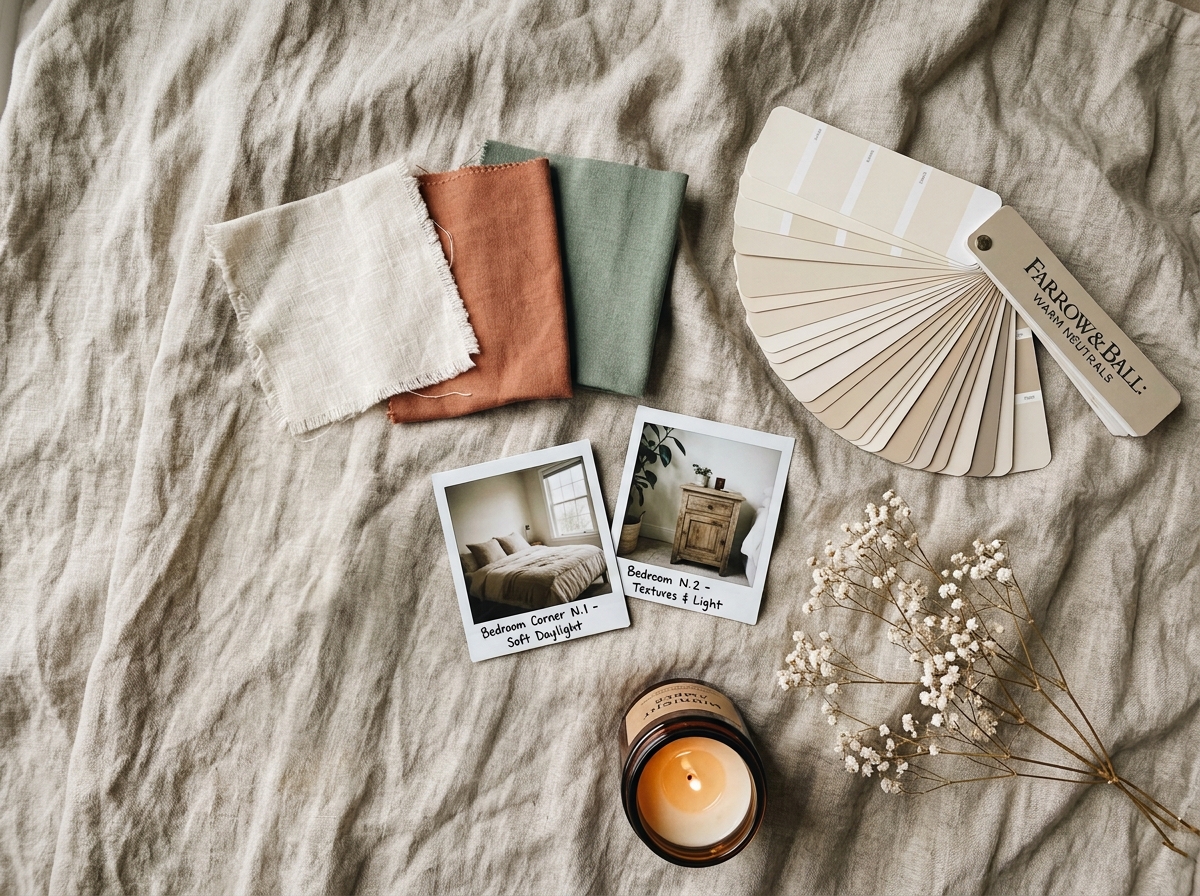
Before you buy a single thing, you need a style anchor. Every subsequent purchase, from the crib finish to the wall art, becomes easier when you can answer one question: what feeling does this room need to have? Many trend sources converge around a smaller set of coherent directions for 2026 baby room decor, which makes narrowing down your choices more manageable than it might seem.
Modern organic and nature-inspired nursery decor
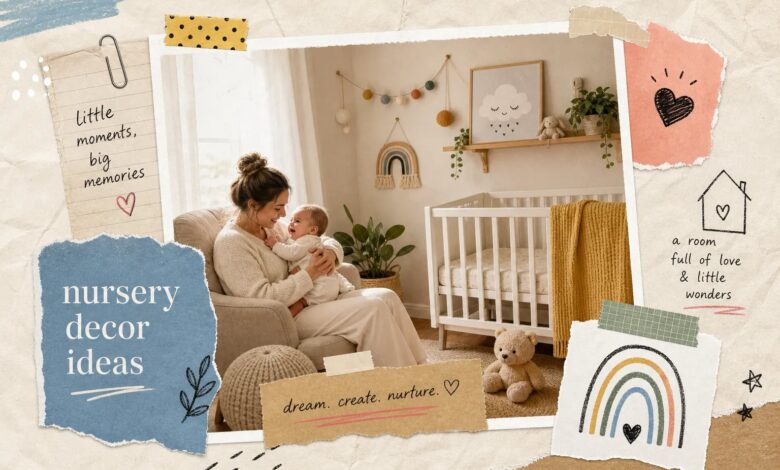
This is the single biggest direction in 2026, and it’s easy to see why. Modern organic nurseries use linen, rattan, natural wood, warm neutrals, and plant-inspired accents to create spaces that feel calm and collected rather than overtly “baby.” Imagine a curved wood crib against a warm white wall, a chunky wool rug, a rattan mobile, and a few framed botanical prints. The style photographs beautifully and doesn’t feel dated in two years. It also transitions into a toddler room without a full overhaul, which 2026 trend reports widely cite as one of its strongest selling points. For parents who want a space that doesn’t shout nursery theme decor from across the street, this is the smart default.
Coastal calm, heritage, and gender-neutral directions
Three other strong directions are worth knowing. Coastal calm uses muted blues, sand, and woven textures to create an airy, beach-adjacent feel without leaning into literal seashell motifs. Heritage and grandmillennial-inspired rooms bring in vintage-style art, quilted textiles, embroidery, and antique brass hardware for a more collected, heirloom feel. Softly colorful gender-neutral rooms layer gingham, soft stripes, and storybook prints in restrained palettes that feel playful without being loud. The material choices differ across each style, so identifying your direction first prevents you from buying a rattan pendant for a heritage-inspired room or an antique brass sconce for a coastal one.
Choosing a palette that won’t feel dated in two years
The color logic behind 2026 baby room decor is straightforward: start with a warm neutral base and bring personality in through accents. Sage green, mushroom beige, clay pink, oat, and ochre are the palette anchors showing up repeatedly across every style direction. Wall color stays quiet; texture and layering do the visual work. This approach gives you flexibility as the room grows from nursery to toddler space without a full repaint, which any parent of a two-year-old will confirm is a very practical consideration.
What a Newborn’s Room Actually Needs (and What Can Wait)
One of the most common nursery decor mistakes is treating the launch date as a deadline for a finished room. It isn’t. A newborn’s room needs to function safely, not look like a magazine spread. Separating essentials from style additions protects both your budget and your sanity. See also: shelf decor ideas: how to style any shelf like a pro.
The non-negotiables for a safe newborn setup
The true essentials are a short list. You need a safe sleep space, whether that’s a crib, bassinet, or play yard, with a firm mattress and fitted sheets. You need a functional changing area with accessible storage for diapers and wipes. Swaddles or sleep sacks, a baby monitor, and a sound machine round out what the room genuinely needs to operate from day one. That’s it. Everything else is a comfort upgrade or a style decision, and neither of those has to happen before the baby comes home.
The decor layer: what to add and when
Wall art, mobiles, rugs, baskets, decorative shelving, and themed baby nursery accessories all fall into the “add when ready” category. A glider is genuinely useful for those overnight feeding sessions, and blackout curtains become more important once you’re working hard to protect nap schedules. But neither is a day-one emergency. The practical approach is to go lighter at launch and build the room over the first few months as you learn how the space actually gets used. Many parents discover the glider ends up in a different corner, the changing area needs more shelving, or the rug they loved in photos doesn’t work with the lighting. Giving yourself time saves you from redesigning around decisions you locked in at 36 weeks.
Must-Have Nursery Decor Furniture and the Convertible Pieces Worth the Investment
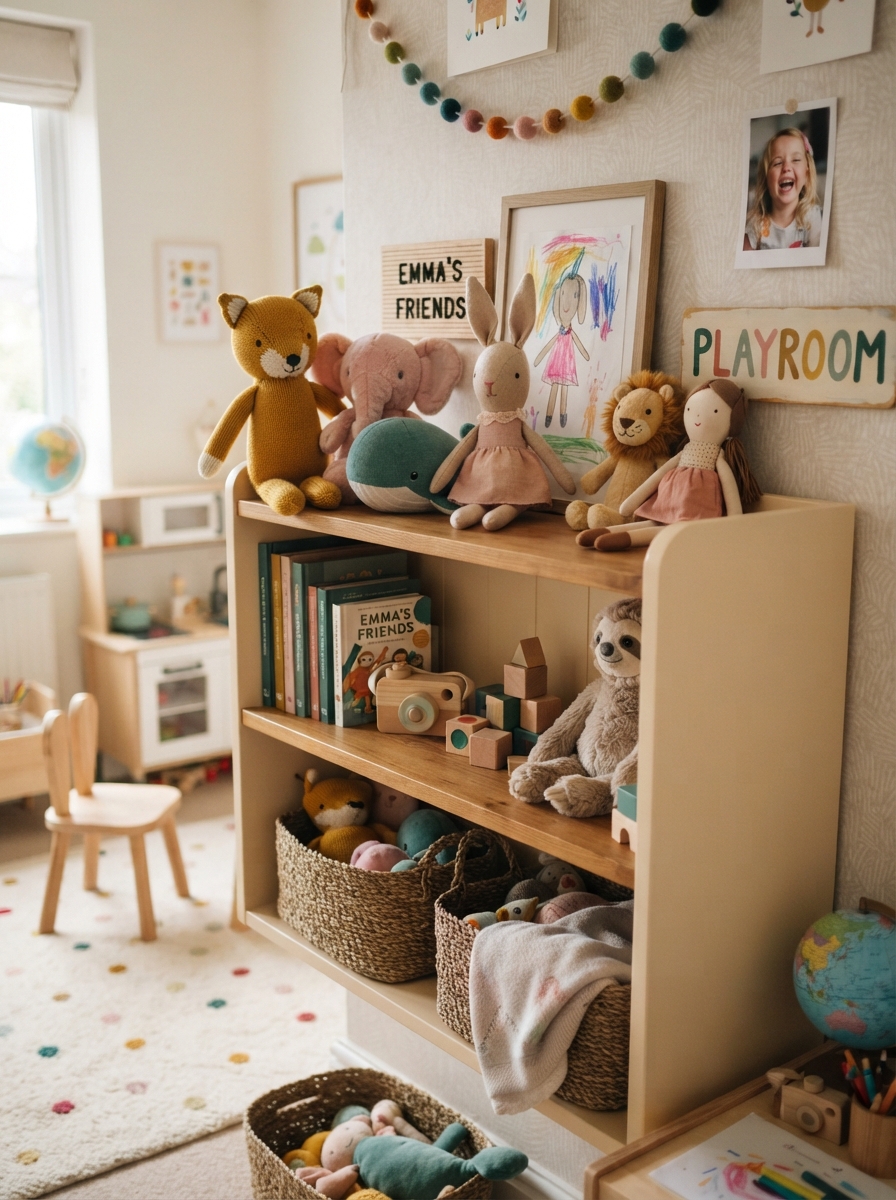
Once you know what you need, the next question is what to buy specifically and where to concentrate your spending. The 2026 preference in nursery design leans hard toward grow-with-child, multi-functional pieces, and the reasoning is sound.
The crib decision: convertible options and 2026 silhouettes
A convertible crib that transitions to a toddler bed and eventually a full bed is one of the highest-value pieces in the entire room. You’re buying a piece that stays useful for years rather than cycling it out after infancy. In 2026 nursery design, curved and sculptural silhouettes are favored over the traditional sharp-edged rectangular crib, which also happens to reduce injury risk for newly mobile babies. Before you fall in love with a particular finish or curve, confirm the crib meets CPSC and ASTM safety standards and carries GREENGUARD Gold certification. CPSC and ASTM compliance means the piece meets federal safety requirements, while GREENGUARD Gold indicates it has been independently tested for low chemical emissions. Aesthetics come second to that.
Storage, seating, and the furniture pieces that earn their floor space
A dresser with a changing topper is the most practical combination piece in a nursery: it handles clothing storage from infancy through childhood and the topper removes when you no longer need it. Open shelving adds display and storage without closing off the room. For seating, a quality glider gets used heavily during early infancy, so comfort matters more than how it looks in a flat lay. Floor beds and low-profile storage are also rising in popularity because they support independent toddler play, another reason investing in flexible, lower-profile pieces pays off as the room evolves.
Nursery Wall Decor Ideas That Look Good and Stay Safe
Wall art and safety aren’t separate conversations in a nursery. They need to happen at the same time, because where you hang something and what you hang it with are as important as what you choose to hang.
What to hang, where to place it, and what to avoid above the crib
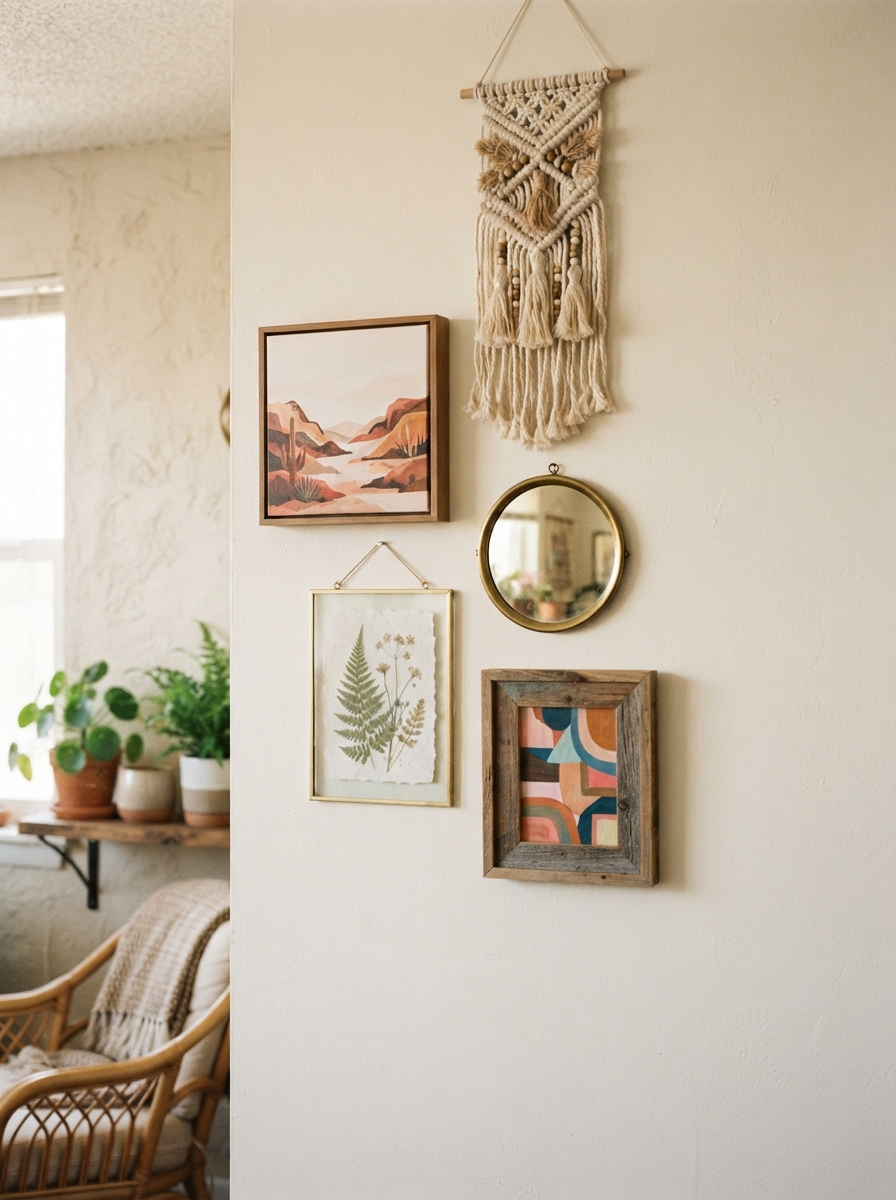
Nothing heavy should be mounted above a crib or changing table. That means no mirrors, no glass-framed prints, and no thick floating shelves in the zone directly overhead. The safer and equally stylish alternatives are lightweight canvas prints and fabric wall hangings, both of which pose minimal fall risk and align perfectly with the modern organic newborn nursery decor aesthetic dominating 2026. Anything mounted on the wall should be anchored into studs or with hardware rated for the weight, and anything within the crib zone should be secured well above reach.
Wall decor by nursery style: mobiles, gallery walls, and accent shelves
Your chosen style should translate directly into your nursery room decor decisions. Modern organic rooms work well with macramé wall hangings, simple wooden letter art, and nature-inspired prints in linen or canvas. Heritage-inspired rooms suit gallery walls mixing small framed botanical prints with embroidered art or vintage-style illustrations. Coastal calm rooms call for textile wall hangings in woven cotton or wool and soft abstract prints in muted, sand-adjacent tones. For mobiles in any style: lightweight construction, secure mounting hardware, and placement out of grabbing distance from the crib. A mobile is a finishing touch and a sensory element for newborns; it should never be a falling hazard.
Safety Certifications and Materials to Check Before You Buy
The label alphabet on nursery products is genuinely confusing, and that confusion leads a lot of parents to either ignore it entirely or obsess over it unproductively. Here’s a clear framework that makes any nursery decor purchase easier to evaluate.
What GREENGUARD Gold, OEKO-TEX, and GOTS actually mean
GREENGUARD Gold means the finished product has been independently tested for very low VOC emissions into indoor air. It’s the certification most relevant for furniture, mattresses, rugs, curtains, and upholstered decor because it addresses off-gassing in enclosed spaces. OEKO-TEX Standard 100 tests finished textile products for harmful residual substances, making it the label to look for on bedding, crib sheets, blankets, and fabric accessories. GOTS covers organic fiber content and chemical limits across the processing chain, so it’s the right standard when you’re specifically seeking organic cotton or wool textiles. You don’t need all three on every purchase, but any one of them on a product is a meaningful signal that the manufacturer invested in independent safety testing.
Material priorities for rugs, textiles, and decor accents
Favor natural fibers: organic cotton, wool, hemp, and linen are the right defaults for nursery textiles. For rugs, avoid products with chemical stain-resistant treatments and polyurethane foam backing; use non-slip pads made from natural rubber instead. Skip textiles with added flame retardants or any product with a strong chemical smell out of the packaging. The good news is that these details are findable on product pages when you know what to look for. A quick search for “GREENGUARD Gold” or “OEKO-TEX” in a retailer’s product filters narrows your options considerably and removes a lot of the guesswork.
What to Spend and Where to Shop for Stylish, Safe Nursery Pieces
Budget and sourcing are the final pieces of the framework. The three-tier model below gives you a realistic range and matches each level to U.S. retailers that align with both the style directions and the safety standards covered in this article. Note that these ranges are illustrative and drawn from multiple consumer guides; your exact totals will vary based on region and specific selections.
Budget tier ($1,000, $2,000) and midrange tier ($2,000, $3,500)
At the budget tier, concentrate your spending on the crib and mattress, which are the items that matter most for safety and longevity. A secondhand glider in good condition is a smart find at this level, and nursery decorations can stay minimal and intentional: one or two wall pieces, a simple rug, and a mobile. The room doesn’t need to be fully styled to be functional. At the midrange, Pottery Barn Kids offers GREENGUARD-certified furniture and organic cotton bedding with a coordinated aesthetic. Crate and Kids carries GREENGUARD Gold-certified furniture and OEKO-TEX bedding for a more contemporary look. Both are solid all-in-one sources when you want a cohesive room without hunting across multiple retailers.
Premium tier ($4,000+) and best sources for art and accessories at any budget
At the premium level, Babyletto is a well-regarded option for modern, eco-focused furniture with sustainably sourced materials and strong safety credentials. Custom wallpaper, quality paint work, and higher-spec natural-fiber textiles are where the premium budget tends to go beyond furniture. For nursery wall decor and baby nursery accessories at any budget, Minted is a solid source for prints from independent designers, and The Little Market carries ethically sourced, artisan-made accents that add personality without the fast-furniture feel. The most practical strategy at any budget is to mix: spend on the pieces that matter for safety and longevity, and go lighter on the decorative accents that can be swapped as the room evolves.
Build Your Nursery Decor with Intention, Not Urgency
The nursery doesn’t need to be finished before your due date. It needs to be safe. A crib, a mattress, a changing area, and a handful of functional basics are all the room truly needs to welcome a newborn. The style layers, the gallery wall, the perfectly sourced mobile: those can come later, after you’ve spent a few weeks in the space and know how it actually gets used.
Work the framework in order. Pick your style direction first so every nursery decor purchase has an anchor. Confirm safety essentials before you spend on decor. Set a realistic budget and know which tier you’re working in. Then shop with a focused list instead of an open cart. That process produces better rooms than any amount of scrolling through inspiration boards.
At Aesthetic Nest Decor, the nursery is just the beginning. As this room grows into a toddler space and eventually a big-kid bedroom, the kids’ room content series here covers every stage of that evolution, from the first toddler bed transition to full tween room refreshes. It’s the long-term design companion for the room in your home that changes the most, and it’s built for the way real families actually live in these spaces.
Frequently Asked Questions About Nursery Decor
What nursery decor items are truly essential before the baby arrives?
The non-negotiables are a safe sleep surface (crib, bassinet, or play yard) with a firm mattress and fitted sheet, a functional changing area, swaddles or sleep sacks, a baby monitor, and a sound machine. Wall art, rugs, and decorative accessories can wait until after you’ve settled into the space.
How much should I budget for a nursery?
Budget-tier nurseries typically fall in the $1,000, $2,000 range when you prioritize the crib and mattress and keep decor minimal. Midrange setups run $2,000, $3,500 with coordinated furniture from certified retailers. Premium builds can exceed $4,000 when custom elements and higher-spec textiles are included. These are illustrative ranges; your total will depend on region and specific selections.
What safety certifications should I look for on nursery furniture?
Look for furniture that meets CPSC and ASTM safety standards and carries GREENGUARD Gold certification for low chemical emissions. For textiles and bedding, OEKO-TEX Standard 100 and GOTS (for organic fibers) are the most relevant labels. Any one of these certifications signals that a manufacturer invested in independent safety testing.
Is it safe to hang wall decor above a crib?
Nothing heavy should be mounted directly above a crib or changing table. Avoid glass-framed art, mirrors, and heavy shelving in that zone. Lightweight canvas prints and fabric wall hangings are the safer alternatives and align well with popular 2026 nursery styles.
What nursery decor style is most popular in 2026?
Modern organic and nature-inspired nursery decor is the dominant direction. It uses natural materials like linen, rattan, and warm wood tones, paired with soft neutral palettes. The style is widely considered durable and adaptable, making it easy to transition into a toddler room without a full redesign.
Shop the Nursery Look
As an Amazon Associate we earn from qualifying purchases.
Which natural fibers are best for nursery textiles?
Organic cotton, wool, linen, and hemp are the preferred choices. Avoid rugs with chemical stain-resistant treatments or synthetic foam backing. Look for OEKO-TEX or GOTS labels on bedding and fabric accessories to confirm the materials have been tested for harmful substances.