
As an Amazon Associate I earn from qualifying purchases. Some links in this post are affiliate links, at no extra cost to you.
Every household hits the same breaking point: boots piled against the baseboard, a sandal somehow blocking the door. Good shoe entryway storage fixes that chaos without tearing out walls or wishing you had a mudroom. This guide walks through every major storage type, from slim flip-drawer cabinets to bench combos to wall-mounted racks, so you can match the right solution to your actual space, shoe volume, and budget. And if you want to tackle the full entry space beyond just shoes, Aesthetic Nest Decor’s mudroom and entryway organization guides cover every layer of the room in the same practical format. Pour aller plus loin : entryway & mudroom.
How to Figure Out Which Shoe Entryway Storage Type Fits Your Space
Before you browse a single product page, ask yourself two key questions: How wide is the usable wall run, and does your household need quick, visible access to shoes or would you rather conceal everything behind closed doors? Those answers narrow down your options faster than any best-of list. Also consider whether your entryway opens directly from the front door or feeds into a hallway, since that affects how much clearance you’re actually working with. This guide covers entryway shoe storage step by step, with practical tips and product picks.
Measure Before You Shop
Grab a tape measure and record three numbers: the wall width available for the piece, the depth from the wall to the edge of your natural walking path, and the height up to any switches or trim that could block a taller unit. The most common compact shoe cabinet for hallways runs 9 to 10 inches deep and 21 to 32 inches wide. Those numbers are your baseline. If your depth clearance is tighter than 10 inches, a wall-mounted rack or over-the-door shoe organizer becomes the practical call. Also tape the footprint on the floor with painter’s tape and walk through it before you buy. It takes two minutes and saves a return trip.
Open vs. Closed Storage: What Actually Works in a Real Entryway
Open racks give you fast grab-and-go access and usually cost less. They also ventilate shoes better, which matters for athletic footwear and boots that come in wet from rain or snow. The trade-off is visibility: shoes are always on display, and the space reads messy the moment a pair gets tossed sideways. Closed cabinets and flip-drawer units look polished and hide clutter from anyone who walks in, but they require slightly more depth for door clearance. The honest deciding factor is your household’s daily discipline level. If shoes reliably get put away properly, open storage works beautifully. If they don’t, a closed door hides the evidence. You will find more ideas in 15 small bedroom storage ideas that maximize space.
Slim Cabinets and Flip-Drawer Units: Shoe Entryway Storage for Narrow Hallways
This category is the go-to for tight entryways. Based on reviewer consensus across major retailers and home organization publications, slim flip-drawer cabinets rank among the most practical shoe entryway storage options for homes without a dedicated mudroom. A slim shoe cabinet for hallways sits only 9 to 10 inches off the wall, holds 18 to 24 pairs depending on the number of drawers, and looks like actual furniture rather than a storage rack. Models like the BORNOON 3-Flip-Drawer Cabinet and the ONBRILL 3-Door Cabinet earn consistent praise for delivering real capacity without eating walkway space.
Dimensions and Pair Capacity to Expect
Slim flip-drawer cabinets typically run 9 to 10 inches deep, 21 to 32 inches wide, and 29 to 45 inches tall. Pair capacity ranges from 10 to 24 pairs depending on the number of drawers or shelves. Use those ranges as your benchmark when comparing options. A unit that lists 30-pair capacity but is 14 inches deep is a different product category entirely and won’t work in a narrow hallway. This type of shoe entryway storage is purpose-built for compact floor plans, which is exactly why the dimensions matter so much before purchase.
Where Price and Design Intersect for Slim Cabinets
Most slim cabinets land in the $75 to $300 range, with the sweet spot for everyday households sitting between $99 and $160. Budget picks under $75 exist but usually sacrifice door finish quality and depth adjustability. At the premium end, brands like Pottery Barn and CB2 offer larger, design-forward cabinets in walnut and metal finishes that start around $399 and climb from there. Those are worth considering if you want the entryway to function as a designed room, but they aren’t necessary for most households.
Shoe Storage Benches That Earn Their Place by the Door
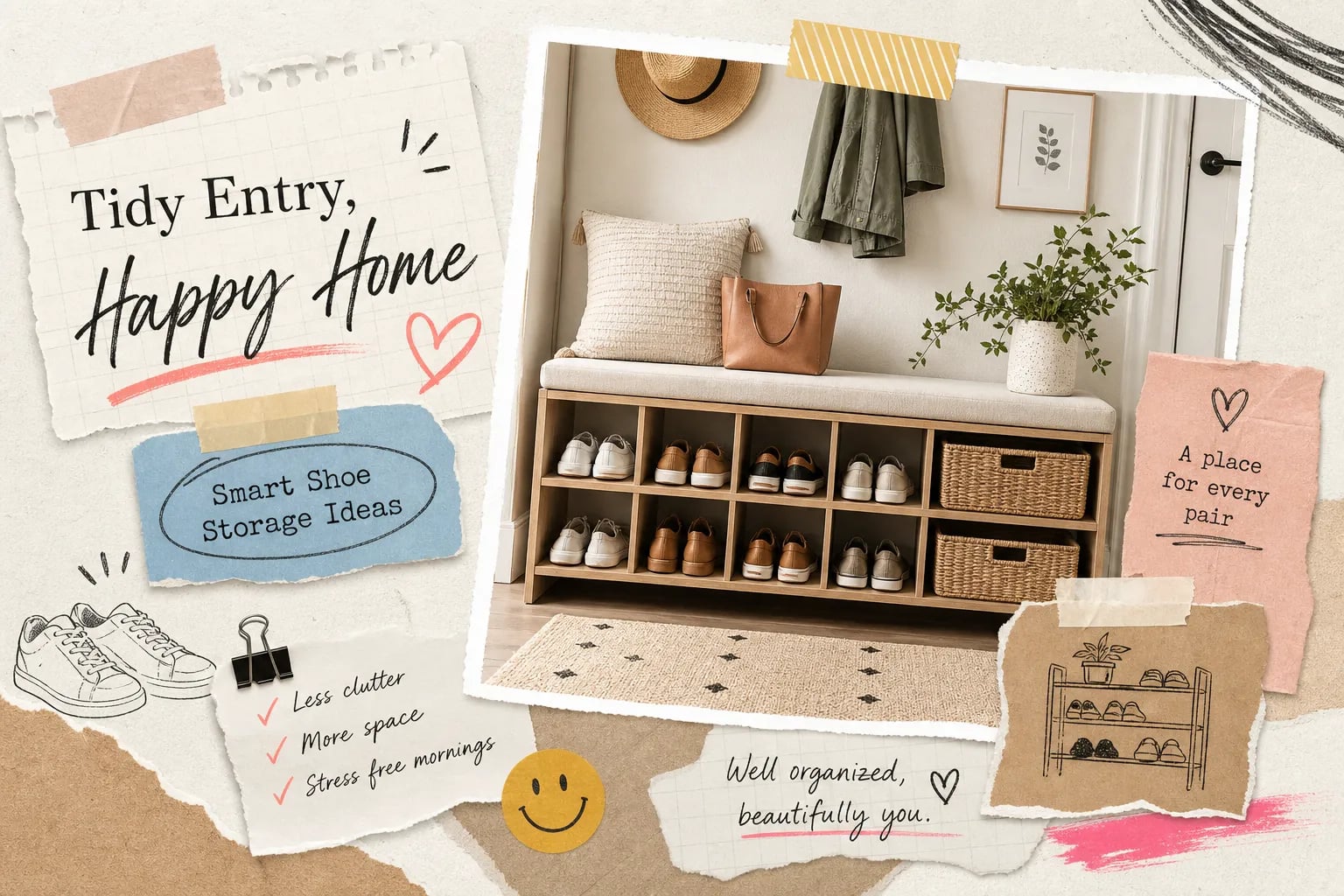
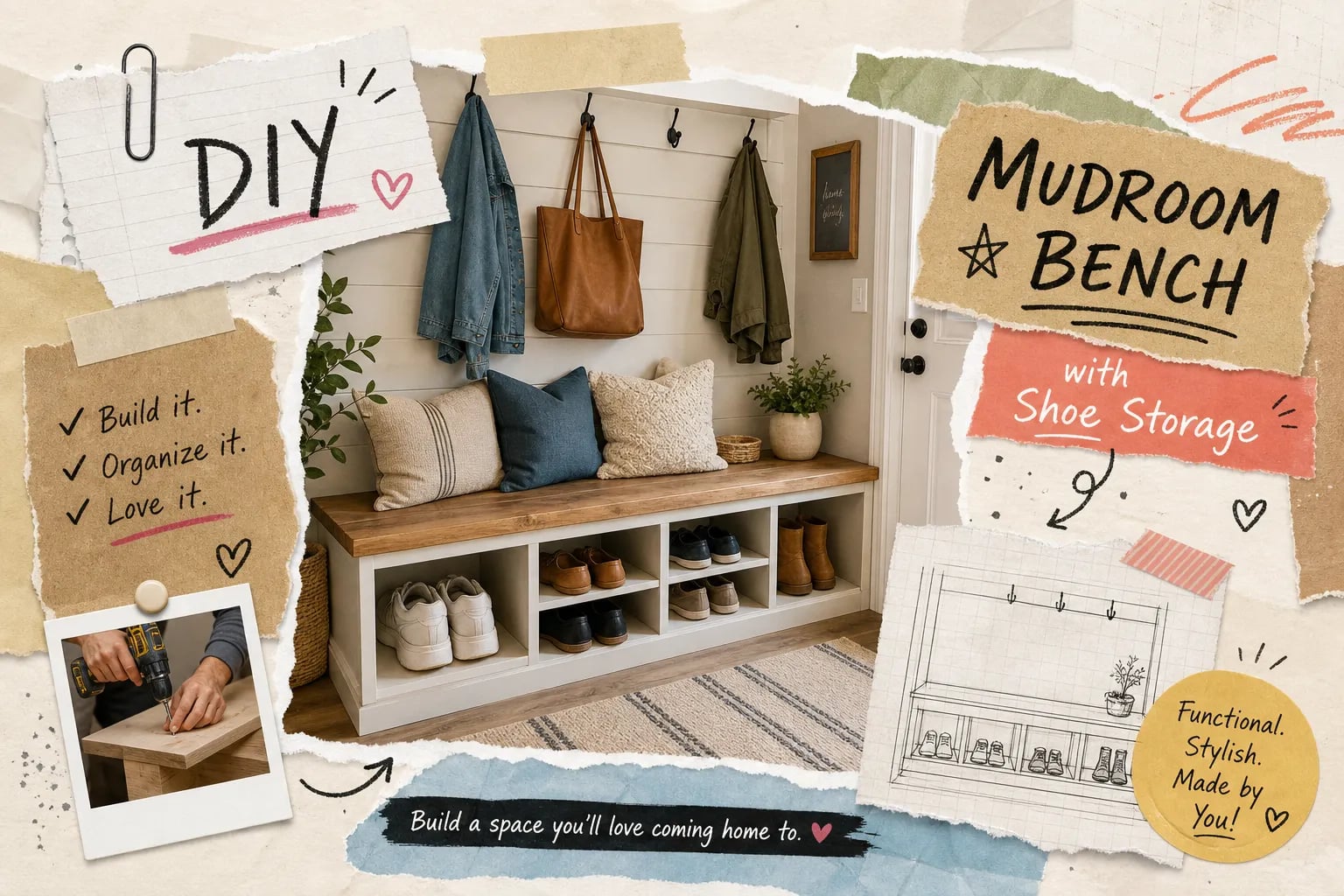
A shoe storage bench is the hardest-working piece of furniture an entryway can hold. It solves two problems at once: somewhere to sit while pulling on boots and a dedicated place to store shoes afterward. Most bench styles range from 42 to 52 inches wide and 12 to 15 inches deep, making them a realistic fit for any entry with at least 36 inches of clear width. If you want one piece that handles both seating and shoe entryway storage, this is the category to focus on, and the price range of $80 to $250 for mid-tier options makes it accessible for most budgets.
Cubby Benches vs. Hidden Lift-Top Benches
Cubby-style benches, like the Prepac Hall Tree with 24 cubbies and 6 overhead hooks, offer open access to frequently worn shoes and often include hooks above for coats and bags. They work especially well for families with kids because everyone can see and grab their own pair without digging. Hidden lift-top benches conceal storage inside the seat, which suits households that prioritize a minimal look or want to store less-used shoes out of sight. Mid-range cubby benches with adjustable shelves handle up to 300 lbs of seated weight, while lift-top versions often reach 440 lbs.
What the Weight Capacity Numbers Actually Mean for Buying
Seat weight capacity across popular models runs from 175 lbs on the lower end to 500 lbs on heavy-duty options. That number has nothing to do with shoe weight. It matters because kids jump on benches, and adults sit down hard when they’re rushing out the door. A minimum of 250 lbs is a practical baseline for any family entryway. If you have multiple kids or a high-traffic household, look for 300 lbs or better.
Wall-Mounted Racks and Floating Options for Small or Rented Spaces
Wall-mounted shoe storage is the most budget-friendly category and the most practical for renters who can’t anchor large furniture to the floor plan. Open metal racks also ventilate better than closed cabinets, which matters for athletic shoes and boots that need airflow after a long day. For anyone working with under 18 inches of available floor depth, this format is often the only viable shoe entryway storage option.
Budget Picks That Still Look Intentional
Entry-level wall-mounted and over-the-door shoe organizer options like the Whitmor rack ($36) and the VASAGLE 6-Tier Slim Rack ($50) handle 12 to 14 pairs and install without permanent wall damage. They’re the fastest path from chaos to organized. The trade-off is that shoes stay visible, so how you arrange them matters more than it does with a closed cabinet. Keep all shoes facing the same direction, pair them neatly, and the rack reads as intentional rather than improvised.
When a Wall-Mounted Narrow Shoe Rack Beats a Freestanding Cabinet
In very compact entryways, a wall-mounted rack keeps the floor completely clear, which makes even a tiny space feel more open. Add a small boot tray below for rain-wet shoes, and the full setup comes together without a larger furniture investment. Renters who need maximum flexibility will find that a lightweight freestanding open rack is actually the better no-drill compromise: it moves out cleanly, leaves no wall damage, and costs less than $60 at most mainstream retailers.
Materials and Price: What You Actually Get at Each Budget Level
Most entryway shoe organizers are built from MDF or particleboard, solid wood, or metal. The right choice depends on your entryway’s humidity level, how long you expect the piece to last, and what finish you want to match to the rest of the space.
MDF, Solid Wood, and Metal Compared Honestly
MDF and particleboard dominate the under-$160 market. They look clean, come in a wide range of finishes, and work well in dry entryways. The weakness is moisture: particleboard swells and breaks down quickly in humid spaces near wet boots. If your entry sees a lot of rainy-day traffic, look for melamine-coated surfaces or skip particleboard entirely. Solid wood costs more (typically $150 and up) but holds up far longer with basic care and handles humidity much better. Metal is the easiest to maintain and the most durable for open-rack formats, though powder-coated steel is the safer choice over bare steel in any space that sees moisture, since an uncoated surface will rust if the finish chips.
Matching Your Budget to Your Actual Needs
Under $75 buys basic function: a rack or slim organizer that works but won’t look like furniture. The $75 to $300 bracket covers most closed cabinets, flip-drawer units, and bench combos from mainstream retailers like Target and Home Depot, and it’s where most households find everything they need. Above $300, design-led pieces from brands like CB2 and Pottery Barn bring premium materials, larger capacities, and a more refined look, but they aren’t necessary unless the entryway is a genuine focal point of the home.
Styling the Entryway So the Storage Actually Sticks
The best hall shoe storage solution is one that stays organized after the first week. That outcome depends as much on how you style and maintain the space as it does on which cabinet or bench you choose. The single habit that most determines whether a system holds is simple: every person in the household needs one clearly designated spot for their shoes, and it has to be easier to use than the floor.
The Edit-First Rule Before You Style Anything
Before arranging anything around a new shoe cabinet or bench, pare down to the shoes your household actually wears in the current season. Most four-person households actively use eight to twelve pairs. Everything else belongs in a closet or secondary storage. An overstuffed cubby undoes the look of even the nicest cabinet, so editing first is non-negotiable.
Finishing Touches That Make the Entryway Feel Complete
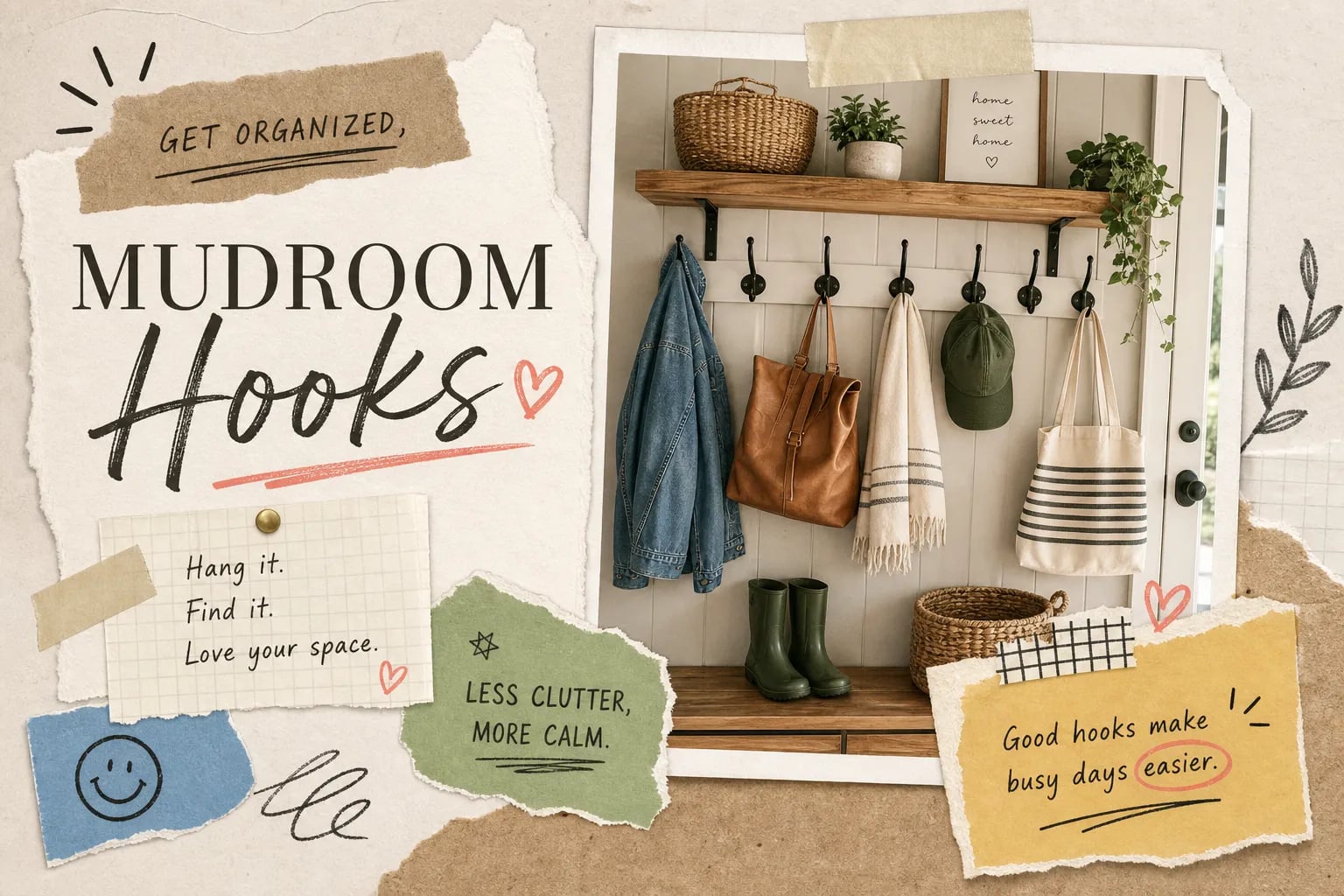
A small tray or boot mat below an open rack keeps dirt contained and frames the storage visually. A mirror above a bench adds light and gives you a spot to check yourself before heading out. One or two hooks above a slim cabinet handle everyday bags without adding a second piece of furniture to the space. Keep the top surface of any cabinet or bench uncluttered, a small plant and a key tray is plenty. For readers who want to pull the full entry together beyond just shoes, Aesthetic Nest Decor’s entryway and mudroom organization guides cover coat hooks, console tables, and layered storage in the same room-by-room format.
Putting It All Together
Choosing the right entryway shoe organizer comes down to matching your available space and shoe volume to the storage format that fits, then deciding how much visibility you can actually live with day to day. Slim flip-drawer cabinets work for most narrow hallways. Bench combos earn their place in family entryways where sitting and storage need to coexist. Wall-mounted racks solve the renter problem for under $50. Closed cabinets and premium benches are worth the investment when you want the entryway to feel like a designed room rather than a drop zone.
Start by measuring wall width and depth, then count the pairs your household actively wears. Match those two numbers to the storage type that fits, then pick the material and price point that makes sense for your situation. Nailing your entryway storage is one of the highest-impact changes you can make to how a home feels the moment you walk through the door, and it doesn’t require a renovation to get there. You will find more ideas in entryway decor ideas to make a stunning first impression.