
You’ve got furniture. You’ve got a rug. There’s something on the shelves and maybe even a throw blanket draped on the couch. But the room still doesn’t look right, and you can’t quite explain why. That frustration is incredibly common, and the cause is almost never the budget. The real issue is knowing which changes actually shift how a room reads, and which ones just add more stuff to an already confused space. If you want budget interior styling that reads like a designer’s touch, the answer almost always comes down to scale, layering, and light.
Budget interior styling is less about how much you spend and more about understanding what designers prioritize first. Scale, layering, light, and a few key textiles do more visual work than a cart full of new accessories ever will. At Aesthetic Nest Decor, we’ve spent years working through exactly those decisions for real homes with real budgets, and the same core principles come up every single time. This guide covers the highest-impact, lowest-cost changes you can make across any room so you can stop guessing and start seeing results.
Want the shortcut?
As an Amazon Associate I earn from qualifying purchases. Some links in this post are affiliate links, at no extra cost to you.
Top picks: decorUhome Faux Fur Throw, Brightown Battery Wall Sconces (2) and Amazon Basics Wooden Tray.
Check price on Amazon →What actually separates a styled room from a furnished one
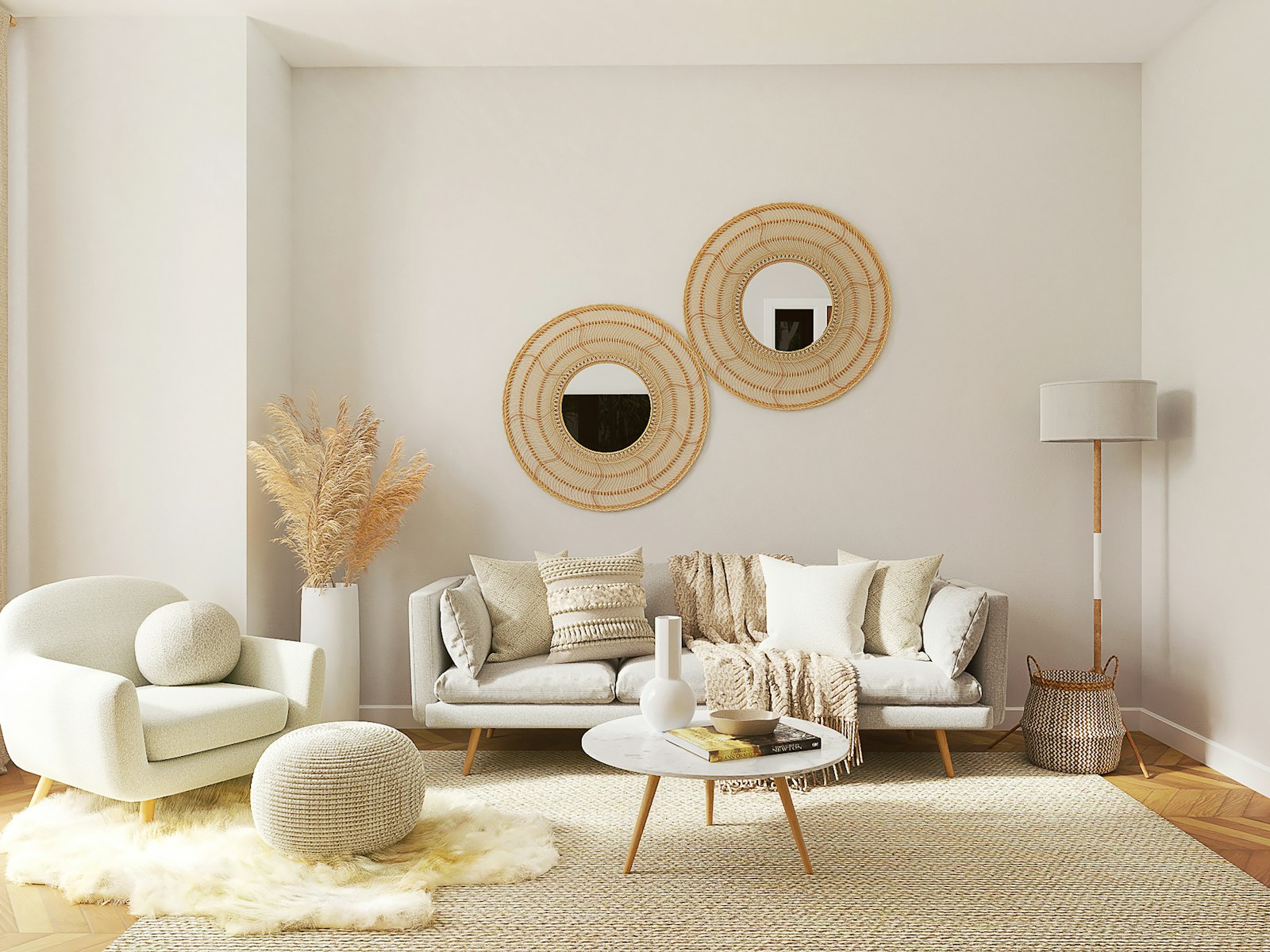
Most rooms fall short not because they’re under-decorated but because they lack visual intentionality. There’s a meaningful difference between placing things in a room and arranging them so the eye knows exactly where to land. Styled rooms have a clear focal point, consistent depth, and a sense that someone made deliberate decisions about what goes where.
The role of layering in budget interior styling
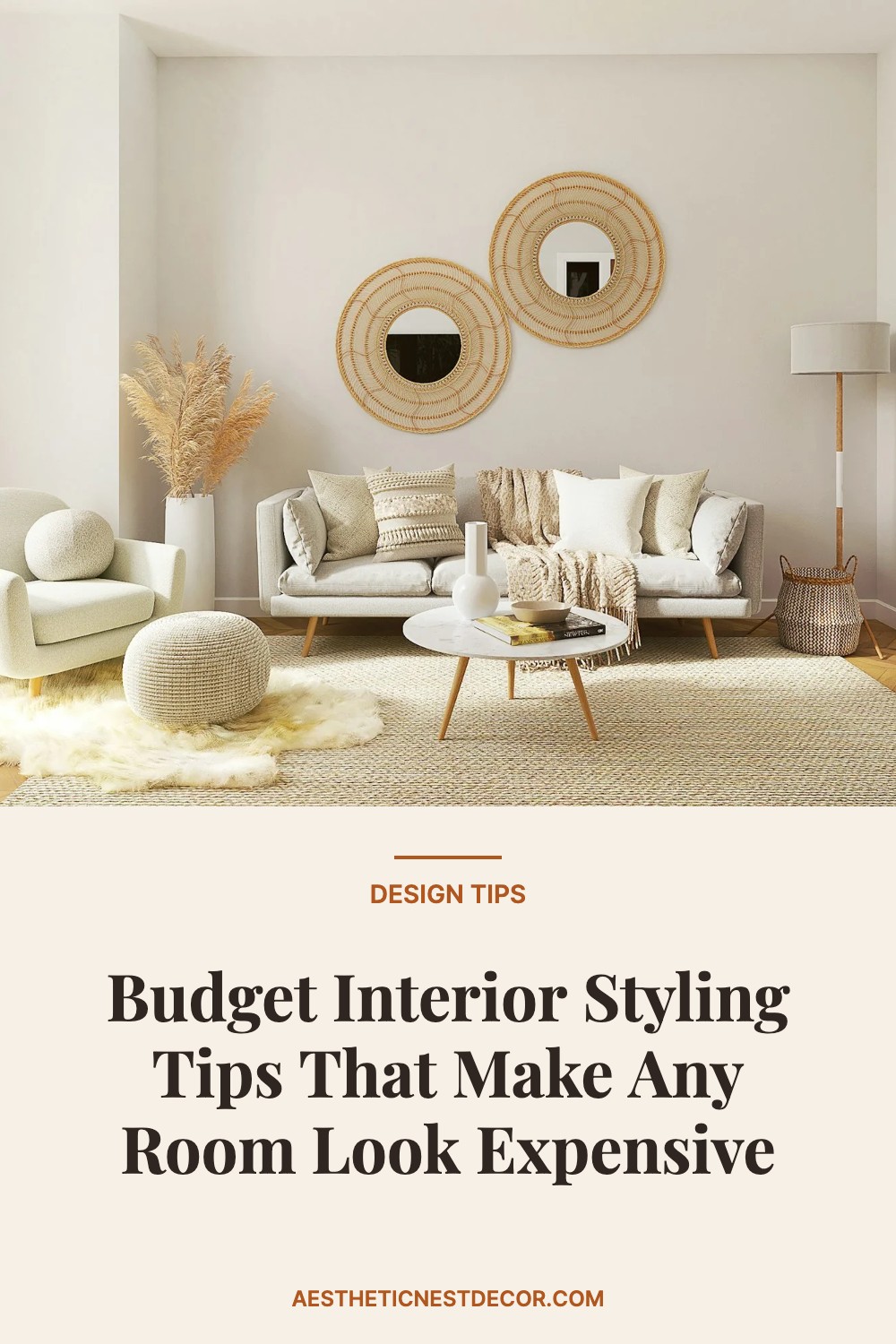
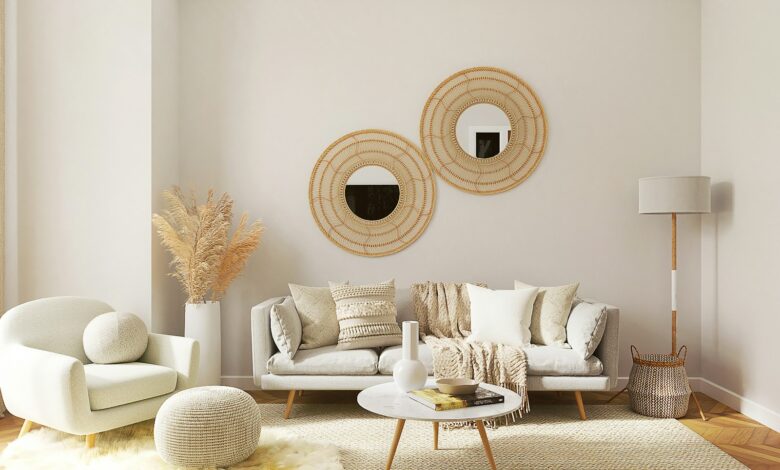
Layering textures, heights, and shapes creates depth without adding cost. A room with one flat rug, matching throw pillows, and bare walls reads as a showroom floor sample. The same room with a layered rug, mixed pillow fabrics, a few varied heights on the bookshelf, and some wall texture reads as curated and considered. The difference isn’t money, it’s dimension. For more ideas, see our guide to 10 Gold Mirror Ideas That Make Any Room Look Bigger.
Scale and the one mistake most budget rooms make
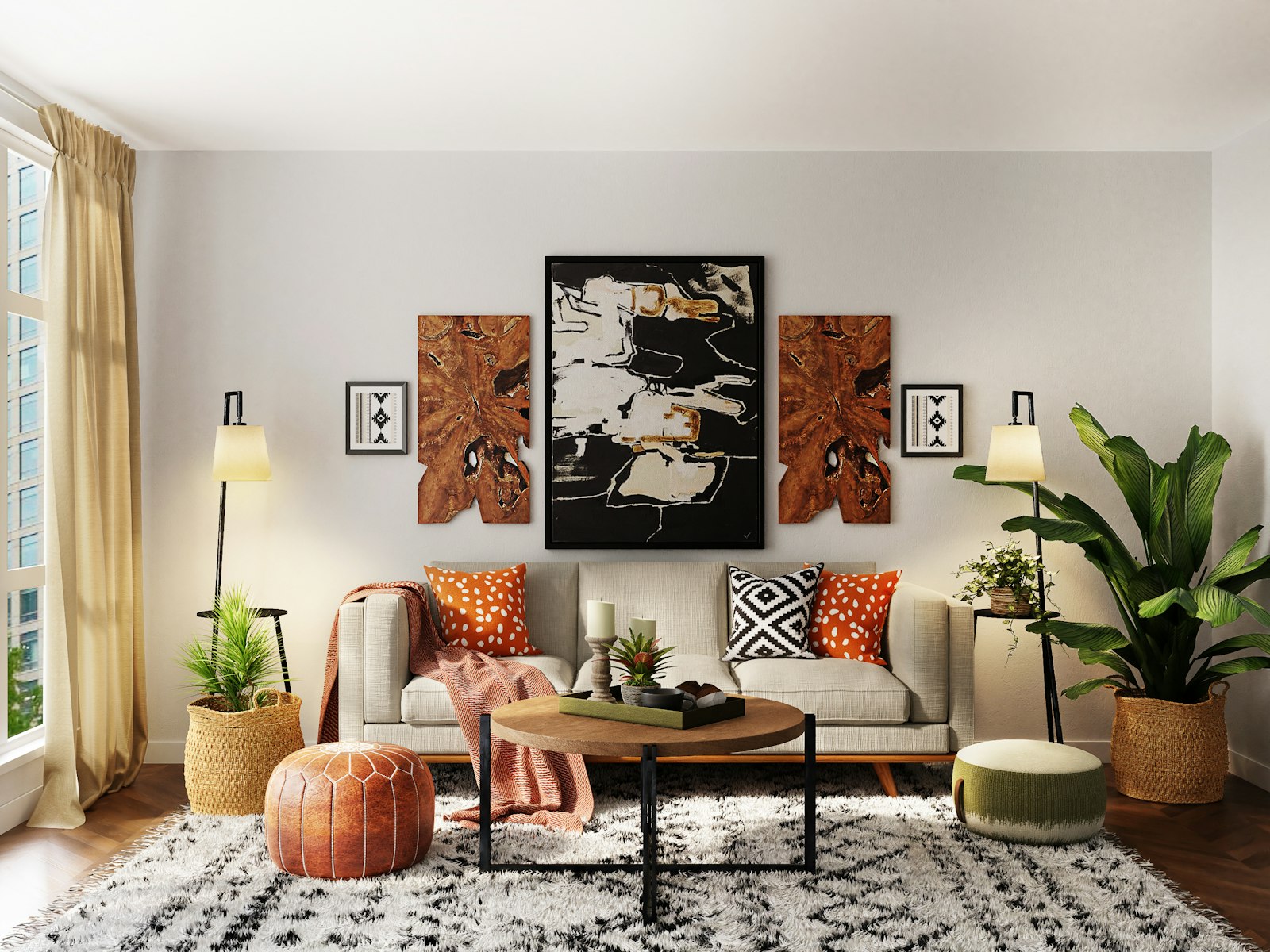
Mismatched scale is the single biggest visual problem in low-cost decorating. Too-small rugs, undersized art, and furniture pushed flat against every wall are the most common culprits. A rug that doesn’t extend under the front legs of your sofa makes the whole seating area feel disconnected. Art hung too small above a sofa looks like an afterthought. Fixing scale costs nothing. It just requires knowing the rules and being willing to rearrange before you buy anything new.
Budget interior styling with textiles: the fastest, cheapest upgrade in any room
Throw pillows, area rugs, and curtains are the three highest-return investments in any room. They affect color, texture, warmth, and scale simultaneously, and you can swap or update them without touching a single wall or piece of furniture. Interior stylists working with limited budgets reach for these first, and with good reason.
How to use throw pillows for a pulled-together look
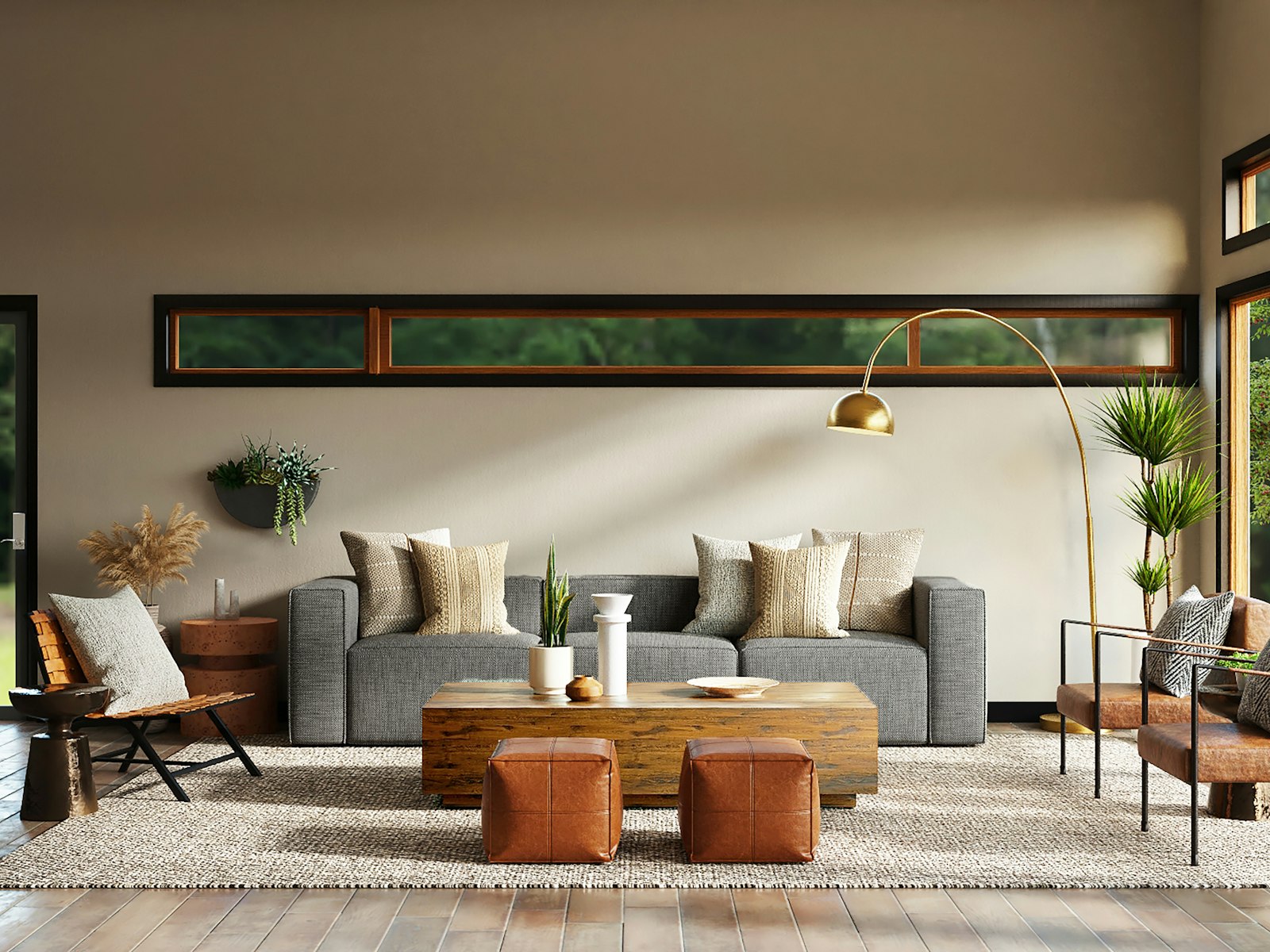
A layered pillow arrangement keeps sofas from looking either too sparse or too stuffed. The general approach: two matching pillows at the back, two coordinating pillows in a complementary texture in the middle, and one accent pillow in a contrasting color or pattern at the front. Mix fabrics like linen, velvet, and a textured weave for variety. Pillow covers in the right fabric run $15 to $40 each, and a well-chosen cover in a high-impact texture often reads better than an expensive pillow in a poor fabric choice. We cover this in more detail in The Beginner’s Guide to Shelf Styling for Every Room.
Why rug size matters more than rug price
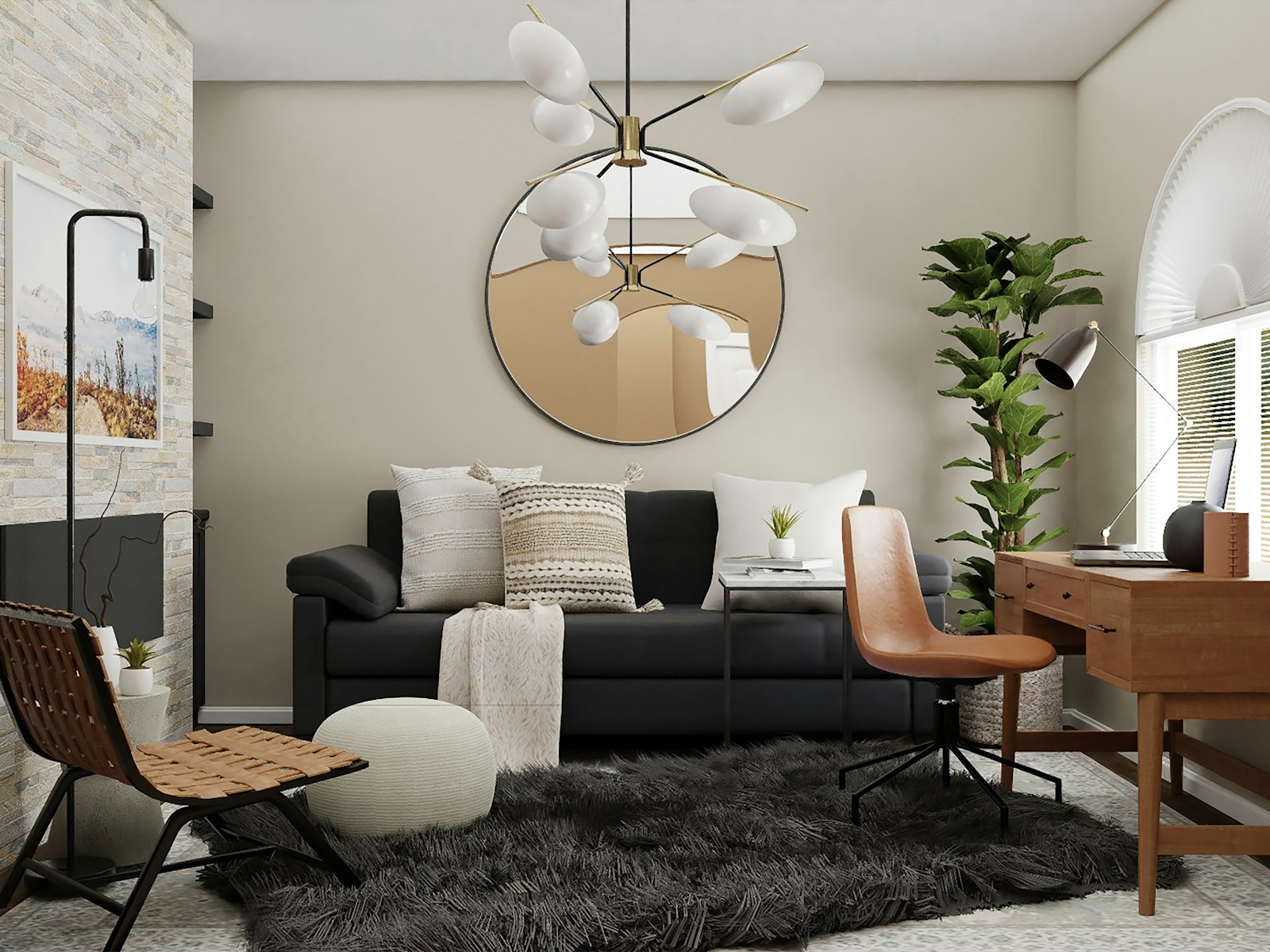
An undersized rug is one of the most common mistakes in budget-friendly interior design, and it’s also one of the easiest to fix once you know the standard. In a living room, the front legs of every seat should sit on the rug at minimum, and all legs on the rug is even better. For bedrooms, the rug should extend beyond the bed on each side, commonly 18 to 24 inches, depending on room size. Layering a smaller jute or natural-fiber rug over a larger base rug adds texture and designer depth, and the pair reads more intentional than one expensive rug purchased alone. Depending on sizes, you can often pull this off for well under $150.
Hanging curtains the right way to add height and polish
Most curtain rods are hung too low. Mounting the rod 2 to 4 inches below the ceiling, or roughly 6 to 12 inches above the window trim, and letting the panels fall straight to the floor makes any room feel taller and more finished. This is one of the few changes that requires zero design experience to execute and delivers an immediate, visible result. Ready-made panels typically run $40 to $150 per window depending on size and fabric, making this one of the most cost-effective upgrades in any room.
Budget interior styling with mirrors and lighting: two underused tools
Most homeowners underestimate how much mirrors and lighting change the perception of a room. Both affect brightness, depth, and the overall sense of space. A well-placed mirror and switching to warm 2700K bulbs can significantly increase perceived depth and warmth, and neither change requires a contractor.
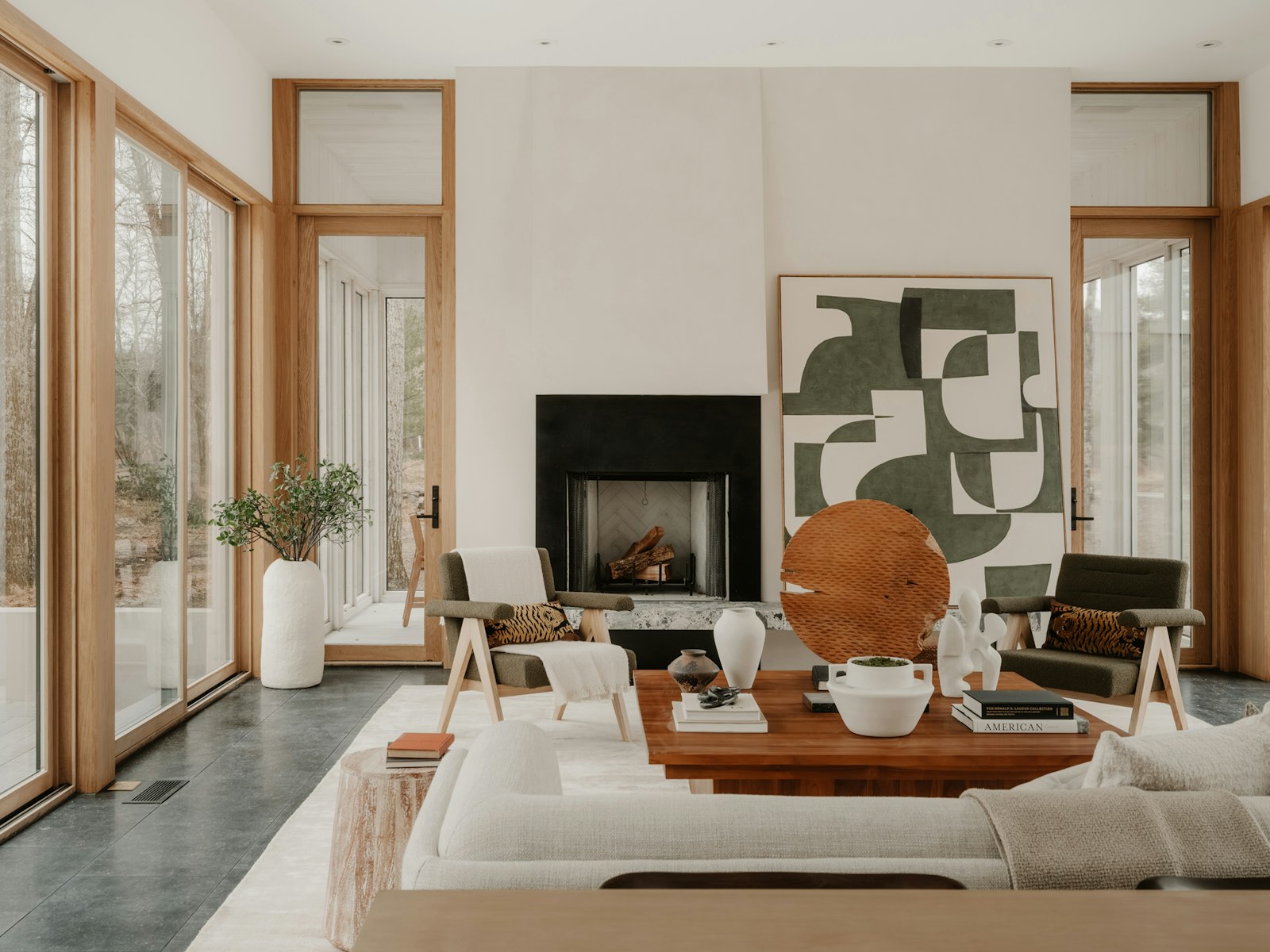
Where to place mirrors for maximum visual impact
Opposite a window, a mirror bounces natural light deep into the room and is generally the highest-impact placement you can choose. Behind a sofa or console, it adds depth that makes the wall read as intentional rather than empty. In narrow entryways, even a modest mirror opens the space considerably. For sizing, a mirror should fill roughly 60 to 70 percent of the wall width above the furniture beneath it. A mirror that’s too small looks like an accidental addition; one that’s properly scaled looks like an architectural decision. Statement mirrors are available across a wide range of price points, you can find pieces with real presence from budget retailers through mid-range sources without committing to designer pricing. A reader favorite for this is the Joydeco Linen-Look Blackout Curtains.
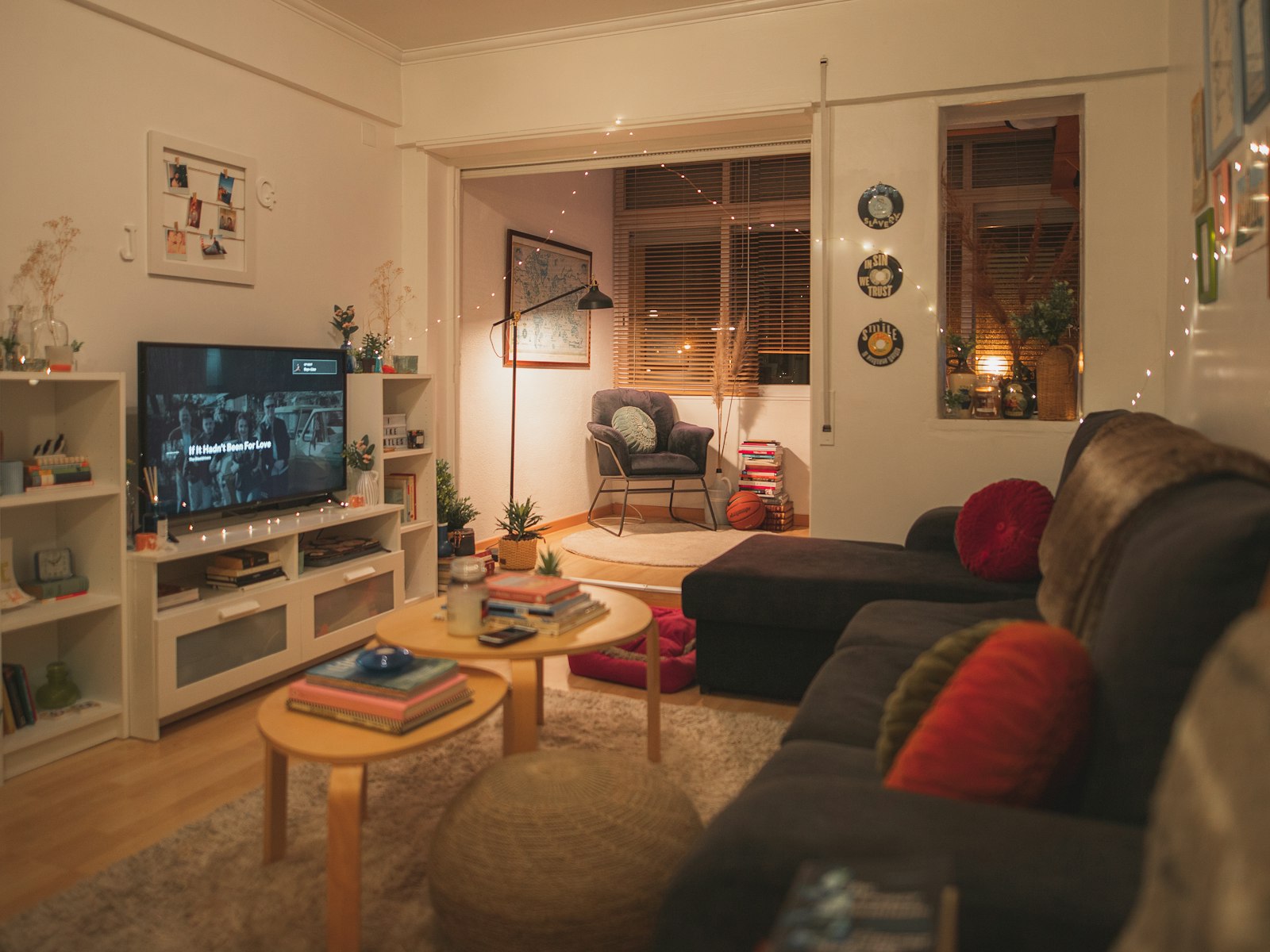
Lighting updates that cost under $100
Overhead-only lighting is the fastest way to make a room feel flat and institutional. The fix is layered lighting: ambient overhead, a task or accent lamp on a side table, and warm-toned bulbs throughout. Switching from cool white bulbs to 2700K warm white is a five-minute change that immediately makes a room feel more welcoming. Swapping a builder-grade flush-mount fixture for a pendant or drum shade, typically $50 to $250 depending on style, is the next level up and the kind of change guests notice without knowing why. If you are shopping for this, the decorUhome Faux Fur Throw is a well-reviewed option.
Shop the look: Budget swaps
 decorUhome Faux Fur ThrowA fast refreshCheck price on Amazon →
 Joydeco Linen-Look Blackout CurtainsSoft and expensive-lookingCheck price on Amazon →
 Large Wall MirrorAdds lightCheck price on Amazon →
 BLEUM CADE Faux Hanging PlantsLow-cost greeneryCheck price on Amazon →
As an Amazon Associate we earn from qualifying purchases. Prices and ratings change, so check Amazon for today’s details.
DIY updates that look more expensive than they cost
Some of the highest-impact low-cost decorating ideas require more time than money. These are the projects that make guests ask which designer you hired, when the honest answer is a weekend afternoon and under $50 in materials. You might also like Affordable interior design principles every homeowner needs.
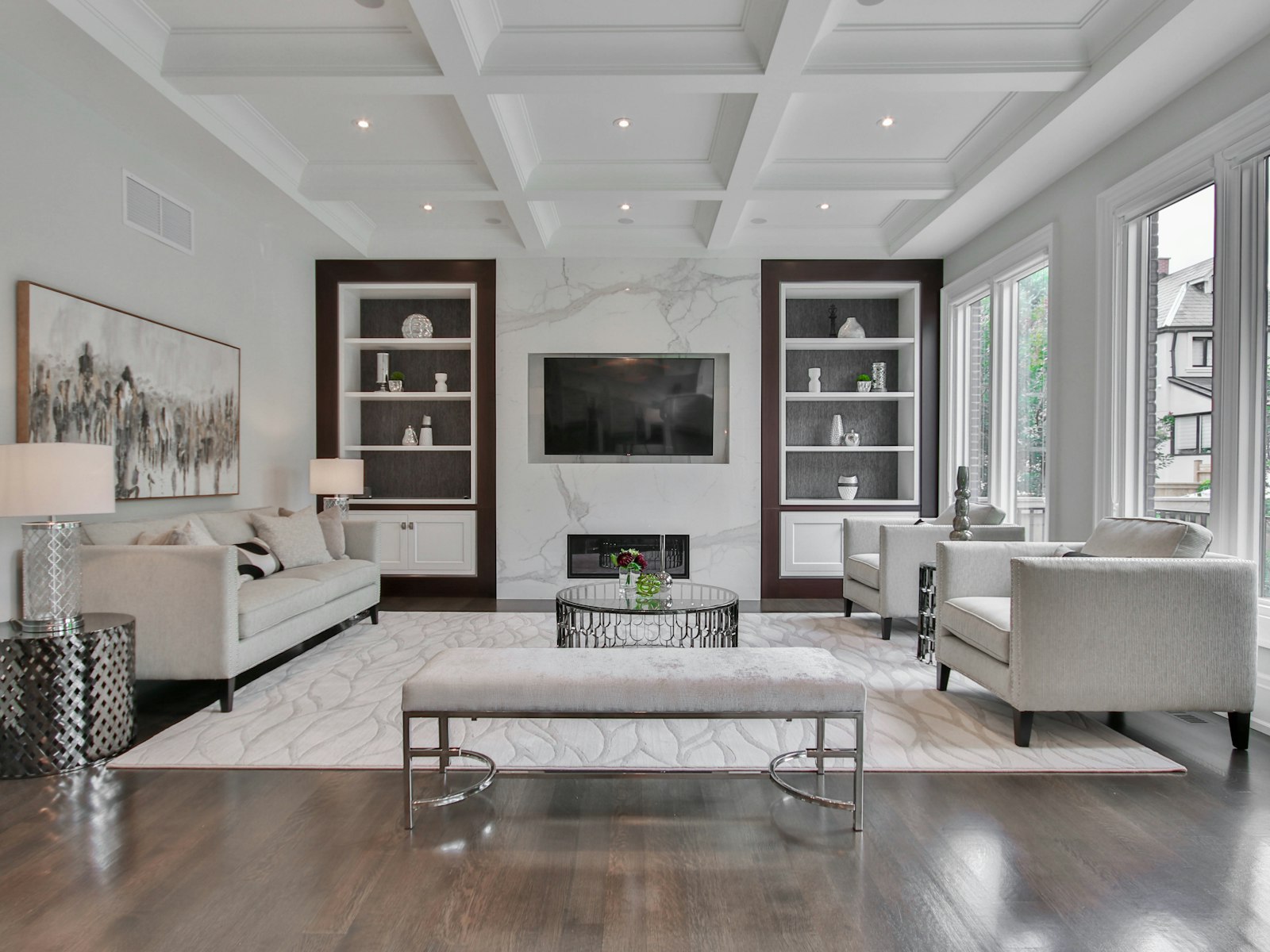
Hardware swaps, painted accents, and the 30-minute upgrades
Cabinet and dresser hardware replacement is one of the fastest visual upgrades in a kitchen or bedroom. The process takes 30 to 60 minutes and costs $25 to $60 in total materials. Painting interior door frames or a single accent wall moves the needle further; paint supplies typically run $30 to $150 depending on coverage and paint quality. For even quicker wins, Rub ‘n Buff applied to thrifted candlesticks or frames gives a metallic finish that reads far more expensive than the material costs, and ribbon trim glued along a lampshade edge turns a plain lamp into something that looks custom-ordered. One option worth a look is the PoKat Ceramic Table Lamp.
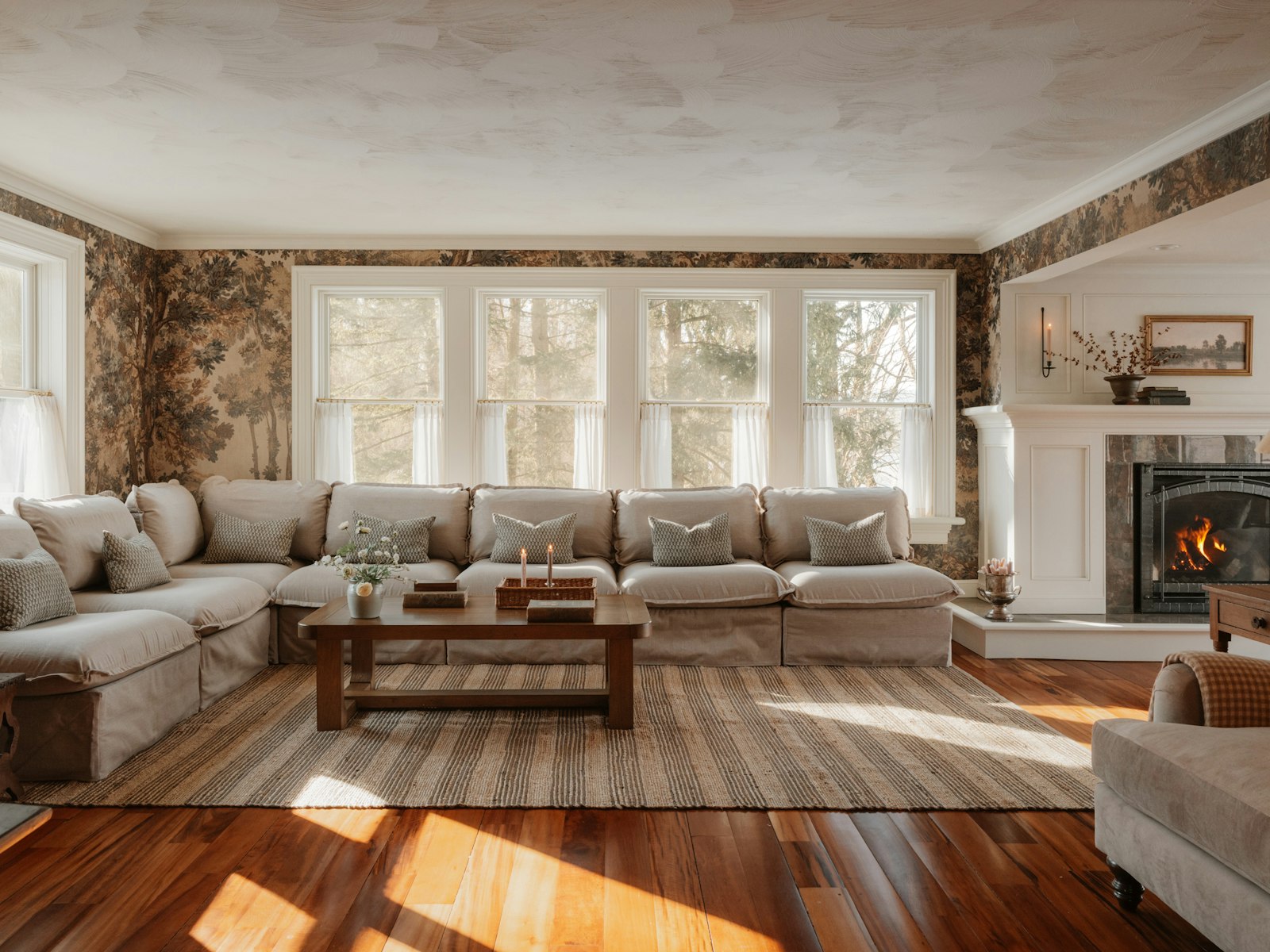
Gallery walls and thrifted frame makeovers
A gallery wall creates a curated, editorial look at minimal cost when built from thrifted frames spray-painted in a single consistent finish. The layout method that saves the most frustration: trace each frame on kraft paper, tape the outlines to the wall to preview the arrangement, then hang. For renters or anyone avoiding permanent changes, peel-and-stick wallpaper applied to a single wall or the back panel of a bookcase delivers a dramatic transformation that comes down without damage when you move. To make this step easy, we like the Brightown Battery Wall Sconces (2).
Shop the look: Lighting
 Brightown Battery Wall Sconces (2)Wall light, no rewiringCheck price on Amazon →
 PoKat Ceramic Table LampDesigner lookCheck price on Amazon →
 Govee Smart Light BulbsWarm dimmable lightCheck price on Amazon →
 SHYMERY Flameless VotivesCozy glowCheck price on Amazon →
As an Amazon Associate we earn from qualifying purchases. Prices and ratings change, so check Amazon for today’s details.
What to actually spend money on and where to save
Budget interior styling doesn’t mean spending as little as possible on everything. It means knowing which pieces earn a higher investment and which ones look just as good at the low end. Getting this wrong is what makes rooms look inexpensively decorated rather than thoughtfully styled.
The price ranges worth targeting for key pieces
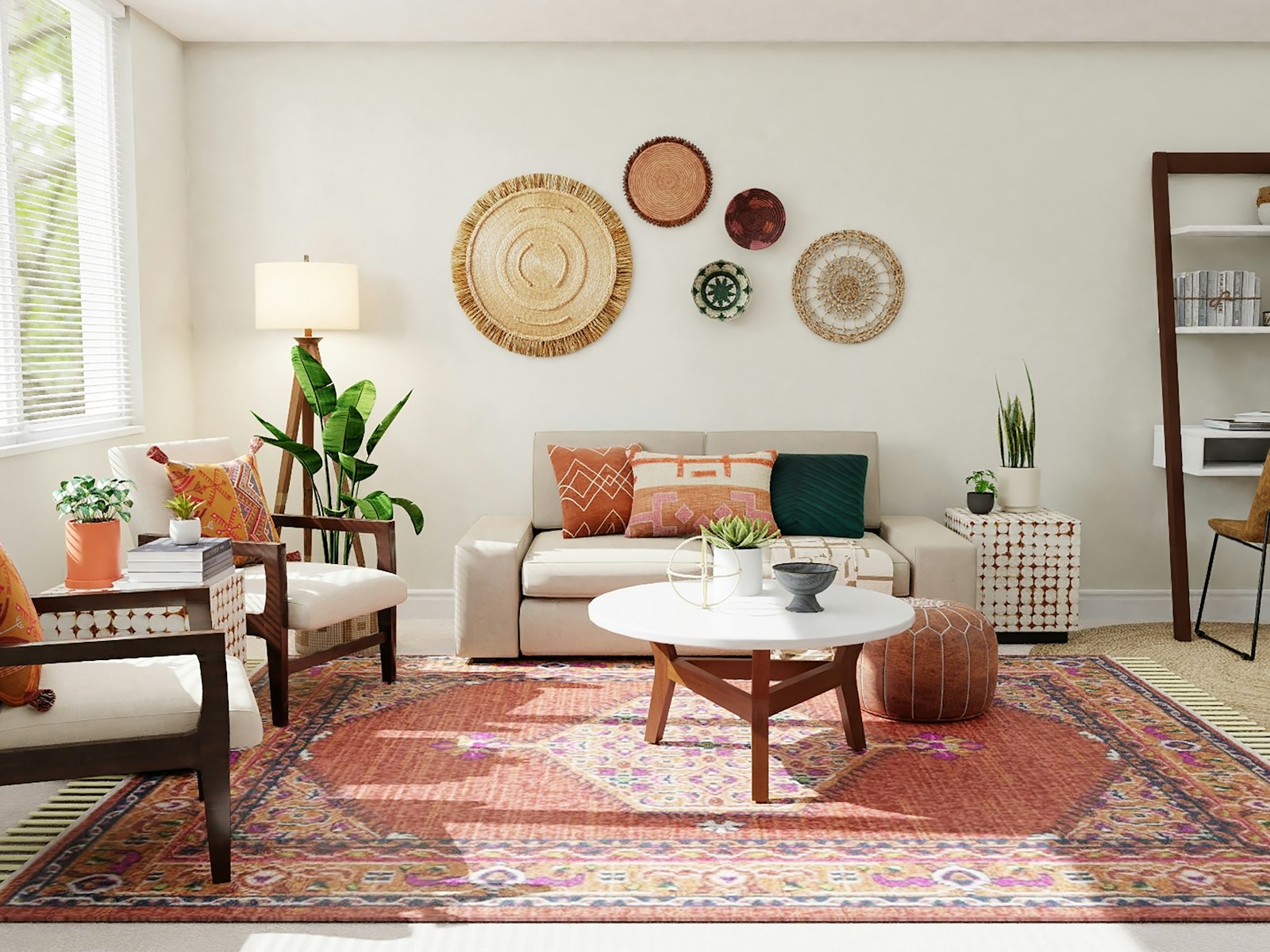
The principle is simple: spend more on your largest visual anchors and save on the accessories. For a room-size area rug, the sweet spot is $100 to $400, where scale, weave quality, and color depth become noticeably better. Lighting runs $50 to $250 per fixture for a polished look. Curtains are $40 to $150 per window, throw pillow covers $15 to $40 each, and wall art prints $30 to $150. Invest in the rug and the light fixture. Save on the pillows and the prints. If you want to go further, read Scandinavian Interior Design Ideas for a Calm, Minimalist Home.
Where to shop and thrift for quality without overspending
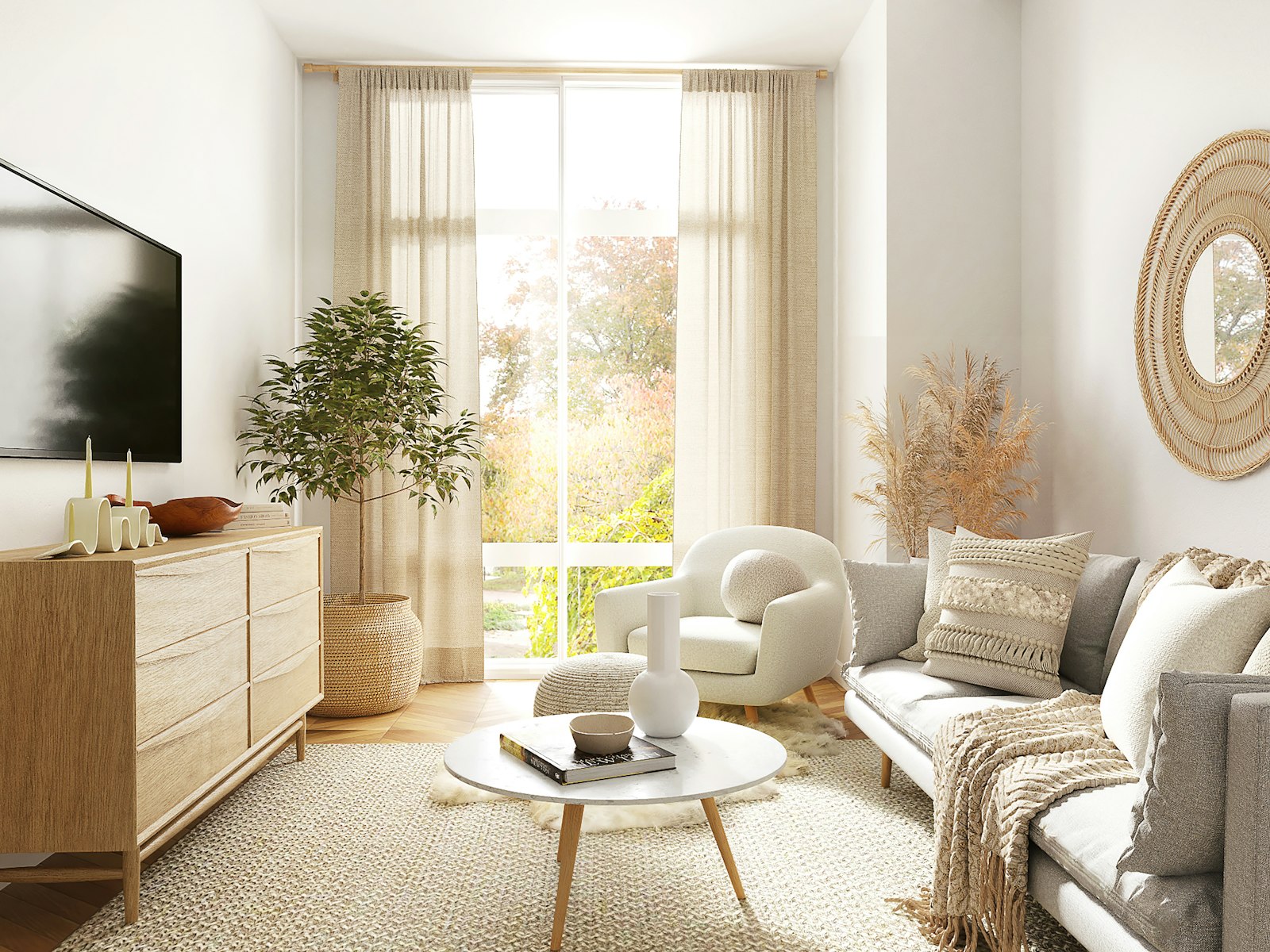
For new basics, IKEA, Target, and Amazon cover the essentials efficiently. For mid-range quality with better construction, retailers like Article and Castlery offer designer-looking pieces without designer pricing, worth comparing alongside other options to find the best fit for your budget. Wayfair is useful for sheer selection, especially with filters for price and material.
For thrifted home styling, Facebook Marketplace and OfferUp are the fastest sources for local furniture deals. Habitat for Humanity ReStore, estate sales, and Goodwill are worth visiting repeatedly since inventory turns constantly. When buying secondhand, focus on solid wood frames, stable joints, and drawer hardware that moves smoothly. You can always repaint or reupholster; you can’t fix a wobbly frame.
Going deeper, one room at a time
The principles above apply everywhere, but each room has its own priority order. A bathroom refresh calls for different sequencing than a living room overhaul, and a bedroom on a $150 budget demands different decisions than a kitchen on the same amount. The room matters, and so does the sequence. Related: 11 Interior Design Rules Every Beginner Should Know.
Starting with the space that frustrates you most
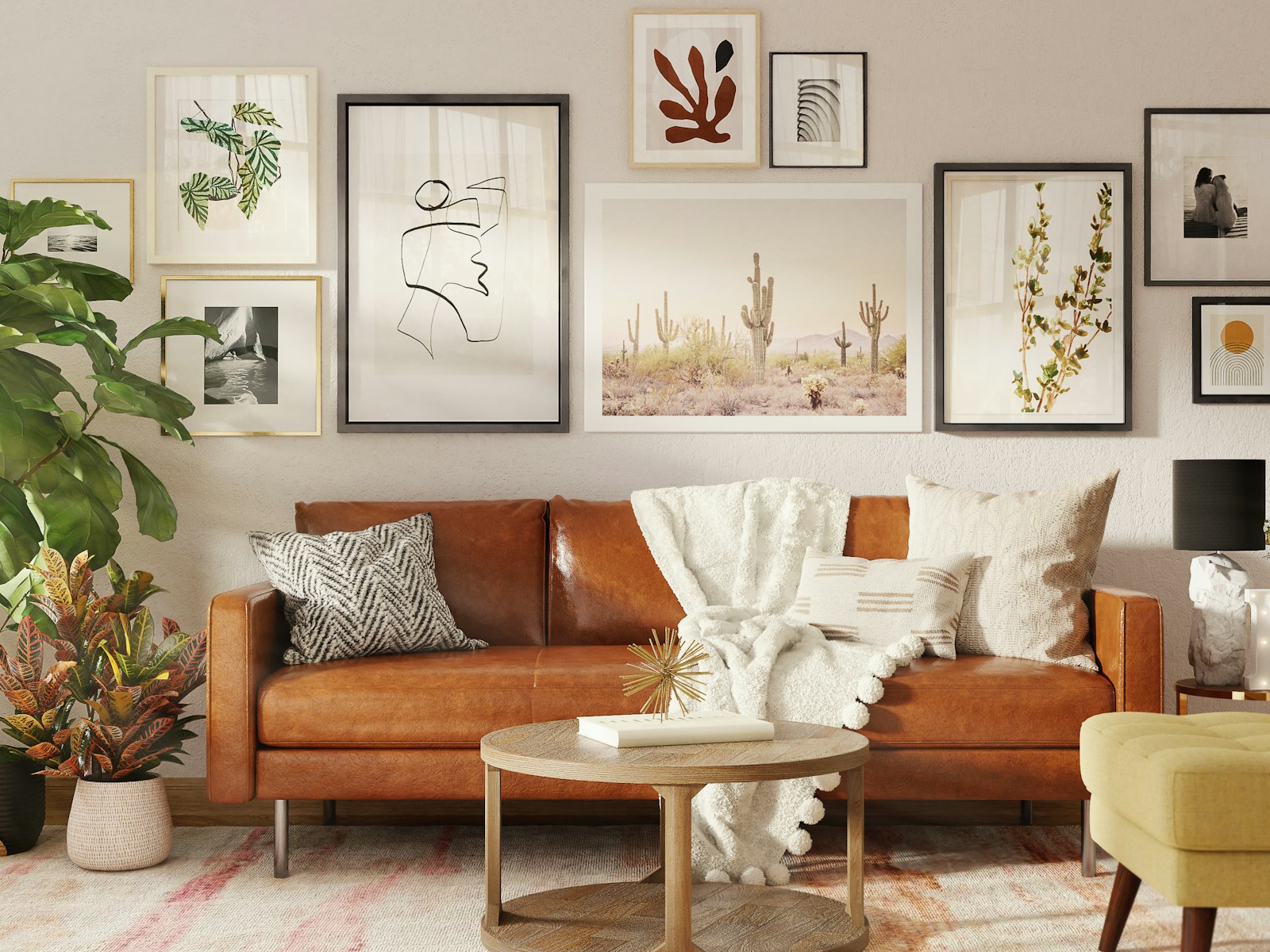
Pick one room and work through the priority sequence in order: layout and scale first, lighting second, textiles third, paint and DIY updates fourth. This order maximizes visual impact before any significant spending happens. Rearranging furniture and fixing rug placement cost nothing, and they often make a bigger difference than anything you could buy. Only after those foundational moves does adding or swapping textiles and fixtures pay off the way it should. A reader favorite for this is the The Book of Unusual Knowledge.
Building a real plan with room-by-room guidance
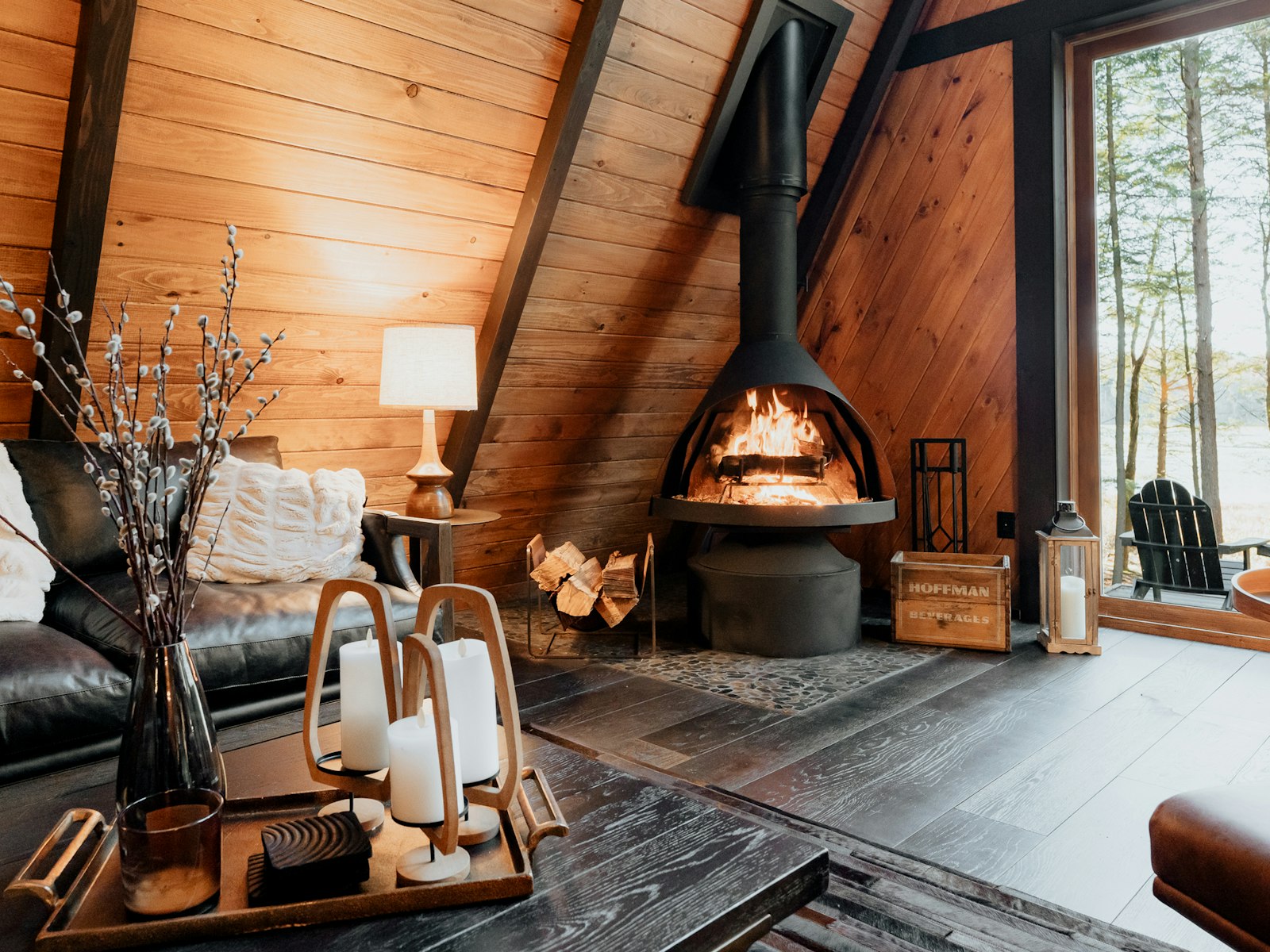
Aesthetic Nest Decor publishes detailed room-by-room budget guides covering kitchens, bedrooms, entryways, living rooms, and more. Each guide walks through specific item lists, cost estimates, and the exact styling sequence for that space so you’re not trying to apply whole-home advice to one corner of a studio apartment. If you’ve got a specific room in mind, those guides are the most direct path from idea to finished space. If you are shopping for this, the Amazon Basics Wooden Tray is a well-reviewed option.
Shop the look: Styling
 Amazon Basics Wooden TrayGroups decorCheck price on Amazon →
 The Book of Unusual KnowledgeInstant coffee table stylingCheck price on Amazon →
 Ceramic Vase Set of 3Simple accentsCheck price on Amazon →
 8×10 Picture FramesPersonal touchCheck price on Amazon →
As an Amazon Associate we earn from qualifying purchases. Prices and ratings change, so check Amazon for today’s details.
Shopping list
- decorUhome Faux Fur Throw — a fast refresh
- Joydeco Linen-Look Blackout Curtains — soft and expensive-looking
- Large Wall Mirror — adds light
- BLEUM CADE Faux Hanging Plants — low-cost greenery
- Brightown Battery Wall Sconces (2) — wall light, no rewiring
- PoKat Ceramic Table Lamp — designer look
- Govee Smart Light Bulbs — warm dimmable light
- SHYMERY Flameless Votives — cozy glow
- Amazon Basics Wooden Tray — groups decor
- The Book of Unusual Knowledge — instant coffee table styling
- Ceramic Vase Set of 3 — simple accents
- 8×10 Picture Frames — personal touch
Prices and availability change. Links open on Amazon.
Keep reading: 10 Gold Mirror Ideas That Make Any Room Look Bigger · The Beginner’s Guide to Shelf Styling for Every Room · Affordable interior design principles every homeowner needs · Scandinavian Interior Design Ideas for a Calm, Minimalist Home · 11 Interior Design Rules Every Beginner Should Know
Helpful resources: the ENERGY STAR light bulb guide, light reflectance value (LRV), the ASPCA toxic plant list.
Frequently Asked Questions
How can I style a room on a budget?
Rearrange furniture, layer lighting, add a large mirror and edit accessories before buying anything new.
What makes a room look expensive?
Warm layered lighting, full-length curtains, larger art and a limited color palette.
Where should I spend money when decorating?
Spend on items you use daily, like a sofa or mattress, and save on decor accents.
The room you want is closer than you think
Budget interior styling is not about cheap substitutions. It’s about understanding which elements carry the most visual weight and going after those first. Textiles, mirrors, properly hung curtains, layered lighting, and a few well-placed DIY updates can drive dramatic improvements, often for well under $150 depending on what your room already has in place, when you approach them in the right order with a clear plan.
The most important move is also the simplest: pick one room, start with layout and scale, and work the sequence. Don’t buy anything new until the furniture is rearranged, the rug is the right size, and the lighting is warm. You’ll often find the room already looks better before you spend a dollar, and every purchase after that point lands exactly where it should.
A room can look professionally designed without a designer budget. With these steps, budget interior styling can make any room look finished and intentional. The gap between a space that reads polished and one that doesn’t isn’t money, it’s knowing which changes come first.
Save This for Later
Pin this image to your Pinterest board so it is ready when you need it.