
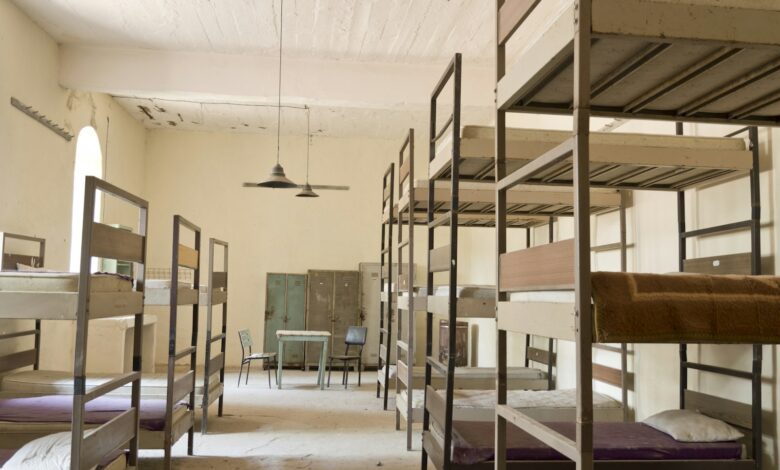
One room, two kids at completely different life stages. It sounds manageable until you’re actually standing in the middle of a 10×12 bedroom trying to figure out how to fit a toddler’s play mat and a nine-year-old’s homework station without one child’s needs swallowing the other’s. A same-age sibling room is a design problem. A mixed-age sibling room is a design puzzle with moving parts, and these shared kids bedroom ideas for two children with different ages will help you solve it systematically.
The real tension comes from how differently those two kids actually live. A toddler needs low furniture, open floor space, and soft surfaces close to the ground. A school-age child or tween needs a desk, dedicated storage for books and school supplies, and a corner they can retreat to that doesn’t smell like crayons and board books. Getting the room right for both means planning it, not just decorating it.
Want the shortcut?
As an Amazon Associate I earn from qualifying purchases. Some links in this post are affiliate links, at no extra cost to you.
Top picks: JOYMOR Low Bunk Bed, RANTILA Room Divider and Touch Bedside LED Lamp.
Check price on Amazon →At Aesthetic Nest Decor, we cover age-specific bedroom ideas in depth, and one question that comes up constantly is how to design a shared sibling room when the kids are years apart. This guide gives you a complete room-planning framework: bed selection, layout and zoning, storage by age, safety rules you can’t skip, personalization strategies, and future-proofing so the room doesn’t need a full overhaul every two years.
Picking the Right Bed Setup for a Shared Kids Bedroom with Different Ages
The bed decision anchors everything else in a shared room. Get it wrong and the layout never quite works. The age gap between your kids should drive this choice more than the room’s size or your aesthetic preference, because some bed types simply aren’t safe for younger children regardless of how much floor space you’d gain.
Which bed type suits which age combo
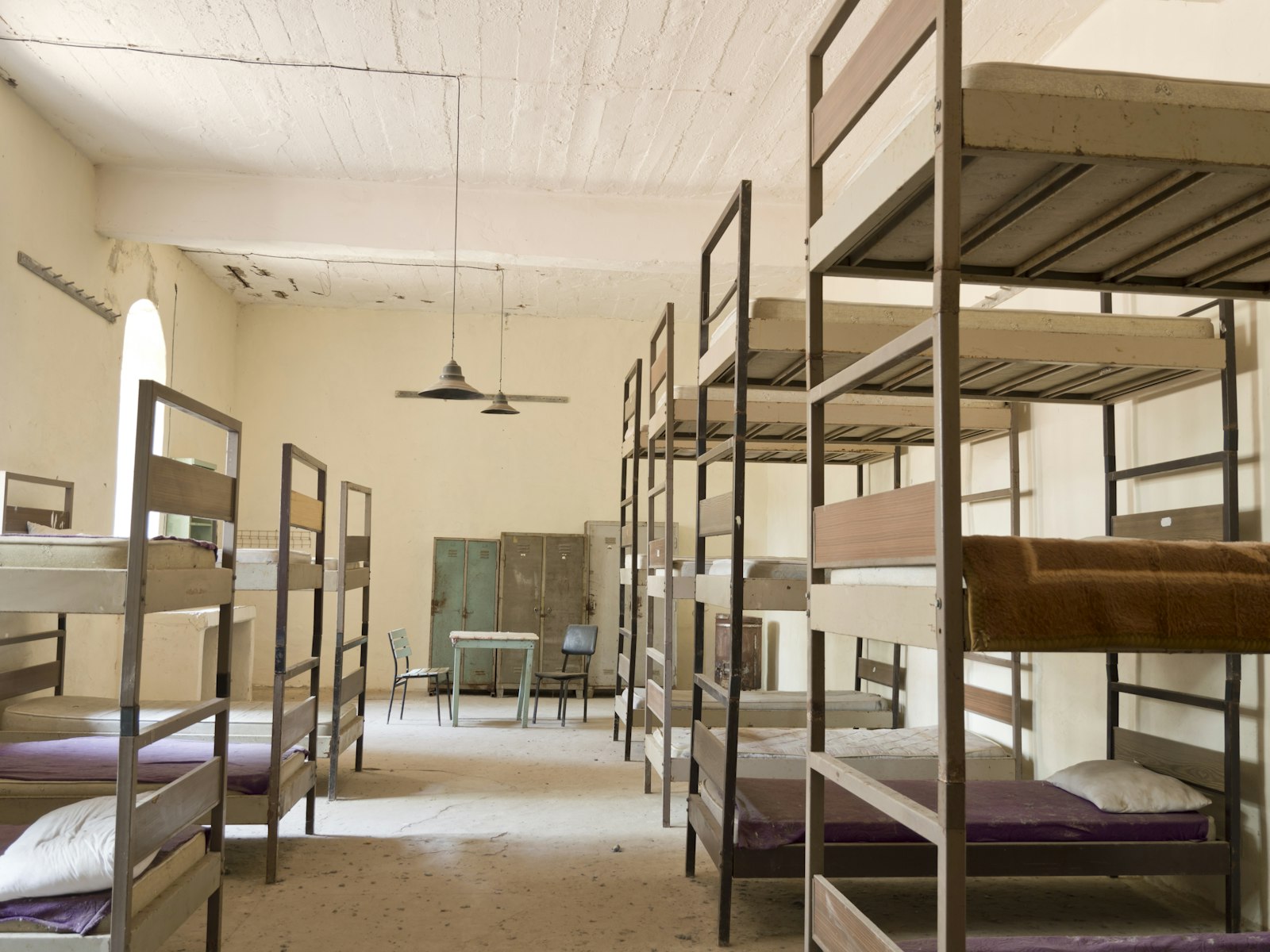
For a toddler paired with a school-age sibling, two separate low beds are the standard starting point: a toddler bed or low twin for the younger child and a twin for the older one. This setup keeps both kids close to the ground and removes the climbing hazard entirely. When both siblings are school-age, a twin-over-twin bunk becomes a realistic option as long as the age guidelines below are met. For an older child paired with a tween or teen, a twin XL or full gives them the length and width they need, while a standard twin works fine for the younger sibling. For more ideas, see our guide to Kids Bedroom Decor Ideas That Balance Fun and Function.
Twin beds are the most flexible choice across all sibling age combinations because they fit almost any room layout, scale appropriately as kids grow, and don’t come with the safety restrictions that elevated beds carry. Save the full or twin XL for the older child when they’re outgrowing a standard twin’s length, not as a default starting point.
Why bunk and loft beds aren’t right for every pairing
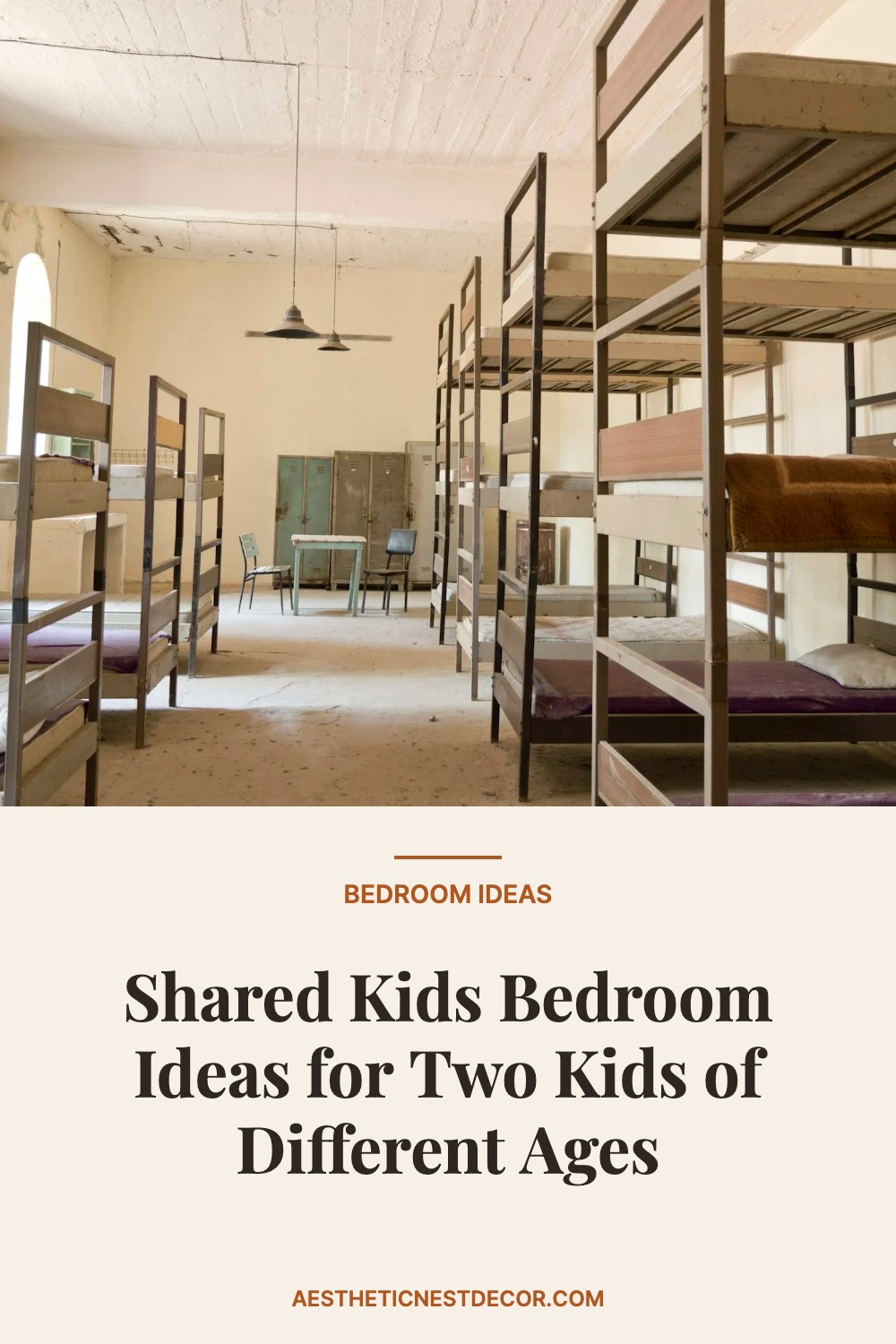
Bunk beds are a genuine floor-space win in a small shared room, but they come with a firm minimum age: no child under 6 should use the top bunk. That’s not a soft guideline. It’s the CPSC’s official recommendation, and it exists because the fall risk from the upper level is real for young children who aren’t yet coordinated enough to manage a ladder safely. If one of your kids is under 6, the bunk bed goes on pause regardless of how tight the room feels.
Loft beds follow the same logic. The elevated sleeping surface creates the same fall risk, so treat loft beds as appropriate only for older children who are developmentally ready to climb a ladder without supervision. If your older child is 8 and your younger one is 3, the bunk or loft conversation happens in a few years, not now.
Zoning Tips for a Shared Kids Bedroom for Children of Different Ages
Zoning a shared room doesn’t require a renovation. It requires a deliberate layout plan that gives each child a defined sleep area and then divides the remaining floor space between a play zone for the younger child and a study or hobby corner for the older one. In a typical secondary bedroom of 10×12 feet, that’s genuinely achievable with smart furniture placement.
Bed placement as the room’s anchor point
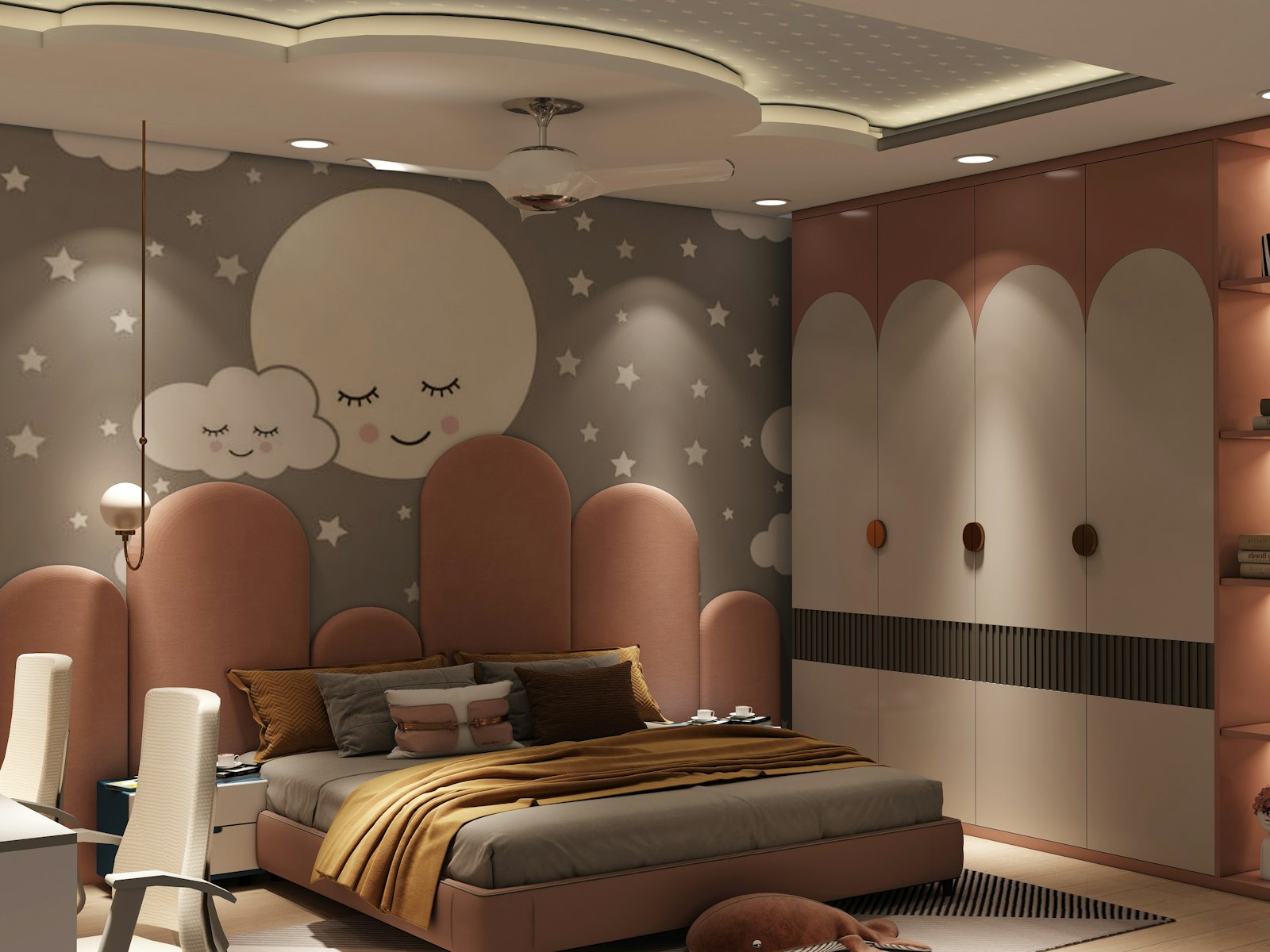
Place the beds before anything else. The most practical configurations for a shared sibling room are beds on opposite walls or an L-shaped arrangement in two corners. A stacked bunk frees the majority of the floor, but only consider it once you’ve confirmed both kids meet the age requirements. Opposite-wall placement gives each child the clearest visual separation and works well when you want two distinct zones. An L-shape is good when one wall is longer and you want more open floor space in the center.
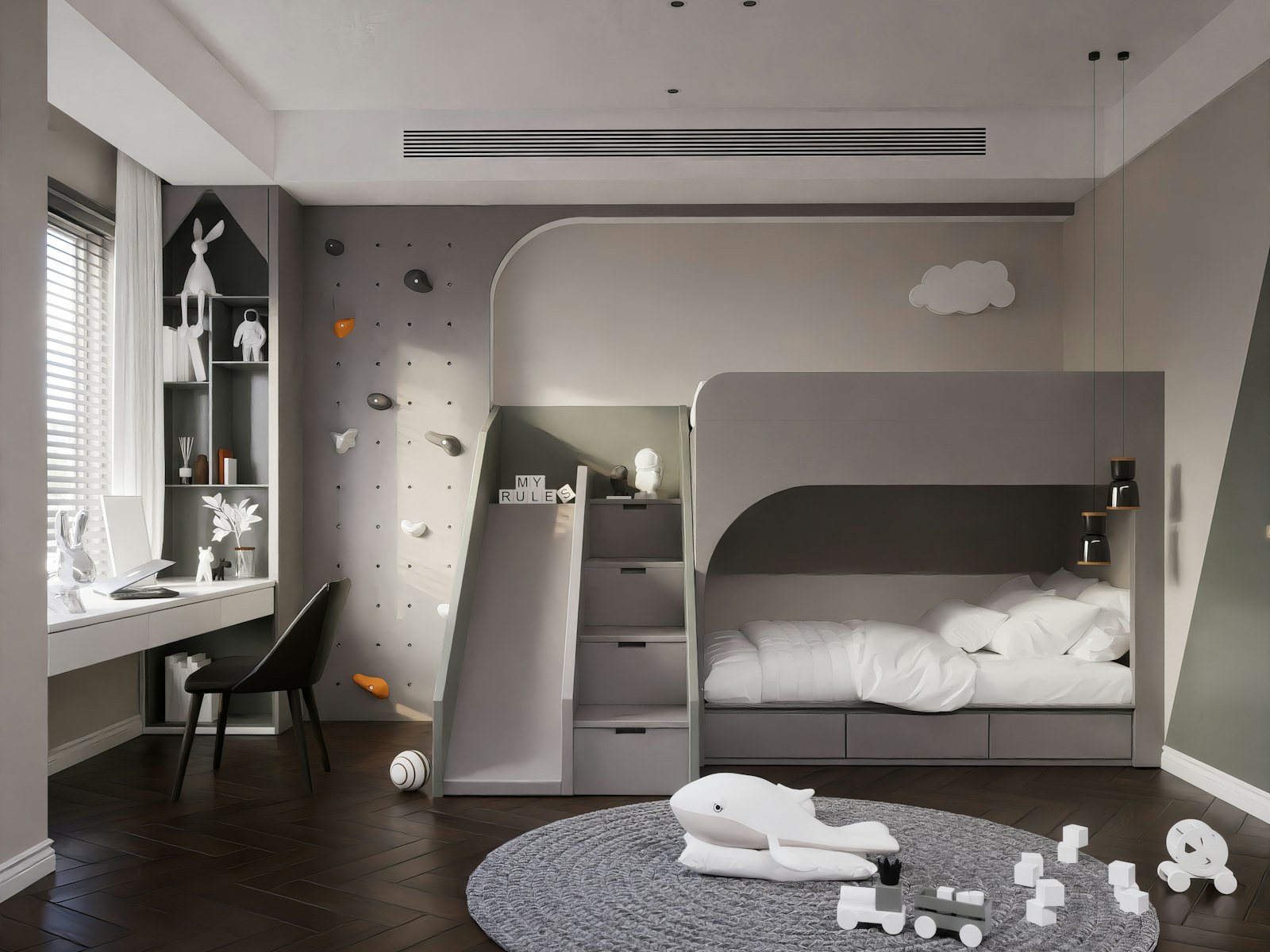
Maintain at least 24 inches of clear walking clearance between the bed, door, and any storage furniture. In a small room, that number shrinks fast once you add dressers and a desk, so plan the clearance into your layout from the start rather than discovering it after the furniture arrives. We cover this in more detail in Winter Bedroom Decor: 4 Layers for the Coziest Room in the House.
Visual dividers that create territory without walls
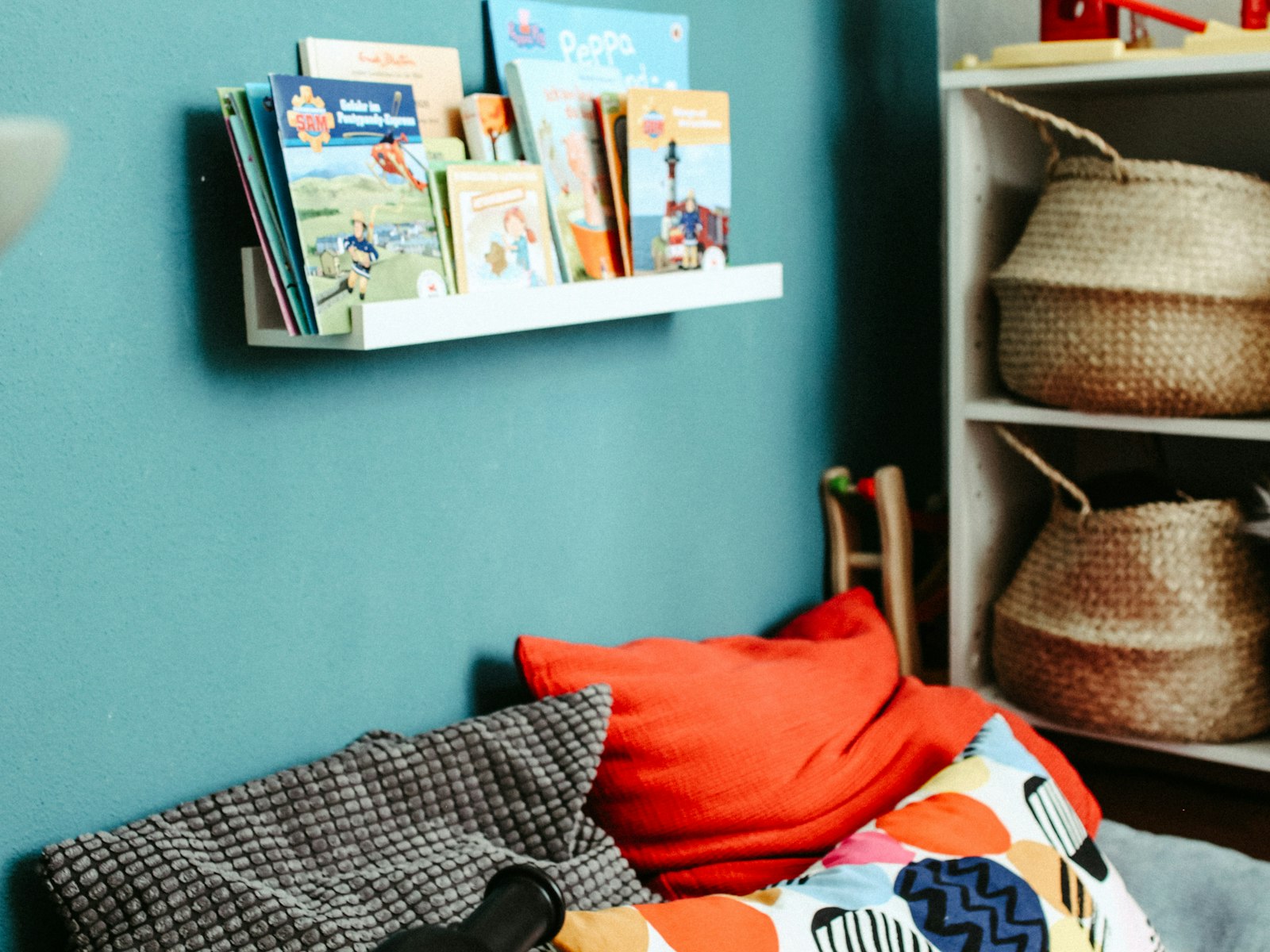
A shared room works better when each child has a recognizable “side,” even if the dividing line is just implied. A bookshelf or cube organizer positioned between the two zones creates both a visual boundary and useful storage. Two distinct area rugs, one anchoring each sleep area, are a low-commitment way to define zones without any installation. For renters especially, a curtain on a ceiling-mounted tension rod works well as a non-permanent divider because it installs without drilling and can be pulled back during the day when the room functions as shared space.
Study corner for the older child, play zone for the younger
The older child’s desk belongs in the room’s quietest corner, away from the toddler’s most active floor space. A compact desk with task lighting and a small rolling cart or wall shelf for supplies creates a functional study zone without eating much square footage. The toddler’s open play floor works best near the center or window side of the room, where natural light supports active play and the space stays visible from the doorway. Sleep areas for both children should sit as far as practical from the room’s most active zone to reduce disruption during nap or bedtime transitions.
Storage That Handles Two Completely Different Sets of Needs
The storage challenge in a mixed-age shared room is almost comical: one child needs toy bins they can reach from the floor, and the other needs a functioning system for folders, colored pencils, chargers, and books. Merging those two systems into shared bins or drawers creates chaos for both kids. The cleaner approach is separate, clearly defined storage zones for each child.
Clothes and closet organization for two kids
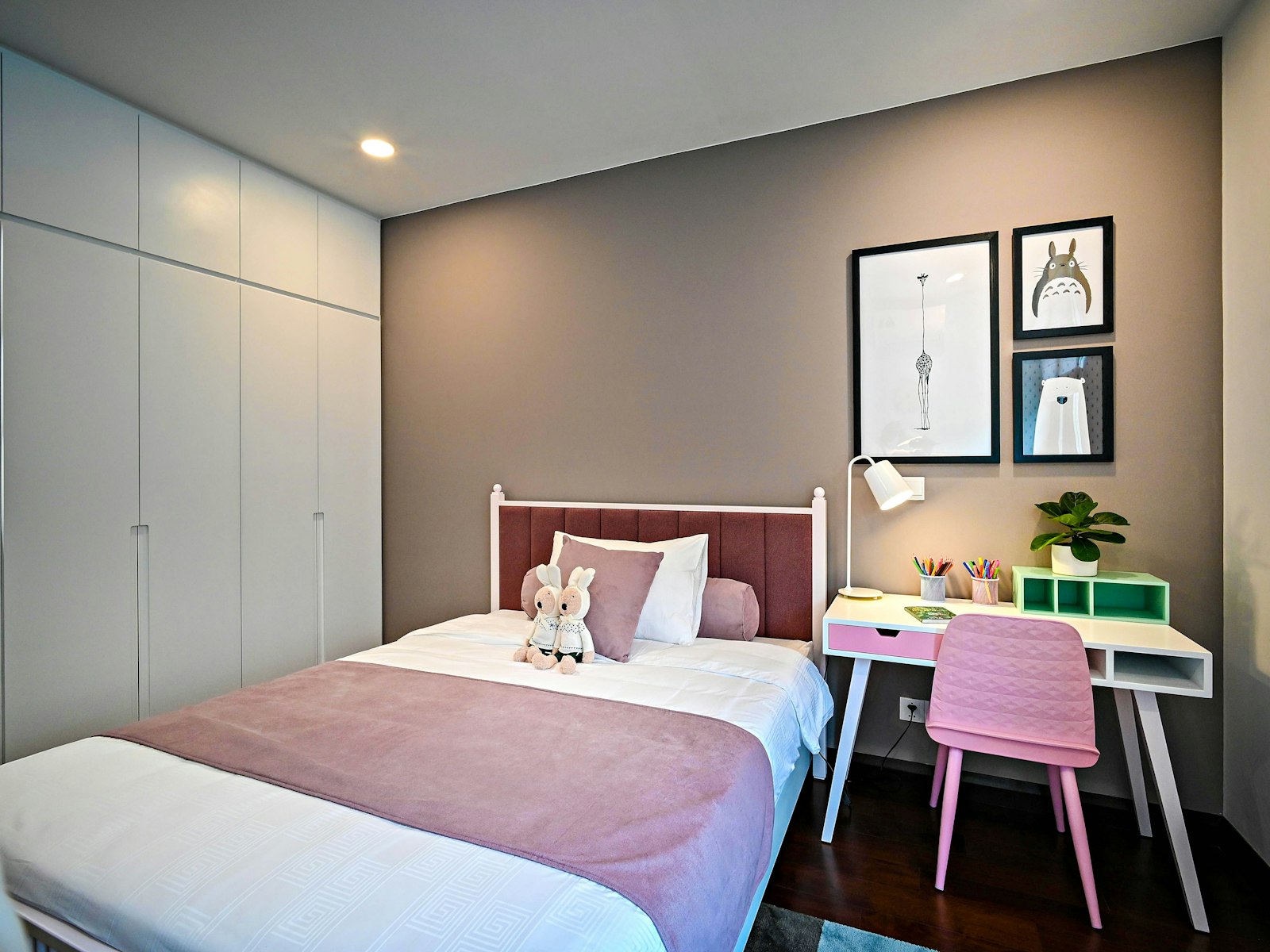
Divide the closet rod into two sections, one per child, and label each side. A low dresser works well for the younger child because they can open and close drawers independently, which matters as you work on getting-dressed routines. Under-bed rolling bins handle seasonal clothing efficiently for both kids without adding furniture to the floor plan. Adjustable closet rods are worth the small investment because they grow with the child rather than needing replacement every couple of years.
Toys and school supplies without the floor chaos
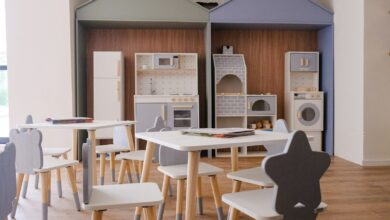
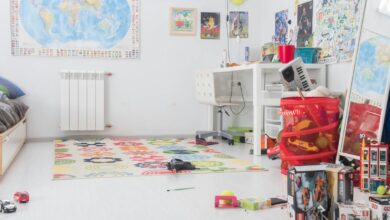
Labeled cube bins at floor height are the most practical toy system for toddlers. Clear bins work especially well because the child can see what’s inside without pulling everything out to search. A small rolling cart beside the desk keeps the older child’s pencils, markers, and paper contained and portable. Any items that aren’t safe for the younger child, small art supplies, scissors, or craft kits, should live on higher shelves or in a section of the closet the toddler can’t access. Modular cube storage like IKEA’s TROFAST system works well in shared rooms because it reconfigures easily as each child’s storage needs change.
Shop the look: Beds that save space
 JOYMOR Low Bunk BedTwo beds on one footprintCheck price on Amazon →
 IDEALHOUSE Daybed with TrundleA pull-out bed for a second childCheck price on Amazon →
 NEW JETO Metal Bed FrameStorage space under each bedCheck price on Amazon →
 JOYMOR Low Loft BedSleep up top, play or study belowCheck price on Amazon →
As an Amazon Associate we earn from qualifying purchases. Prices and ratings change, so check Amazon for today’s details.
Bunk Bed Safety Rules You Can’t Skip in a Mixed-Age Room
Once both kids are old enough for a bunk, there’s still a detailed safety checklist to work through before anything gets assembled. The guardrails on the upper bunk must extend at least 5 inches above the mattress surface, with gaps no wider than 3.5 inches and the entry opening no wider than 15 inches. The mattress should fit snugly against the frame with no dangerous gap between its edge and the rail. Keep cords, scarves, and any tie-on items away from the bed structure entirely, as these create a strangulation risk for young children. If you want to go further, read Bedroom Ideas for 2026: Style, Color & Small-Space Tips.
When the age gap makes a bunk bed genuinely risky
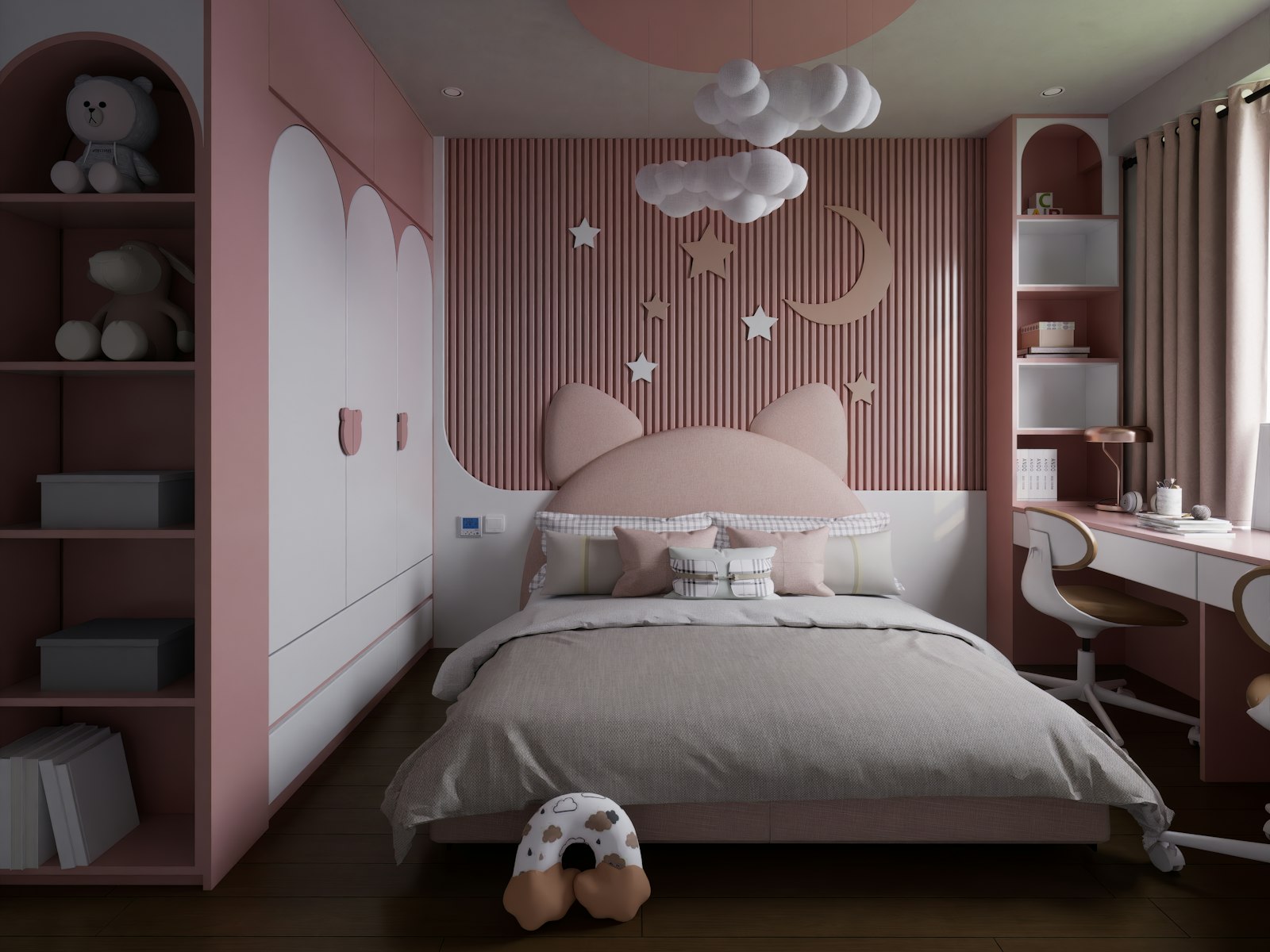
Even if only the older child sleeps on the top bunk, the younger one will try to climb up there, plan for it. Position the toddler’s bed away from the bunk’s ladder side and place the ladder against the wall when it’s not in use. A low-profile safety rail along the bottom bunk gives the younger child extra protection on their own level. If the toddler can realistically access the ladder on their own, the bunk arrangement needs to be reconsidered regardless of where each child is sleeping.
What to use instead if a bunk isn’t safe yet
Side-by-side low twin beds remain the safest and most flexible option for mixed-age siblings when the younger child is under 6. A floor bed for the toddler, positioned close to the ground with a foam mattress on a low platform, eliminates the fall risk entirely and works well in rooms where space is tight. Toddler beds with built-in guardrails on both sides give younger children a secure sleep surface while the family waits for the right time to transition to bunks. If you are shopping for this, the RANTILA Room Divider is a well-reviewed option.
Shop the look: Sharing and dividing
 RANTILA Room DividerGives each child their own zoneCheck price on Amazon →
 Humble Crew Kids BookshelfShared books in reach of bothCheck price on Amazon →
 C&AHOME Wire Cube StorageOne section for each childCheck price on Amazon →
 SUPERJARE Nightstand with ChargingA personal spot for each bedCheck price on Amazon →
As an Amazon Associate we earn from qualifying purchases. Prices and ratings change, so check Amazon for today’s details.
Giving Each Child Real Ownership of Their Side
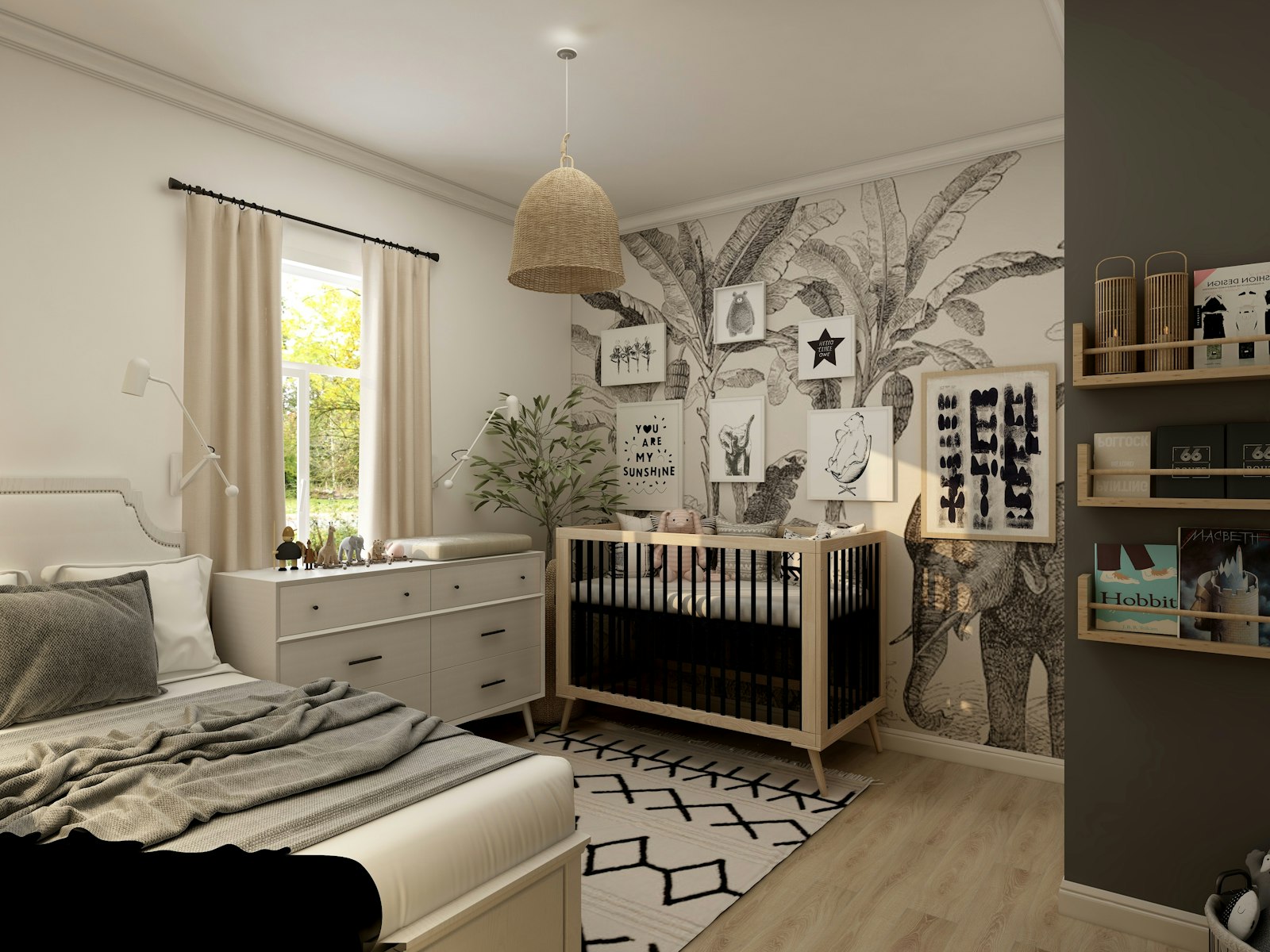
A shared room only works long-term when both children feel it’s genuinely theirs, not a space they’re tolerating. The design approach that consistently delivers this is a shared neutral base for the walls and main furniture, combined with two separate personal accent palettes, one for each child. The room looks cohesive from the doorway but feels personal from each child’s bed. Related: 10 Bedroom Colors That Feel Dated in 2026.
The neutral base plus personal accent formula
Paint the walls in a calm, gender-neutral shade: white, warm gray, sage, or soft beige all work. Choose the main furniture in coordinating neutral tones so neither child’s side dominates visually. Then let each child pick their bedding color, throw pillow, or wall art section. This approach is more durable than designing two completely separate aesthetic halves because it doesn’t lock the space into a theme either child will outgrow in 18 months. When one child moves on from their current favorite color, you swap out the bedding and art, not the whole room.
Small personalization details that land big
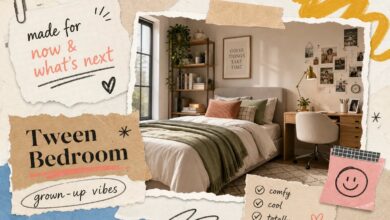
Monogrammed pillow covers, a small bulletin board above each child’s bed, a clip-on reading light in a color each child chose, and a labeled storage bin with each child’s name accomplish more than a complete redesign in terms of how ownership actually feels. These details cost little but signal clearly to each child that their side was designed with them in mind. For deeper styling ideas tailored to each child’s age, Aesthetic Nest Decor’s dedicated toddler bedroom and tween bedroom guides have specific decor picks that translate directly into each zone of a shared room.
Designing a Room That Won’t Need a Full Redo in Two Years
The biggest mistake in a shared kids’ room is designing only for right now. A toddler becomes a kindergartner fast, and a school-age child becomes a tween with very different needs before you know it. The room’s bones need to flex, which means investing in the structure and neutrals while letting the personal decor carry the age-appropriate weight. To make this step easy, we like the Yogasleep Dohm White Noise Machine.
Flexible furniture choices that adapt as both kids grow
Modular bookshelves and cube storage systems that reconfigure easily are worth spending more on because they stay useful through multiple stages. A desk with adjustable height or add-on shelving grows with the older child without needing to be replaced when they hit middle school. Bunk bed frames that separate into two standalone twins give you the option to reconfigure the room entirely when a bunk no longer makes sense. Think of the neutral wall color, convertible furniture, and modular storage as the investment layer, the pieces that stay. The bedding, art, and accent pieces are the swap-out layer, and they should be chosen with that role in mind from the start.
Where to get age-specific styling ideas as your kids change
Once your layout is set and the storage systems are in place, the next step is dressing up each zone for where each child is right now. Aesthetic Nest Decor’s toddler bedroom and tween bedroom guides go deep on exactly this, with room-specific decor ideas, furniture picks, and styling formulas for each age group. As your kids grow into new stages, those guides give you a starting point for refreshing each child’s zone without disrupting the shared room’s overall layout. A reader favorite for this is the Touch Bedside LED Lamp.
Shop the look: Personal touches
 Touch Bedside LED LampSoft light that will not wake a siblingCheck price on Amazon →
 Yogasleep Dohm White Noise MachineHelps different sleep schedulesCheck price on Amazon →
 noot products K11 Kids HeadphonesQuiet time for the older childCheck price on Amazon →
 Rutiyoka Kids Wall DecorPersonalizes each sideCheck price on Amazon →
As an Amazon Associate we earn from qualifying purchases. Prices and ratings change, so check Amazon for today’s details.
Shopping list
- JOYMOR Low Bunk Bed — two beds on one footprint
- IDEALHOUSE Daybed with Trundle — a pull-out bed for a second child
- NEW JETO Metal Bed Frame — storage space under each bed
- JOYMOR Low Loft Bed — sleep up top, play or study below
- RANTILA Room Divider — gives each child their own zone
- Humble Crew Kids Bookshelf — shared books in reach of both
- C&AHOME Wire Cube Storage — one section for each child
- SUPERJARE Nightstand with Charging — a personal spot for each bed
- Touch Bedside LED Lamp — soft light that will not wake a sibling
- Yogasleep Dohm White Noise Machine — helps different sleep schedules
- noot products K11 Kids Headphones — quiet time for the older child
- Rutiyoka Kids Wall Decor — personalizes each side
Prices and availability change. Links open on Amazon.
Keep reading: Kids Bedroom Decor Ideas That Balance Fun and Function · Winter Bedroom Decor: 4 Layers for the Coziest Room in the House · Tween Bedroom Design Ideas That Feel Grown-Up · Bedroom Ideas for 2026: Style, Color & Small-Space Tips · 10 Bedroom Colors That Feel Dated in 2026
Helpful resources: the CPSC Anchor It! tip-over guidance, the AAP childproofing checklist, the ENERGY STAR light bulb guide.
Frequently Asked Questions
How do you divide a shared kids bedroom?
Give each child a defined zone with their own bed, shelf and light, and use a bookcase or room divider to create a visual separation.
What beds work best for siblings with an age gap?
A bunk bed, a loft bed over a desk, or two twin beds with storage drawers all work. Put the younger child on the lower bunk.
How do you handle different bedtimes in a shared room?
Use a white noise machine, blackout shades and a small night light so the older child can read without waking the younger one.
The Framework That Makes It All Work
A shared room for two kids at different life stages doesn’t have to be a compromise, it just needs a real plan. The bed type should be driven by your kids’ ages and the safety requirements that come with elevated sleeping surfaces. Lay out the room with clear zones before a single piece of furniture arrives, and build storage around each child’s actual needs rather than a one-size system that serves neither kid well. Follow bunk bed safety rules firmly when elevated beds are involved, and use the neutral-base-plus-personal-accent formula to make both children feel seen in the space.
You don’t need a bigger room or a bigger budget. What you need is a smarter layout and a design plan built to flex as your family grows. These shared kids bedroom ideas for two children with different ages give you a framework that works now and adapts over time, so the room you set up today doesn’t need a full overhaul the moment one child hits a new stage.
Save This for Later
Pin this image to your Pinterest board so it is ready when you need it.