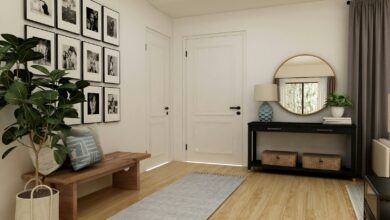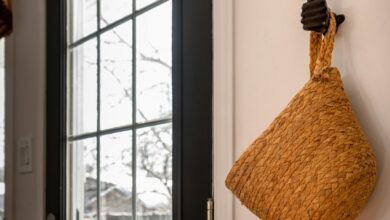

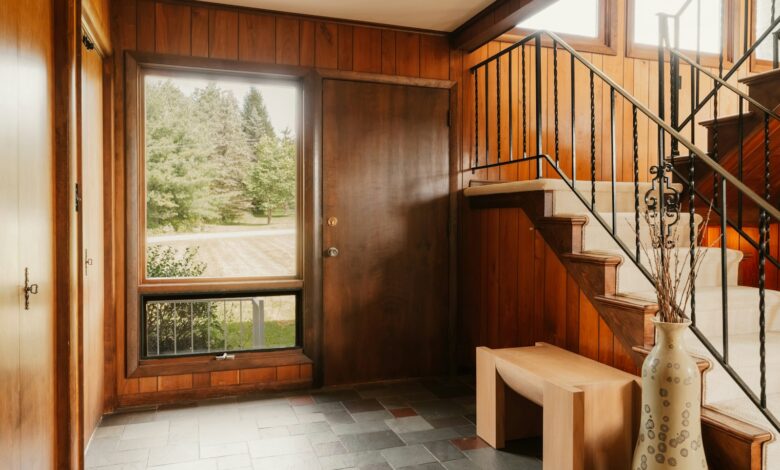
Your mudroom is the first thing you see every morning and the last thing you see every night. It’s also the room that takes more daily punishment than almost any other space in the house: wet boots, backpacks dropped on the floor, dog paws after a rainy walk, and a revolving door of outdoor gear. A color that looks flawless on the chip at the paint counter can look dingy and scuffed within weeks of real life, depending on your traffic level.
At Aesthetic Nest Decor, mudroom questions are among the most common we hear from readers, and paint is almost always where the conversation starts. The problem isn’t a shortage of options; it’s too many options with no clear framework. This guide gives you that framework for choosing the right paint color for your mudroom: read your room’s light and size first, choose a finish that handles daily scrubbing, then pick from a curated palette with exact Sherwin-Williams and Benjamin Moore color codes. By the end, you’ll have two or three specific mudroom color ideas ready to sample, not a saved folder full of screenshots you’ll never use.
Want the shortcut?
As an Amazon Associate I earn from qualifying purchases. Some links in this post are affiliate links, at no extra cost to you.
Top picks: Bates Paint Roller Kit, RAL K7 Color Fan Deck and Umbra Sticks Wall Coat Rack.
Check price on Amazon →How your mudroom’s light and size narrow your paint color choices fast
Before you commit to a paint color for your mudroom, your room’s physical conditions will veto some options outright. Skipping this step is a common reason people end up repainting sooner than expected.
North-facing vs. south-facing: why light direction changes everything
North-facing mudrooms receive cool, indirect light that makes colors read flatter, grayer, and darker than they appear on the chip. A warm greige that looks perfectly balanced in a south-facing room can read dull and vaguely olive in a north-facing one. South-facing spaces get warm, direct light that brightens and intensifies color throughout the day, so colors often read slightly warmer and more vivid than the swatch suggests. Adjusting your pick for light direction isn’t optional; it’s where the decision actually starts. For more ideas, see our guide to Best Mudroom Storage Systems for Families with Young Kids.
What small-space scale does to color intensity
In a compact mudroom or narrow entry, color is amplified because there’s less wall area and often less borrowed light from adjacent rooms. Colors below an LRV (Light Reflectance Value) of 40 can feel noticeably heavier and more enclosed in tight spaces. Mid-tones in the LRV 40, 60 range are the most forgiving starting point for smaller mudrooms, giving you a paint shade for a small entry that reads with depth without swallowing the room.
The finish decision you can’t skip
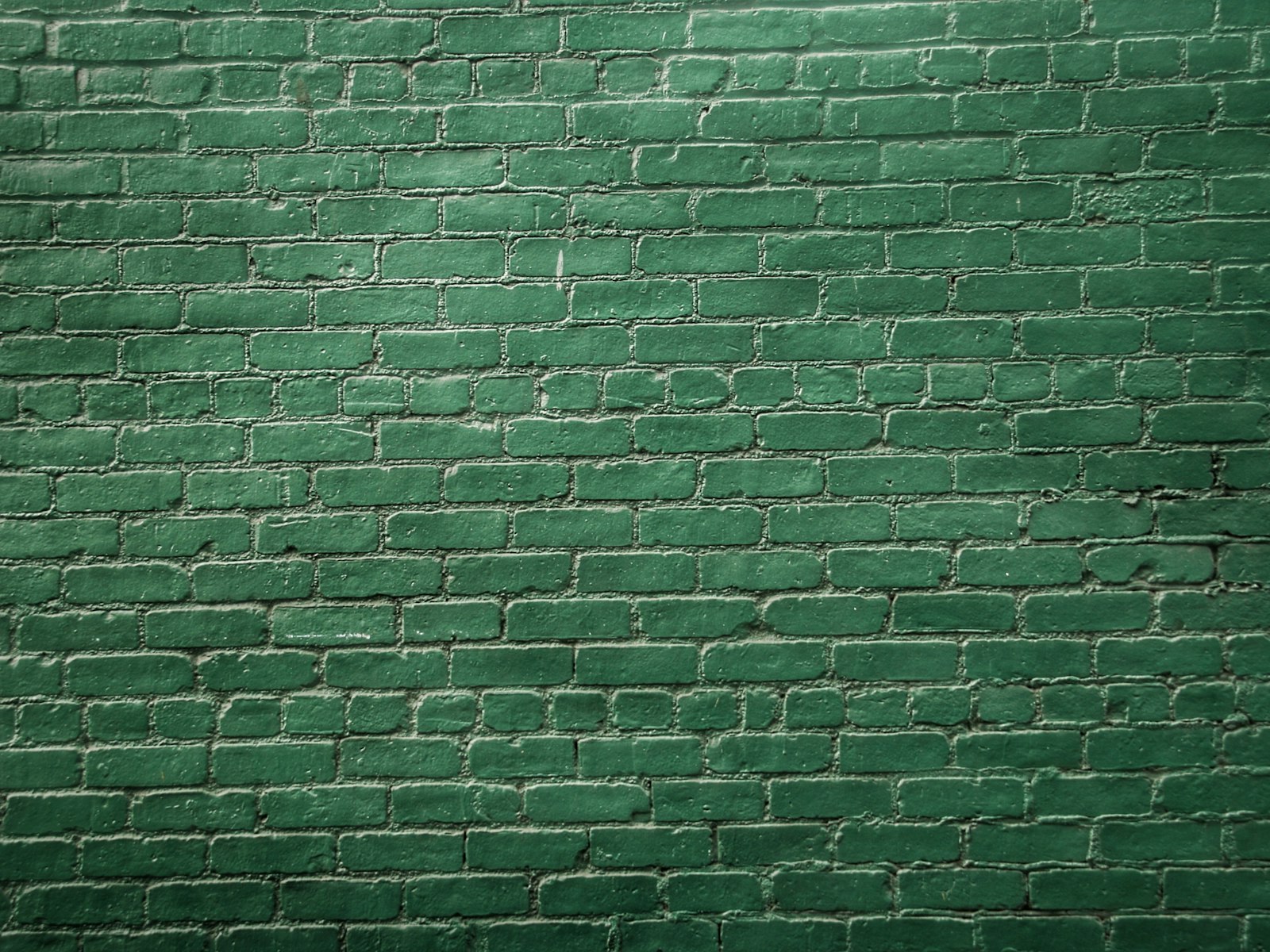
Choosing the right paint color for your mudroom is only half the equation. Flat and matte paints mark up fast in high-traffic spaces and are more difficult to scrub clean and more likely to show marks over time. The finish determines how long that perfect color actually looks that way.
Matching finish to mudroom surface: walls, wainscoting, and built-ins
For main walls, satin is the best all-around choice for a scuff-resistant paint in an entryway. It offers strong cleanability and a low enough sheen for everyday use, though keep in mind that eggshell and flat finishes tend to conceal surface imperfections better, while satin is the easier finish to wipe down. High-contact areas like bench backs, hook walls, and beadboard panels benefit from semi-gloss, which handles direct contact and moisture far better. Cabinets and built-in cubbies deserve a furniture-grade enamel finish that won’t chip when bags and shoes make daily contact.
The product lines worth the upgrade
Benjamin Moore Scuff-X is specifically engineered for scuff resistance and performs well on lower mudroom walls where shoe bags and backpacks constantly graze the surface. Sherwin-Williams Emerald Urethane Trim Enamel delivers a hard, durable finish on cabinetry, trim, and doors that holds up well beyond what standard interior paint can manage. For standard walls, any quality satin line from either brand performs well; the specialty lines earn their higher price where hands, bags, and shoes make the most contact. We cover this in more detail in How to Organize a Small Mudroom With Limited Wall Space.
Warm neutrals and classic whites that stay forgiving
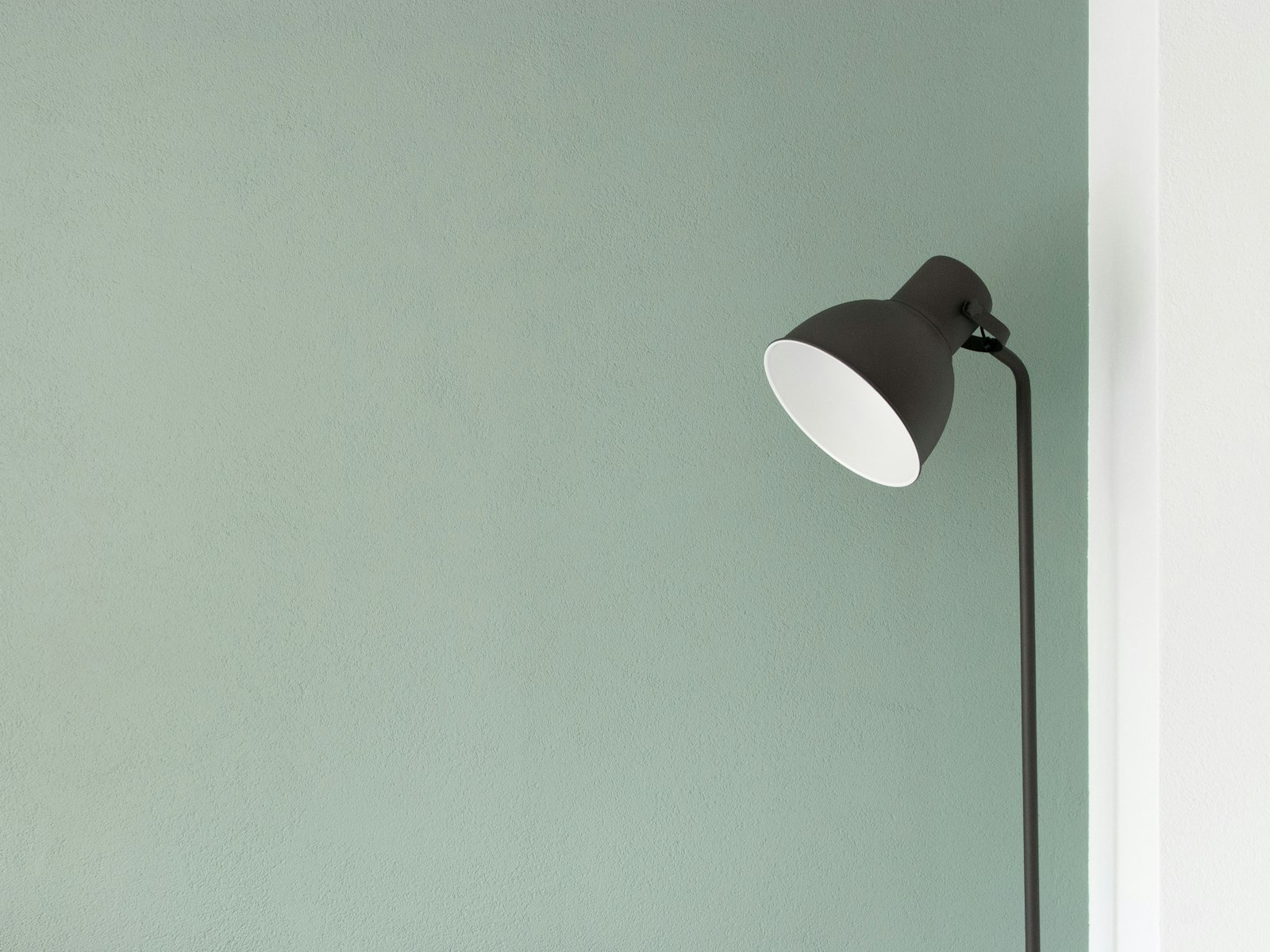
Mid-tone warm neutrals are the most practical starting point for most mudrooms. They blend with common dirt tones, dust, soil, and pet dander, and reduce contrast enough to hide everyday mess without requiring a very dark room. These are the mudroom color ideas that look just as good on a Tuesday in February as they did on the day you finished painting. A reader favorite for this is the ScotchBlue Painter’s Tape.
The warm neutral and greige palette
These options earn their place in busy households because they’re forgiving across changing light conditions and different flooring types:
- Accessible Beige (SW 7036) by Sherwin-Williams: a warm greige that reads as a clean, welcoming tone without going stark or overly yellow
- Urbane Bronze (SW 7048) by Sherwin-Williams: a warm brown-gray that hides leaves, dust, and pet dander particularly well and reads as intentional rather than muddy
- Gray Screen (SW 7071) by Sherwin-Williams: a balanced gray that stays forgiving without making the room feel dim or cold
When a classic white actually works
In a bright, south-facing mudroom with good daylight, a warm white can hold its own if paired with a scrubbable satin or semi-gloss finish. Benjamin Moore White Dove (OC-17) and Sherwin-Williams Alabaster (SW 7012) are two reliable white picks for this use case. Both are least forgiving in dim or windowless mudrooms, where every scuff and handprint reads clearly against the light background. If you are shopping for this, the Bates Paint Roller Kit is a well-reviewed option.
Shop the look: Painting tools
 Bates Paint Roller KitEverything to paint a wallCheck price on Amazon →
 ScotchBlue Painter’s TapeCrisp lines along trimCheck price on Amazon →
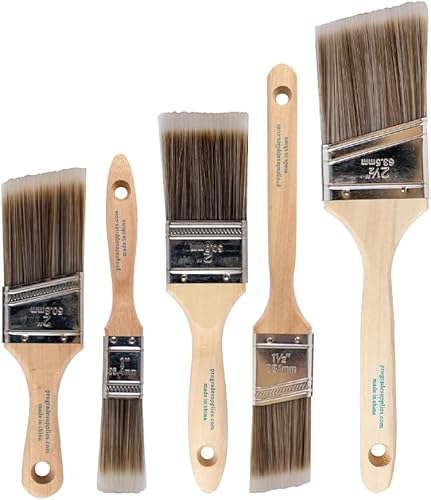 Pro Grade Paint Brush SetClean cutting inCheck price on Amazon →
 Canvas Painter’s Drop ClothProtects floors from dripsCheck price on Amazon →
As an Amazon Associate we earn from qualifying purchases. Prices and ratings change, so check Amazon for today’s details.
Bold accents and dark neutrals that work even harder
If your mudroom sees serious traffic (multiple kids, a dog, outdoor gear coming in daily), darker neutrals are often the most practical paint color for a mudroom with heavy use. They mask boot scuffs, rubber marks, and mud better than any mid-tone because the contrast between the mark and the wall simply disappears.
The navy and charcoal picks
These dirt-hiding paint colors perform best in mudrooms that receive some natural light, where their depth reads rich rather than flat:
- Iron Ore (SW 7069) by Sherwin-Williams: a dark charcoal that absorbs scuffs and looks intentional doing it
- Naval (SW 6244) by Sherwin-Williams: a saturated navy that hides road salt residue and everyday wear from boots and bags
- Hale Navy (BM HC-154) by Benjamin Moore: a classic deep navy with sophisticated staying power that works in both traditional and modern mudrooms
- Kendall Charcoal (BM HC-166) by Benjamin Moore: a dark charcoal-gray consistently recommended for high-grime entry zones
The forest green option
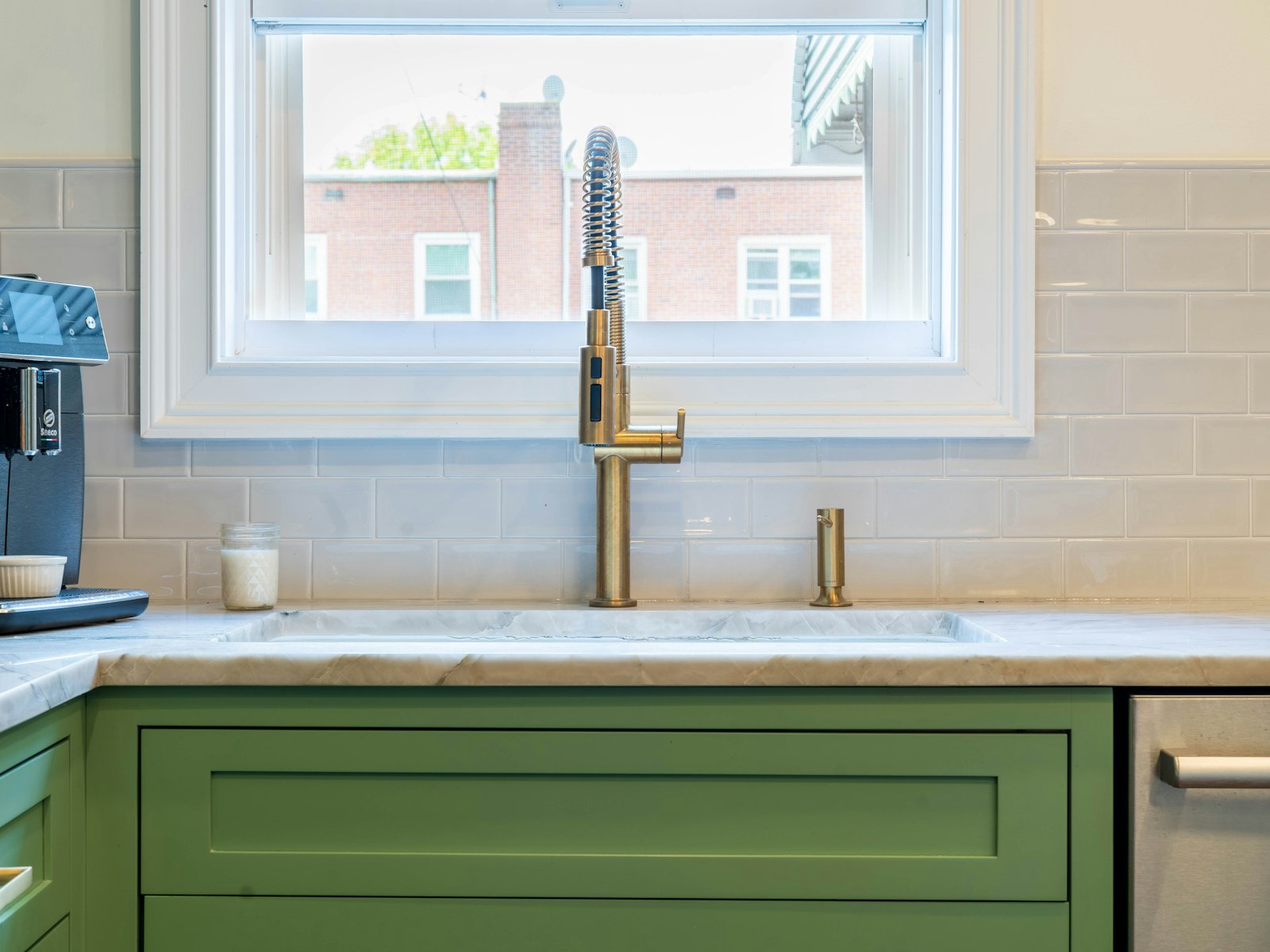
Essex Green (BM HC-188) and Pewter Green (SW 6208) both fall into the muted sage-to-forest green range and are worth serious consideration for mudrooms that connect to outdoor spaces. They hide grass and mulch stains particularly well, and they feel more grounded than a cold navy in smaller mudrooms. Paired with warm wood floors and white trim, either color creates a space that looks polished even after a muddy afternoon outside.
Coordinating your paint color with trim, flooring, and cabinetry
A great mudroom color can still look off if it fights with the trim, floors, or built-ins. The coordination rules for mudrooms are consistent across almost every color family, so getting this right is straightforward once you know what to look for.
The white trim rule and when to break it
White trim is the most reliable pairing for nearly every mudroom paint color, from light greige to deep navy, because the contrast sharpens the room visually and makes cabinetry and millwork pop. Benjamin Moore Chantilly Lace (OC-65) and Sherwin-Williams Extra White (SW 7006) both work cleanly with dark or mid-tone walls. The exception is older homes with existing stained wood trim, where matching or complementing the wood undertone often looks more cohesive than introducing a bright white contrast that doesn’t belong.
Matching undertones to existing floors and built-ins
The most common mudroom coordination mistake is ignoring undertones entirely. A gray wall with cool undertones will clash with warm honey-oak flooring in a way that’s hard to identify but impossible to ignore. Before committing to any paint color for your mudroom, hold the chip against your actual flooring and cabinet hardware in the room’s natural light. Warm floors pair best with warm-leaning neutrals; cool-toned tile accepts both warm and cool wall colors without issue. One option worth a look is the Rust-Oleum Painter’s Touch Latex Paint.
For dark navy or charcoal walls specifically, warm wood flooring, medium to dark oak or walnut tones, is consistently the strongest pairing because it balances the cool depth of the wall color. Avoid pairing dark navy or charcoal with cool gray flooring and blue-white trim; that combination reads icy rather than rich, especially in smaller spaces. To make this step easy, we like the RAL K7 Color Fan Deck.
Shop the look: Durable mudroom paint helpers
 RAL K7 Color Fan DeckCompare shades before you buyCheck price on Amazon →
 Rust-Oleum Painter’s Touch Latex PaintA tough finish for trim and benchesCheck price on Amazon →
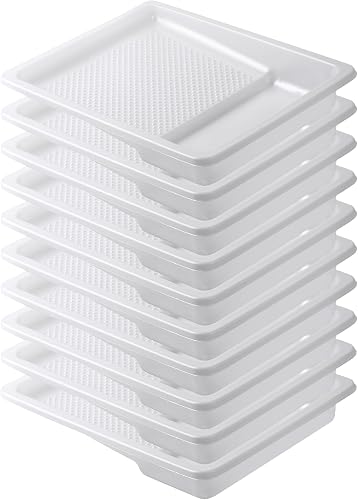 Bates Paint Tray LinersFaster clean upCheck price on Amazon →
 3M Small Hole Repair KitFix dents before you paintCheck price on Amazon →
As an Amazon Associate we earn from qualifying purchases. Prices and ratings change, so check Amazon for today’s details.
How to test your mudroom paint color before committing
The sampling step is where most people cut corners, and it’s the step that prevents the most expensive mistakes. A paint chip is not an accurate preview of how a color will read on your actual walls under your actual light. If you want to go further, read Kid-Friendly Mudroom Locker Ideas for Busy Families.
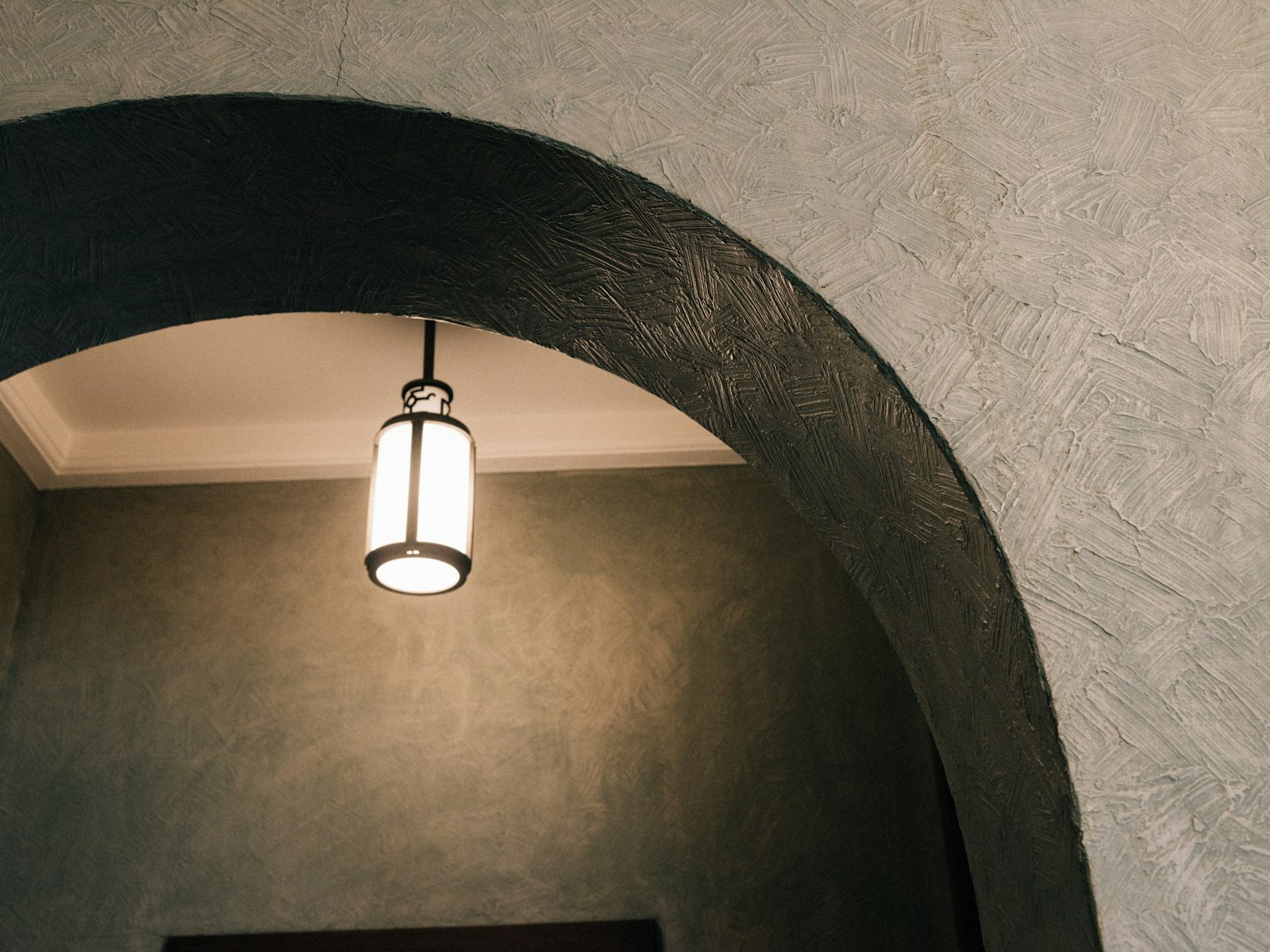
Buy actual sample pots and apply two coats to a large section of wall, at least 12 by 12 inches. Assess the samples at multiple times of day: morning, midday, and under your evening artificial light. Live with each sample for at least 48, 72 hours (many pros recommend 72 hours or longer) before making a decision, and check how each color reads near your trim, flooring, and any existing cabinetry. The color that holds up across all those conditions is the one worth buying a full gallon of.
At Aesthetic Nest Decor, our mudroom content doesn’t stop at paint. Once your walls are settled, the next question is whether your storage is actually doing its job. Related: Best Mudroom Storage Solutions on a Budget Under $100.
We cover mudroom bench ideas for every entry size, organization systems that work with kids and pets, and budget-friendly solutions that don’t require a renovation. If you’ve just landed on your wall color and you’re ready to style the rest of the space, our mudroom organization guides are the logical next step, explore the site for the full room-by-room breakdown.
Pulling it all together: choosing the best paint color for your mudroom
The right paint color for your mudroom comes down to three things working together: your light source, your traffic level, and your existing finishes. Start by reading your room’s conditions, then choose a finish that holds up under daily scrubbing.
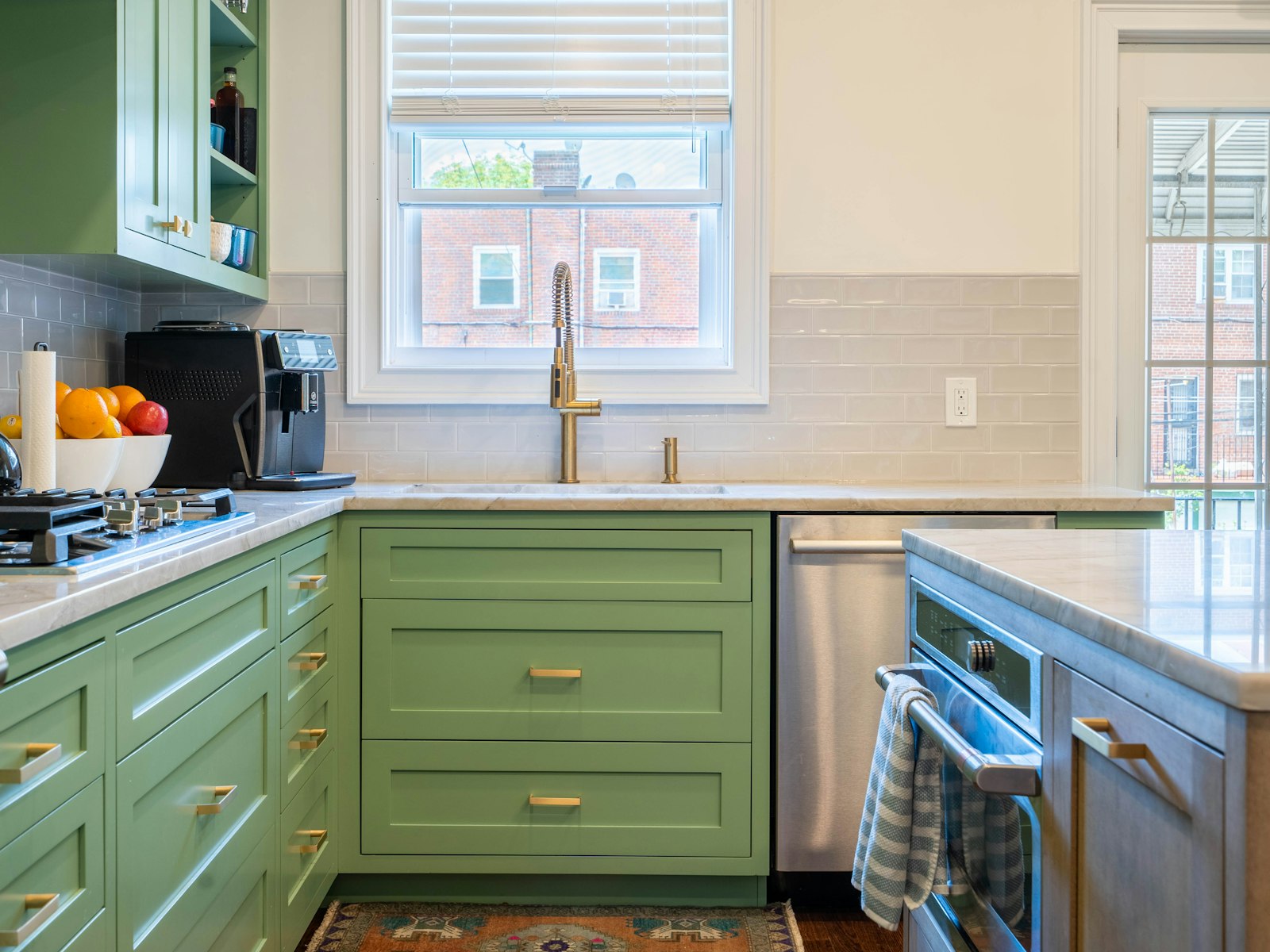
If your mudroom gets heavy traffic and serious mess, lean into mid-tones or dark neutrals like Iron Ore (SW 7069), Hale Navy (BM HC-154), or Kendall Charcoal (BM HC-166). If it’s brighter and more transitional, a warm greige like Accessible Beige (SW 7036) or a clean warm white in satin finish will hold up better than you might expect. For the high-contact zones (the bench back, the hook wall, the cabinet doors), move up to semi-gloss or a specialty scuff-resistant line and you’ll spend far less time repainting. A reader favorite for this is the Stalwart All-Weather Boot Tray.
Whatever direction you go, sample your chosen mudroom paint color on the actual wall for at least 48, 72 hours before buying a full gallon. Your chip looked perfect in the store, your wall is the real test. If you are shopping for this, the Umbra Sticks Wall Coat Rack is a well-reviewed option.
Shop the look: Finish the mudroom
 Umbra Sticks Wall Coat RackHooks against the fresh colorCheck price on Amazon →
 Stalwart All-Weather Boot TrayProtects the floorCheck price on Amazon →
 Washable 2×6 Runner RugEasy to cleanCheck price on Amazon →
 GRANNY SAYS Labeled Shelf BasketsOrganizes the cubbiesCheck price on Amazon →
As an Amazon Associate we earn from qualifying purchases. Prices and ratings change, so check Amazon for today’s details.
Shopping list
- Bates Paint Roller Kit — everything to paint a wall
- ScotchBlue Painter’s Tape — crisp lines along trim
- Pro Grade Paint Brush Set — clean cutting in
- Canvas Painter’s Drop Cloth — protects floors from drips
- RAL K7 Color Fan Deck — compare shades before you buy
- Rust-Oleum Painter’s Touch Latex Paint — a tough finish for trim and benches
- Bates Paint Tray Liners — faster clean up
- 3M Small Hole Repair Kit — fix dents before you paint
- Umbra Sticks Wall Coat Rack — hooks against the fresh color
- Stalwart All-Weather Boot Tray — protects the floor
- Washable 2×6 Runner Rug — easy to clean
- GRANNY SAYS Labeled Shelf Baskets — organizes the cubbies
Prices and availability change. Links open on Amazon.
Keep reading: Best Mudroom Storage Systems for Families with Young Kids · How to Organize a Small Mudroom With Limited Wall Space · DIY Mudroom Bench with Built-In Shoe Storage: Full Guide · Kid-Friendly Mudroom Locker Ideas for Busy Families · Best Mudroom Storage Solutions on a Budget Under $100
Helpful resources: the EPA guide to VOCs and indoor air, light reflectance value (LRV), the history of the mudroom and vestibule.
Frequently asked questions about paint color for mudrooms
What is the best paint color for a mudroom?
There’s no single best paint color for every mudroom, but warm mid-tone neutrals like Accessible Beige (SW 7036) and Urbane Bronze (SW 7048) are the most forgiving across lighting conditions, traffic levels, and flooring types. If your mudroom sees heavy daily use, darker options like Hale Navy (BM HC-154) or Iron Ore (SW 7069) are excellent dirt-hiding paint colors that hold up to serious wear.
What paint finish should I use in a mudroom?
Satin is the best all-around finish for mudroom walls because it balances washability with a practical sheen level. For high-contact zones like bench backs, hook walls, and cabinet doors, upgrade to semi-gloss or a specialty scuff-resistant paint formulated for entryways. Avoid flat and matte finishes in high-traffic spaces, they’re harder to clean and show marks more readily.
How do I pick a paint color for a small mudroom or narrow entry?
Focus on paint shades for a small entry that fall in the LRV 40, 60 range. Colors in this mid-tone zone read with depth without closing in the space. Warm greiges and soft grays in this range work particularly well in compact mudrooms because they hide everyday mess while keeping the room from feeling heavy.
How long should I test a paint sample before deciding?
Most design pros recommend living with a sample for at least 48, 72 hours, with 72 hours or longer being the more reliable standard. Apply two coats to a section of at least 12 by 12 inches and check the color in morning light, midday light, and under your evening artificial light before committing.
Are dark paint colors practical for a mudroom?
Yes, dark neutrals like charcoal and navy are among the most practical mudroom color ideas for households with kids, pets, and heavy outdoor gear. The reduced contrast between the wall and everyday scuffs, boot marks, and mud means the room looks cleaner longer between touch-ups.
What scuff-resistant paint works best in an entryway?
Benjamin Moore Scuff-X is a dedicated scuff-resistant paint formulated for high-contact interior surfaces. Sherwin-Williams Emerald Urethane Trim Enamel is a strong option for cabinetry, trim, and doors. For standard walls, a quality satin finish from either brand delivers solid cleanability at a lower price point.
Save This for Later
Pin this image to your Pinterest board so it is ready when you need it.

Get one cozy decor idea every week
Seasonal styling ideas, budget finds and new guides. No spam, unsubscribe anytime.